


ANDEAN ARTIFACTS. Vividly colored and patterned tunics from the ancient Andes and modern masks opened in two mini-exhibits at the Metropolitan Museum of Art. “The Andean Tunic 400 BCE -1800 CE” shows more than 30 woven “shirts” that were a sign of warmth and wealth for early Peruvian people. Essentially folded rectangles with a slit cut for the head and the sides sewed up leaving arm holes, the tunics are woven of cotton or camelid hair. Their bright, iconic designs illustrate remarkable dexterity in dying, weaving and design.
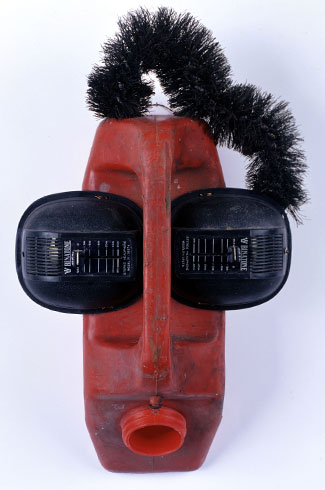
MET MASKS. Modern artists re-imagine the traditional African mask in “Reconfiguring an African Icon: Odes to the Mask by Modern and Contemporary Artists from Three Continents.” The show launches with Man Ray’s photograph of his mistress’ face juxtaposed with a similarly egg-shaped female mask from the Ivory Coast, illustrating the early 20th-century fascination with traditional African imagery. Moving on to contemporary works, Republic of Benin artists Romuald Hazome and Calizte Dakpogan use found objects, converted plastic gasoline cans, metal car parts and computer components, to create expressive contemporary portraits that are multifaceted reflections on the relationship between Africa and the West. Devised of kitchen chairs and pink bicycle parts, Willie Cole’s sculptures reflect graceful Mali headdresses.
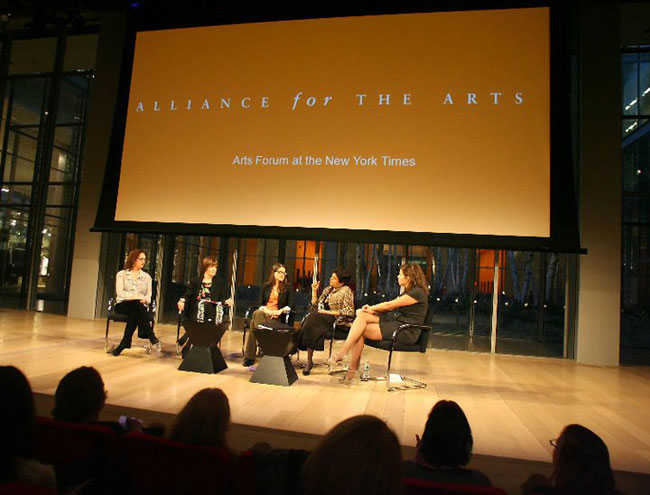
ARTS FOR UNDERSTANDING. Over at the New York Times Arts Forum, government and NGO experts were discussing the importance of promoting jazz, dance, music, film writing and the visual arts to encourage people-to-people communication throughout the globe. During “Cultural Diplomacy: Engaging a Changing World,” Margaret C. Ayers, head of the Robert Sterling Clark Foundation, noted that the 1994 USIA budget of $1.4 billion had been decimated by 1999, and Maura M. Pally, the Deputy Assistant Secretary for Professional and Cultural Exchanges, explained the state department’s current efforts to set up programs and grants and work with existing projects to encourage better international understanding.
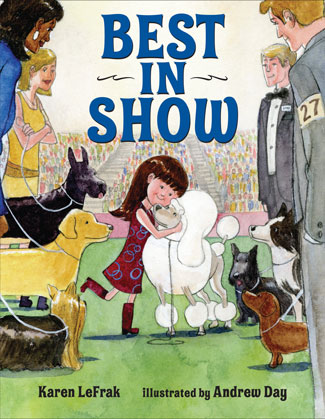
PRIZE POODLE. At the new Ralph Lauren Women’s Store, accomplished pianist, poodle owner, mother and writer Karen Lefrak was signing copies of her latest children’s book, Best in Show. The book describes a young dog lover’s dedication to the training and grooming that send her and her poodle, Gem, to the Westminster Kennel Club show. Also present was the Karen’s own prize poodle, the real life Gem, looking her “best at party” in a bright red, white and blue bow that matched her cookie image handed out to parting guests.
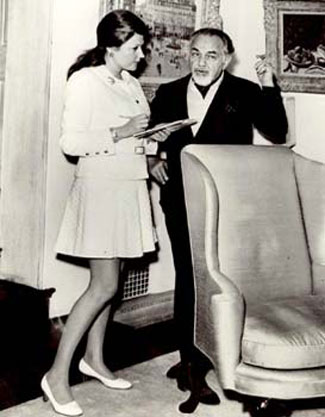

AN AUTHOR OF SUBSTANCE. Finally that evening, Hunter College’s Continuing Education program featured best-selling author Barbara Taylor Bradford, who penned “A Woman of Substance,” one of the 10 best-selling books of all time. In her characteristically engaging narrative style, Bradford described how she made the transition from journalist to novelist and explained how characters such as Annette Remmington, star of her latest book (her 26th), Playing the Game, pop into her head and demand definition and description. Her ongoing inspiration, she revealed, is recalling Graham Greene’s admonition that “character is plot.”
