


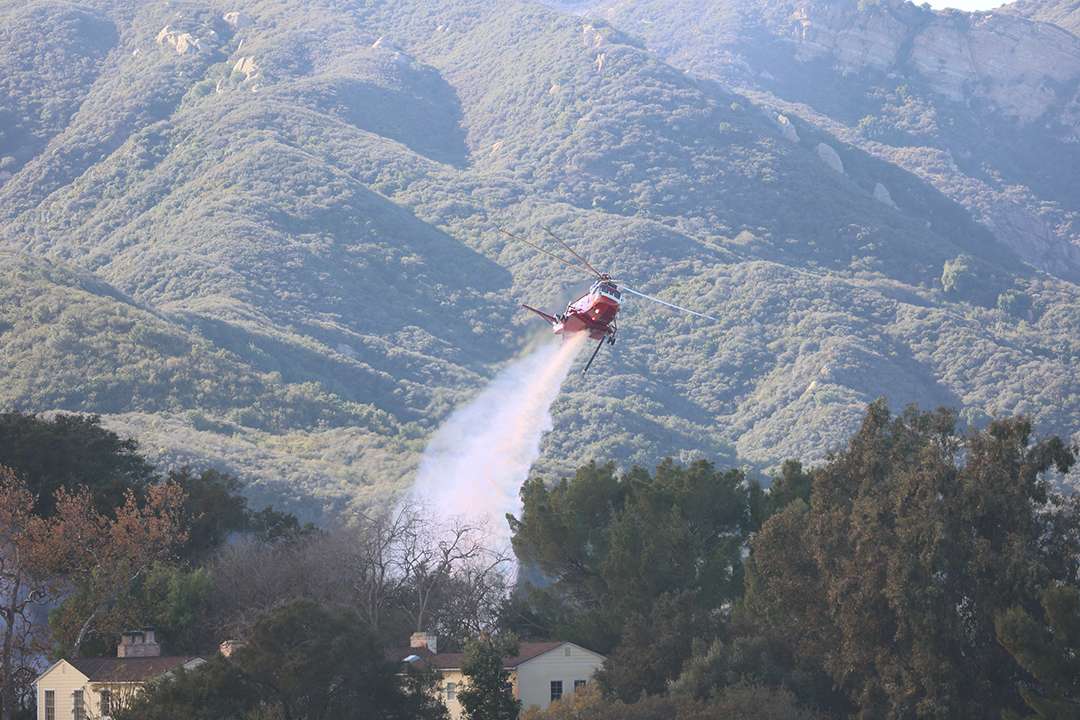
It’s hard to believe that the massive wildfires that started soon after 2025 began have raged in Los Angeles for the past three weeks. As January comes to a close, thankfully, most of California’s ravenous fires are finally either almost or completely contained. And, now, these communities are facing the aftermath.
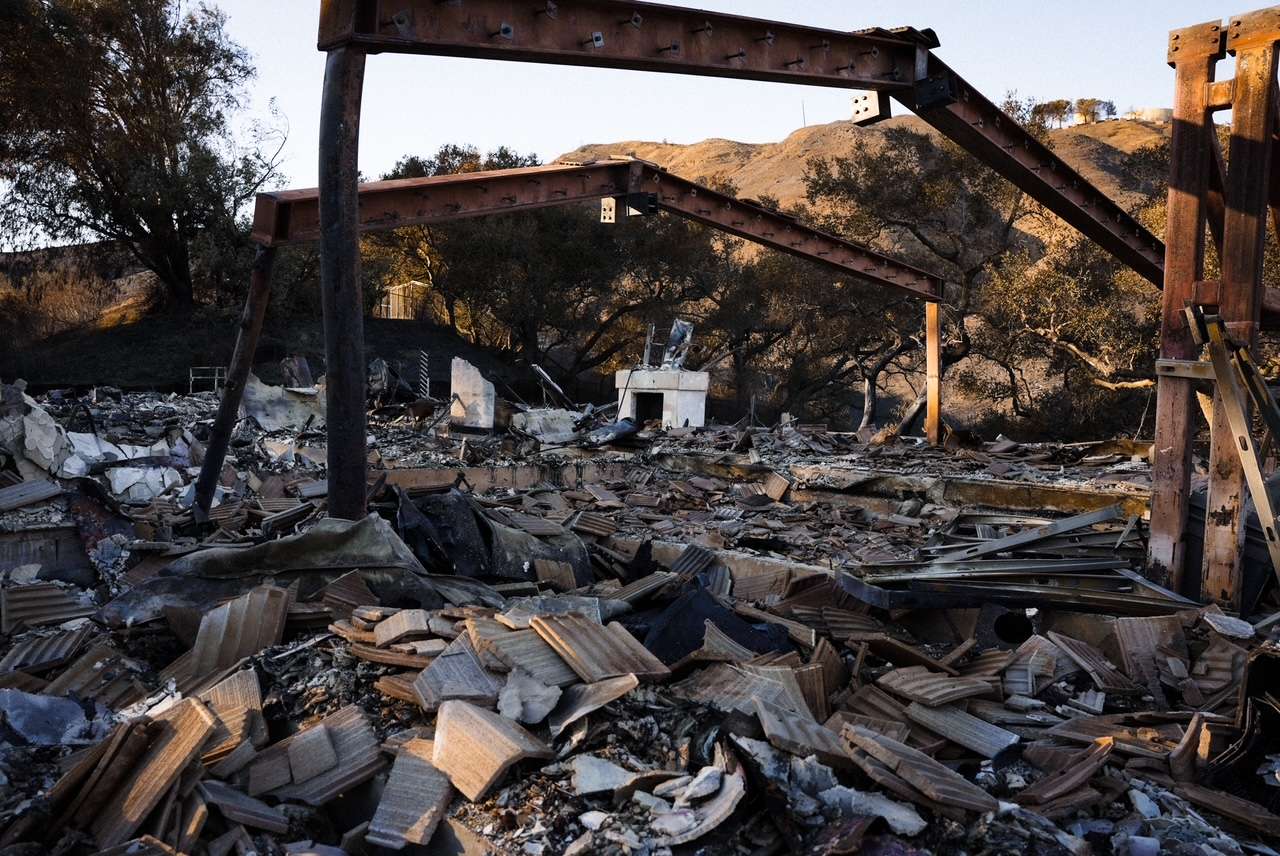
The Eaton Fire and Palisades Fire were by far the largest and most catastrophic blazes being battled, with the first destroying more than 9,400 structures and the second destroying at least 6,800 structures. As of January 24, Cal Matters reports that these fires have taken 28 lives as well.
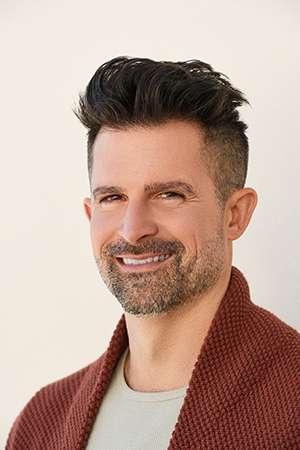
To say that this has been a terrifying time for many L.A. residents is an understatement, but it’s difficult to imagine what it has truly been like unless you were there. Compass’s Adam Brawer, an Angeleno of two decades and a former film producer, turned from seasoned real estate agent to rookie fire volunteer when the Palisades fire crept to his neighborhood in Topanga. Now, he is giving voice to the reality of what it was like to live through this, what’s going on in L.A. now, and what the future may hold for rebuilding and real estate.
What has been your personal experience with this devastating natural disaster?
I live in Topanga, in the Post Office Tract, and the past few weeks have been nothing short of harrowing. When the fires broke out on Tuesday, January 7, we faced three relentless days of uncertainty and fear. By Wednesday night, the fires had reached my neighborhood, and a group of us banded together to form a volunteer fire brigade, which we called The Heat Hawks. Alongside volunteer fire spotters, we worked around the clock, calling 911 to report structures in imminent danger.
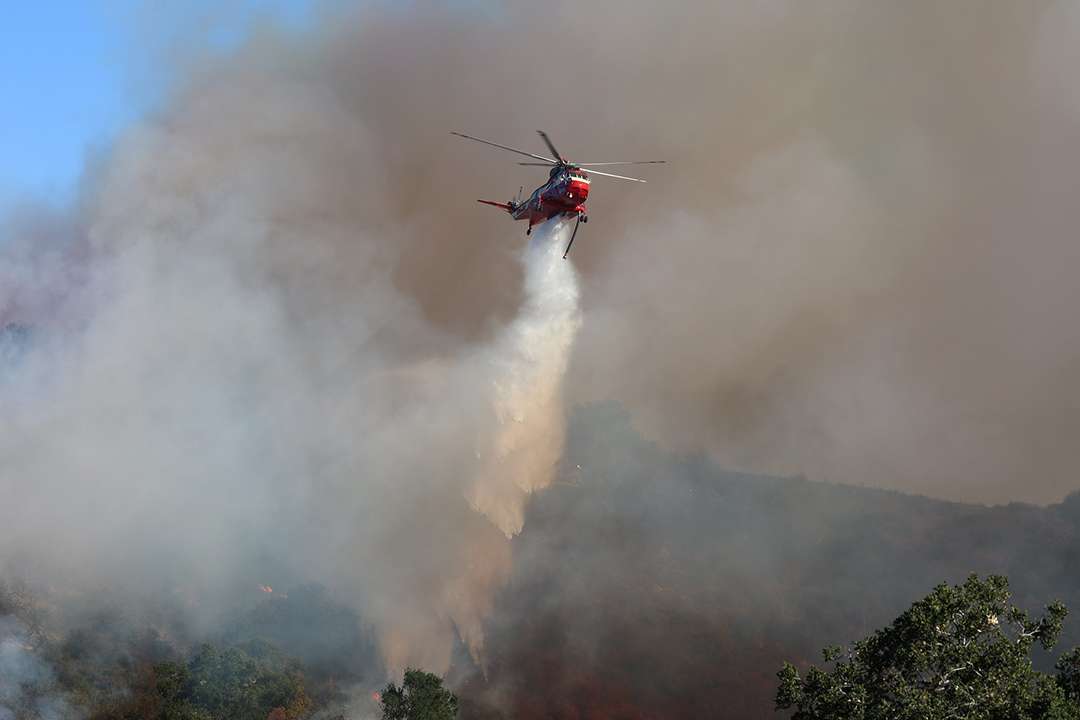
Topanga had no firefighter presence initially, as Bravo 69 had been reassigned to help manage the inferno in the Pacific Palisades. By Thursday night, I genuinely believed my home would be lost and made an urgent call to my insurance company. Thankfully, by Friday morning, after the arrival of super scooper planes and helicopters, the neighborhood was saved. But not everyone was as fortunate. Several friends and clients in Topanga lost everything, and tragically, at least one life was lost in Tuna Canyon.
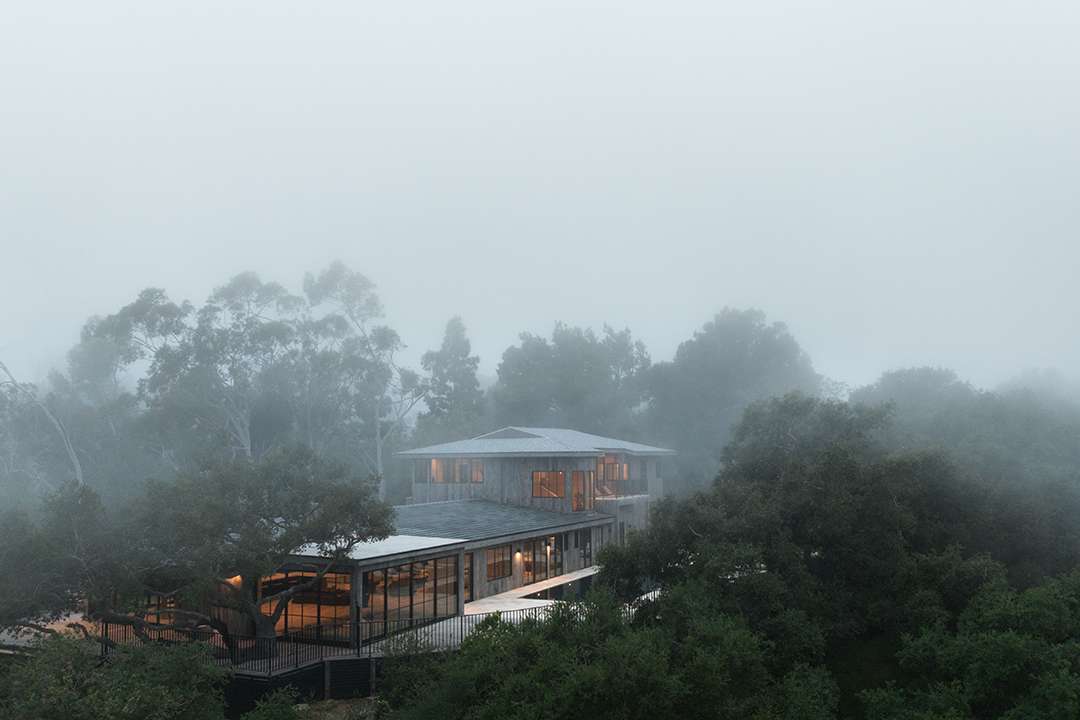
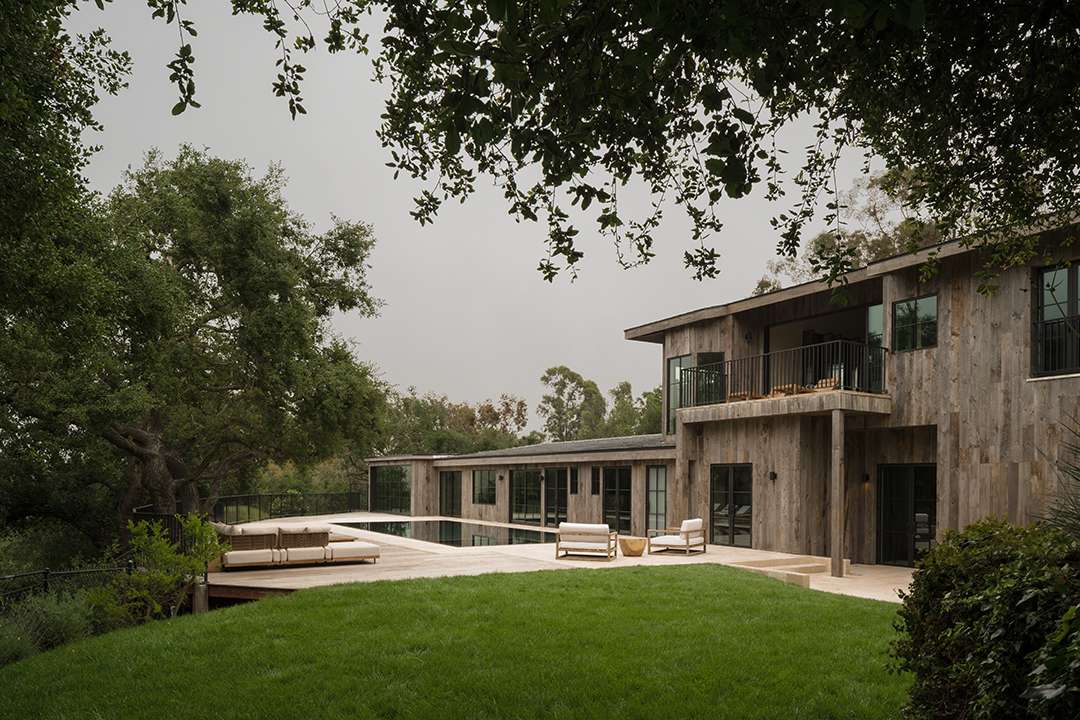
One of my clients lost not one, but two homes on the same day—his house in the Alphabet Streets of Pacific Palisades, and another on Pacific Coast Highway were both destroyed. The scale of devastation has been unimaginable, from modest starter homes to palatial estates. For example, a $25 million equestrian estate I listed in Big Rock, Malibu—featured previously in dailyDEEDS®—was reduced to ashes. It’s been a deeply personal and profoundly sobering experience.
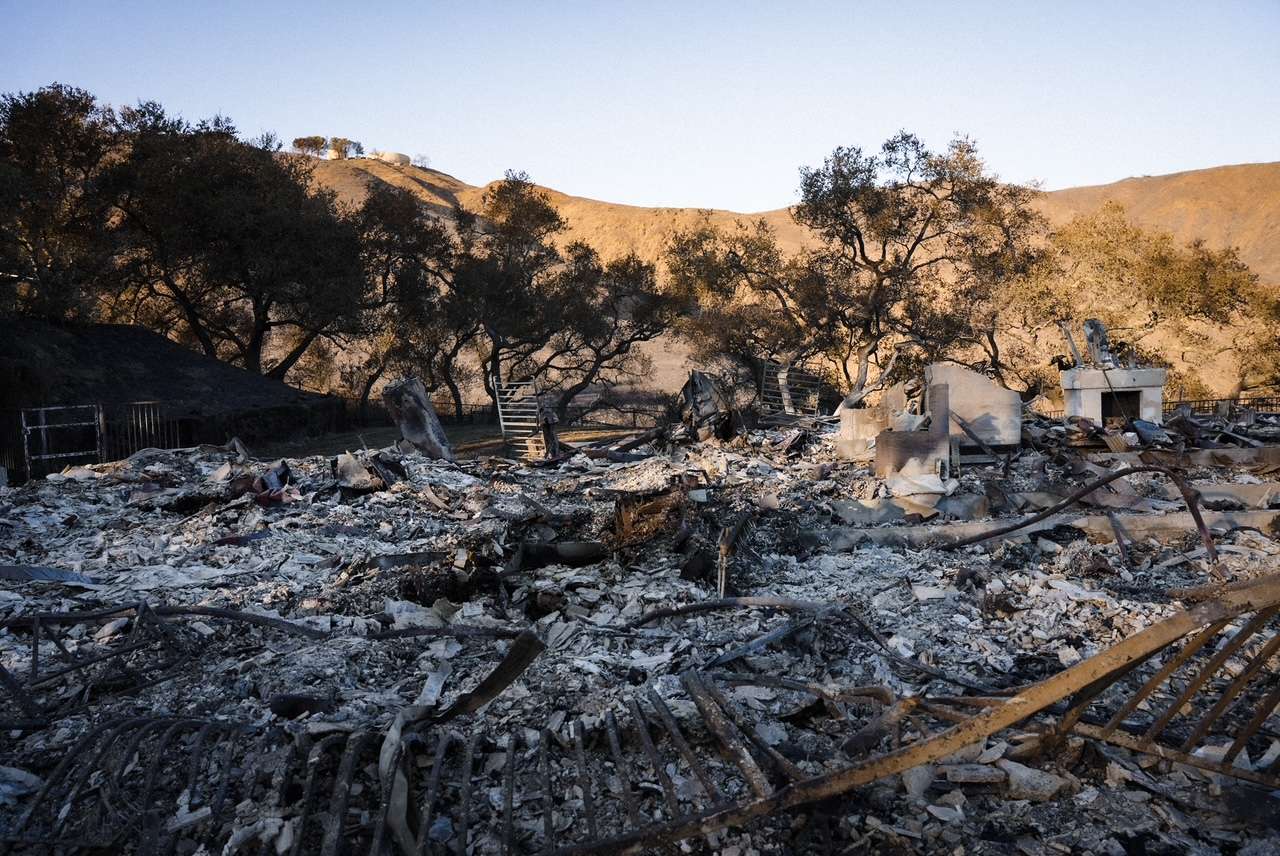

As someone who mainly works in the Pacific Palisades, Malibu, and Brentwood—some of the key areas where the roughly 24,000-acre Palisades fire has caused mass evacuations and the destruction of neighborhoods—what can you tell us about the feeling in these communities right now? What are the conversations you are having with clients, colleagues, and friends?
The atmosphere in these communities is a mix of resilience and heartbreak. For those who owned their homes and have the means to rebuild, the sentiment is clear: they plan to stay and start over. However, it’s a different story for long-term homeowners who bought decades ago and are underinsured. Many of them face the heartbreaking reality that they may not be able to rebuild and will likely leave the neighborhood permanently.
In Malibu, the devastation has prompted some families to leave Los Angeles altogether. For many, this was the second fire in just a matter of weeks, and the cumulative risk feels insurmountable. I have clients in Bel Air who have been debating leaving for years; after the recent Sepulveda Pass fire, they are now planning to downsize and move closer to the ocean, away from high fire-risk zones.
Conversely, there’s also a sense of determination among others who are doubling down on Los Angeles. Some families with young children, however, are concerned about air quality. I’ve had several clients temporarily relocate to places like Costa Rica, Florida, or Austin, Texas to wait out the immediate aftermath while reassessing their long-term plans. The concern about air quality has been especially pronounced—it’s making people reconsider what the future looks like in Southern California.
Working in real estate, what has your role been in the community in these tumultuous and difficult weeks? Can you tell us a bit about what the rental market in and around L.A. is like right now and how people in need of homes are navigating it?
Since the fires began, my role has been twofold: Supporting clients and neighbors through the crisis while also helping displaced families find temporary housing. I was actively volunteering from the moment the fires broke out, delivering meals, calling 911, and supporting first responders on the ground. The Los Angeles Times even highlighted the massive volunteer effort in Topanga—arson watch, looter watch, and direct coordination with the sheriff’s department to address trespassers.
The rental market, in contrast, has been absolutely chaotic. Demand has skyrocketed, particularly on the Westside of Los Angeles. Properties are being rented sight unseen, and I’ve never experienced this level of urgency. In some cases, listing agents are so inundated with applications that they’re struggling to respond to inquiries. For many evacuees, it’s taking over a week just to secure temporary housing. Thankfully, FEMA and insurance companies have stepped in to assist, but the sheer volume of need is unprecedented.
In your expert opinion and with your intimate knowledge of the affected areas mentioned, what do you think rebuilding will look like? Do you expect that many people who have sadly lost their homes will rebuild on their property, or could there be a significant amount of relocating within the city or beyond?
The rebuilding process will be a long and complex journey. In the Pacific Palisades, most families with the financial ability to rebuild have every intention of doing so. However, the Coastal Commission must expedite fire exemption rebuild permits for work to begin promptly. Permits that usually take over a year need to be fast-tracked to avoid delays. Even with this, I believe it will take a minimum of four to five years before the Palisades is fully restored.
That said, the character of these neighborhoods will inevitably change. We’re already seeing significant interest from large investors like BlackRock, who are eyeing opportunities in the aftermath. In areas like the Alphabet Streets, where some homeowners are choosing to sell, developers will likely acquire lots, potentially converting double lots into larger luxury properties. This will raise property values but also make the neighborhood less accessible for many longtime residents.
On a broader scale, I expect relocations to Austin or L.A.—adjacent cities like Ojai or Manhattan Beach to increase. Some families are looking for a fresh start away from fire-prone areas. The ripple effects will be felt not just in Los Angeles, but across the state.

Lastly, everything is incredibly fresh and the crisis is still ongoing, but are you beginning to have any predictions for L.A. real estate this year? What part will the real estate industry play in this resilient city’s recovery and in helping people move forward?
Despite the tragedy, I foresee 2025 being a year of heightened real estate activity in Los Angeles. I’m already receiving calls from clients who’ve decided to sell and move, as well as from buyers looking to invest in income properties. The sharp rise in rental demand will make income properties especially attractive, as rents continue to climb. Land sales will also increase, with buyers seeking plots that already have approved plans to expedite the building process.
The real estate community will play a critical role in recovery efforts. We’re already matching evacuees with rentals and helping displaced families find temporary homes. For those who lost everything, developers will likely step in to purchase lots, rebuild, and reshape neighborhoods. While this creates opportunities for investors, it also underscores the importance of supporting families who are navigating displacement. Resilience will define the city this year, and the real estate industry will be at the heart of rebuilding lives and communities. #LAStrong
