


There are hundreds of perennials that look like they’d thrive only in the hot dry climate of the Mediterranean, but many are workhorses in East End gardens, too. Often sporting soft gray leaves and striking flowers, they give standard-issue hydrangeas a run for the money.
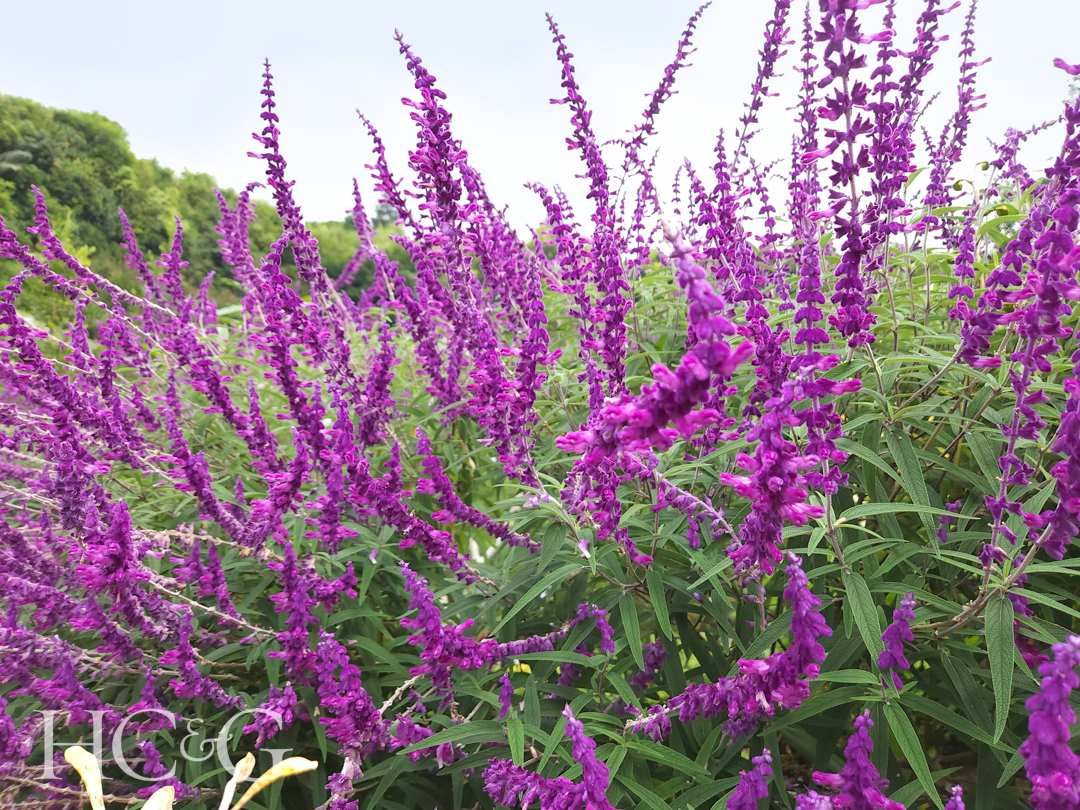
Mexican Bush Sage
(Salvia leucantha)
Zones: 8-10
Height: 2–3 feet; width: 2–3 feet
Fuzzy gray leaves throughout the season give way to bright purple racemes in late summer until the first frost. A favorite of butterflies and hummingbirds.
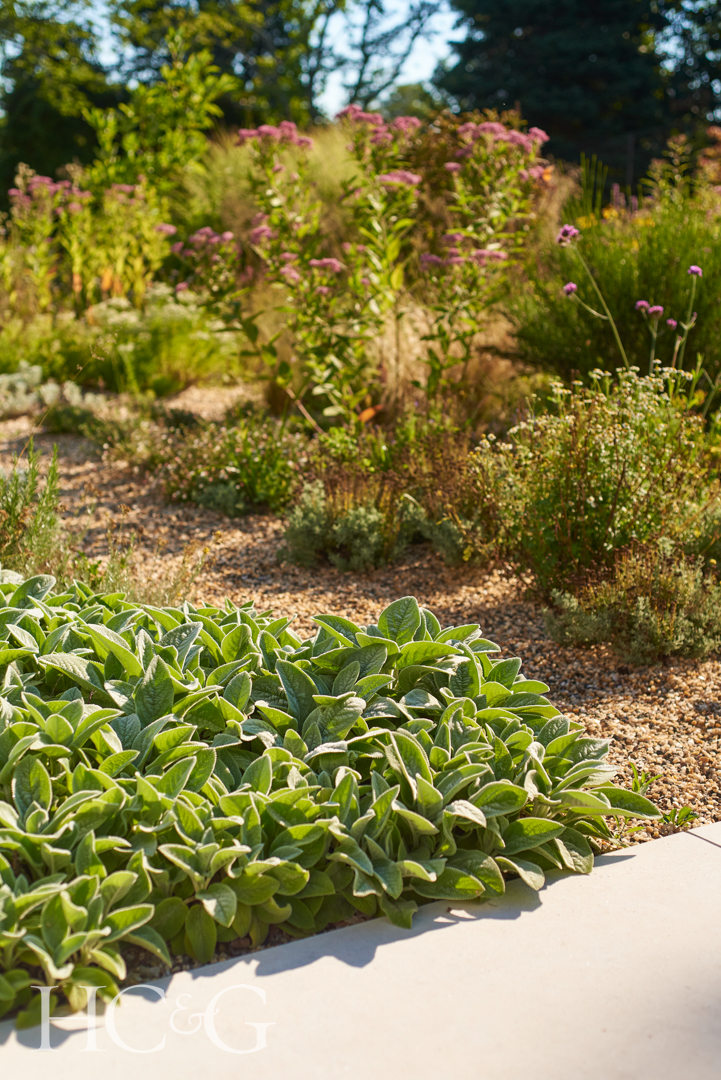
Lamb’s Ears
(Stachys byzantina)
Zones: 4-8
Height: up to 1 1⁄2 feet; width: 1–1 1⁄2 feet
Great as an edging plant, a small ground cover, or even in a pot, lamb’s ears boast velvety leaves that love full sun. Some gardeners prefer to remove the flowers, but the cottony pink-purple blooms add a bit of verticality.
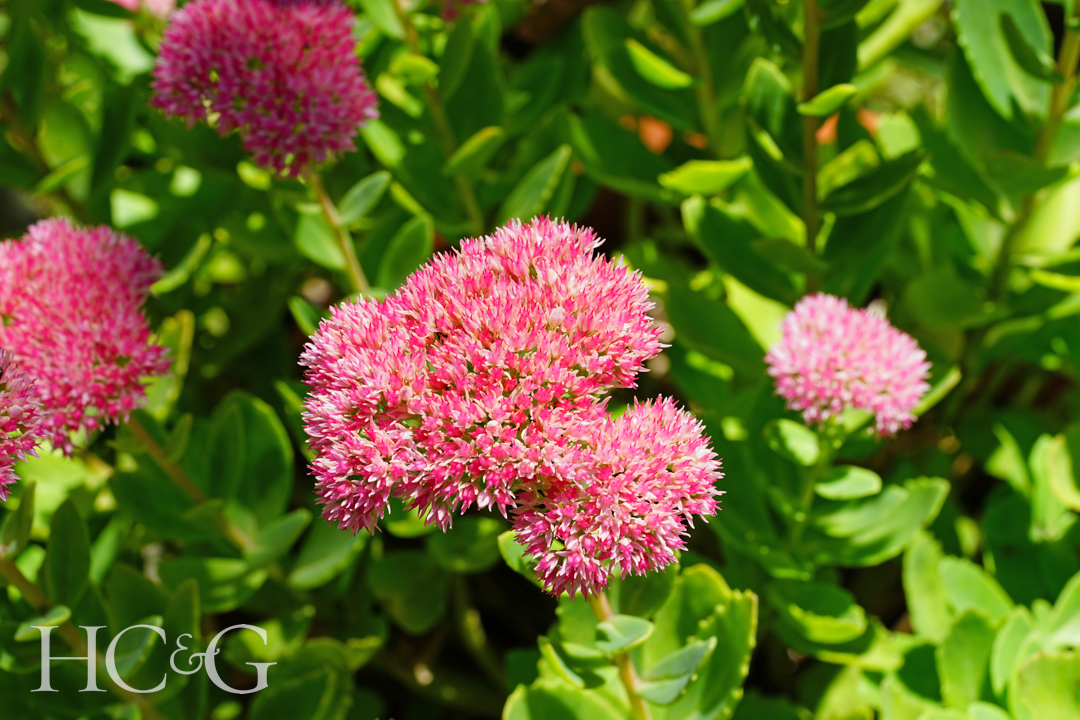
Stone Crop
(Hylotelephium ‘Autumn Joy’)
Zones: 3–9
Height: 1 1⁄2–2 feet; width: 1 1⁄2–2 feet
Small star-like flowers on these glaucous-leaved sedums start pink and then go red, finally turning a coppery tone in late fall. Keep the plant up during the cold months for winter interest, then cut it to the ground in early spring.
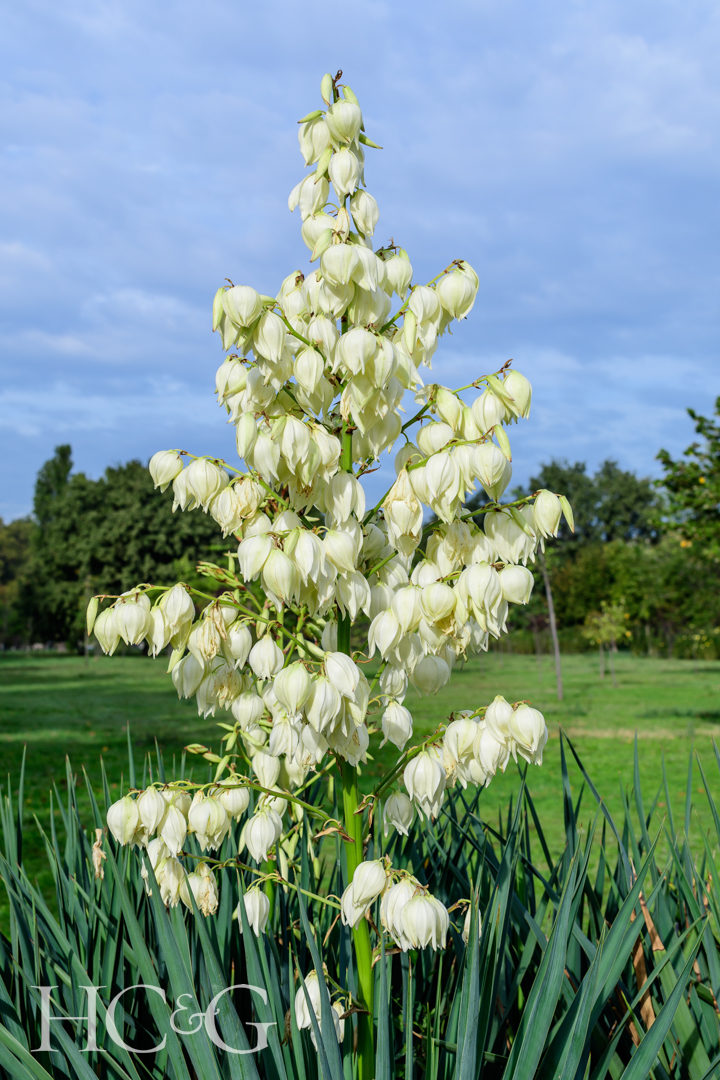
Adam’s Needle
(Yucca filamentosa)
Zones: 5–10
Height: 4–8 feet; width: 2–3 feet
Native to the central and eastern U.S., this yucca variety is now hardy well into New England. Its strong architectural shape and candelabra-like spike of creamy white flowers suggest a desert plant, but it’s quite at home on the East End.
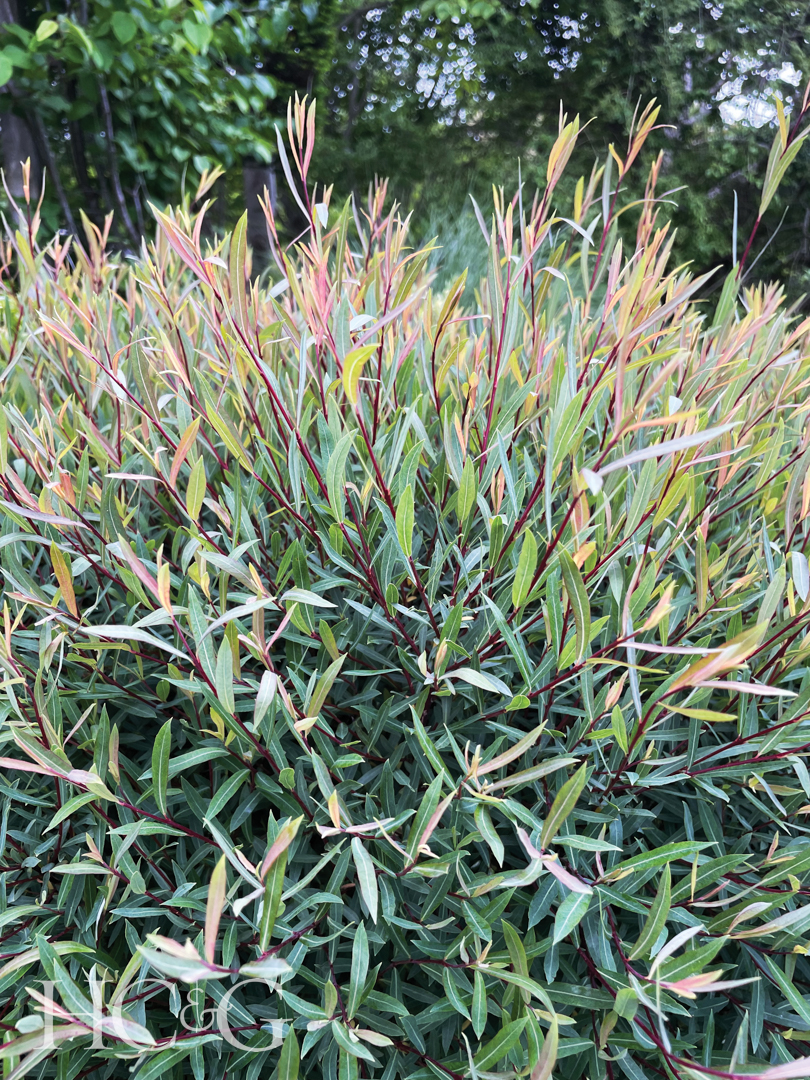
Arctic Willow
(Salix purpurea ‘Canyon Blue’)
Zones: 4–9
Height: 4 feet; width: 4 feet
This willow shrub resembles a soft rosemary bush but is much less finicky and likes moist conditions, as most of its brethren do. Leave it by itself as a stand-alone plant or shear a swath of it into a lovely small hedge.
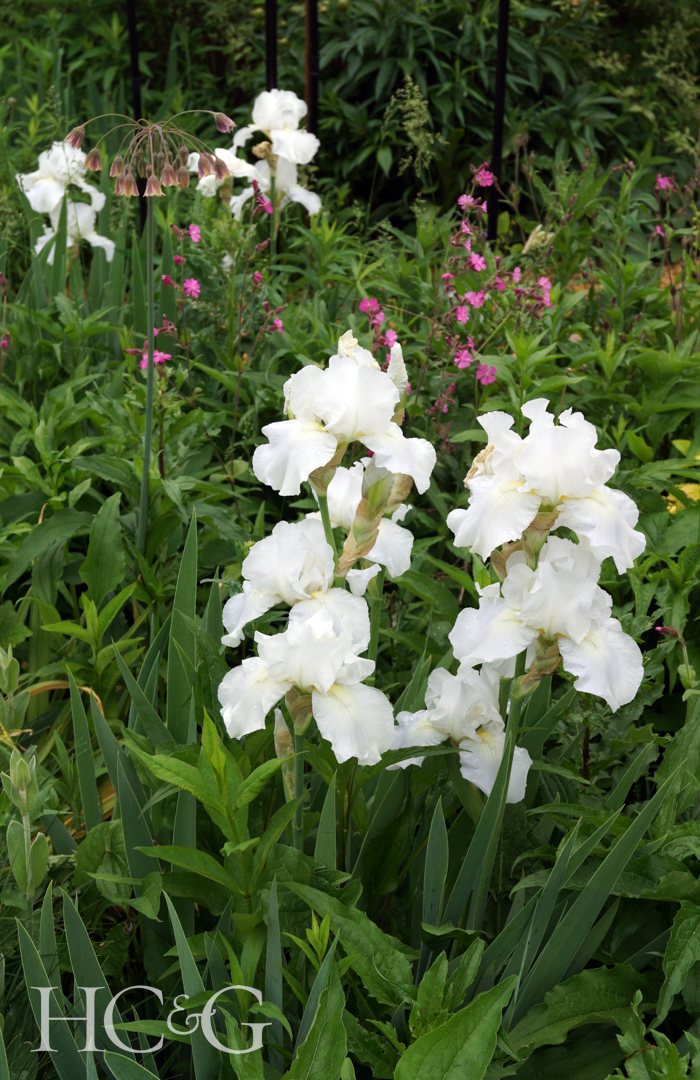
Iris Immortality
(Iris germanica‘Immortality’)
Zones: 3–7
Height: 2 1⁄2 feet; width: 1 foot
Germanica irises are twice the fun, blooming once in late spring and then again in September. Immortality’s flowers are an icy white with a slight bluish cast, which complements their sword-like gray foliage.
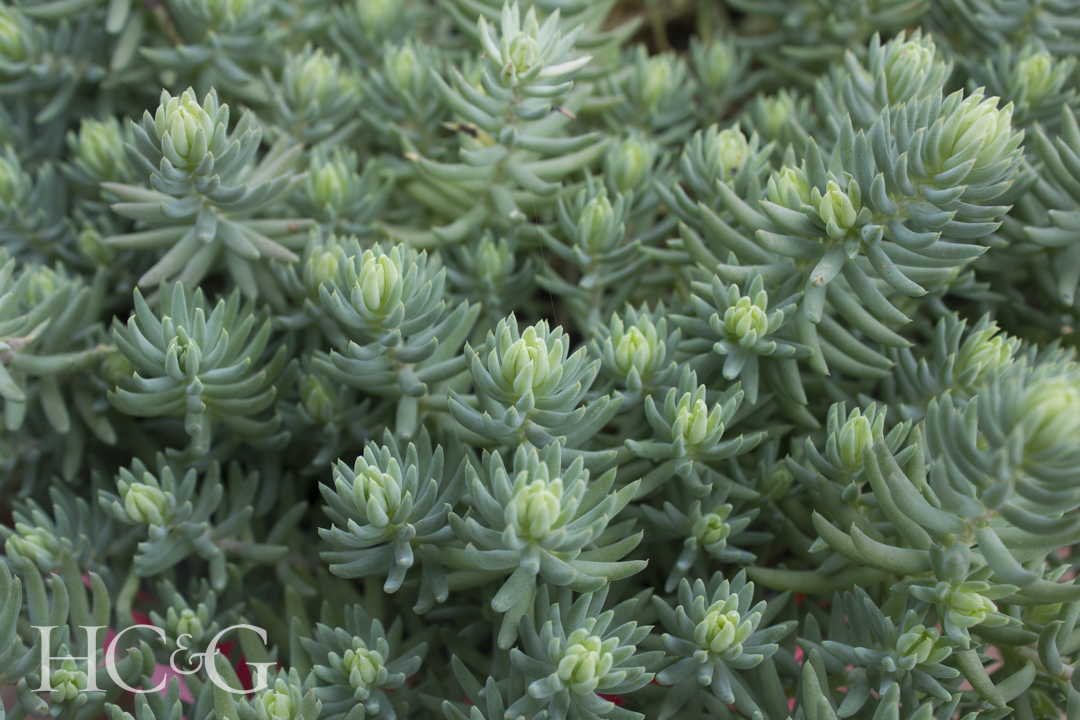
Blue Spruce Sedum
(Sedum ‘Blue Spruce’)
Zones: 4–9
Height: 6–8 inches; width: 1–2 feet
This standout small sedum’s bright yellow flowers attract pollinators in the summer. It makes an ideal evergreen ground cover, is drought tolerant, and looks nice in pots, too.
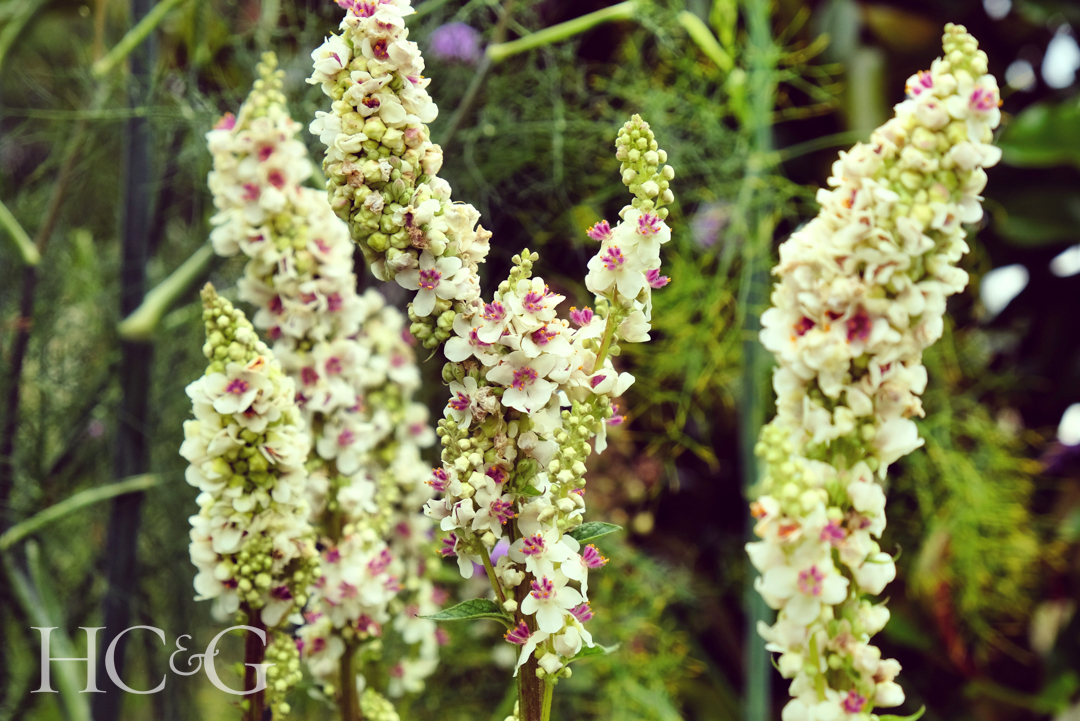
Mullein
(Verbascum chaixii)
Zones: 5–8
Height: 2–3 feet; width: 1 1⁄2–2 feet
A rosette of felty leaves sends up spikes of yellow flowers in the summer. Once it finishes blooming, trim the flowers to encourage more blossoms, but leave a few stems at the end of the season so that seeds develop and you get new plants next year.
Tips
- Most plants featured here prefer dry conditions and require little irrigation.
- Leaves on many dry-weather plants often have gray shades and a fair amount of hairiness, which makes them unattractive to deer.
- A gray foliage garden can potentially look too gray, so be sure to choose plants that flower at different times to perk things up.
- If you prefer to experiment with annuals first, try dusty miller, Dichondra ‘Silver Falls’, and silver sage to see how their shimmery tones work for you.
