


WHAT TO GROW NOW | Flowering Shrubs

Cool air and warm soil make early fall one of the best times to plant flowering shrubs. Many of the best choices are naturally compact, making them ideal for balconies and smaller gardens, where they provide color and four-season appeal. Just make sure the shrubs have well-drained soil, consistent moisture, and a four-inch mulch to insulate new roots come winter. Some dependable natives for structure and bloom include pollinator-friendly potentilla, aka shrubby cinquefoil (Dasiphora fruticosa), a heat- and drought-tolerant shrub that sports yellow, white, or pink blooms well into fall. Shrubby St. John’s Wort (Hypericum prolificum) offers four-season interest, with sunny yellow blooms, foliage that turns orange-red in autumn, and persistent winter seed capsules. For airy white midsummer flowers that draw bees and butterflies, plant meadowsweet (Spiraea alba). Steeplebush (Spiraea tomentosa) bears spires of pink in late summer and seedheads that linger into autumn. Common buttonbush (Cephalanthus occidentalis) thrives in wetter conditions and boasts honey-scented white flowers butterflies find irresistible. If supporting pollinators and birds is a priority, turn to all-stars like fothergilla (Fothergilla gardenii), which attracts early-season pollinators with fragrant spring bottlebrush flowers and ends the year with fiery foliage. A compact native, New Jersey tea (Ceanothus americanus) feeds pollinators and is a host plant for several butterflies. Count on highbush blueberry (Vaccinium corymbosum) for bell-shaped spring blossoms, sweet midsummer berries, and vivid scarlet autumn leaves. —Monica Michael Willis
A SWEET SCENT

Handmade by Santa Maria Novella, a centuries old perfumery and herbalist shop in Florence, Tabacco Toscano Scented Wax Tablets are infused with Tuscan hibiscus and myrtle. Woodsy with notes of amber and leather, the botanical tablets perfume drawers, closets, and linens—and make excellent hostess gifts. A box of two costs $38 at alderandcoshop.com.
SAVE THE DATE
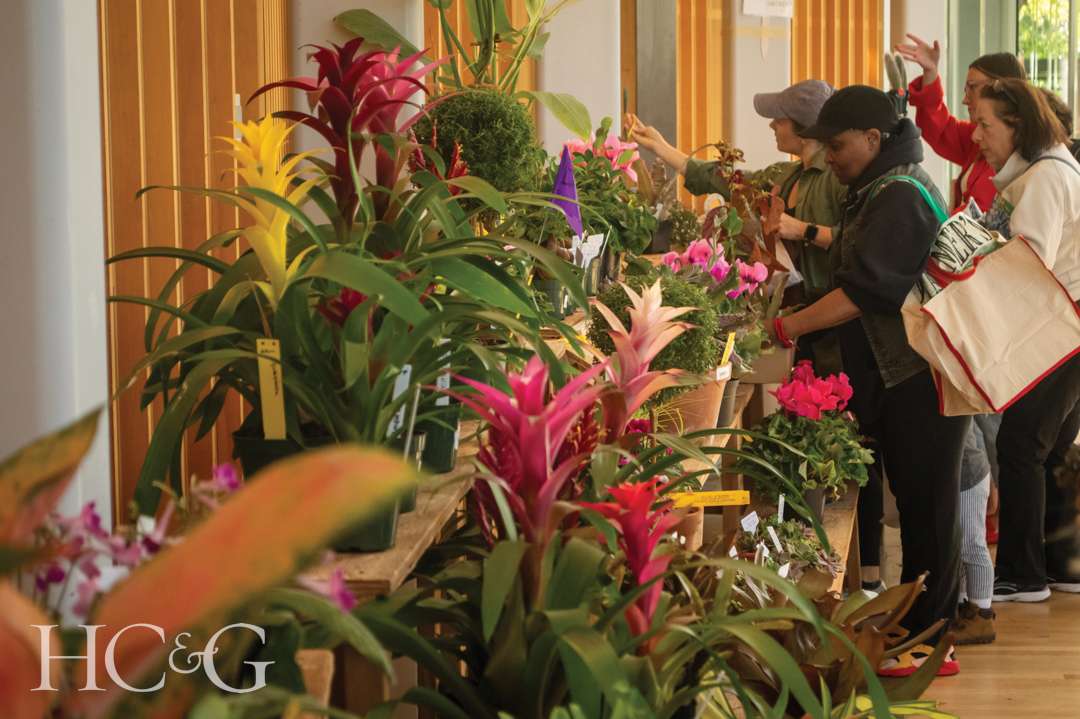
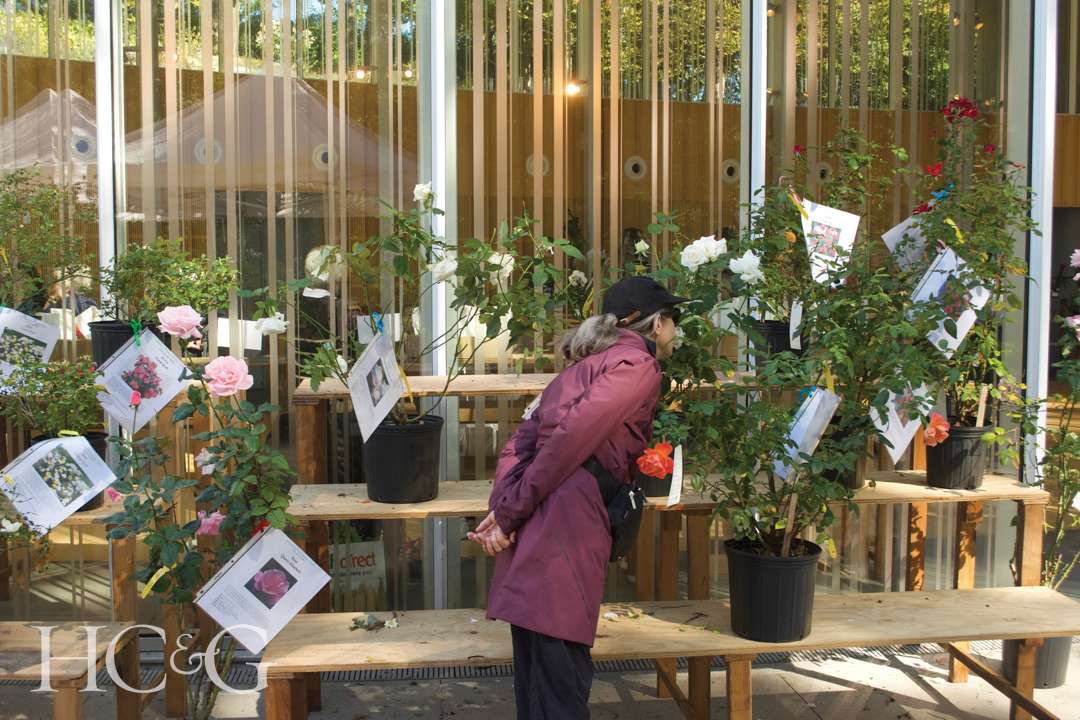
Shop native trees and shrubs alongside dazzling bulbs, orchids, succulents, and tropicals at the Brooklyn Botanic Garden’s Fall Plant Sale on October 15 (4 to 7pm) and 16 (10am to 2pm Visit bbg.org for tickets: They’re free but required— and include same-day admission to the garden.
A GOOD READ | Gardens with international inspiration.

At the cutting edge of green architecture, Japanese architect Koichi Takada believes our obsession with building taller and taller is outdated.
In Koichi Takada: Naturalizing Architecture (Rizzoli; $75), author Philip Jodido delves into the Sydney-based architect’s most innovative new projects, all designed to foster connection to nature and push the boundaries of sustainable design.
Highlights include Italy’s Sunflower House, whose roof and floors rotate with the sun to maximize comfort and minimize energy use, while its compact base safeguards against future flooding and exerts minimal pressure on local biodiversity.

Another standout is Brisbane’s Urban Forest, a 30-story luxury tower with 382 apartments that Takada hopes will be the world’s greenest residential building when completed. The design incorporates natural cross ventilation, solar panels, rainwater catchment, an urban farm, bi-level roof garden, and open public park at ground level. Its façade will support a cinematic sward of 27,000 native plants and 827 trees to help cool the structure and sink carbon. But Takada’s work is not just about making buildings look natural. “It’s about creating positive environmental change in the homes we live in, the neighborhoods we work and play in, and ultimately the planet we are privileged to inhabit.” —M.M.W.
