


Privet, privet everywhere! Contributing Editor Alejandro Saralegui chats with Landscape Architect Michael Derrig, founder of Landscape Details, about this most popular plant on the East End.

HC&G: When is the best time to shear privet?
Michael Derrig: As a rule, once the new growth hardens off, roughly May 20 through July 15 for the first cut. Privet is a continual grower, so it will need second cut sometime between July 15 through September 1. Privet does have a very fragrant flower, which normally blooms around mid-July. Some homeowners do like to wait longer for their hedge trimming so they can enjoy the scent.
Is there an ideal fertilizer to use to feed privet?
M.D.: Traditionally privet is fed with a 14-14-14 general fertilizer in early spring, but it’s best to use an organic fertilizer to protect our soils and waterways; however, the results won’t be as fast.
What’s the best location for planting privet in the garden?
M.D.: Generally, privet likes well- drained soil and prefers to be in the sun most of the day. A heavily-shaded location will make the privet thinout and decline.

How do you rejuvenate an old, overgrown hedge?
M.D.: You can cut privet back pretty hard. For a true renovation of a hedge that has outgrown its space or is splitting, cut it back to old hard wood in late fall or early spring. For this job, it’s always best to prune with clean, sharp loppers or chainsaw. If you simply want to trim a hedge back more than normal, this can be done with a clean, sharp hedge trimmer at any time.

Shrub Style
Whether you like your privet razor sharp and tall, like in Southampton, or barely there, as in Sagaponack, here are some privet lessons. There are several varieties of privet from which to choose that can make your hedge more distinctive. And there are numerous ways to shape it as Perry Guillot illustrated in his 2004 book, Privet Lives: An Imaginary Tale of Southampton’s Iconic Shrub. Here are a few to try now that the East End is classified by the USDA as Zone 7 for plant hardiness:

Ligustrum japonica ‘Rotundifolium’ A compact, slow-growing, evergreen privet.
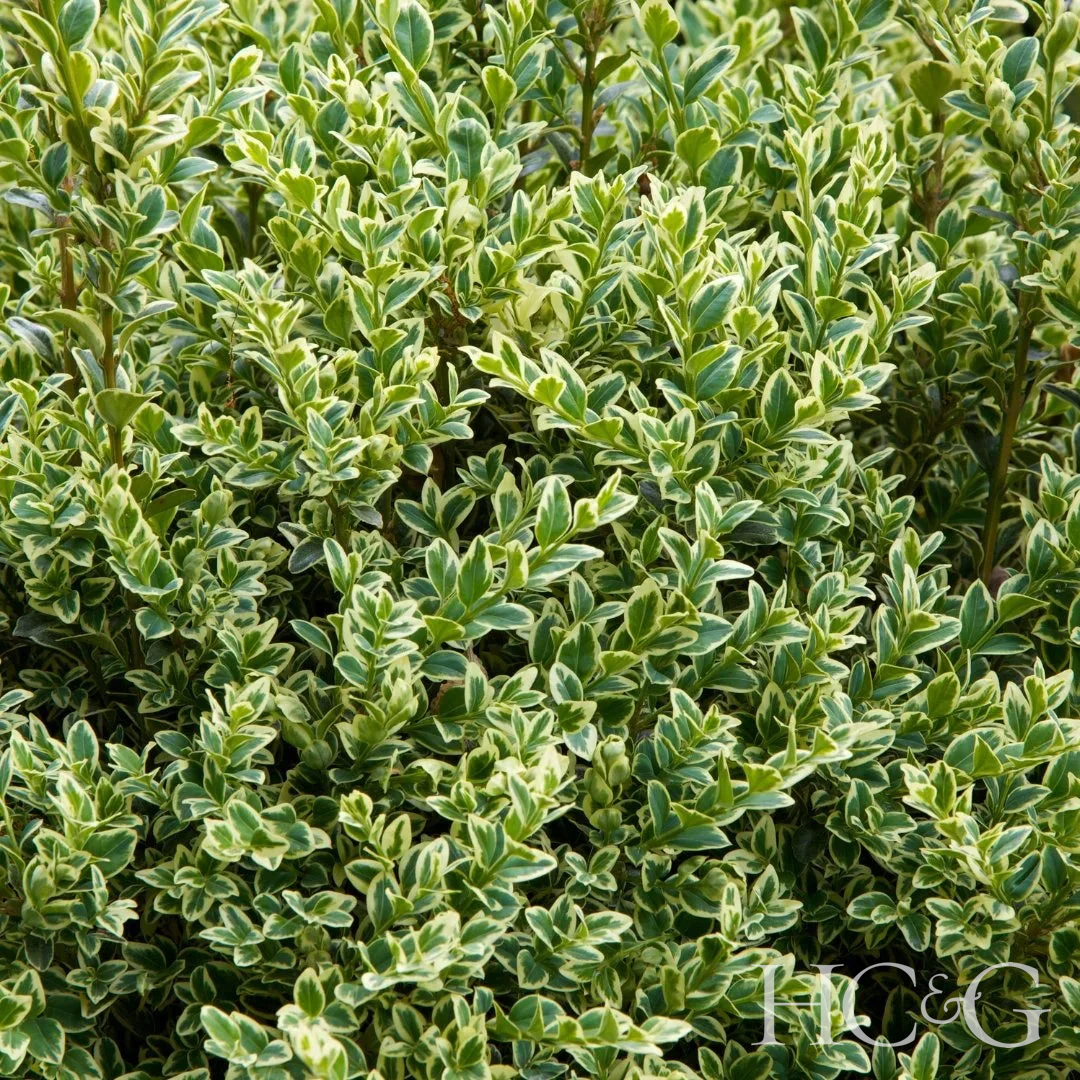
Ligustrum japonicum ‘Jack Frost’ The variegation in the leaves adds a bit of sparkle in the landscape. Photography by Plant It Tampa Bay
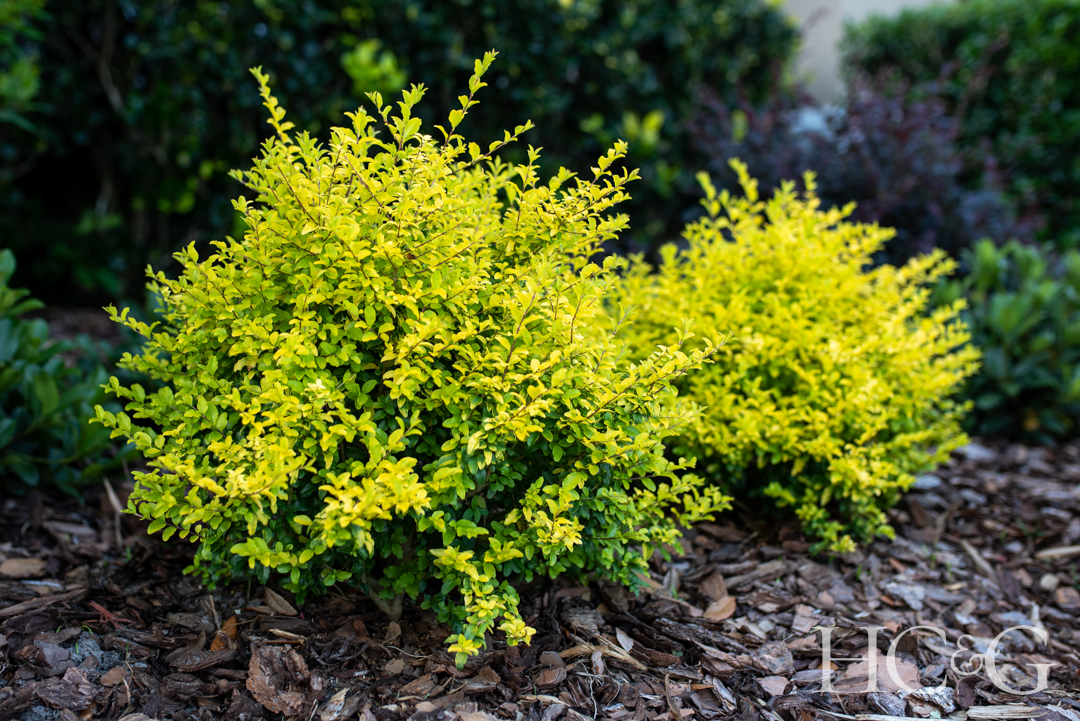
Ligustrum sinensis ‘Sunshine’ A shorter privet with bright yellow leaves in full sun.
