


Perish the thought of dust collectors and frayed macramé: Indoor plants can be joyously uplifting during the wintertime, offering a fresh blast of green and a supplemental bit of oxygen, too. Consider the following to brighten up your cocktail table or a neglected corner.
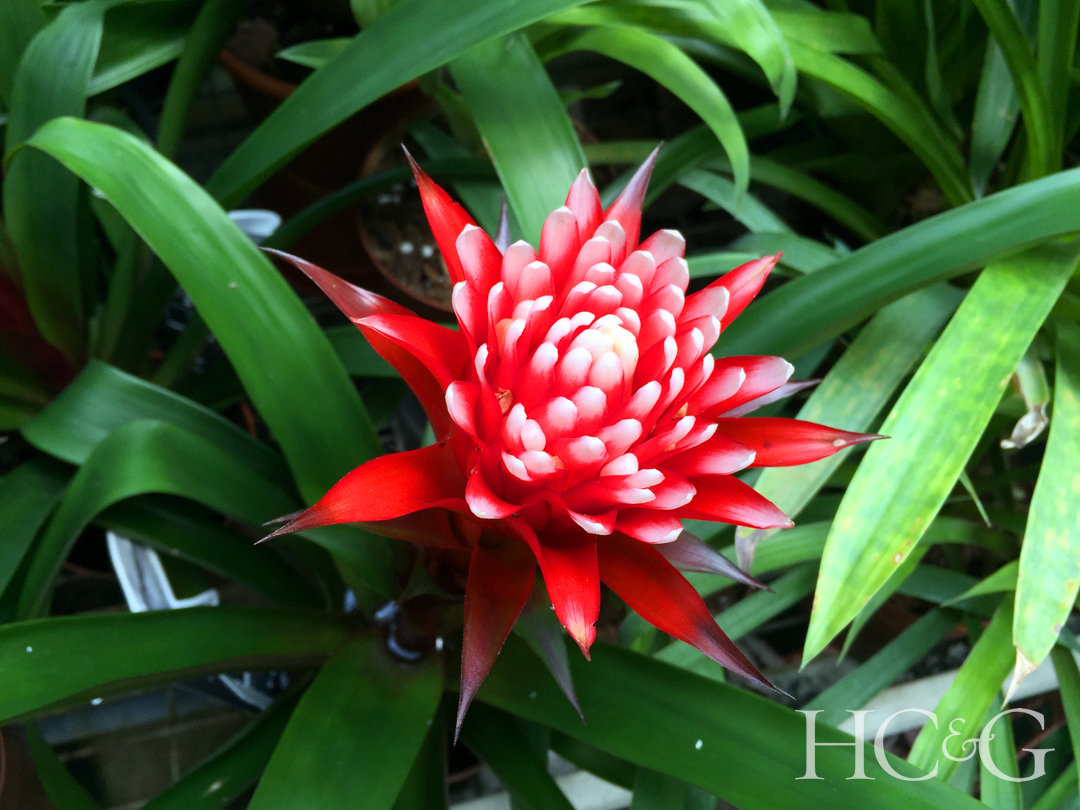
RED BROMELIAD
(Guzmania ‘Hope’)
Exposure: Indirect light
The blooms on this bright bromeliad can last up to six months, and what’s not to love about that? It thrives in indirect light, so just a few hours daily of eastern or western sunlight are more than sufficient. Make sure the central “cup” always has water.
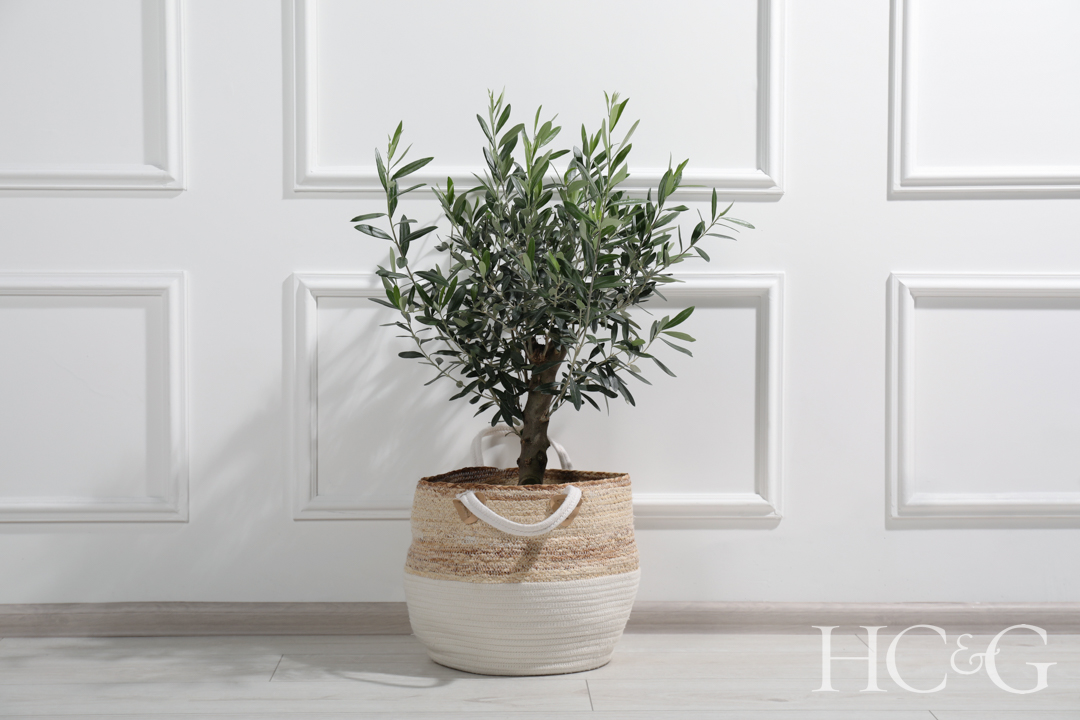
OLIVE TREE STANDARD
(Olea europaea ‘Little Ollie’)
Exposure: Bright sun
Think Greece and the Med with this classic, always satisfying standard that doesn’t produce fruit and generally stops short at six feet, although it’s best to keep it at tabletop height.
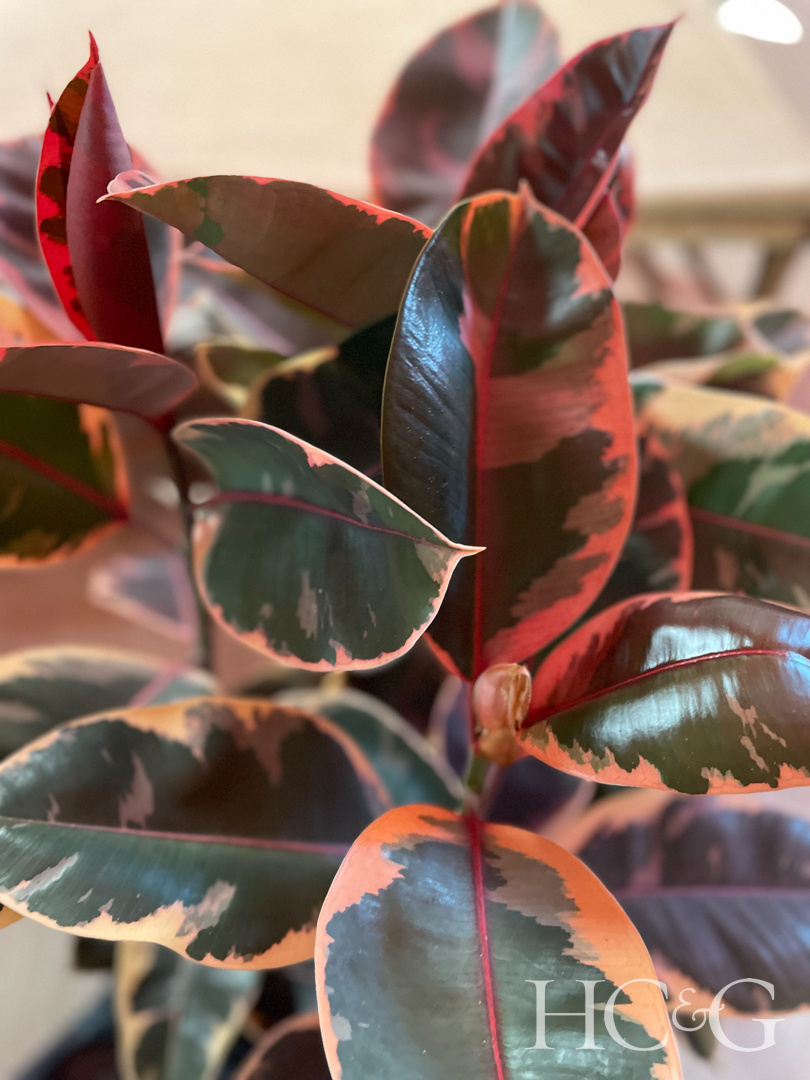
VARIEGATED RUBBER PLANT
(Ficus elastica ‘Ruby’)
Exposure: Bright sun to indirect light
Native to the tropical regions of India and Malaysia, this variegated rubber plant will lend extra panache to your living room, as its cream, pink, red, and green leaves work with virtually any color scheme. If the leaves are pale, the plant isn’t getting enough light.
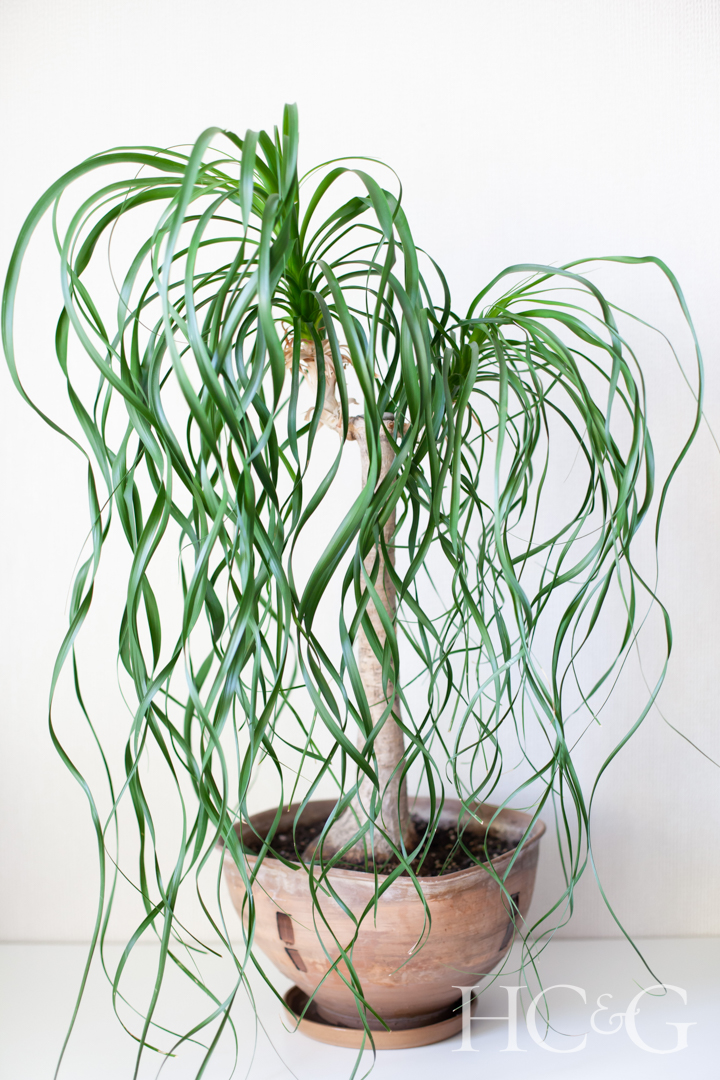
PONYTAIL PALM
(Beaucarnea recurvata)
Exposure: Bright sun
The caudex, or bulbous part, at the bottom of this palm’s trunk is where the plant stores water—so no worries if you tend to forget to water regularly or aren’t at home very often. A native of Mexico and distant agave relative, it can grow to four feet indoors. It’s also great outdoors in the summer, as long as you keep it out of direct sun.
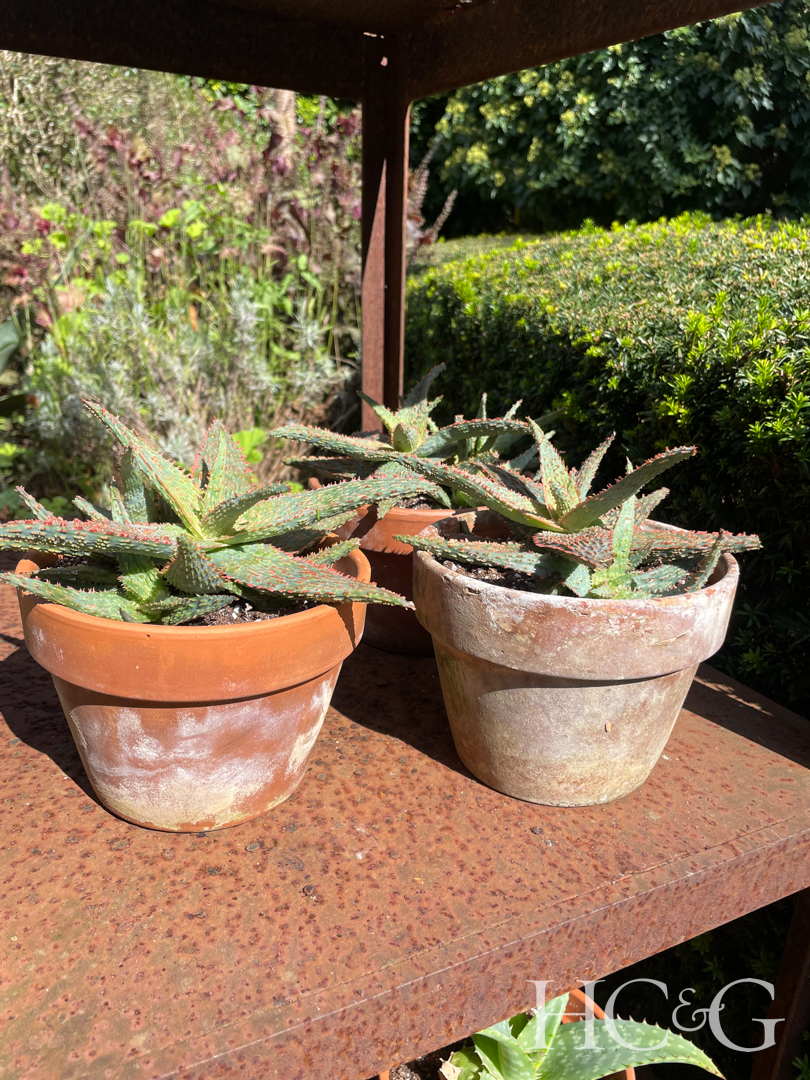
ALOE MARMALADE
(Aloe ‘Orange Marmalade’)
Exposure: Bright sun
This little aloe gets its name from the distinctive orange bumps on its bluish leaves, a color that intensifies further if the plant gets too much sun or not enough water. When positioned in the right spot, in autumn or winter, it will send up a gorgeous spike of salmon-colored flowers.
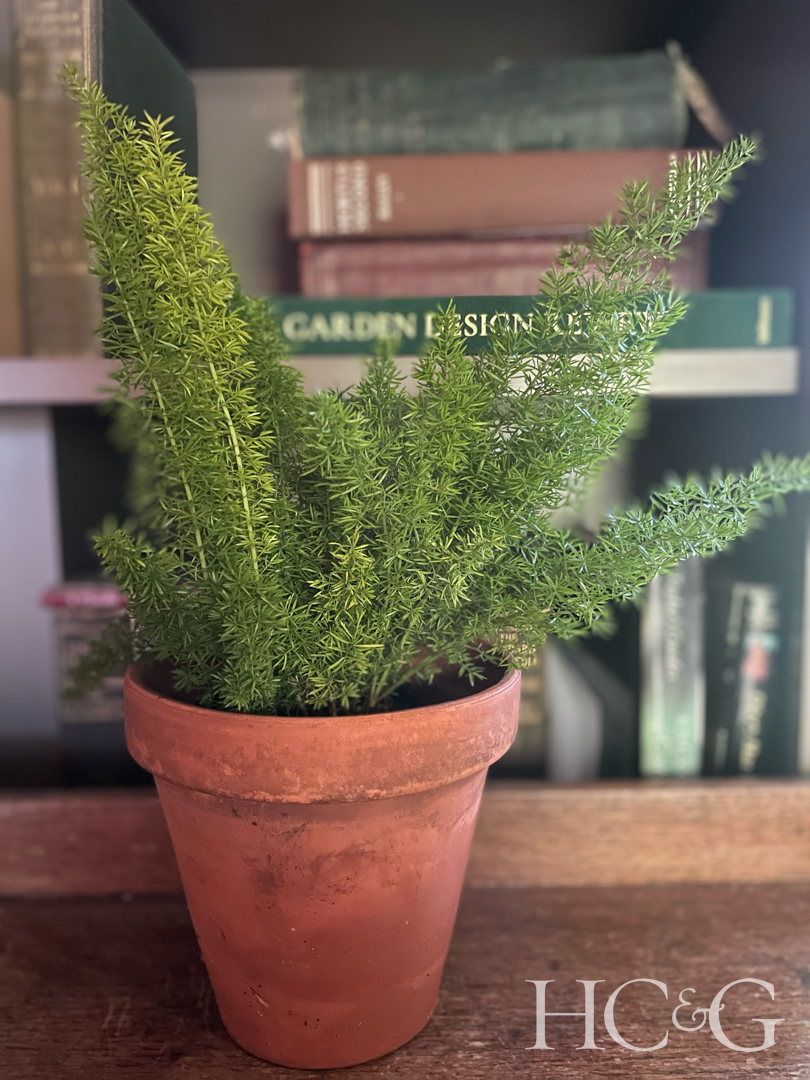
FOXTAIL FERN
(Asparagus densiflorus ‘Myers’)
Exposure: Partial sun
A more elegant, compact form of asparagus fern, this variety looks great in a cachepot on any tabletop, with feathery bright chartreuse foliage that always looks fresh. Caution: All parts of this plant are toxic to humans and pets.
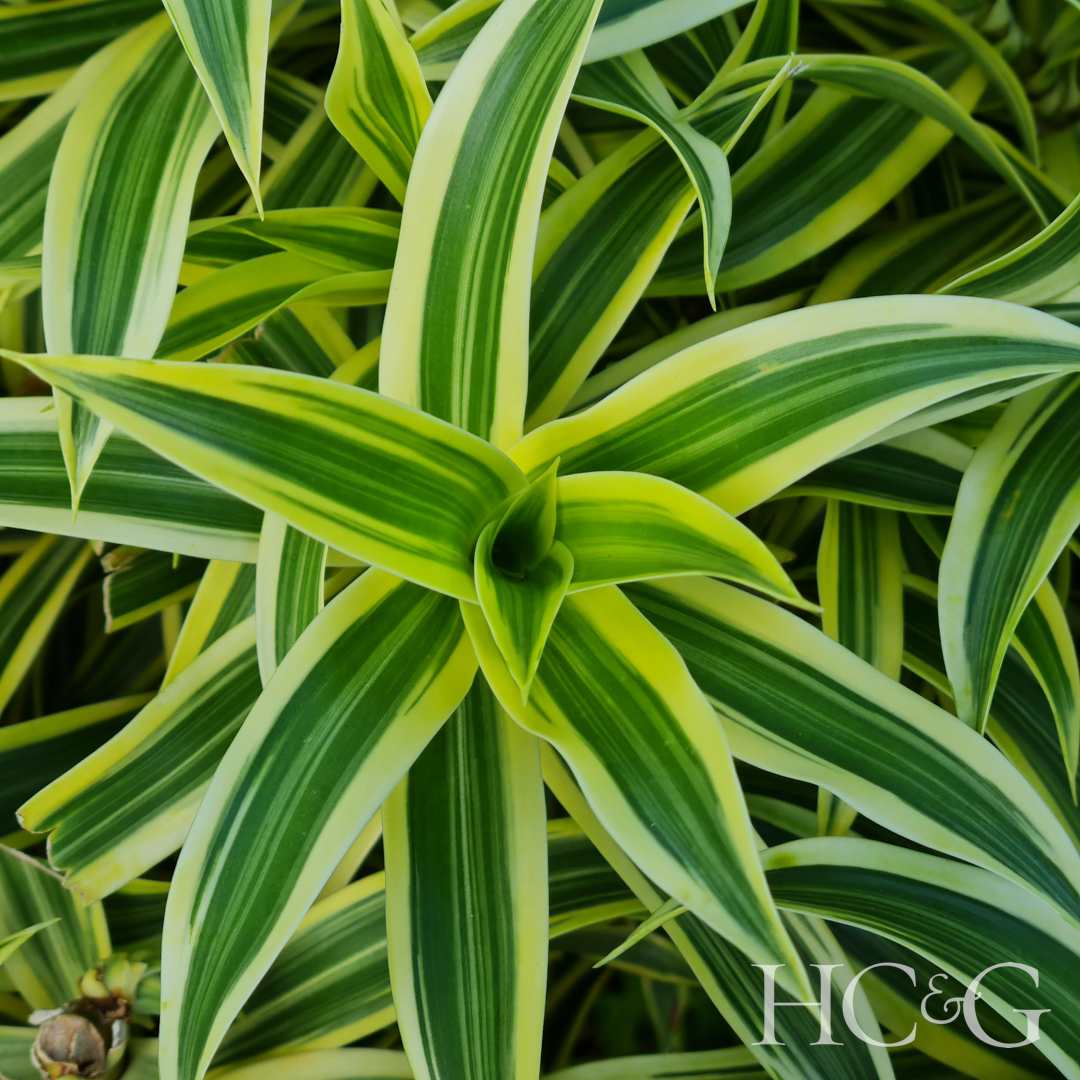
VARIEGATED DRACAENA
(Dracaena reflexa ‘Variegata’)
Exposure: Indirect light
A slow grower, this dracaena can reach up to six feet indoors and ranges in variegation from cream and green to bright chartreuse. Note that, like foxtail fern, dracaena is toxic to dogs and cats.
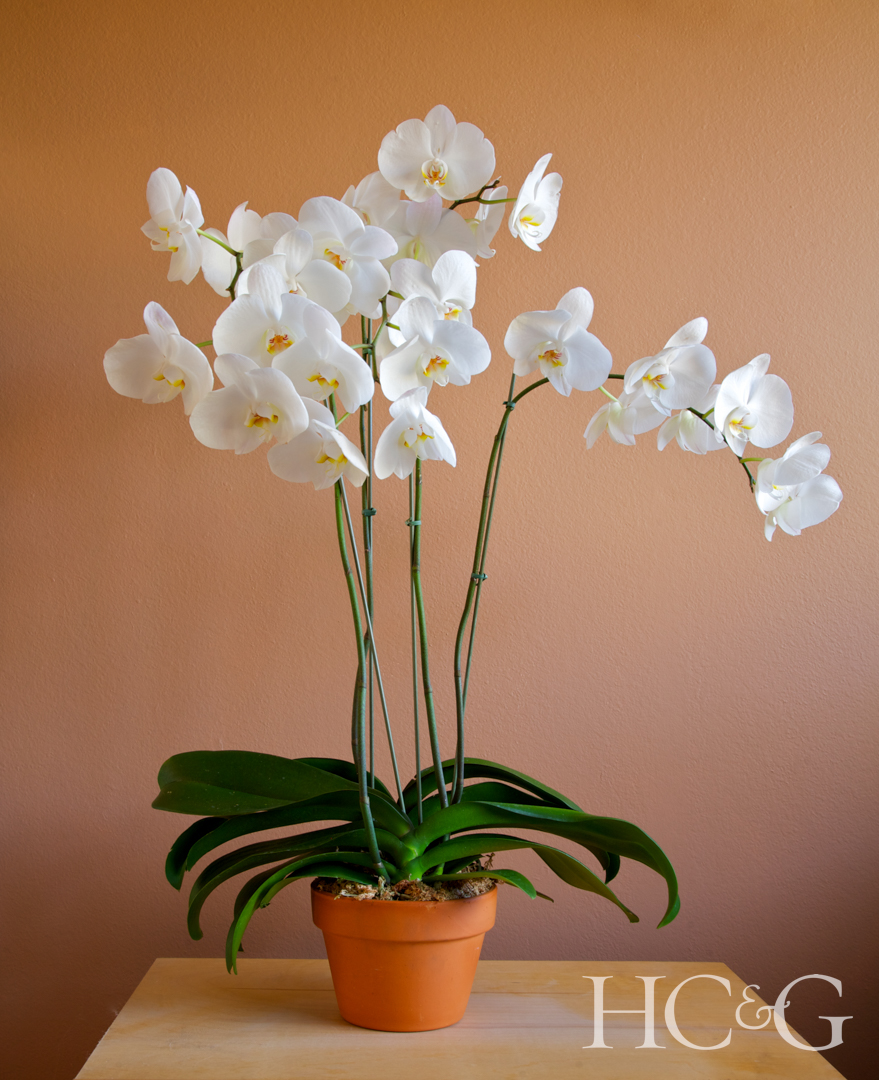
WHITE MOTH ORCHID
(Phalaenopsis amabilis)
Exposure: Indirect light
The workhorses of well-decorated rooms everywhere, white moth orchids send out stems of velvety white flowers that can last up to four months. After the blossoms have faded, cut the stem just above a bud node, and a new branch of flowers will grow from there.
Tips
- Indoor plants, particularly those with large leaves, will appreciate a dusting now and then. Dust inhibits a plant’s ability to breathe and absorb light for photosynthesis.
- Orchids with wrinkled foliage need more water. On average, water orchids once a week.
- Most indoor plants can benefit from a light feeding of fish emulsion in the spring and summer.
- Fast-growing rubber plants need lots of energy to keep going. If yours is fading, repot it in fresh soil.
- As a rule, repot an indoor plant in a vessel that’s not more than two inches in diameter larger than the one preceding it.
