


WHAT TO GROW NOW | Clover

If you’re tired of the constant upkeep and endless watering and mowing a grassy lawn requires, you’re not alone. It’s why many East Enders are ditching turfgrass for low-maintenance, eco-friendly clover. A winsome, easy-to-grow groundcover with delicate white blooms, clover takes root rapidly from seed, creating a cushy green carpet perfect for summer afternoons spent barefoot in the garden. A member of the legume family, clover fixes its own nitrogen, suppresses weeds, and requires no added fertilizers or herbicides. It’s also drought-resistant, requiring less than one-fifth of the water of turfgrass. And—drum roll—it only needs to be mown two to four times a year. Possible caveats: Clover doesn’t rebound as quickly as turfgrass in high traffic areas and can attract bees when flowering. For Hampton lawns, plant classic white clover (Trifolium repens) or a low-growing micro-clover, such as ‘Pirouette’ and ‘Pipolina.’ For coastal sites, consider strawberry clover (Trifolium fragiferum), which tolerates slightly salty soil and helps stem erosion. Prefer a yard without the buzz of bees? Earthwise Seed Co.’s non-GMO Ultimate Clover Lawn Mix is specially formulated to reduce flowering. — Monica Michael Willis
ASK AN EXPERT
Roxanne Zimmer, a horticulture educator with Cornell Cooperative Extension (CCE) in Suffolk County, explains why compost is a win-win for gardens—and the planet

Who should compost?
Ideally, everyone with a yard. “At least a third of the waste that ends up in America’s overburdened landfills is organic matter that could have been transformed into a wonderful soil amendment via composting,” notes Zimmer.
Isn’t compost just dirt?
Nope. “It’s the nutrient- rich end-product decomposition of organic matter, such as kitchen scraps and yard clippings,” says Zimmer. “Used in the garden, dark, crumbly compost boosts soil fertility, helps sandy soil retain more moisture, and slowly releases nutrients that feed beneficial microbes and organisms like bacteria, fungi, and earthworms.”
How do you “make” it?
“A good way to start is to create a leaf pile on your property and do nothing other than let it decompose. It takes a while but composted leaves are garden gold,” promises Zimmer. Want compost faster? Zimmer recommends combining three parts brown carbon-rich matter, such as shredded leaves and wood chips, with one part nitrogen-rich green matter—vegetable scraps, coffee grounds, eggshells, grass clippings, even seaweed—in a bin or container that’s three-feet wide, long, and tall. Give the pile a couple of turns at least once a week with a shovel to introduce oxygen and aerate, then wait for the mix to heat up (160°F is ideal). If all goes well, you could have rich, black compost for your garden in as little as two to five months.
Want to learn more?
Watch Zimmer’s Magic of Compost video on YouTube. You can also download Cornell’s Home Composting guide or sign up for a free composting workshop at ccesuffolk.org. —M.M.W.
SECRET GARDENS
On September 13, several private Hamptons gardens, including Marshouse, esteemed landscape designer Edwina von Gol’s naturalistic, four-plus-acre property in East Hampton, and Yugen, a 20-acre, Asian-inspired moss garden in Sag Harbor, will be open for touring during the nonprofit Garden Conservancy’s Open Days. Tickets, a bargain at $10 per location, are limited and often sell out.
GARDEN FINDS
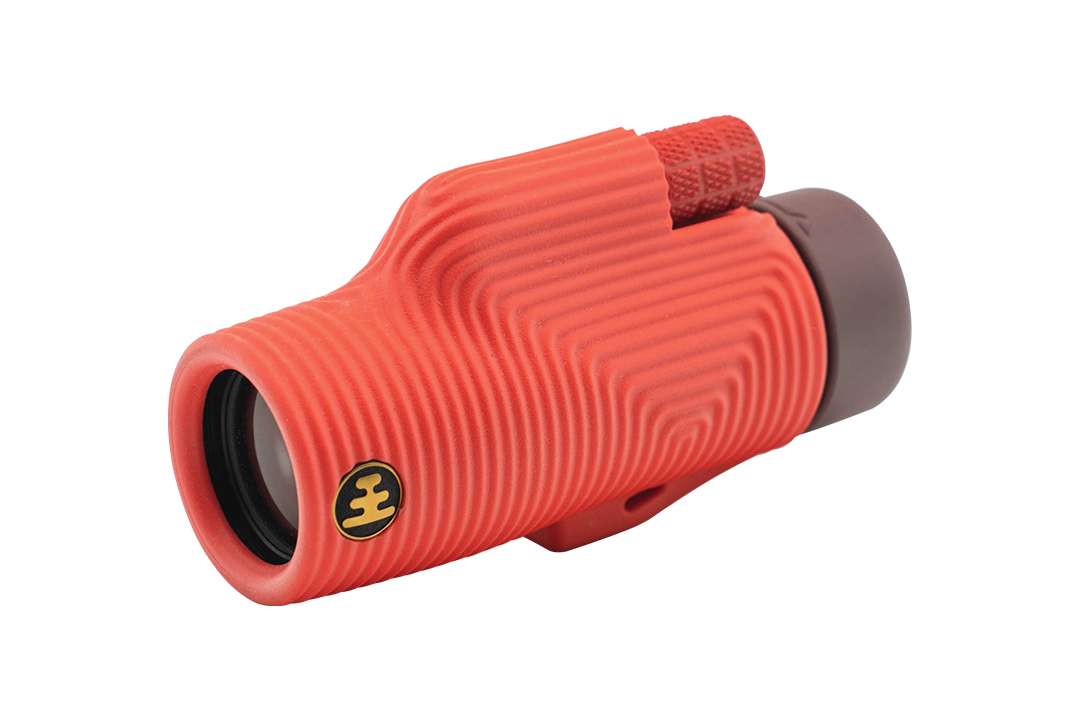
EYE SPY
Small enough to fit in a back pocket, Noc Provision’s lightweight, easy-to-focus Zoom Tube 32mm Monocular makes identifying birds and spotting wildlife in the garden a snap; $75.
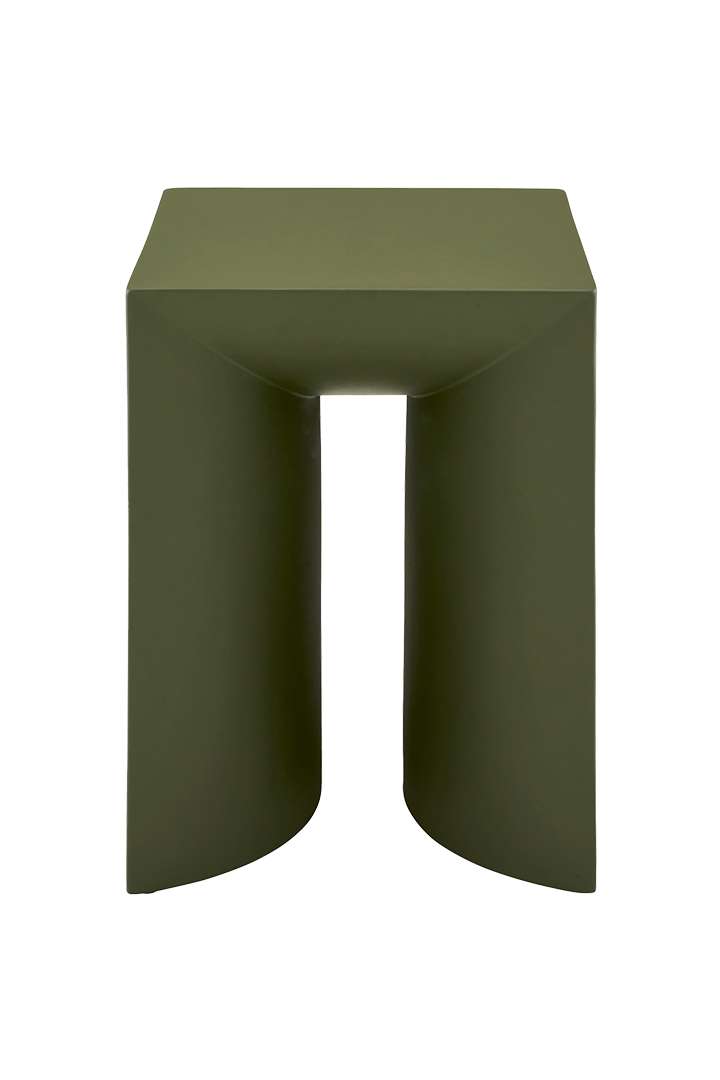
SIT A SPELL
The Porte stool, designed by Andreas Kowalewski for Ligne Roset, is an enameled stoneware piece that’s resistant to bad weather, UV rays, and temperature changes. Sophisticated and modern, Porte is made to accommodate a variety of uses as an extra seat, footrest, or even a side table, providing remarkable versatility to meet your outdoor needs.
