


C&G: Hydrangeas are the unofficial flower of the Hamptons. Why are they so beloved?
PAIGE ST. JOHN PATTERSON, garden writer, consultant, and plant specialist at Marders: Hydrangeas are low-maintenance flowers that bloom beautifully as long as they have good growing conditions. Pick the right one for your garden, and you’ll be happy.

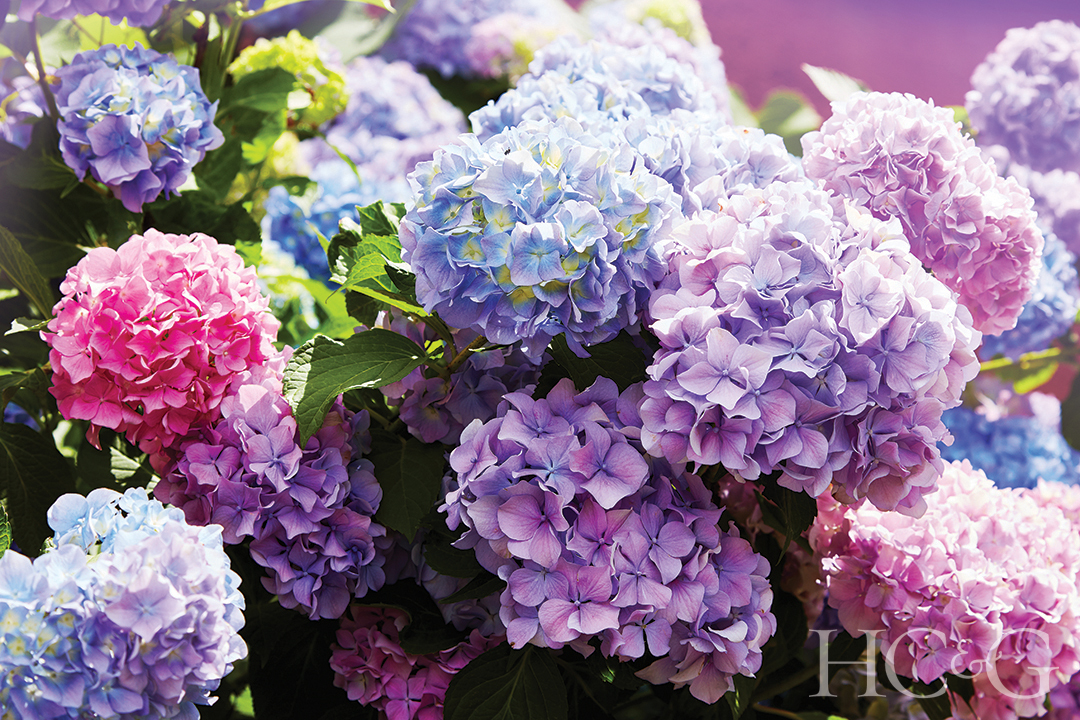
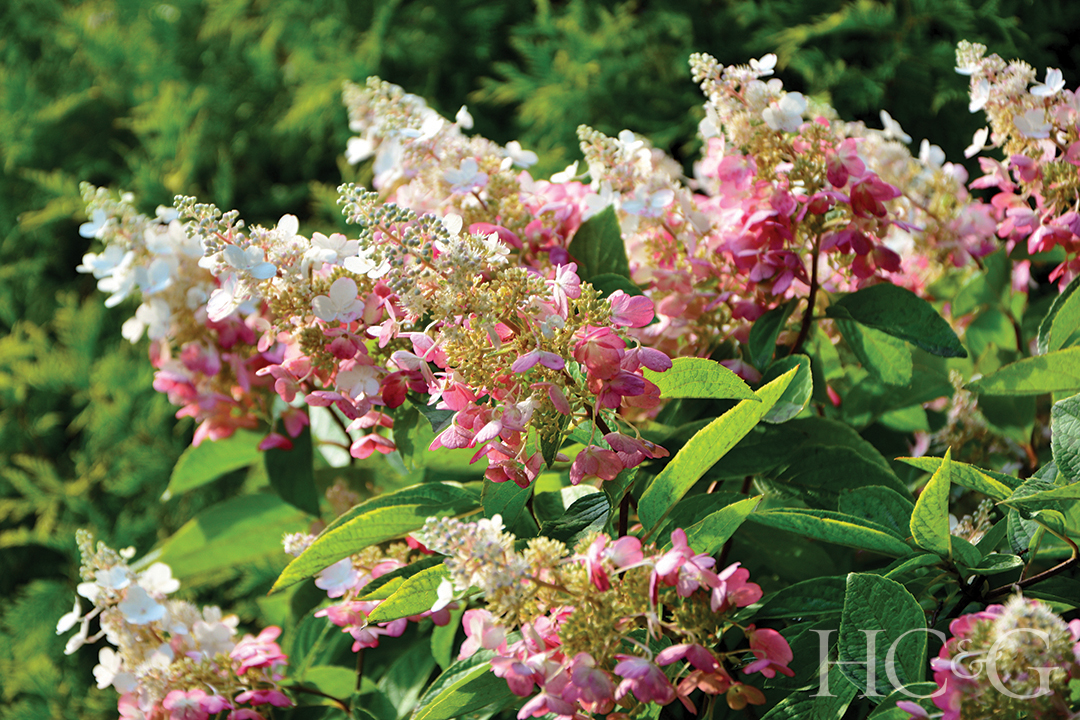
C&G: Which hydrangeas do plant collectors gravitate toward? PAIGE ST. JOHN PATTERSON: I wouldn’t recommend the very rare ones, but then again, I have 125 at my home! This year one of the rarest I have is an H. paniculata that looks like a ‘Tardiva’ on steroids. Called ‘Passionate’, it has a much bigger truss, which is the technical term for the flowerhead. It is off-the-hook gorgeous. And I’m just planting a new one called ‘Summer Crush’, from the Endless Summer series. In terms of basic hydrangeas, those from the Let’s Dance series have good, deep color and grow three to four feet tall. Endless Summer hydrangeas bloom on old growth and new growth in the spring, so you get two waves of flowering, whereas those from the Let’s Dance and Forever and Ever series bloom on old wood with multiple points on one stem, starting from the tips down to the lower branches.

- Don’t prune macrophyllas or serratas. If a plant is too big, then move it, rather than prune it.
- ‘Annabelles’ and paniculata types should be pruned in March before they start greening up. Cut back just the deadwood on other plants at this time, too.
- Feeding plants just once a year will suffice. If you want to change the color on the macrophyllas and serratas, use Holly-tone to turn them blue and Plant-tone to turn them pink.
- Watering should not be an issue if you plant a hydrangea in the right location. Macrophyllas need lots of water if you plant them in the sun.
- If you have deep shade, consider planting ‘Bluebird’, a lace-cap serrata.