


David Mann, the architect behind MR Architecture + Decor is no stranger to beautiful spaces. After all, he has been designing them for years. And not just homes, either. “The firm’s scope of work extends from ground-up construction and renovation to interior architecture, design and decoration for residential, retail and commercial spaces,” Mann shares of his 20-person team. While it is not uncommon for Mann and his New York City-based firm to design stunning residences out East or in the city, they are also responsible for a number of stores you may have stepped foot into: Tory Burch, 3.1 Phillip Lim, and Lanvin, among others. “I do not have a preference for which types of projects we take on. For me, it’s more about the people involved with the project,” Mann says. MR Architecture + Decor has a furniture collaboration with Maison Gerard and a book that displays the firm’s wide range of projects. Read on to learn more about Mann and MR Architecture + Decor.

How has the field of architecture changed since you started your practice in 1995?
DM: The biggest change may have to do with the level of bureaucracy and red tape required to accomplish anything. There are good reasons for it, but the level of change is staggering, with insurance companies and lawsuits stifling a lot of creativity. Obviously, the cost of doing anything has risen dramatically as well. One positive change is that today, thanks to the internet, we are able to source from a global pool of materials, furnishings, etc. When I started out, it wasn’t uncommon to go to Paris or London on “buying” excursions with clients. These days, travel is not as necessary and market values on goods are easier to verify. I travel now for other reasons, like fun and leisure.
What has been your favorite advancement?
DM: LED lighting. The most obvious benefit today is that it is a greener/more environmentally friendly option, but there are aesthetic advantages as well. LEDs are great because they require less drop in ceilings and are a lot more attractive than very large, old ceiling cans.

What is the importance of green architecture in 2024?
DM: To ensure the health of our planet and the well-being of future generations, it is crucial that we implement whatever green practices are available to us as often as possible. Within architecture, there are many options both large and small.
How do you implement green architecture into your projects?
DM: We are especially interested in using green materials which include those that are recycled (which reduces waste), those that are non-toxic (which reduces the release of harmful chemicals into the air and water and provides a healthier living environment) and those that are natural (and long-lasting, which in turn means they do not need replacement for many years). In addition, we specify energy-efficient appliances and source them from local vendors so as to reduce our carbon footprint associated with shipping and delivery.

How do you approach a residential project versus a commercial project?
DM: Our process and work structure for a project is the same for both residential and commercial, but in general, residential is much more intensive with more personal emotion and attention from the client. Most of our commercial work is based on a rational set of objectives that conform to a thought-out master plan.
How do you design a space that will be stylish and functional for years to come?
DM: Through the use of materials in an honest and expressive way—one that captures the essential properties of the material. And by being in tune with nature and physics. If we can do this, there is a much greater chance that a design will not ever look trendy or passé.
Do you prefer working on a renovation or a new-build?
DM: I prefer a new-build, but feel that I can be more environmentally responsible with renovations. I love the idea of reusing something that exists and transforming it. New-build is, by nature, a much more complete vision. Every molecule is yours. In the end, everything is unified. It is one voice, one holistic expression.
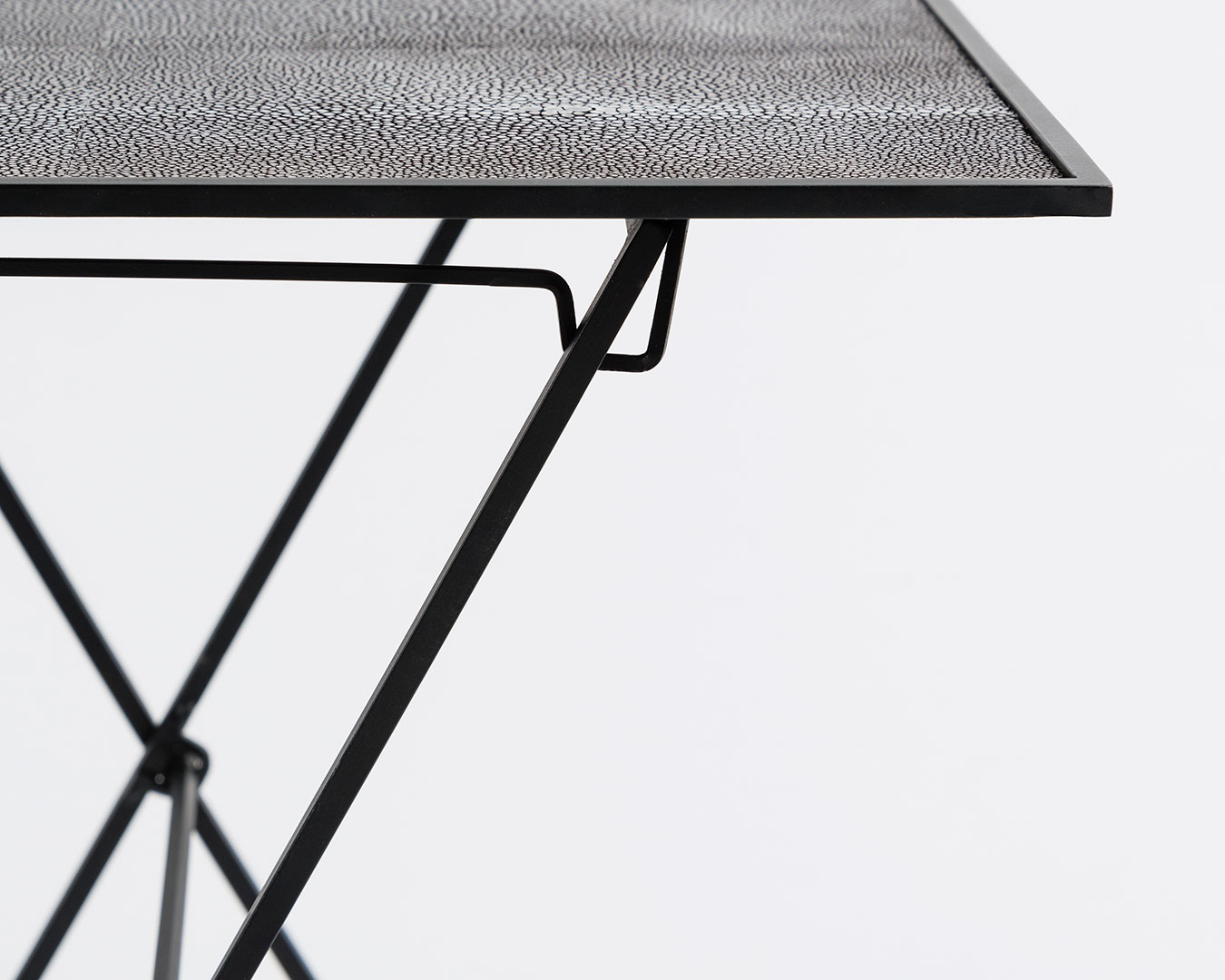
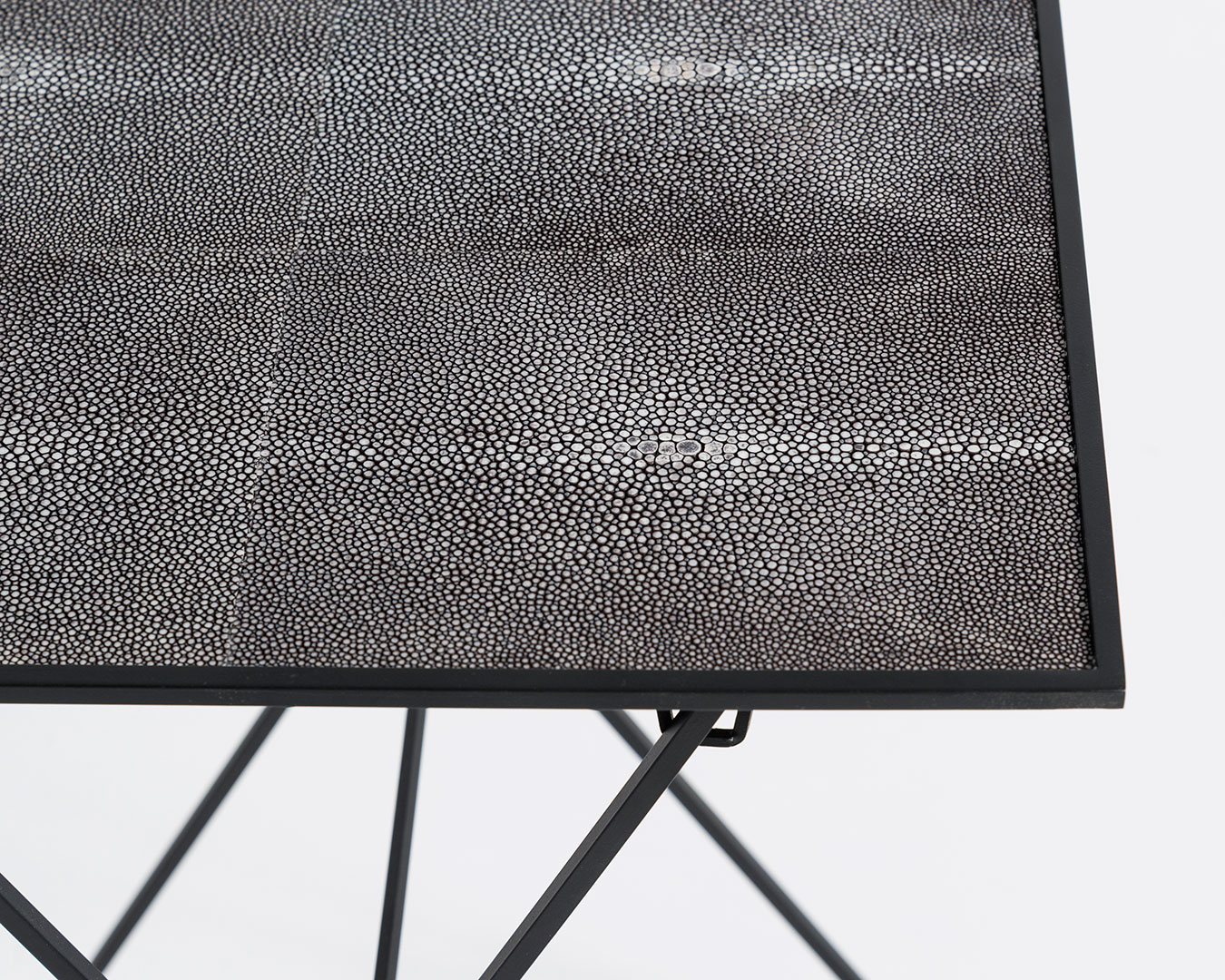
Do you have a favorite piece in your furniture collection with Maison Gerard?
DM: Our folding tables. I was in a flea market one day years ago, and I saw one of the plastic top aluminum leg folding T.V. tray tables of my youth. I thought: “I could redesign this.” My first client for these was Takashimaya. To this day, I frequently see them in shelter magazine stories.
If you could work on a project anywhere in the world, where would it be?
DM: Upstate New York. In my youth, I spent my summers in the western suburbs of Philadelphia. The landscape of upstate New York is physically similar, but even better than the landscape that I loved and felt in tune with during my early years. The gently rolling hills, the stately old trees and expanses of open space all make upstate my favorite place to build.
