


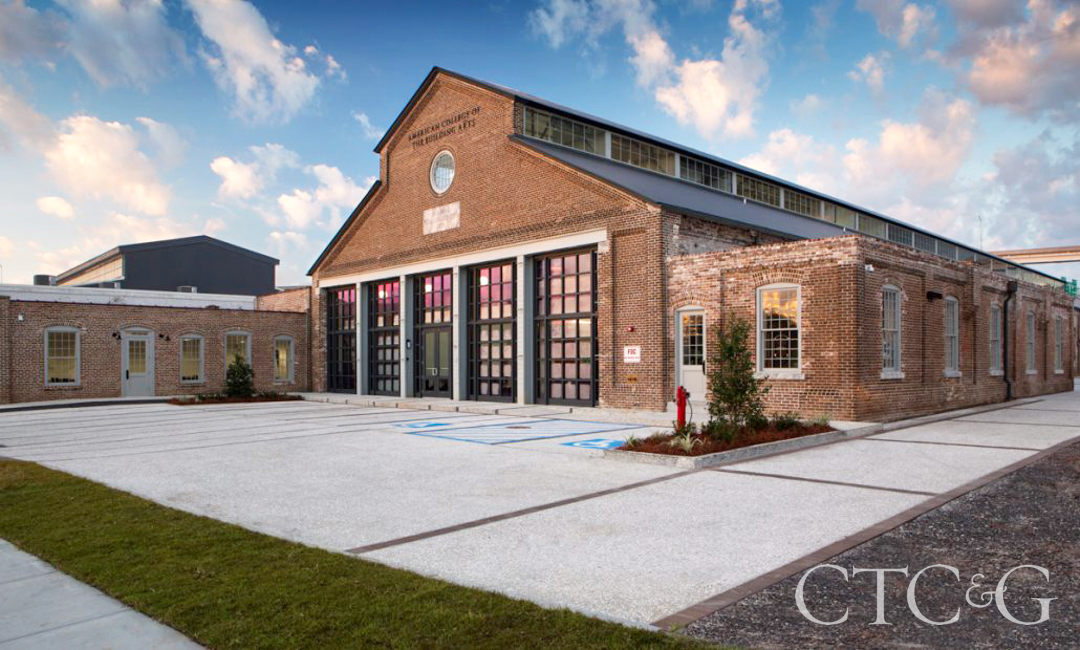
While traditional colleges focus on liberal arts and science, students at the American College of the Building Arts (ACBA) learn those disciplines—earning a four-year Bachelor of Applied Science degree—while perfecting hands-on abilities to preserve, restore, rehabilitate, build architecturally significant structures. The school traces its founding in part to Hurricane Hugo. When extensive damage from the 1989 Category 5 tropical cyclone highlighted the need for artisans to repair the wealth of historic properties in Charleston, South Carolina, local residents assembled a contingent of artisans capable of doing the restorations.
Originally set up along the lines of a trade school, awarding its first degree in 1998, the school was re-founded in 2004 and reconfigured as a proper college adhering to licensing regulations for bachelor’s degrees. The current enrollment of 140 includes men and women from around the country honing their crafts while acquiring broader knowledge. We talked with Wade Razzi, the school’s provost, who is also the college English teacher.
You studied English literature at Oxford University. What attracted you to ACBA?
When I came to interview, I thought it sounded interesting, and I’ve grown to appreciate that what we’re doing is so important.
State licensing stipulates academic studies for a liberal arts degree, but how does that benefit people working with their hands?
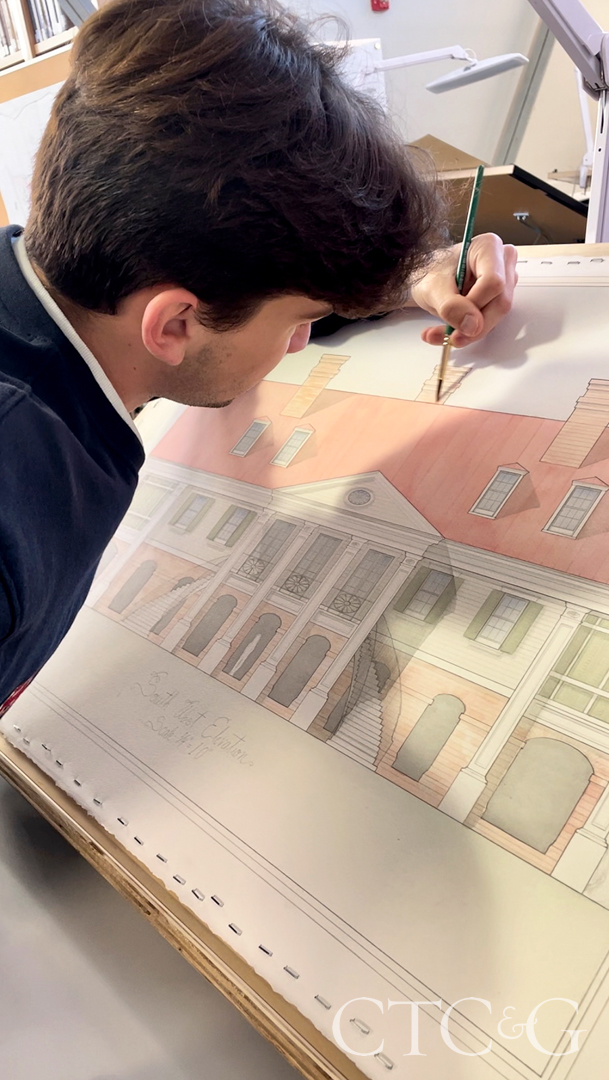
Students gain proficiency in both the trade and academic areas. They can be a carpenter, but can also be doing creative things. They get problem solving and leadership skills. It helps if they start their own business or work for a big firm. They can go on to become a foreman or manager. We use literature as a way to study artistic movements in history. You see the romantic poets moving away from strict formality, incorporating elements of folk art. You start seeing that all the arts work together.
Why is it an unusual approach?
There tended to be a stigma attached to trades—a feeling that people in liberal arts, desk jobs, were a little bit smarter. But there’s no reason they have to be separated. Nothing about being a blacksmith would preclude you from appreciating art or architecture.
Why is the school’s mission important?
It’s a reassurance that you know what you’re doing. Well-meaning but untrained workers can do massive damage to historic properties. They don’t know the difference between modern and historic. They don’t use the same materials as the original. Old and new plaster don’t adhere, and cracks form the Capitol Dome. Students have also worked with the National Park Service and on the White House Oval Office. Three ACBA alumni are employed at Mount Vernon.
Why is it important to save old structures?
They represent one of the only real tangible parts of our history. You learn a lot about people by walking through an old building—you get a feel for how they lived. Many are beautiful and ought to be preserved for that reason alone.
What are main courses of study?
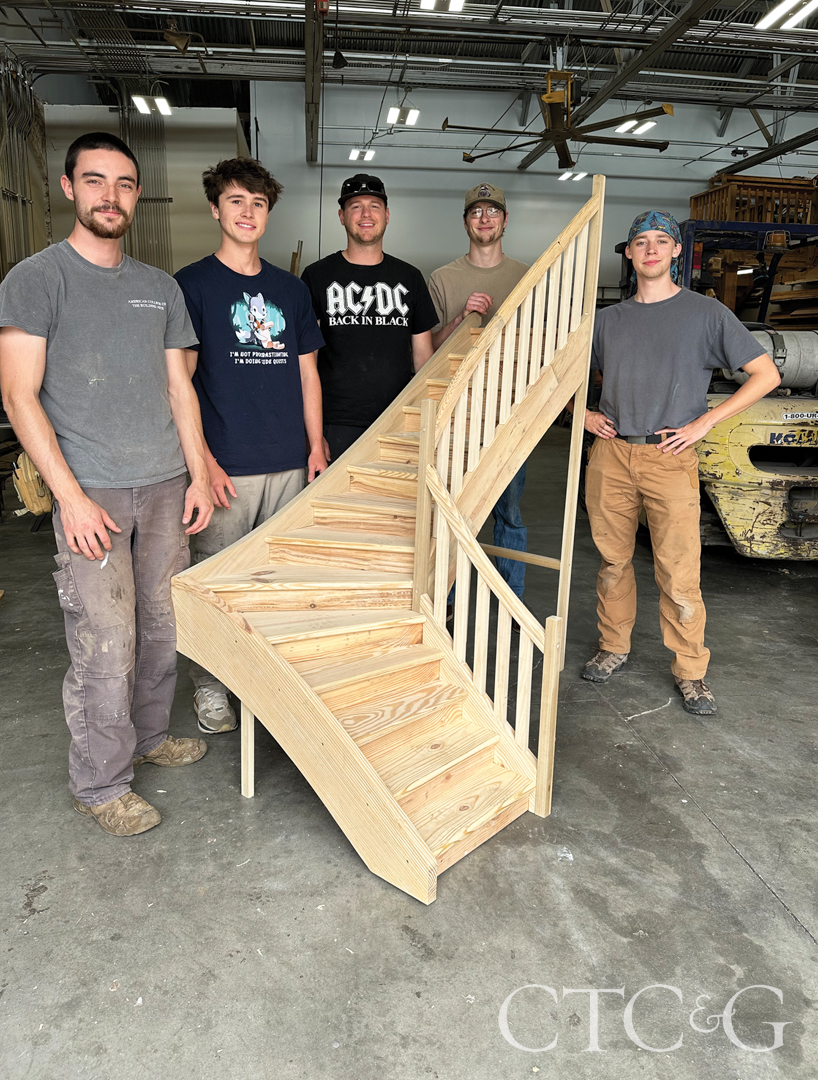
Architectural carpentry trains students to custom make elements that are non-structural parts—paneling, wainscoting, molding, shelving, custom windows and doors. Timber framing is structural—building with wood, large wooden beams designed to support weight. That is part of the built environment. Blacksmithing is also popular, but we tend to focus on architectural blacksmithing—not horseshoes—gates, fire screens.
How do students apply?
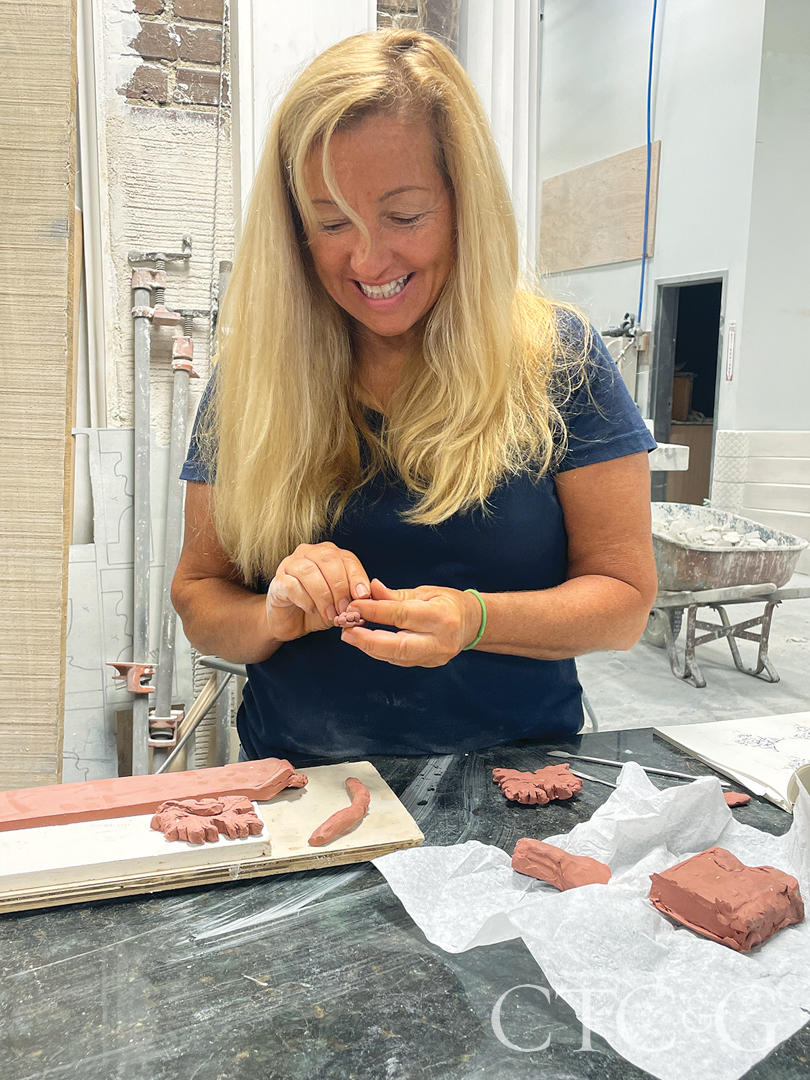
We require a portfolio. We want to see the desire to work with your hands and have some basic aesthetic understanding of what beauty is, and how it’s supposed to look. People have sent in paintings, Lego models—these show understanding of the principles of design, symmetry, layout. At first, people came to us from previous careers or the military, now most students come out of high school from all around the country. More than half of our valedictorians are women.
Who are the teachers?
Most of the trade faculty is European or trained in Europe. They have maintained training centers better than we have.
What happens after graduation?
Nearly all—70 percent—are employed in their fields. Can Harvard say that?!
