


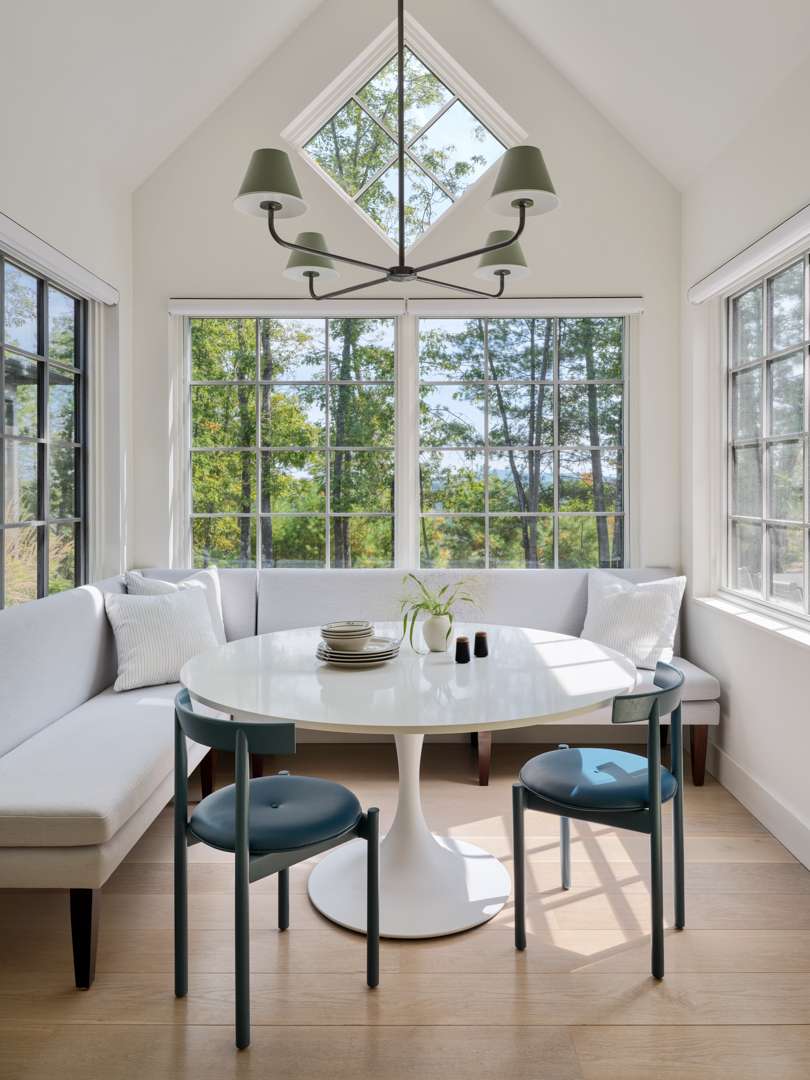
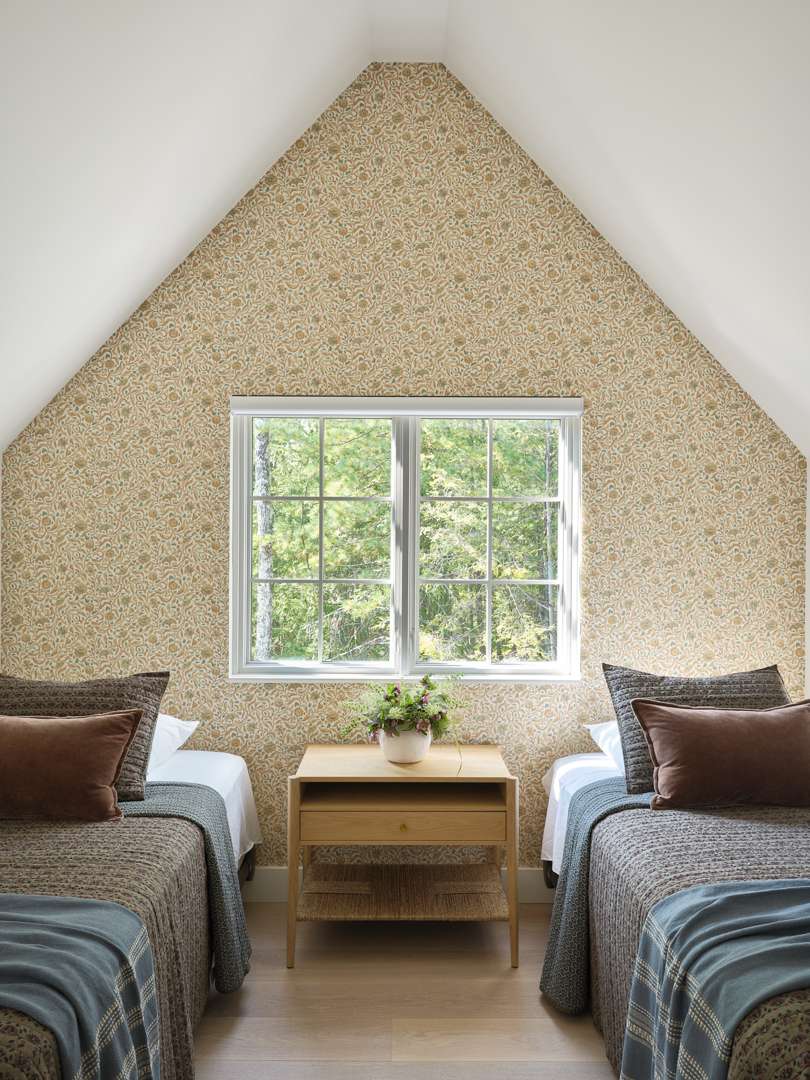
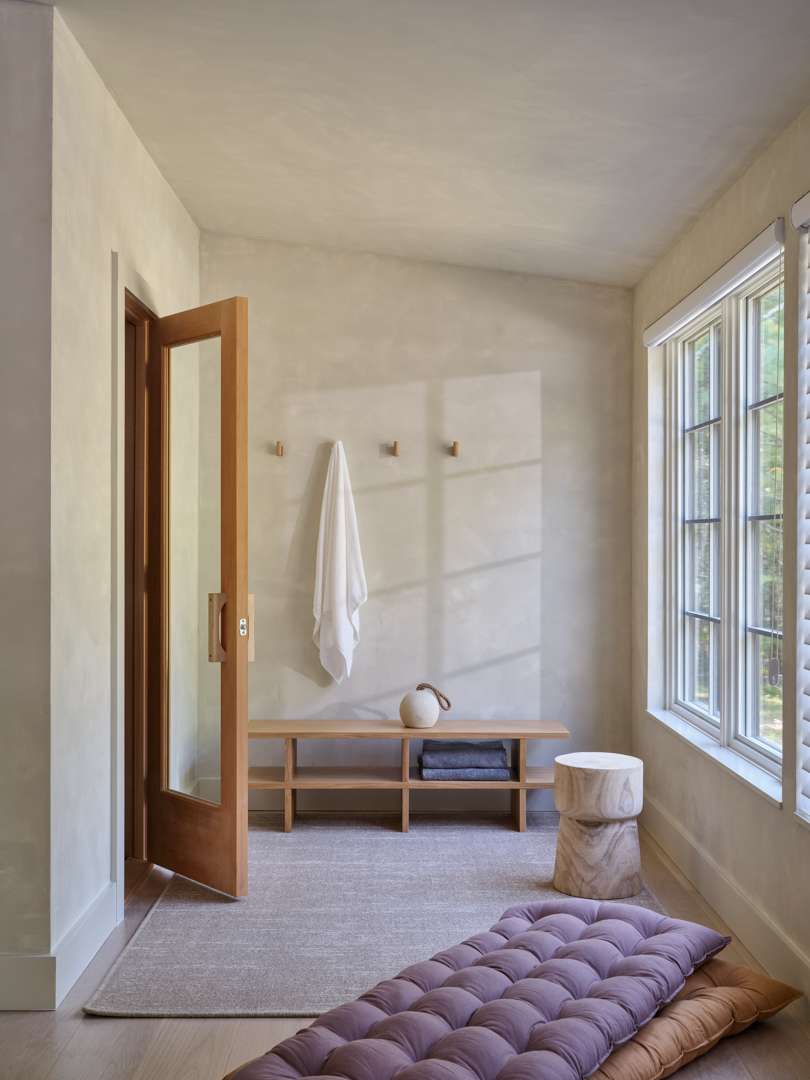
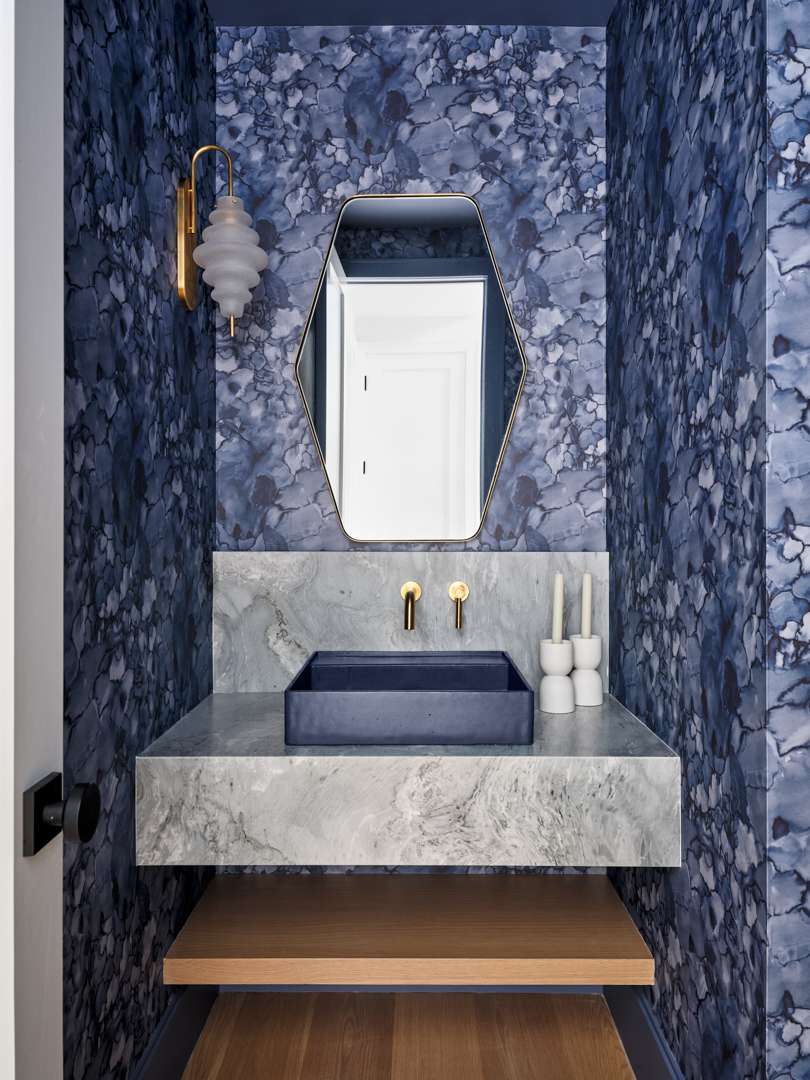
Elana Tenenbaum Cline’s Southport-based firm, Carta Creatives, offers interior design, architecture, graphic design, and brand strategy. “The seed was planted in architecture school—I was fascinated by the idea of blending architecture, interiors, styling, and branding into one cohesive creative language,” says Tenenbaum Cline, who attended Syracuse University’s five-year architecture program. “But the real catalyst? Getting laid off while on maternity leave.” The firm’s portfolio includes residential projects in Connecticut and New York, offices spaces, the brand strategy for Outdoor Design and Living in Fairfield, and work on Habacoa (a mega-yacht marina in the Bahamas). Read on for a Q&A with the designer.

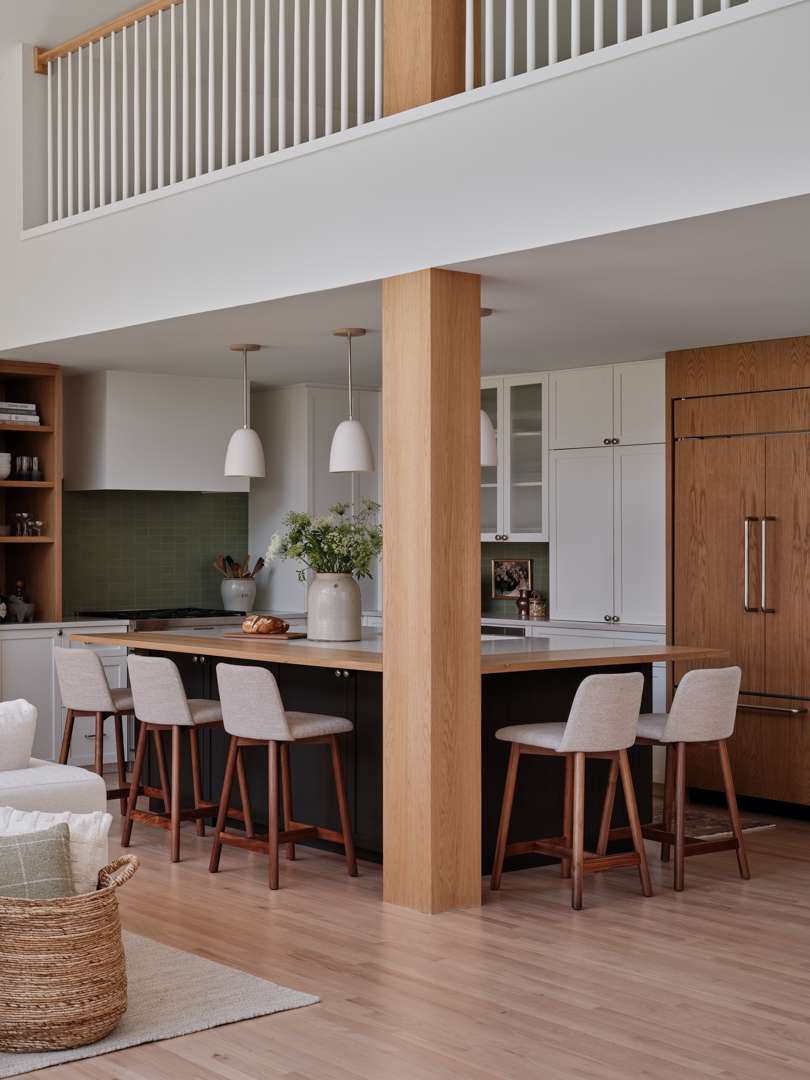
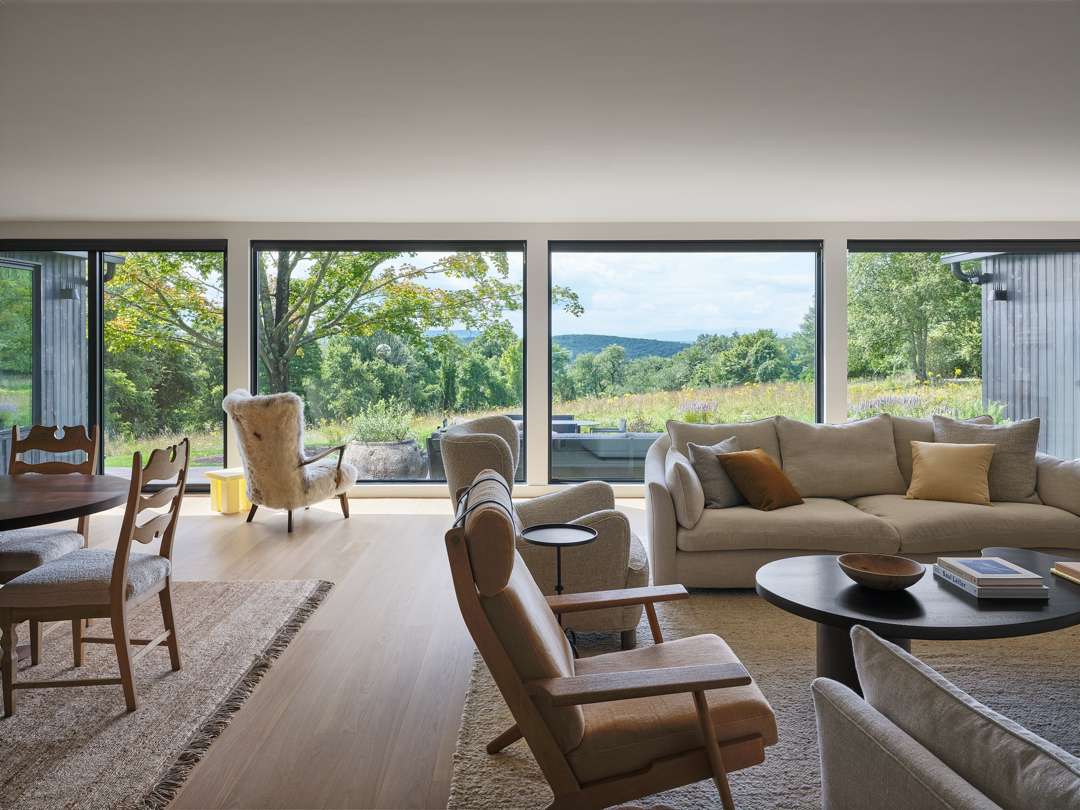
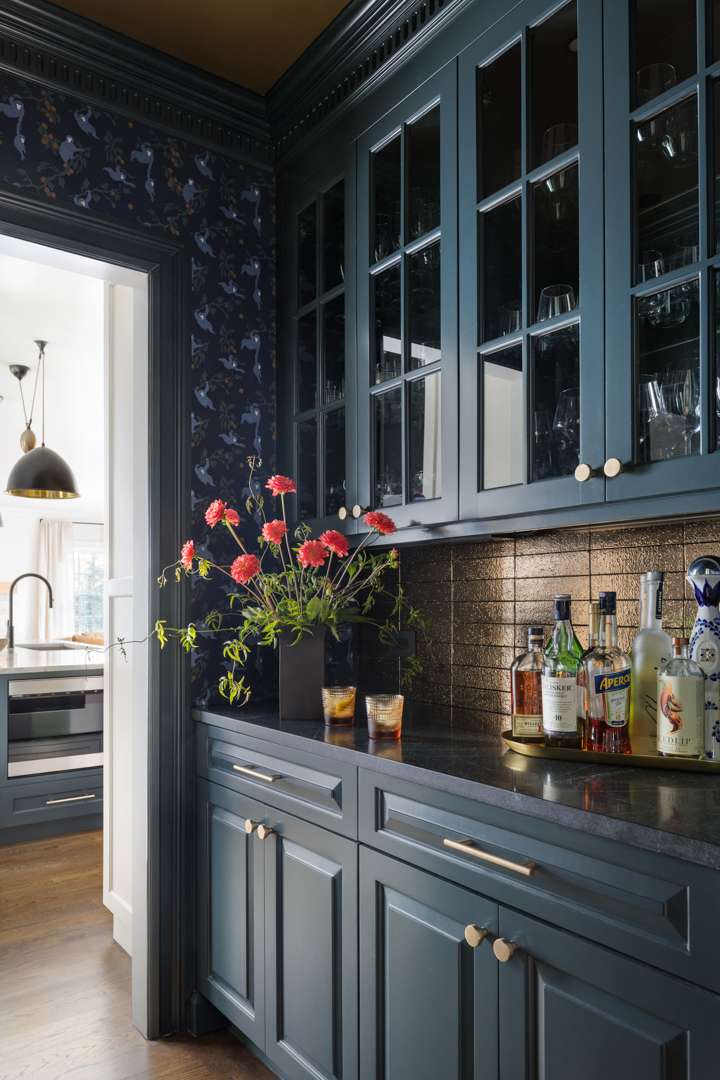
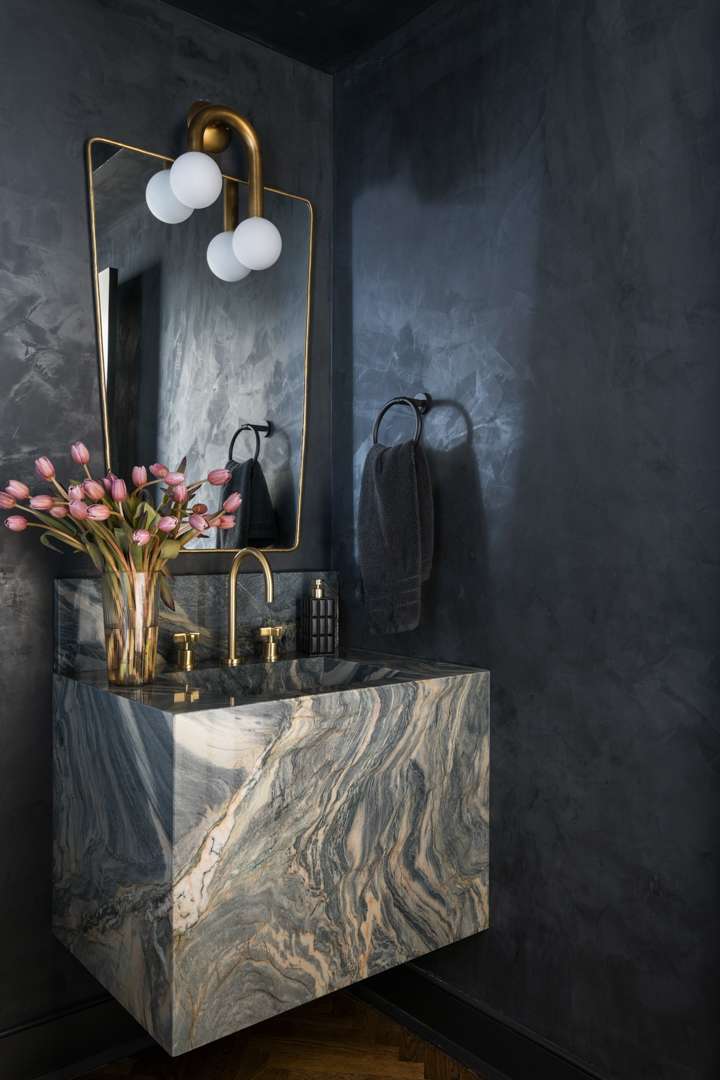
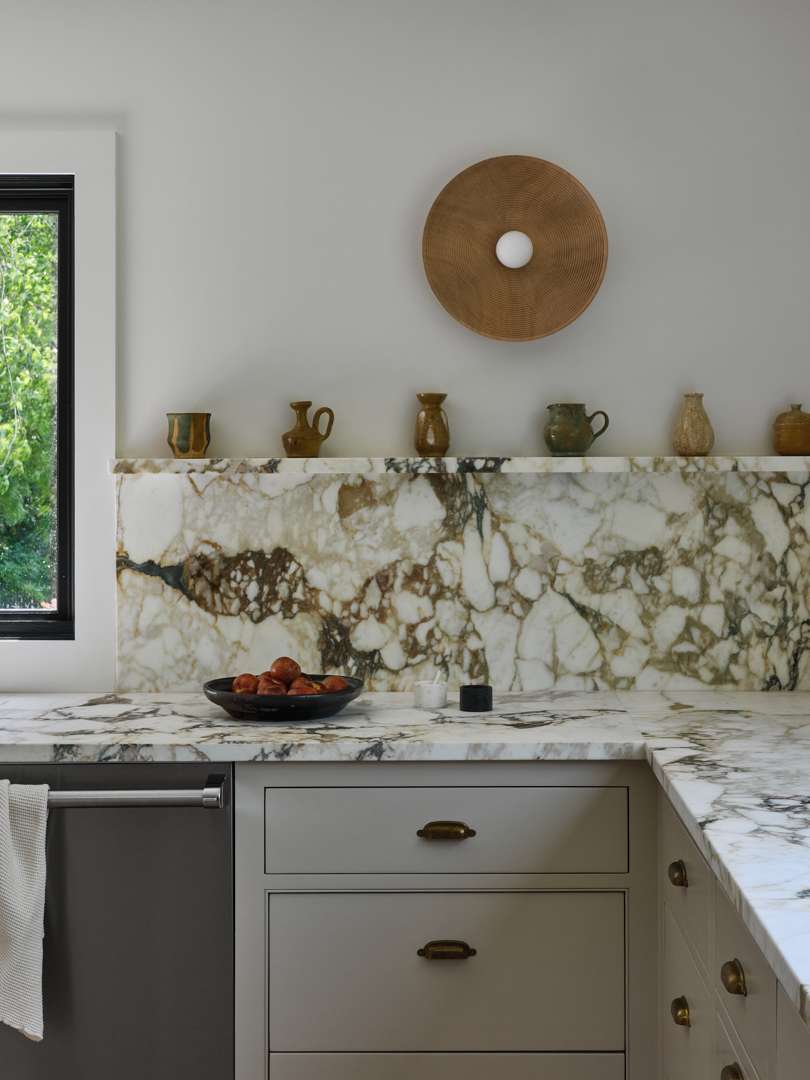
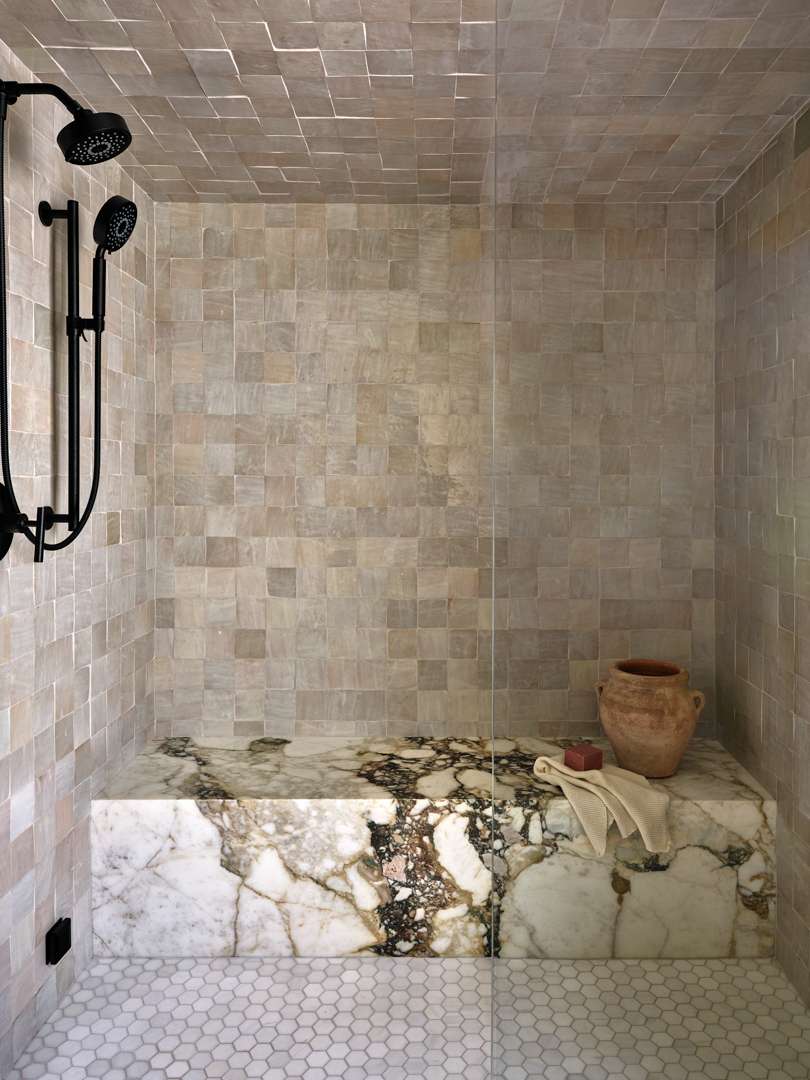
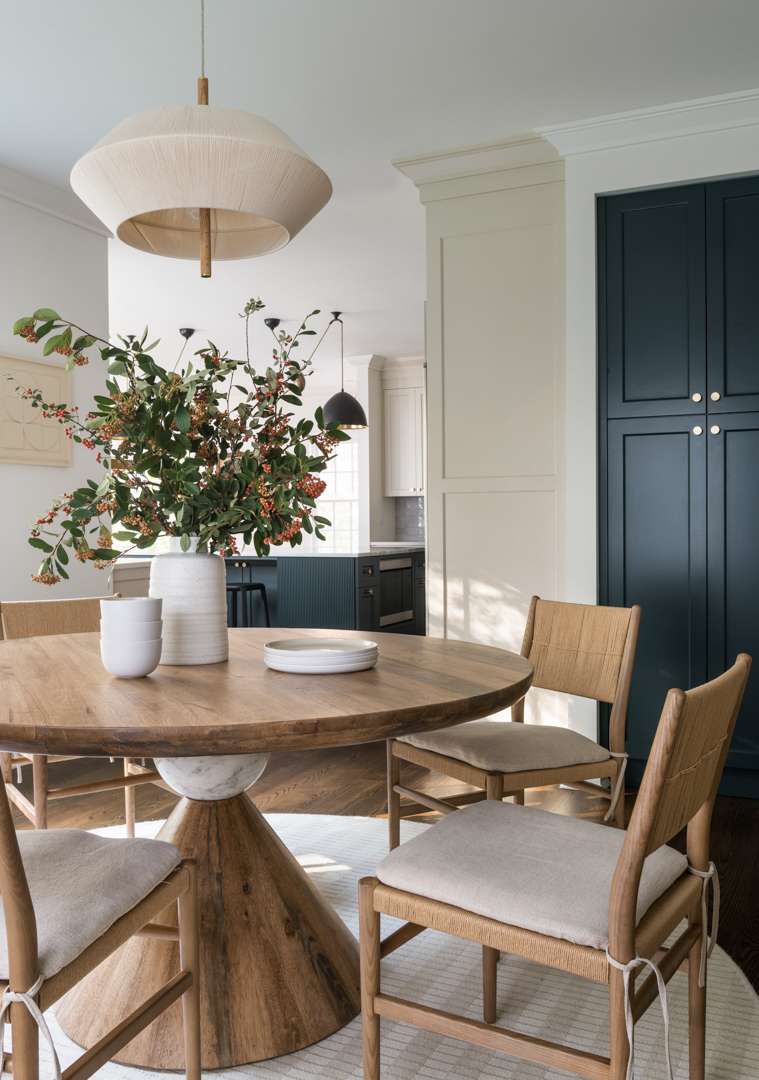
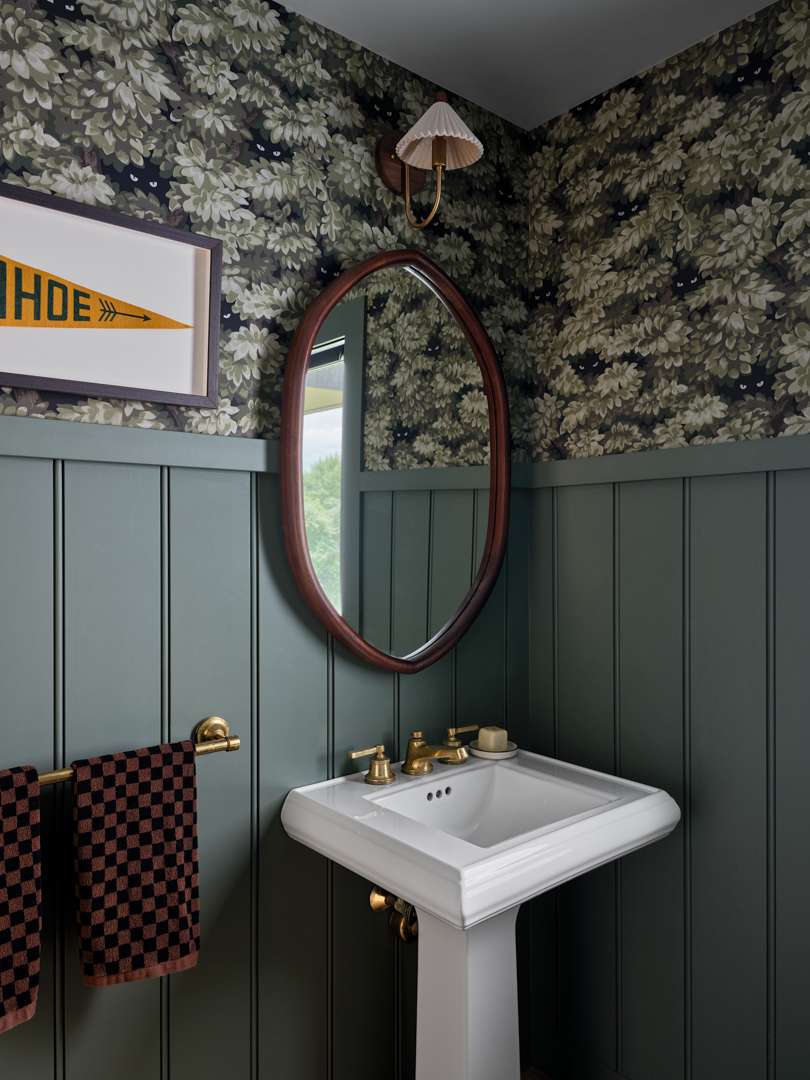
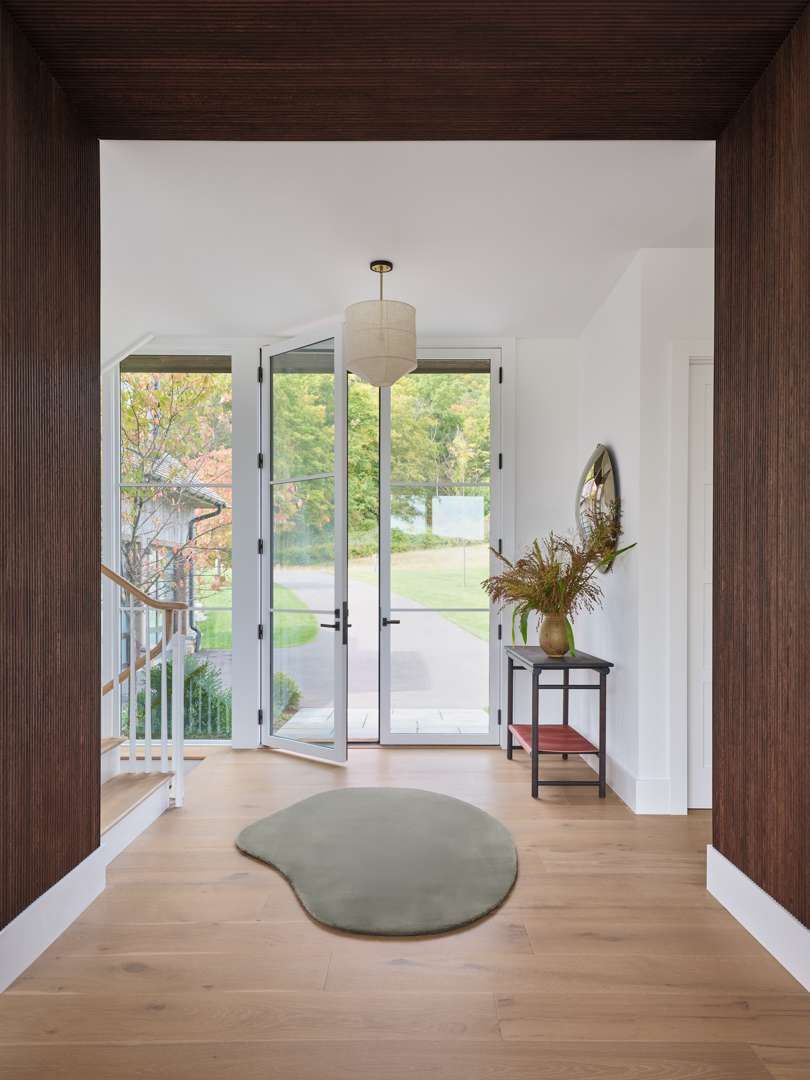
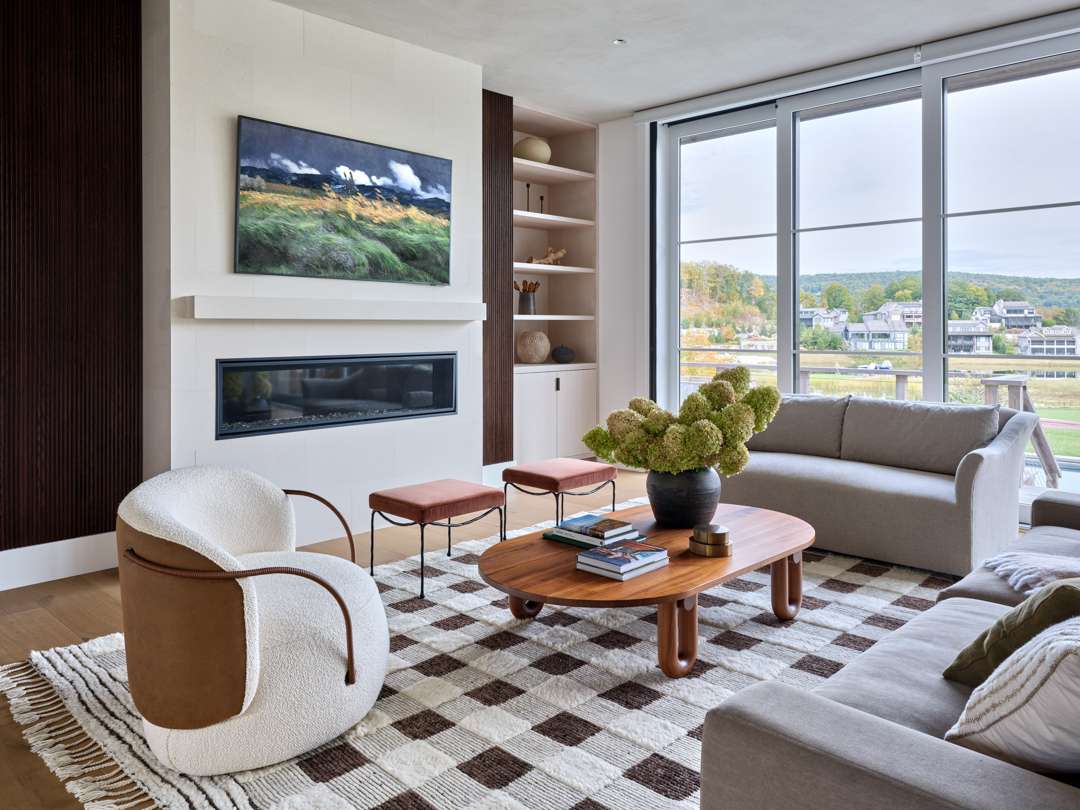
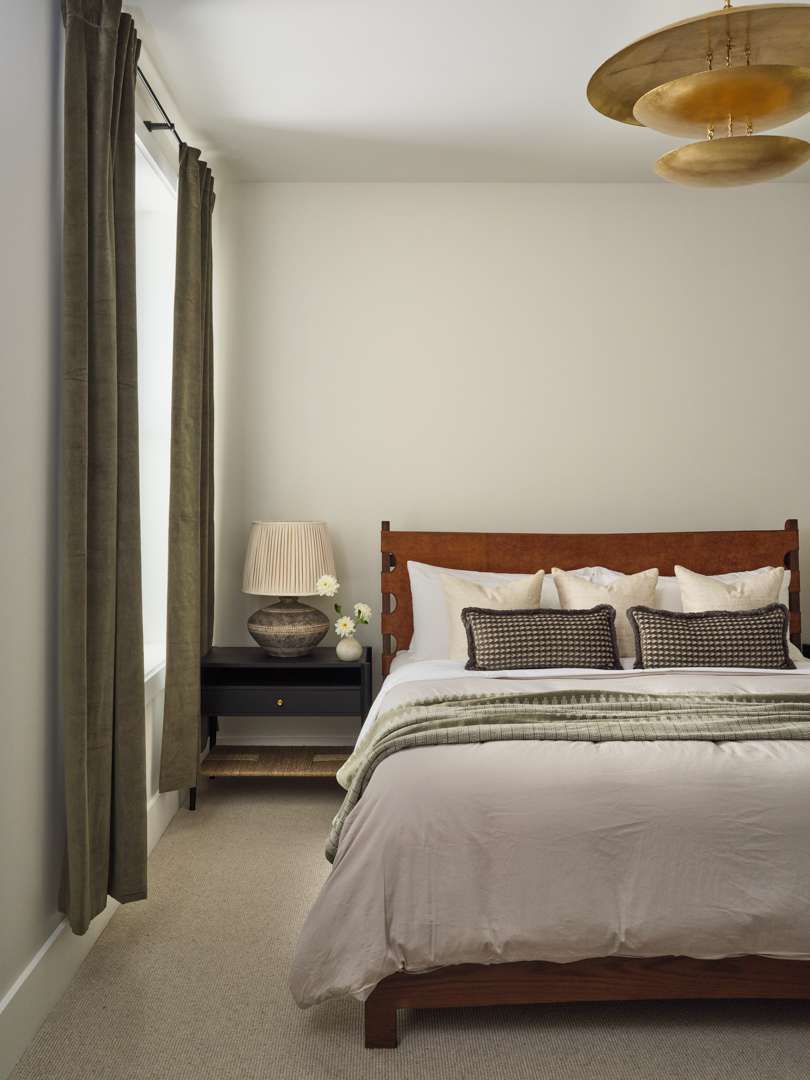
Carta Creatives offers a variety of services. When does a client typically come to you and what are they looking for?
They usually come to us in a moment of overwhelm—juggling family, careers, and the thousand decisions that go into shaping a home. They’re not just looking for taste—they’re looking for trust. Someone who can bring clarity, cohesion, and calm to the process. It’s rarely “just” interior design. Often, it’s about translating their life into a space that feels intentional, personal, and beautifully functional. We always say: it’s never too early to start the conversation. Even a casual consult can unlock ideas that shape the whole project. We bring structure and vision, yes—but also a sense of play. Our process is hands-on, collaborative, and centered around how our clients actually live.
You have lived and worked around the world. Can you share a bit about that experience and how it shaped your design knowledge?
Living abroad is like design bootcamp for your senses. In places like London, Tel Aviv, and Guangzhou, I had to observe more, assume less, and design with a deeper sense of cultural empathy. Every place has its own rhythm—how people gather, how they move through space, how materials age over time. When you’re away from the familiar, even small details—a carved wooden door, a makeshift market stall—can feel profound. It sharpens your awareness and opens up your palette, literally and figuratively. That curiosity and care for context is something I bring into every project.

Do you have a favorite place that you have lived?
London. Hands down. It was my first big leap after school, and it shaped so much of who I am. I had this beautifully diverse friend group—dinners felt like the UN—and we were all design nerds. We’d spend weekends geeking out over Georgian townhouses, brutalist landmarks, and pub roasts. I also biked from London to Paris one summer, which gave me a new sense of grit and independence. It was a time of growth, creativity, and real joy. That city taught me to pay attention—to materials, to history, to people. It’s a place I’ll always carry with me.
Where do you find inspiration?
Everywhere. A perfectly resolved floor plan gives me goosebumps. So does a chipped ceramic bowl from a flea market. Brooklyn always stirs something in me—the brownstones, the rhythm of the stoops, the mix of grit and grace. But I also find inspiration in the quiet stuff: how afternoon light shifts across a plaster wall, or how a song changes the mood of a space. The trick is staying open. The ordinary becomes extraordinary when you look at it through the right lens.

How do you approach residential projects differently than hospitality projects?
Residential is about intimacy—how people wake up, cook dinner, unwind. You’re designing for habits and heartbeats. Hospitality is about experience—it’s a story you step into, even if only for a night. You can stretch a bit more creatively, be bolder, more theatrical. That said, there’s overlap. The best homes have a bit of hospitality polish. And the best hotels feel like home.
How does branding affect interior design and vice versa?
They’re two sides of the same coin. Both are about creating an atmosphere and telling a story—visually, emotionally, and experientially. We often treat interiors like brand environments: What’s the tone we’re setting? What should people feel when they walk through the door? It’s not about matching colors between a logo and a sofa—it’s about crafting a cohesive mood that resonates.

Dream project?
A vineyard hotel that blends thoughtful design with a sense of ease—architecture that feels rooted, cabins that invite you to slow down, and spaces that quietly tell a story. There’d be a seasonal restaurant on-site, where we’d shape the full guest experience—from interiors to menus to the mood of the music. It would be a place where design, food, and atmosphere are completely in sync—elevated but never overdone. Just soulful, beautiful, and built to linger in your memory.
Favorite restaurant in Fairfield County?
Tavern at GrayBarns. It’s the epitome of what a classic Connecticut restaurant should be—warm, refined, and quietly elegant. I could spend hours there, and sometimes do.
How about a favorite design shop?
Bungalow in Westport. Those ladies have impeccable taste. It’s one of those places where you want to linger, touch everything, and mentally redecorate your entire house.
Hidden gem?
This one’s tough… but I’d say the Pequot Library. It’s tucked away, wildly charming, and full of history. Plus, it’s around the corner from our studio, so it feels a bit like a neighbor with great stories.
