


Based just outside Chicago, husband-and-wife team Rebekah Zaveloff and Nick Nichols bring complementary expertise to interior design: Zaveloff, with a background in fine arts and set design, leads the creative vision as principal designer of Imparfait Design Studio, while Nichols, drawing on years in the restaurant industry, oversees operations and finance as CFO and operations director. Zaveloff founded KitchenLab Interiors, which recently celebrated its 20th anniversary, before the duo launched Imparfait in 2023 to focus on whole-home projects. Together, they blend artistry and hospitality to create spaces that are both thoughtful and lived-in. Read on for a Q&A with Zaveloff.

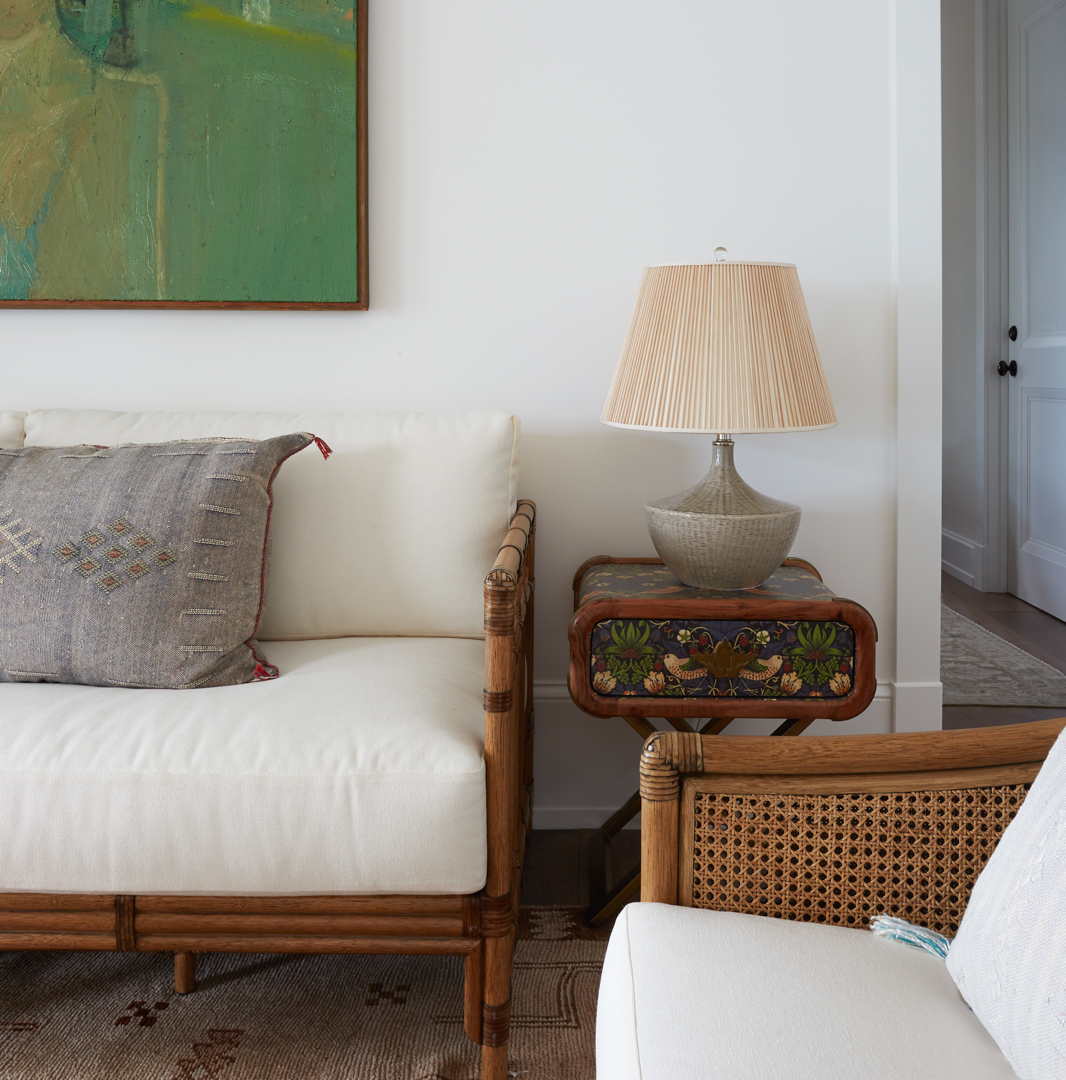
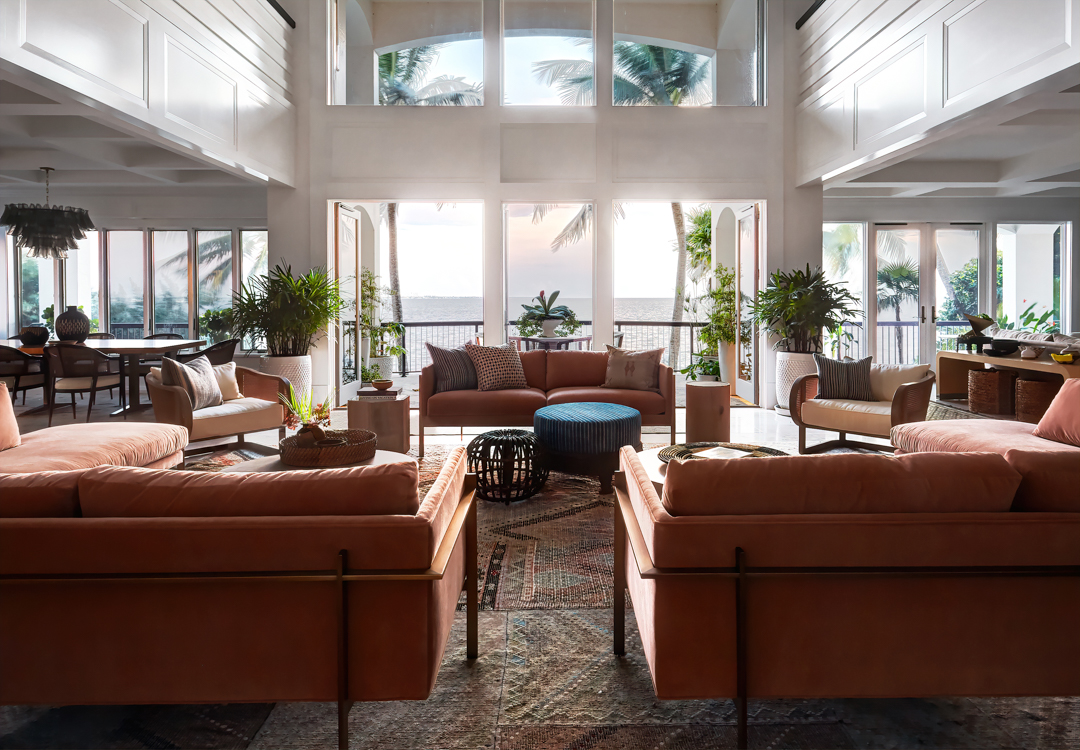
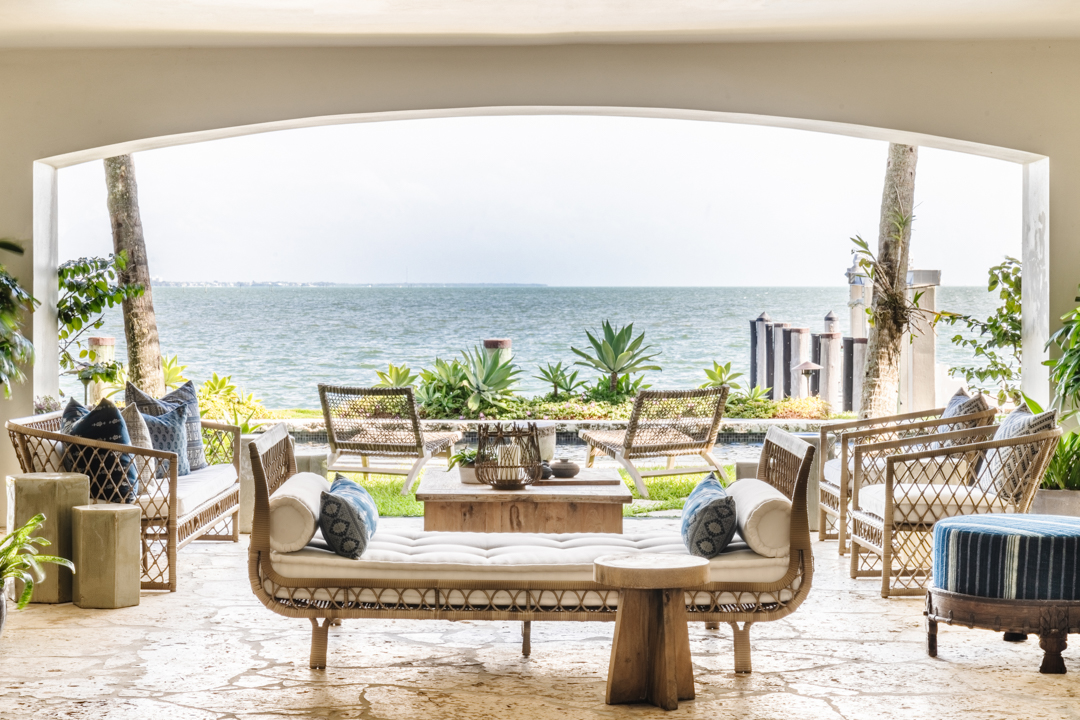
How and why did you choose to call your new firm Imparfait? What does the name represent to you both?
As cliché as they are for both design and restaurants, French words were meaningful to us since we’d spent 15 years going to France for Christmas and it had a huge influence on my aesthetic. Appropriately, one night, sitting at the kitchen island drinking wine while Nick made dinner, I went down the nerdy rabbit hole of French conjugation, which I find endlessly fascinating, and I came across the definition of the French imperfect tense: “used to describe an incomplete or ongoing action or state of being.” Nick and I were both like, “oh my god, that’s us, that’s home design, that’s life…forever incomplete and ongoing.” We love the pure definition of the imperfect tense, but it also represents character-driven design—associated with wabi-sabi, patina, age, and yes, the beauty of imperfection.
Your backgrounds are in the restaurant world—how does that hospitality experience continue to inform your decisions as interior designers today?
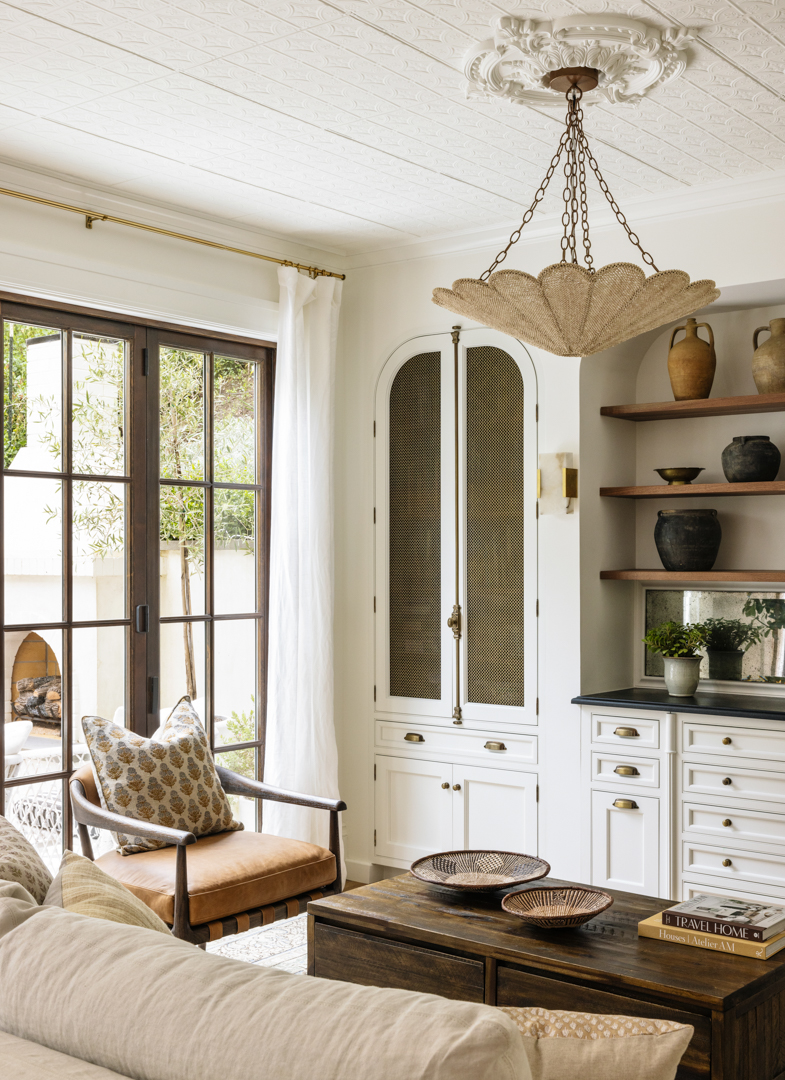
We see interior design as an extension of the hospitality business. We’re creating environments that we hope make people feel something, not just pretty spaces. I often say that I want our clients to feel like they have the best seat in the house, in their own homes. The vibe, the lighting, the mood, the atmosphere. I often sit in every seat during install and make sure that every spot where a homeowner, friend, or family member sits has a view. In addition, we often act as the client for our clients. We’re channeling what they will experience while we’re designing, and we’re often the first team hired and put together the rest of the team to keep this vision coherent.

What’s it like running two design studios as a married couple? How do you divide roles—or do they naturally overlap?
Our roles do overlap in running the businesses, but we really perform different functions. I’m the Creative Director and Nick’s role is Director of Operations and Finance—that’s probably what keeps us married! There’s a lot to do in just running a business day-to-day, and when we overlap creatively, it can be challenging since we both have very strong personalities. When it comes to the vision, brand, and storytelling, we overlap more for sure. He works in the barn and I work in the studio; if we’re in the same room I lose my mind because he can talk through things and I have to see them on paper. Setting aside time to meet about the business is also important, but yes, we do talk about it 24/7. Lately I’m the one who has to say, stop, no more talk, I’m brain-dead and it’s 9 p.m. It’s not like I’m being a slacker!
In your opinion, what makes or breaks a space?
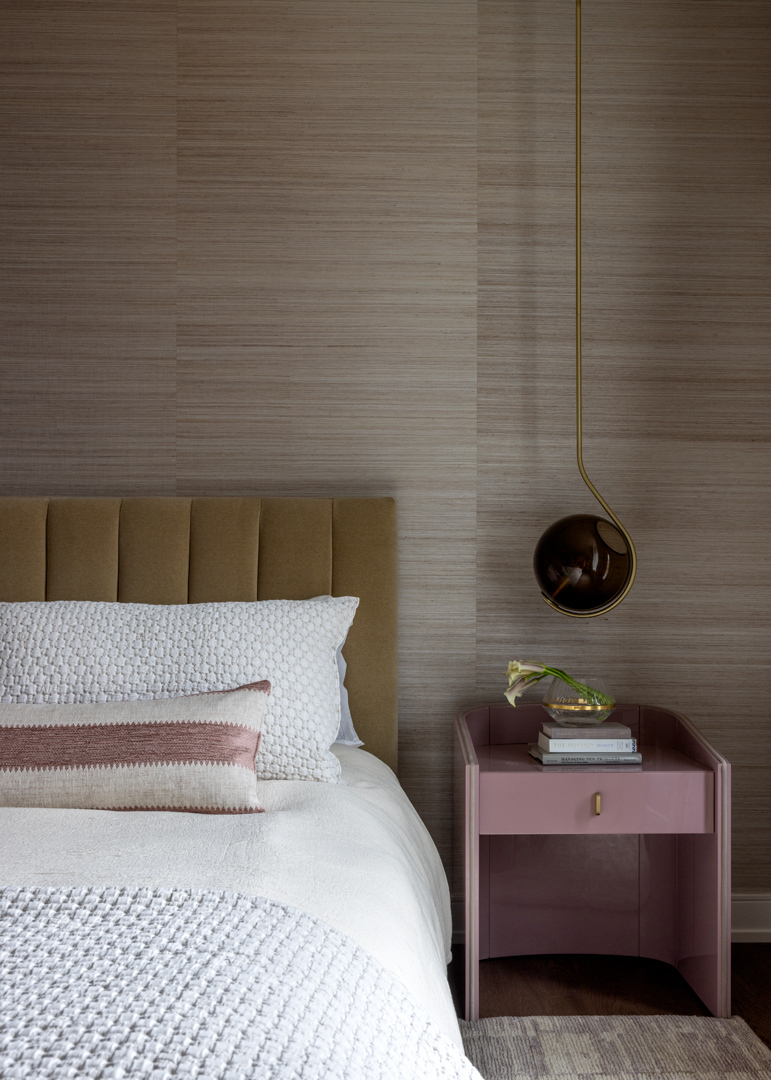
Lighting—period. And of course, art, but you can have art and screw up the lighting. Everything should be on a dimmer and I hate overhead lighting. I could live by candlelight. Also, music—we have music on 24/7. Classical or jazz at the very least, constantly playing in the background.

You’re based just outside Chicago but design homes from Miami to California. How do different regions influence your material choices, palettes, or architectural approach?
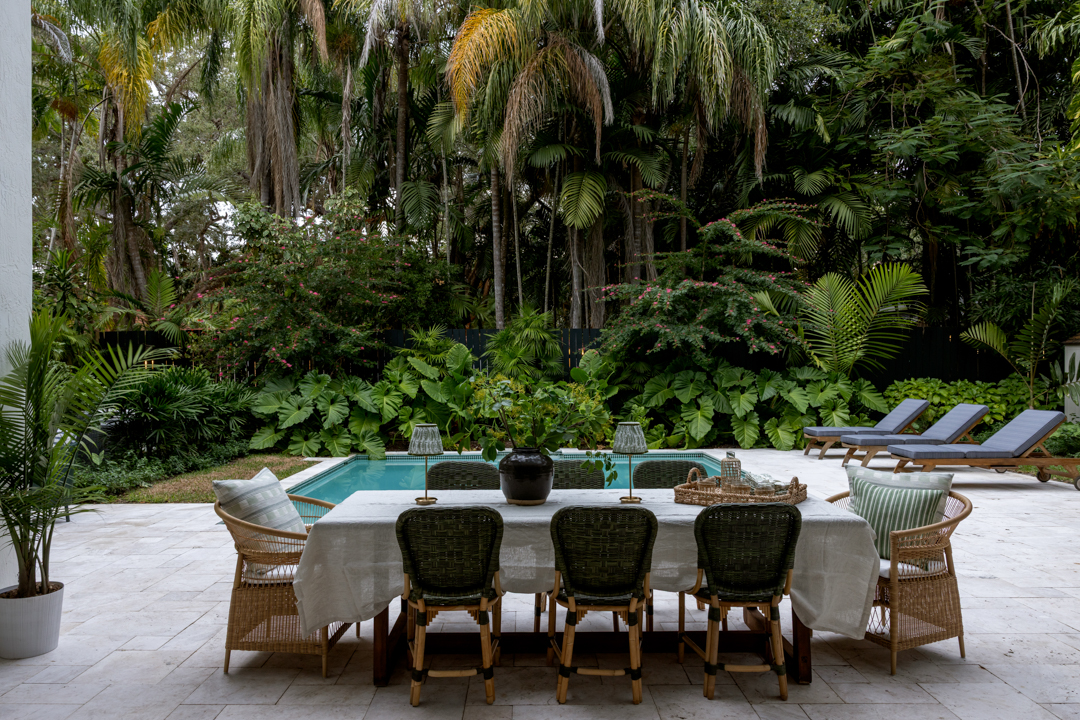
It’s so rewarding and refreshing to work on projects in different regions. I love doing the research and I love bringing a fresh perspective to a project in a different area, and I love the challenge of working on different architectural styles. But the one thing that’s consistent throughout for us is a sense of indoor/outdoor living. Even in the homes we do in Michigan—the resort town area we live in that’s an hour and a half from Chicago—the focus on indoor/outdoor living still applies. I also bring a lot of influence from travels to Europe, Morocco, and Mexico to our projects. As always, restaurants and hotels are my number one creative influence.
KitchenLab Interiors just celebrated its 20th anniversary. How has kitchen design evolved over the past two decades?
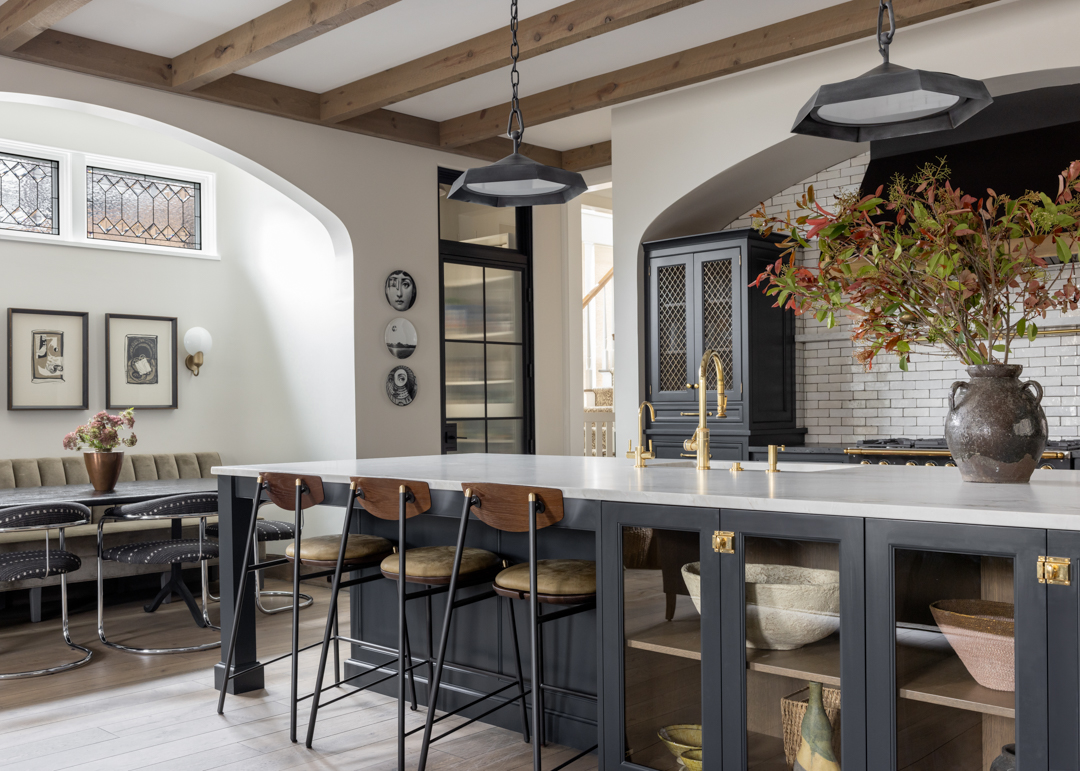
In a nutshell, I think it’s just gotten better! Better design and access to design due to things like Pinterest and Instagram. Kitchen design used to start with the builders and cabinetmakers. Now it’s the domain of the designer.

What’s next for Imparfait and KitchenLab?
Oh my, we’re kind of working on a few dream projects right now. I would love to do a boutique hotel in High Point, because we’re desperate for somewhere to stay and be a central hub that doesn’t require driving to Greensboro or Winston-Salem. We’re starting to look at partnering on designing some furniture pieces and lighting, which is something I’ve wanted to do for a long time.
Taking into consideration both food and design, what are your favorite restaurants?
Lula Cafe in Chicago, Soho House for hotels, Mandolin Aegean Bistro in Miami.
