


Rose lovers, rejoice! These six thorny beauties––from white to red, climbing to rambling, short to tall––are especially well-adapted to the East End’s sandy soil and sultry summers. Get out the gloves and the garden snips!

THE LARK ASCENDING ROSE
(Rosa ‘The Lark Ascending’)
Zones: 4–11; height: 51⁄2 feet
Featuring loose, open blossoms of about 20 petals each, this David Austin introduction will tolerate part shade. The lightly tea-scented clusters of yellow-to-apricot flowers are followed by stunning rosehips in the fall.
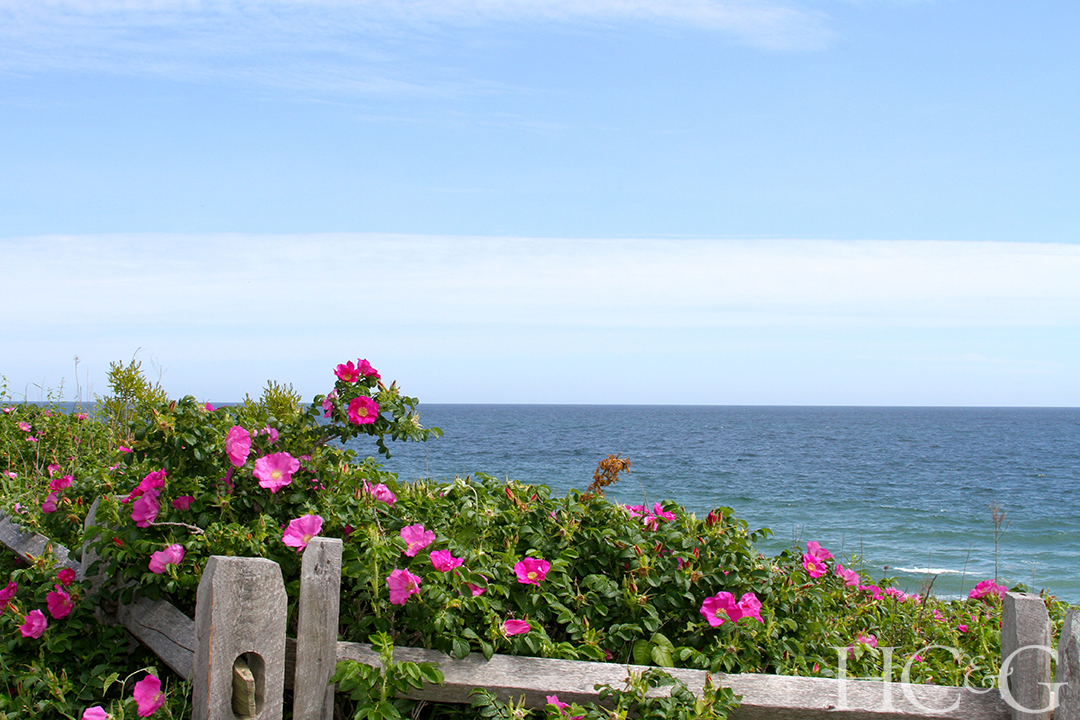
BEACH ROSE
(Rosa rugosa)
Zones: 2–7; height: 4–6 feet
Great for hedges and familiar along beach accessways all over the East End, this rose is notable for its salt tolerance—not just from the ocean, but from roadsides and driveways treated with salt in the winter. Rosa rugosa ‘Hansa’ is a particularly fragrant variety with single pink flowers, whereas ‘Blanc Double de Courbet’ is a double with pure white petals.

VARIEGATA DI BOLOGNA ROSE
(Rosa ‘Variegata di Bologna’)
Zones: 5–9; height: 6–8 feet
This candy-cane striper with climbing tendencies doesn’t typically bloom more than once a season, but it definitely knows how to put on a show. Developed in the 19th century, this rose resembles the much older Rosa Mundi, or apothecary rose (supposedly named for Rosamund Clifford,
a mistress of Henry II).

POSEIDON ROSE
(Rosa ‘Poseidon’)
Zones: 5–10; height: 3 feet
Lavender-colored roses are relatively new favorites among rosarians, and this 2010 Kordes introduction is among the best. Full blooms of about four inches in diameter recur throughout the season on disease-resistant shrubs.
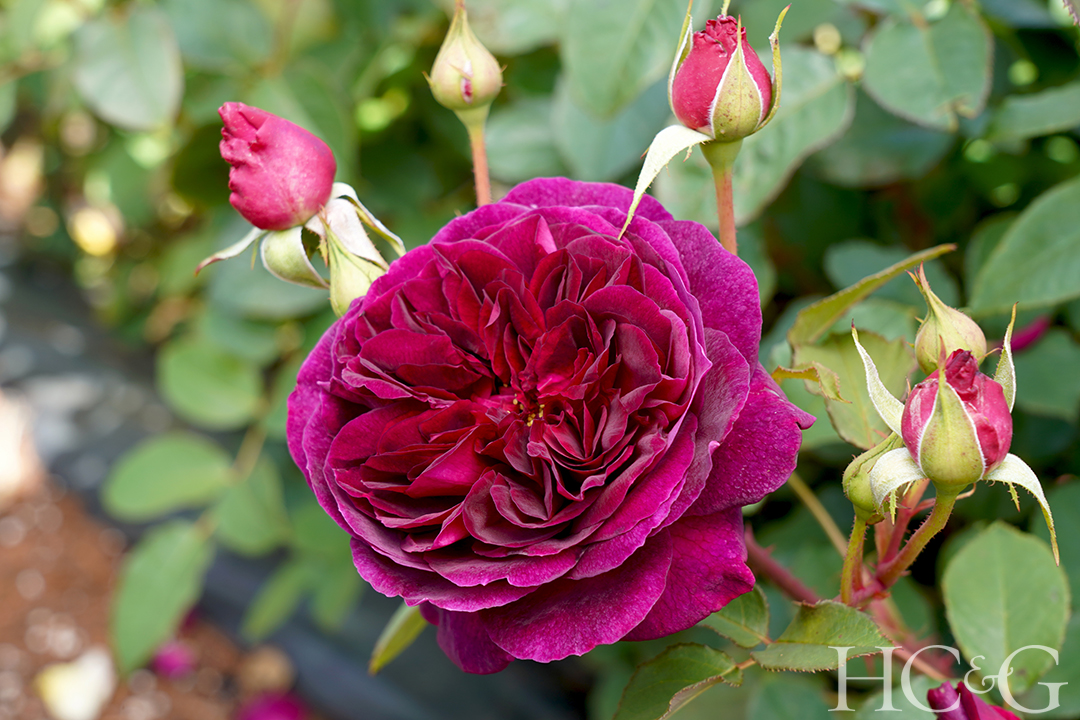
MUNSTEAD WOOD ROSE
(Rosa ‘Munstead Wood’)
Zones: 5–9; height: 2–3 feet
Velvety crimson blooms and an antique berry scent characterize this selection from David Austin. Celebrated for its disease resistance and long bloom time, its smaller stature makes it a good option for pots.
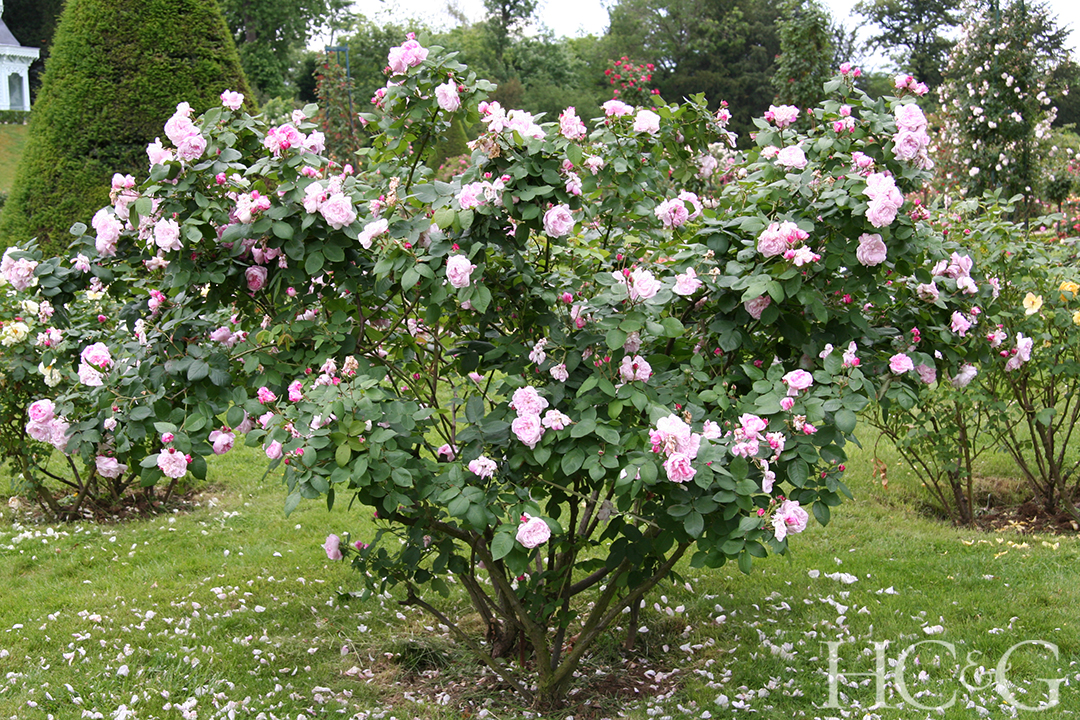
FANTIN-LATOUR ROSE
(Rosa centifolia ‘Fantin Latour’)
Zones: 4–11; height: 4–6 feet
A classic cabbage rose with a true old-world fragrance, this variety was named for the 19th-century French painter Henri Fantin-Latour. A great rose for perennial borders, its dark strawberry-pink center fades to powder pink at the edges.
Tips
- Prune roses in the early spring, when forsythia is in bloom.
- After pruning, scratch an organic rose fertilizer such as Rose-tone into the soil and water well.
- Fertilize repeat-blooming roses again after the first and even second bloom, but not after August.
- From mid-September onward, do not cut the flowers; it’s time for roses to rest.
- If aphids have alighted on new buds, wash them off with a strong stream of water from your garden hose.
