


WHAT TO GROW NOW | Orchids

If you’ve ever tossed an orchid in the bin once its flowers began to fade, you’re missing an opportunity. The truth is most of these readily available stunners aren’t finicky or complicated to care for, they just need a little TLC to stay healthy and rebloom year to year. As the largest family of flowering plants, orchids flourish on every continent except Antarctica, and some 70 percent of the roughly 30,000 species are epiphytes, which grow on trees, not in soil. This explains why most orchids prefer bright filtered light, moderate humidity, warm temperatures, and a slotted orchid pot filled with a lightweight mix of bark and sphagnum moss, a medium that promotes drainage and airflow and prevents orchid roots from getting soggy.
According to Zachary Leibovitch, the manager of the New York Botanical Garden’s Enid A. Haupt Conservatory, where he oversees the care of 5,000 orchids in the permanent collection, the popular moth orchids (Phalaenopsis) sold at supermarkets and plant shops have been bred for decades as houseplants and are the easiest orchids to keep in urban spaces. “Dancing lady orchids (Oncidium) are another low-fuss option,” says Leibovitch, who especially likes Oncidium ‘Twinkle’, a compact hybrid with a sweet, baby powder fragrance.
Available in many colors, these orchids tolerate lower humidity, moderate light, and indoor temperatures that skirt the boundaries of their 55 to 78°F sweet spot. “But don’t overwater them,” he cautions. “It’s the No. 1 reason people kill orchids.” To avoid mishaps, Leibovitch recommends inserting a wooden dowel in the pot. “Check it periodically. If you feel moisture, wait to water; when the wood is dry, give the orchid a good soak and let excess water drain.” Once blooms fade, says Leibovitch, trim healthy green flower spikes an inch above the third node from the base to potentially promote a secondary bloom; cut brown stalks back to the base. Placing orchids on a windowsill when nighttime temperatures hover around 55°F can also help cue a new flower spike, giving plants the seasonal signal they need to rebloom next year. —Monica Michael Willis
A SHARP NUMBER

Made in a family-run factory in Japan, Niwaki’s nimble, quick-release garden snips are lightweight, easy on the wrist, and a true bargain at just under $20. Use the razor-sharp tool to cut tender spring flowers, prune houseplants, and harvest fresh herbs and salad greens. They make great hostess gifts, too.
SAVE THE DATE
Through April 26
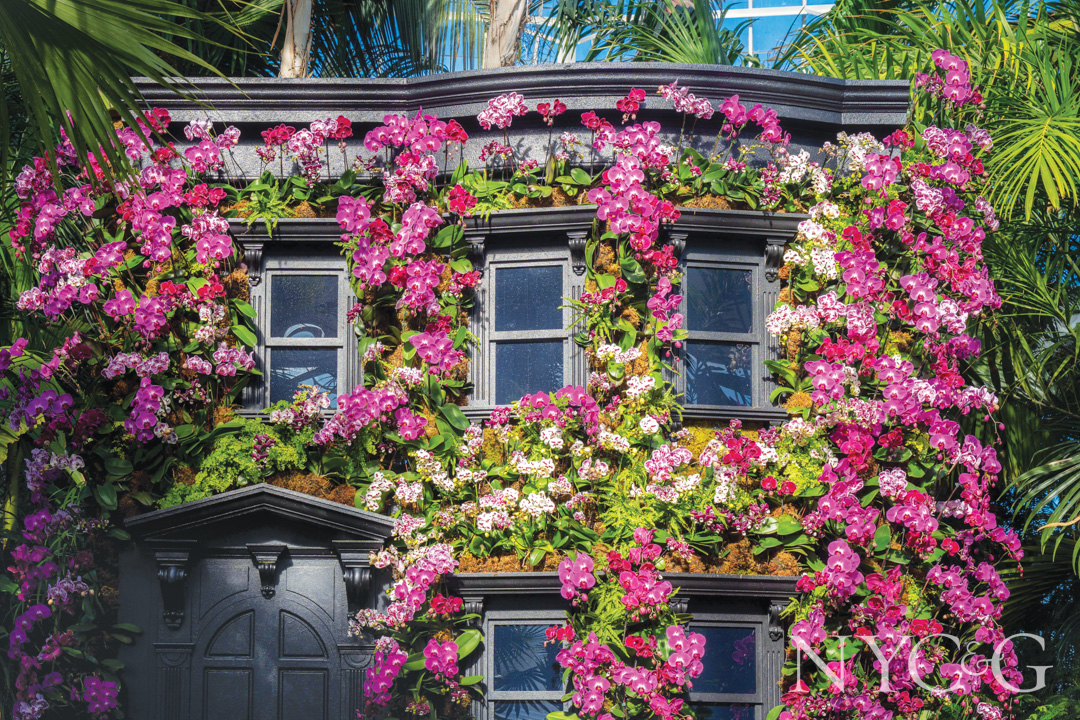
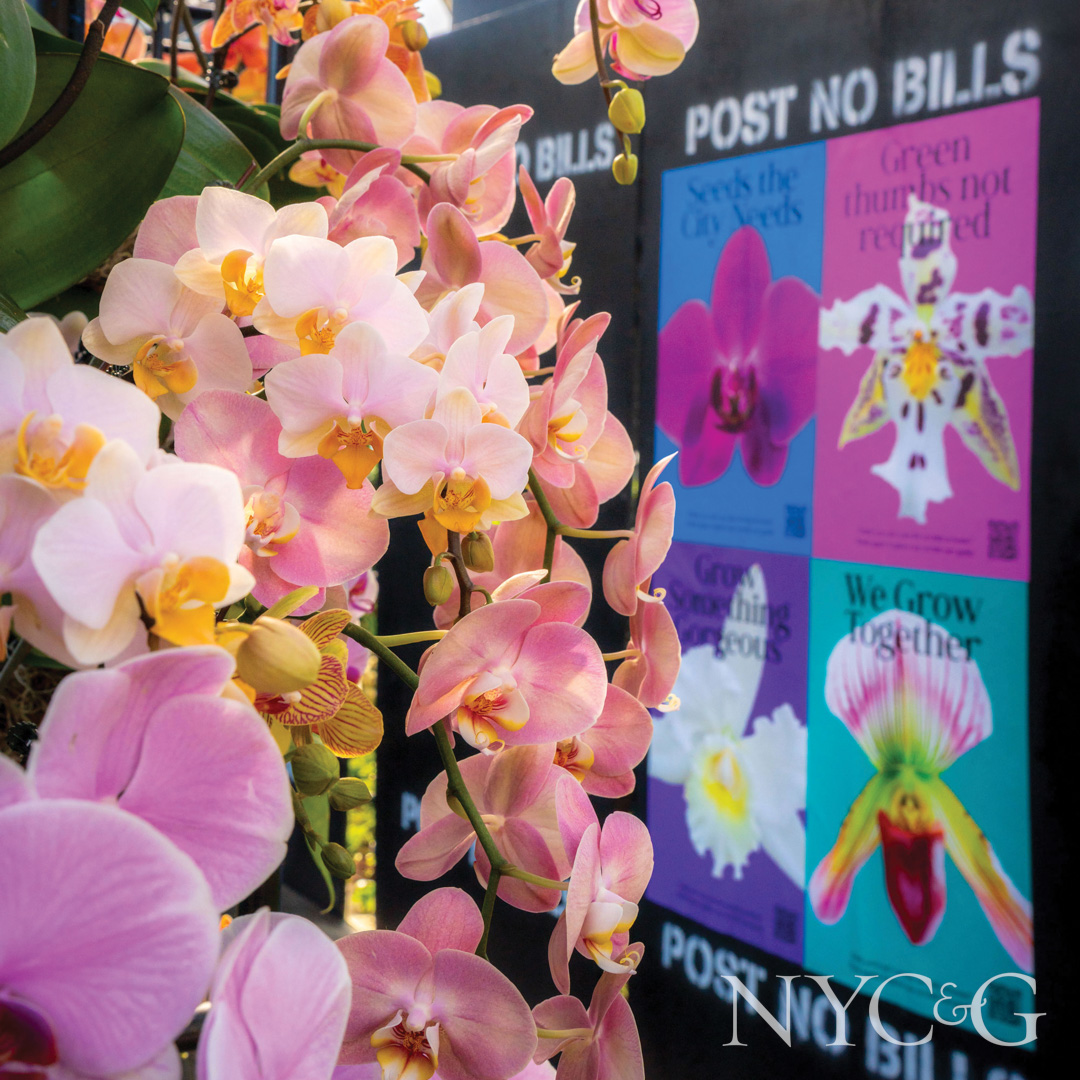
Don’t miss the New York Botanical Garden’s 23rd annual ORCHID SHOW: MR. FLOWER FANTASTIC’S CONCRETE JUNGLE, an exuberant, 8,000-orchid-strong dreamscape by Mr. Flower Fantastic (MFF), a visionary floral designer who burst onto the scene after delivering a floral rendition of Nike’s “Queen” Air Max 97 to Serena Williams at the 2019 US Open. A native of Queens, MFF drew inspiration from New York City’s bustling streetscapes to create his remarkable floral sculptures, which range from a brownstone covered in hot-pink orchids and a flower-bedecked pizzeria to a brilliant self- serve laundromat with orchid-filler dryers and the prettiest MTA bus stop ever. If dancing, cocktail in hand, sounds like an excellent way to take in the show, nab tickets to ORCHID NIGHTS, a series of NYBG-hosted garden parties for the 21-and-over crowd on Saturday (and select Friday) evenings through April. There’ll be twinkly lights, music, cash bars, and food for purchase. —M.M.W
A LIFE’S WORK
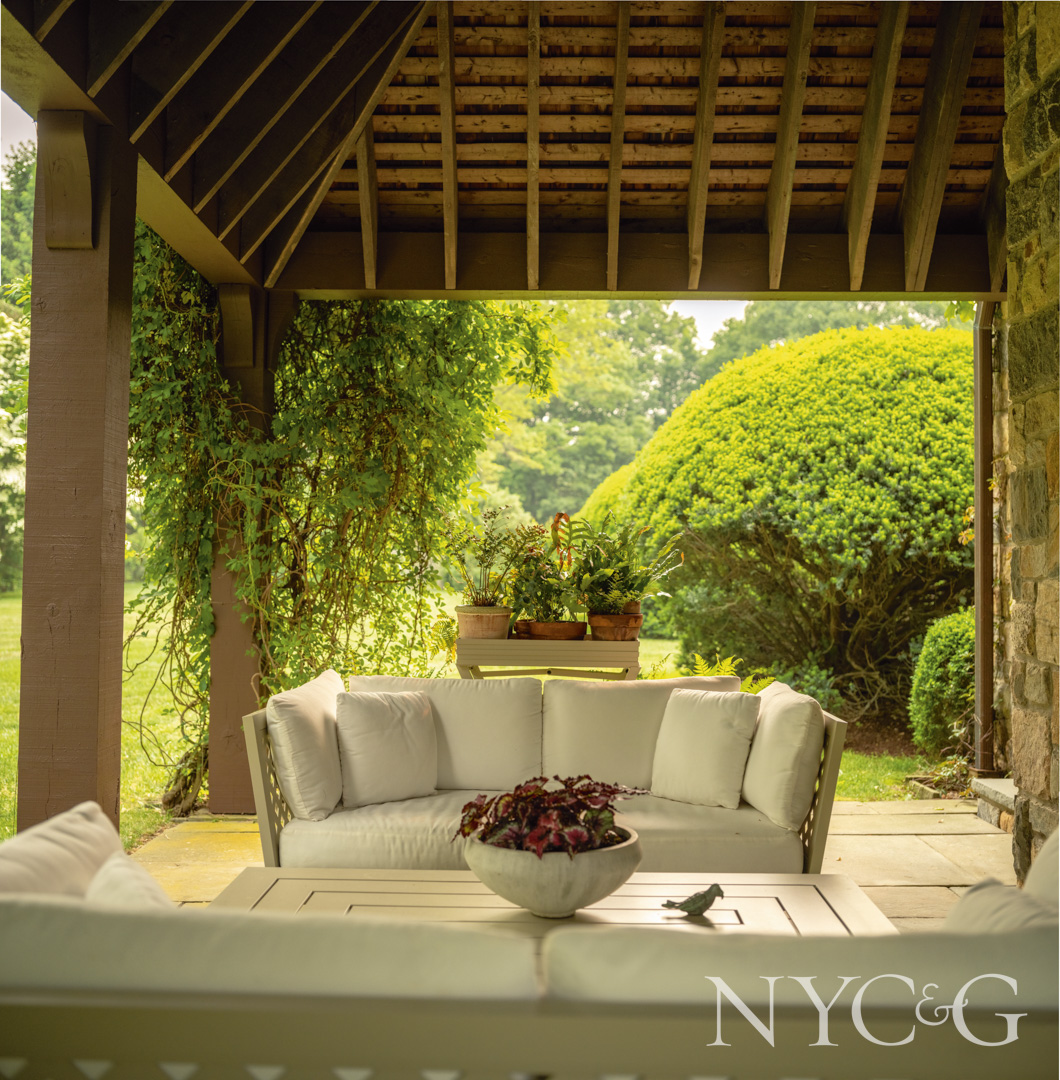

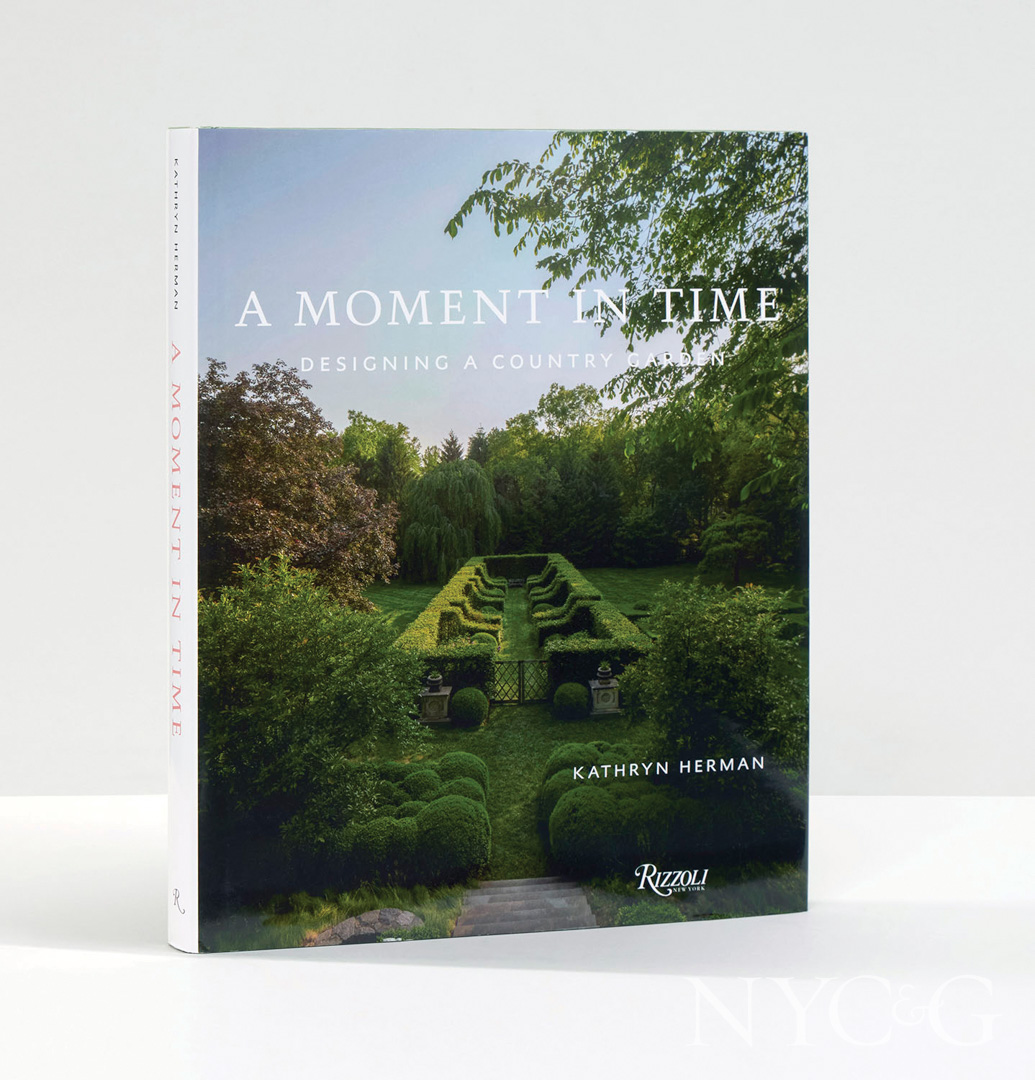
“A garden can be a place where beauty isn’t just seen but felt, where each plant, each color, each texture plays a part in telling a larger story,” writes Kathryn Herman, an in-demand landscape designer, whose poetic, estate-scale garden projects have won her a slate of A-list patrons as well as the Arthur Ross Award, one of America’s most prestigious design accolades. All of that, however, seems peripheral in A Moment in Time: Designing a Country Garden (Rizzoli), Herman’s inspirational new coffee table book about the garden she’s spent nearly 30 years shaping at Pepperidge Farm, her historic estate in Fairfield, CT. In it, Herman traces the roots of her aesthetic back to a brief, but pivotal sojourn at Hadspen House in England, under the mentorships of Penelope Hobhouse, and offers decades of wisdom to readers eager to emulate her knack for layering plants, creating form and structure with hedging, and crafting painterly borders that look subtle and intentional, not accidental. While there are many takeaways and loads of gorgeous images, what’s most compelling about this thoughtful tome is Herman’s down-to-earth storytelling and palpable wonderment as she describes the evolutions of the farm’s yew- enclosed vegetable garden, her unflagging admiration for humble Queen Anne’s lace, or the sense of satisfaction that settled when she finally achieved true connection (spatially and emotionally) between her house and garden; $60.
