


Winners of the 2024 Florida Native Plant Society Garden Award, Debra and Ben of Yates Burle Studio consider their work “the art of space.” They have a specific process which focuses on gathering the historical and ecological context of the places in which they are working. “When we receive a project, we study a radius around the site. We try to find natural areas nearby where we can gather insight from the way the native plants interact,” Ben explains. “For a recent project on Palm Beach, we were inspired by the Snook Islands Natural Area, in Lake Worth. We were able to use plants almost entirely native to this county, many of them found in that natural area.” Debra added, “and what we have to do find more projects like this one in Palm Beach… using natives in sophisticated settings, accentuating the right things, designing the hardscape to complement and support these plants.”
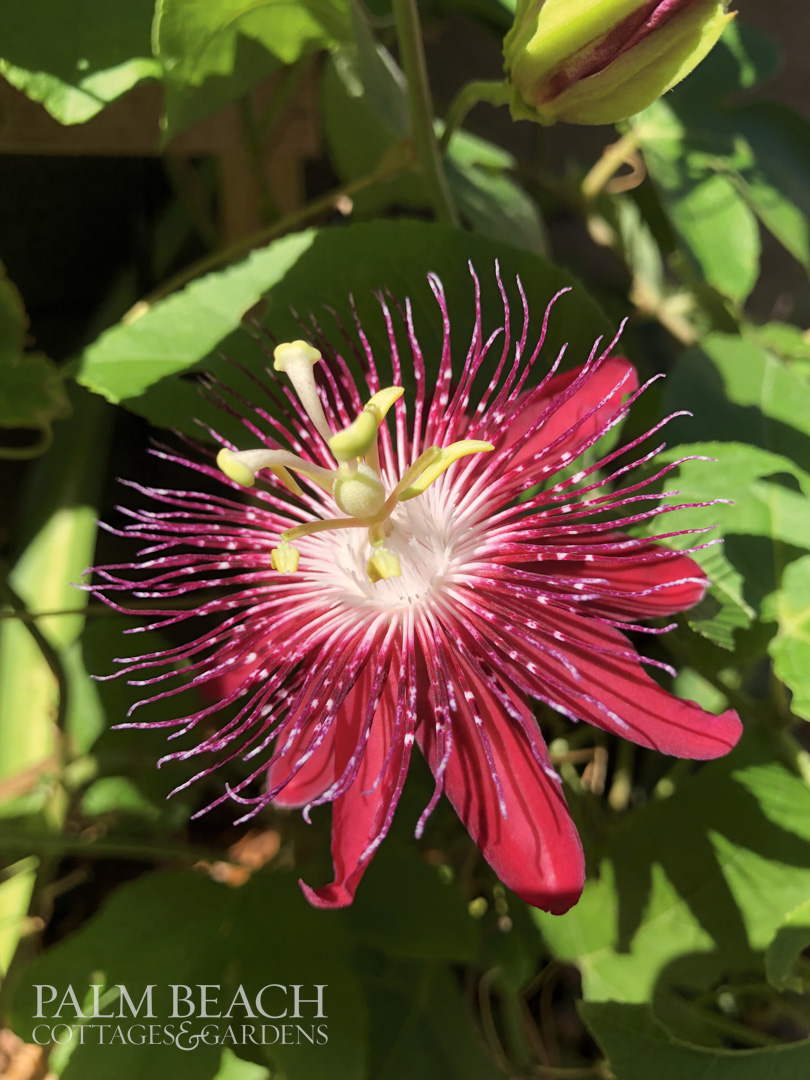
A Passion Flower (Passiflora incarnata) in full bloom.
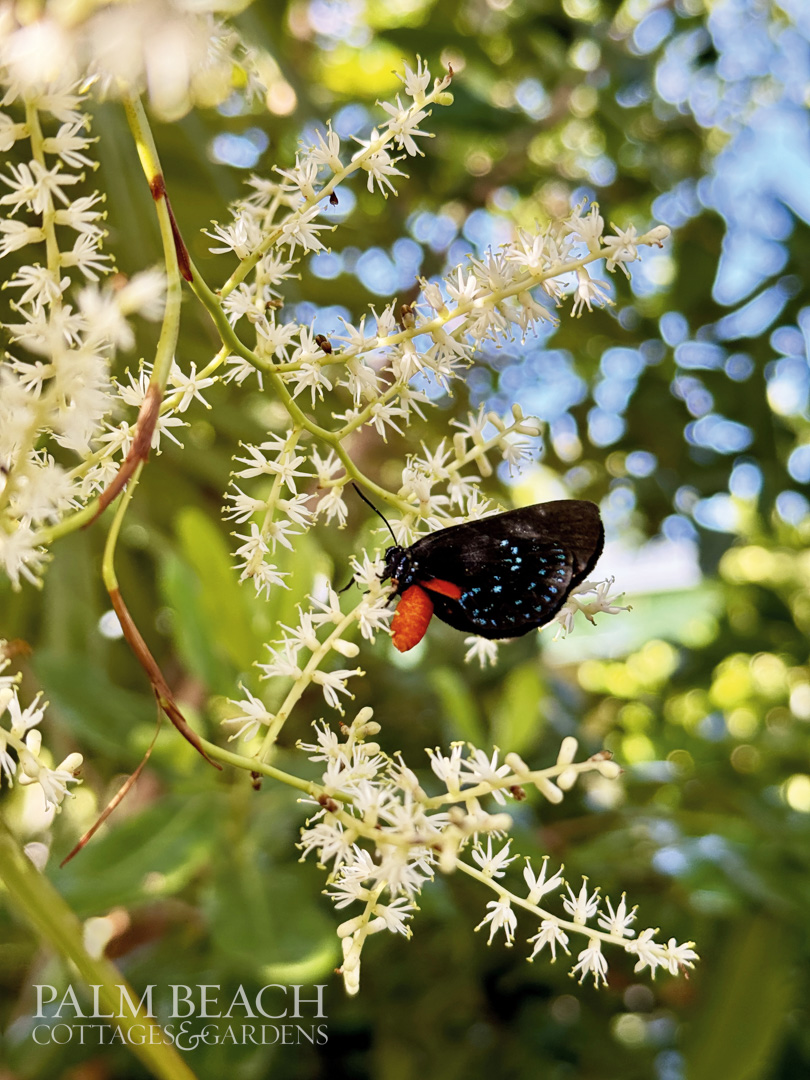
Atala Butterfly (Eumaeus atala), an endangered species in Florida, is resting on a Sabal Palm (Sabal palmetto), the state tree of Florida.

Halloween Pennant Dragonfly (Celithemis eponina) perched on a Silver Saw Palmetto (Serenoa repens).
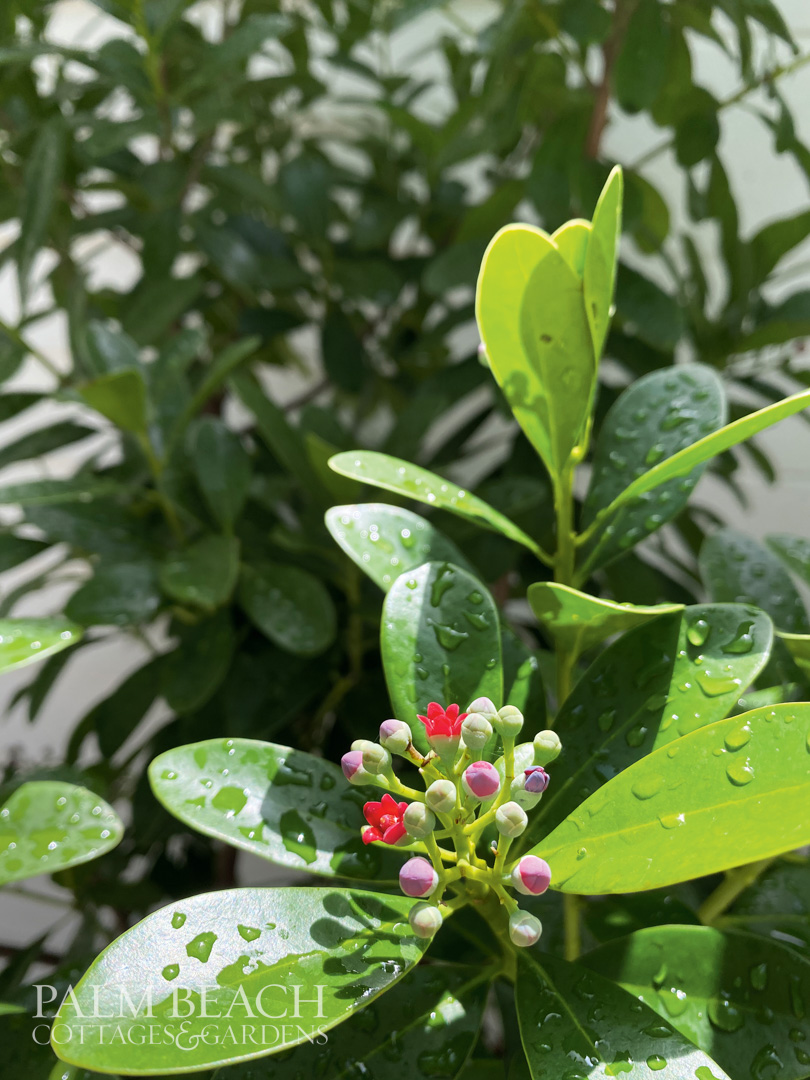
Blooms on a Cinnamon Bark tree (Canella winterana) considered to be the “Rolls Royce” of native plants, says Richard Moyroud, a well-known native plant advocate. Once established, they are not only beautiful, but incredibly hardy and require almost no maintenance.

Award-winning oceanfront property with native plantings by Yates Burle Design, including rare sea lavender (Heliotropium gnaphalodes), a native Florida and Caribbean palm known for its resistance to hurricanes. A salt tolerant, and drought-resistant shrub that is crucial for dune stabilization and is listed as endangered in the state.
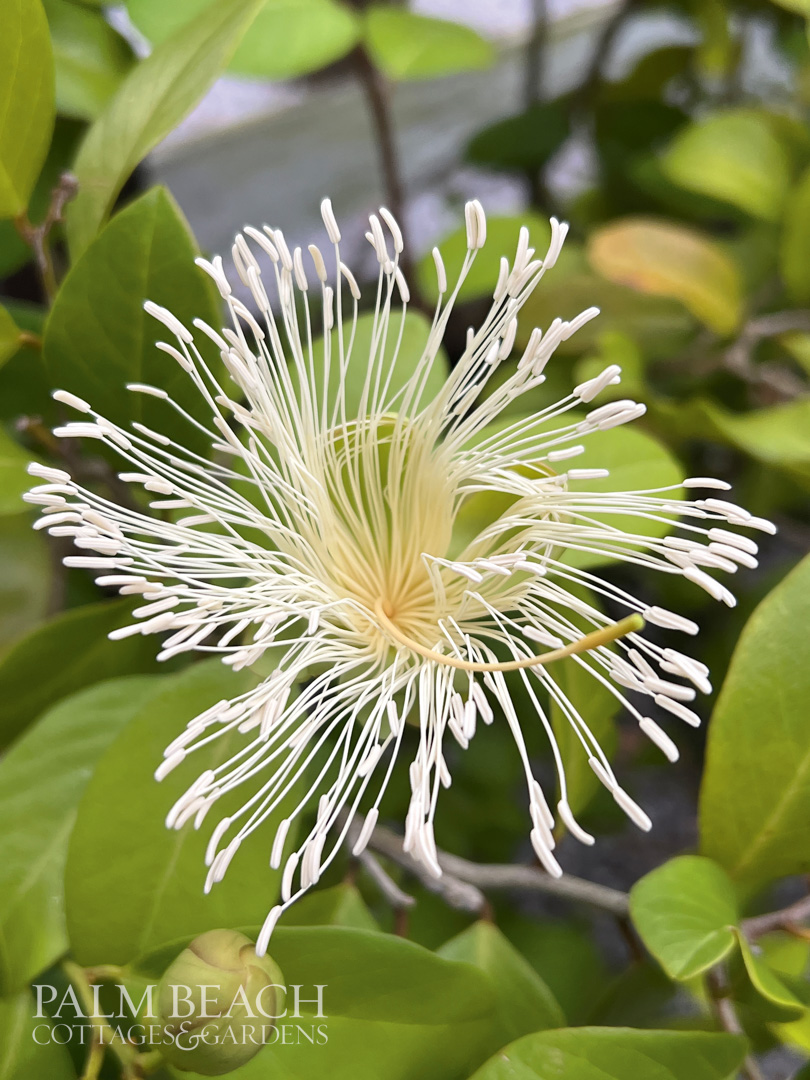
The salt-tolerant Limber Caper (Cynophalla flexuosa) with spiraling white flower is a favorite with birds and is a larval host for caterpillars.

A landscape of fully native groupings of rare coastal species planted in their natural habitat—coquina sand—not grass. On the right is the sturdy but slow growing Buccaneer Palm (Pseudophoenix sargentii), a native Florida and Caribbean palm, which attracts bees and is hurricane-resistant.
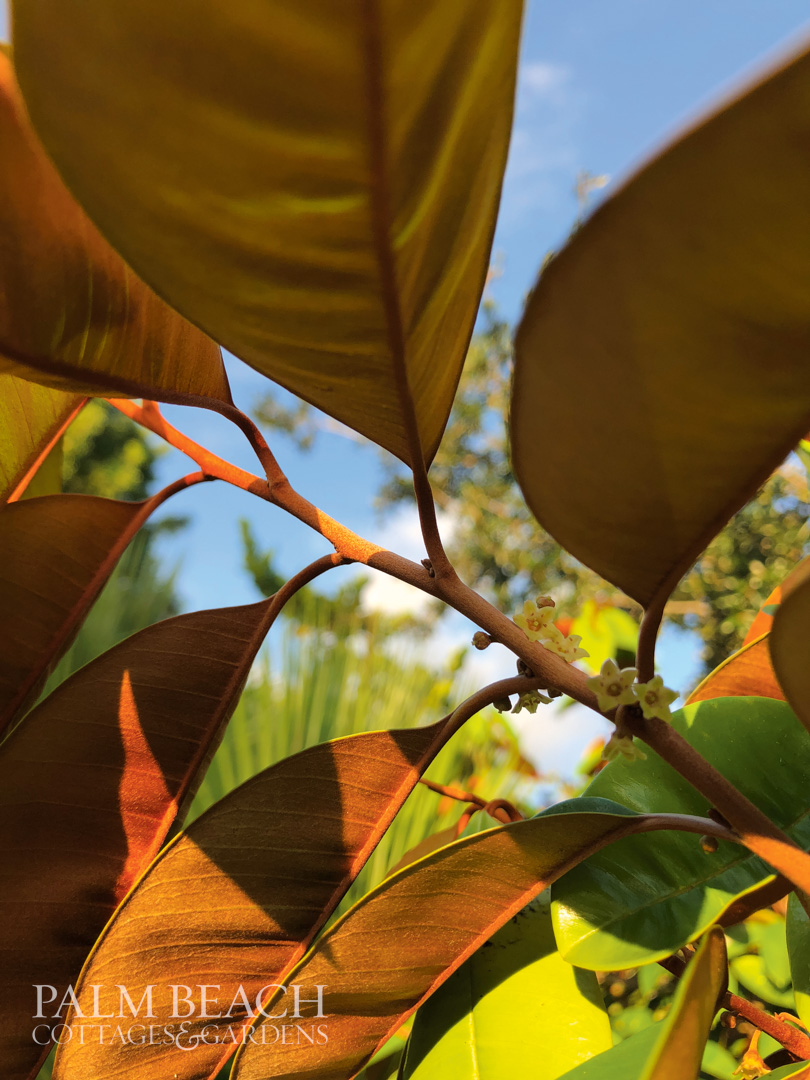
The rare native Satin Leaf Tree (Chyrsophyllum oliviforme), which is drought-tolerant and resistant to hurricane force winds.
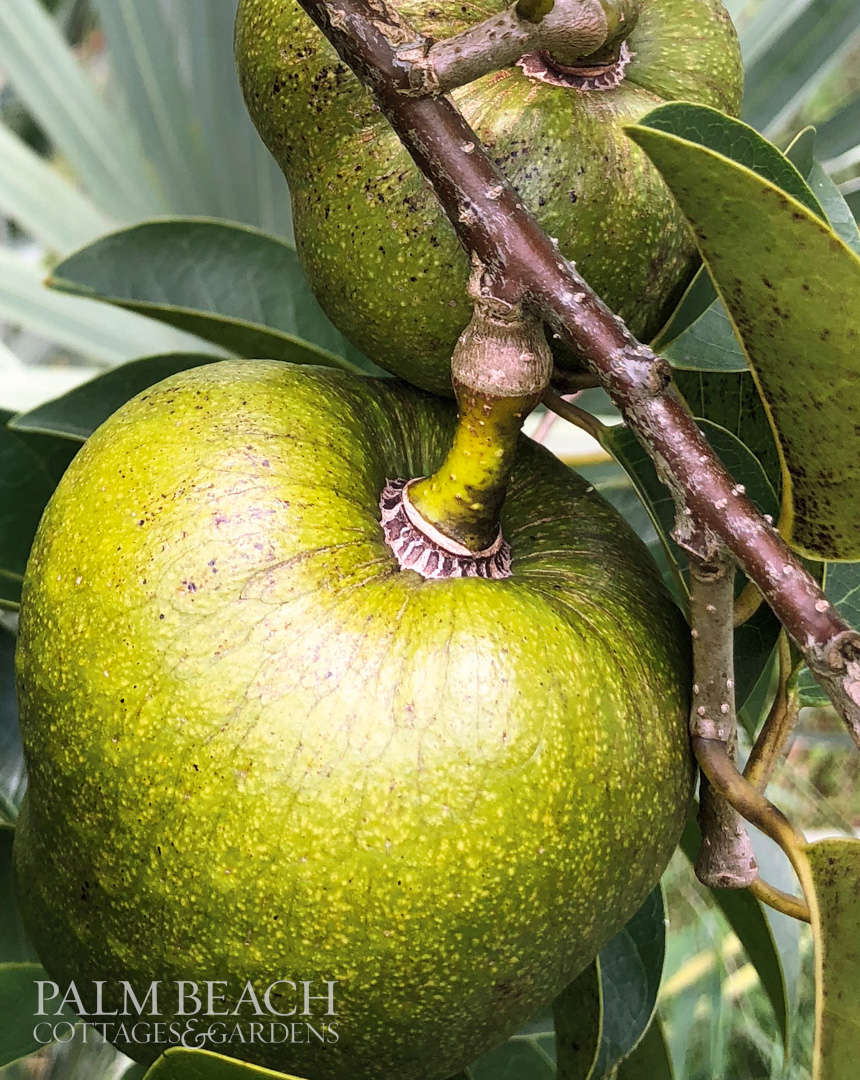
A Pond Apple Tree (Annona Glabra), another native species that can grow in tidal and brackish waters and is also found in the Everglades.
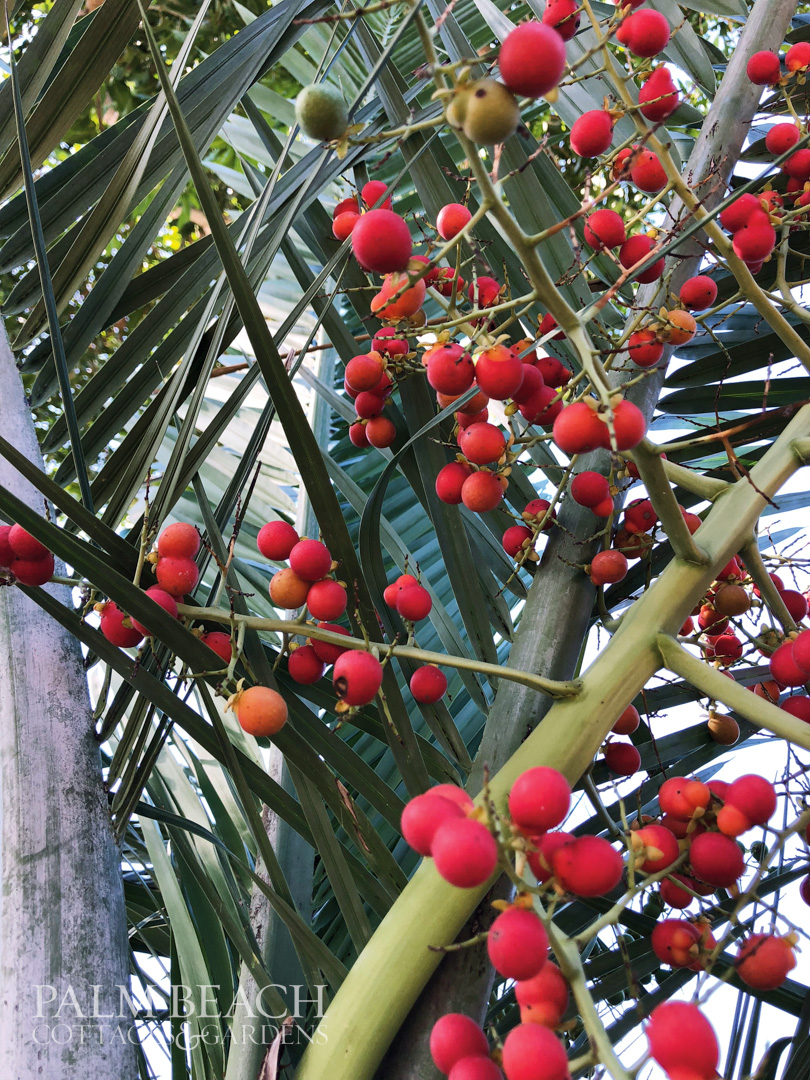
A Buccaneer Palm (Pseudophoenix sargentii) with red berries that emerge after bee pollination.
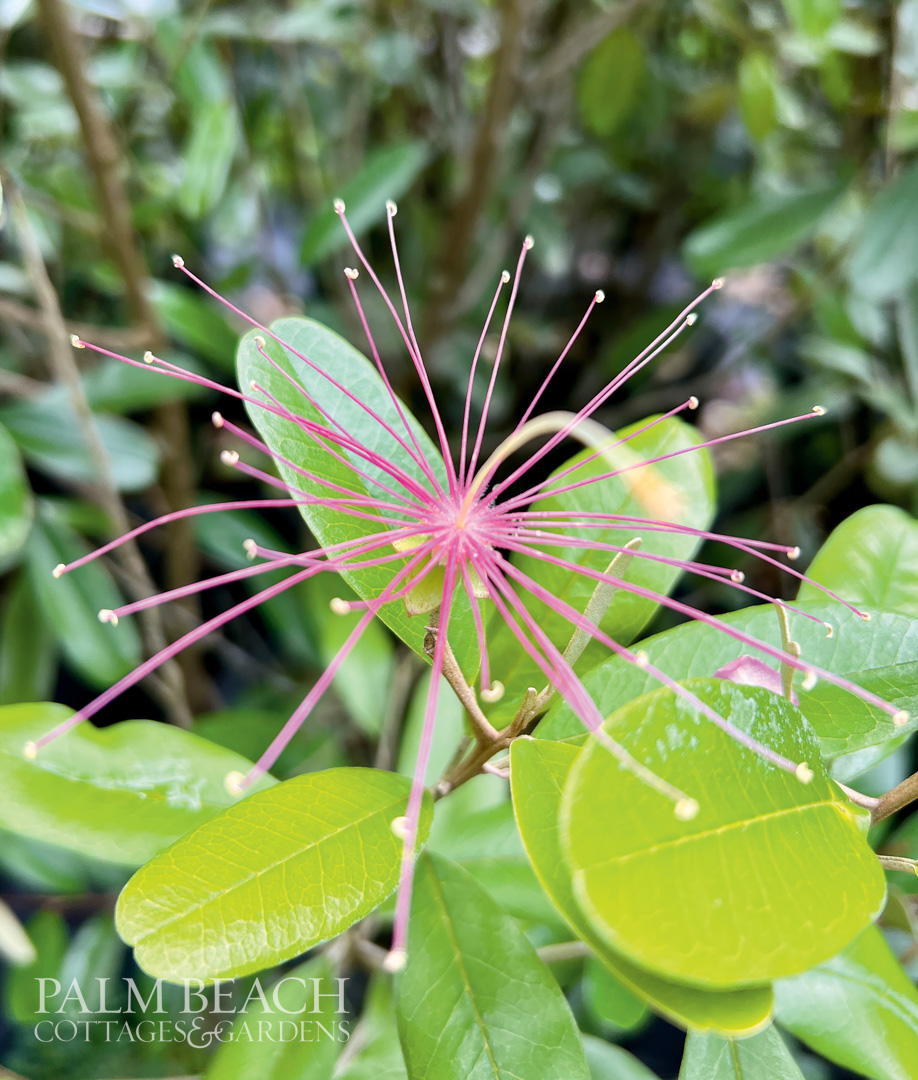
The Jamaican Caper (Quadrella jamaicensis) is naturally occurring on Bingham Island, just south of Mar-a-Lago. Yates Burle Studio planted 50 of them at the Ann Norton Sculpture Garden as a natural alternative to the ubiquitous Clusia hedges.

Florida’s state butterfly, the Zebra Longwing (Heliconian charitonius) rests on the leaf of a Cinnamon Bark Tree (Canella winterana).
Their consideration of the details doesn’t just end with the aesthetics—they pay attention to addressing biodiversity because they say that beauty and biodiversity don’t have to compete. “You don’t choose one or the other. So, then the landscape isn’t just beautiful for humans, it’s also intriguing for wildlife.” They let trees grow into their natural form: No pruning or trimming in a restrictive manner, so one gets to see the natural growth of the tree as it takes shape. “Often our native trees and landscapes are disturbed by traditional maintenance regimens, and there’s nowhere for any type of bird to make a nest; flowers or berries get cut and bagged for trash, or the plant is pruned before it can even produce flowers.”

“We tell our clients not to trim the palms, and not to cut down the seeds—because then you prevent them from offering an ecosystem for birds, butterflies and bees…. which a lot of people don’t realize is something native palms provide.”
“Artificial grass, date palms and hedges are popular in Palm Beach, but it wasn’t that way historically. When you look at old photographs of landscapes, you see it was much wilder and more natural in its infancy than today.”
Debra ends by saying: “We feel that the importance of a tree is equal to that of an architectural feature. They go hand in hand.”
