


Philip Gorrivan spent years lusting after his 7-acre property. At first, he was just attracted to the scenic road not far from sleepy Washington center. The combination of woods, open fields, hairpin curves and historic ambiance called to him even before he began to focus specifically on the modest 1800s house partially hidden behind a forest of trees. Gorrivan and his wife, Lisa Rossi, wanted to own that house. “It was my jogging fantasy,” he recalls. They made inquiries and were rebuffed until the owner was willing to part with the diamond-in-the-rough for a feasible price. In 2009, Gorrivan finally had his opportunity to run his hands over the curvaceous landscape.

Famed for his luxe style indoors, Philip Gorrivan Design is known for interiors with high gloss and vivid, daring color. But outward bound in his own domain, Gorrivan felt the freedom. “There’s a finiteness about an interior,” he realized. Inside, he’s prone to pops of saturated colors. Outdoors, he can play with a larger, softer palette. But first, he had to uncover the land, because it was literally hidden behind the forest.
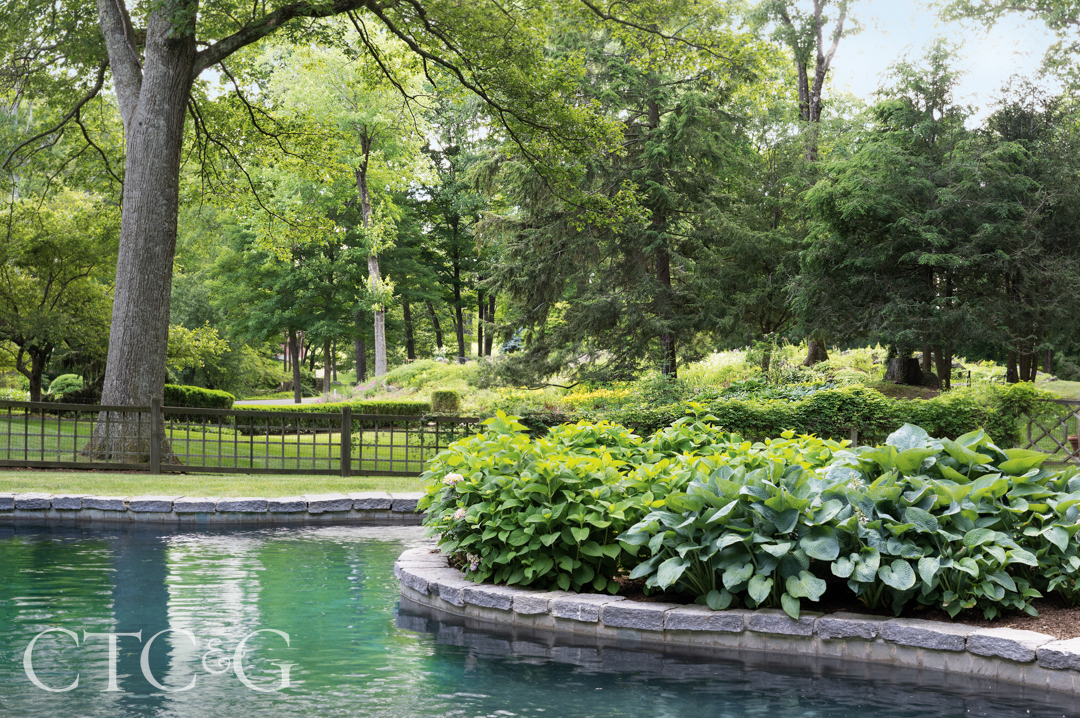
Hosta and hydrangea beds soften the pool’s edge. The surrounding wooden fence is partially draped in akebia and autumn clematis.
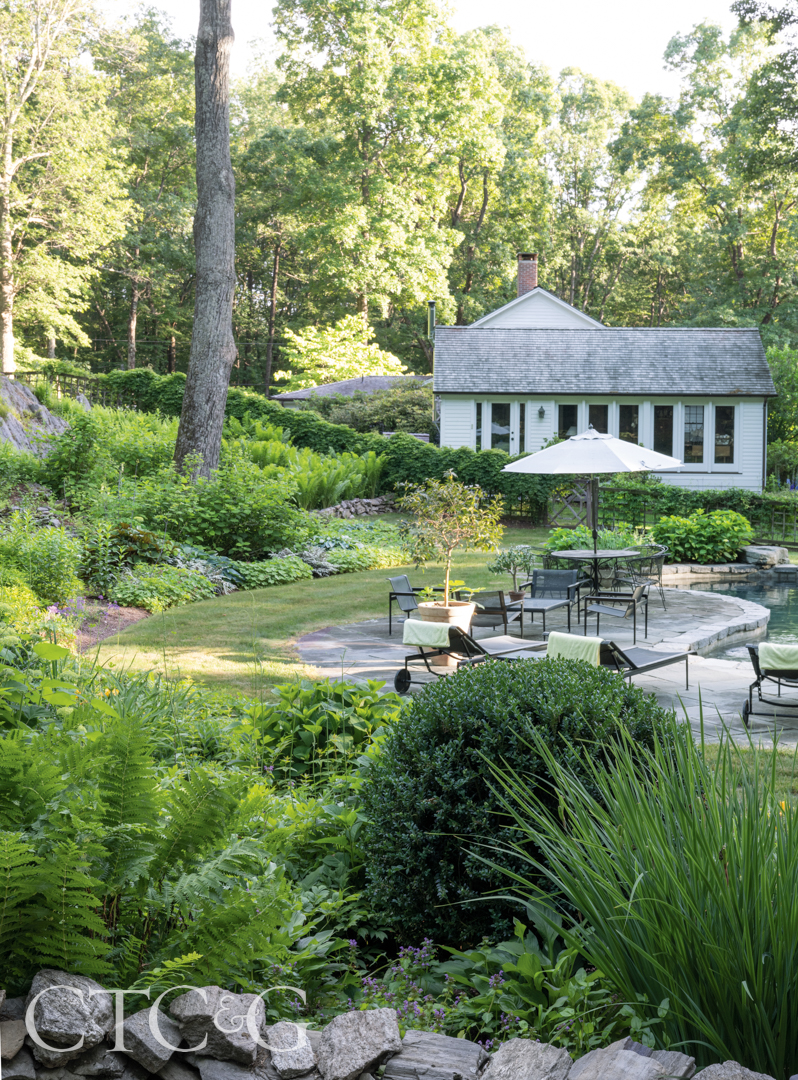
As a counterpoint to the traditional house, Gorrivan chose modern pool furniture.

A concrete table with bistro chairs and bench create an informal lunch destination.
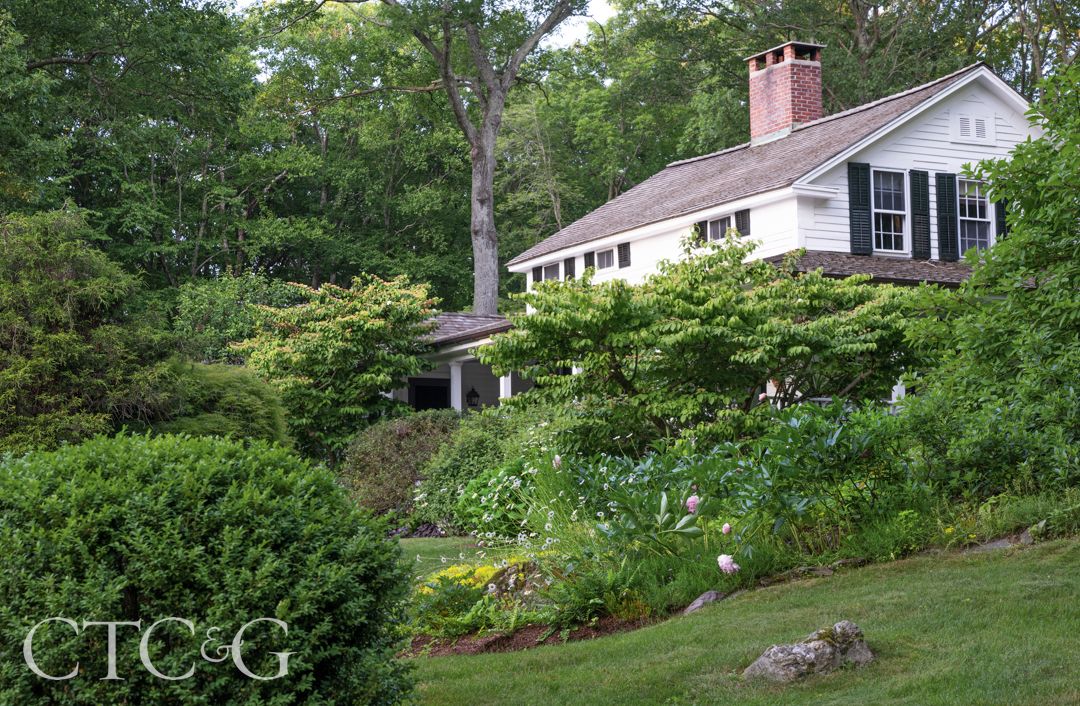
The whites of peonies, viburnums, hydrangeas and impatiens echo the color of the house.
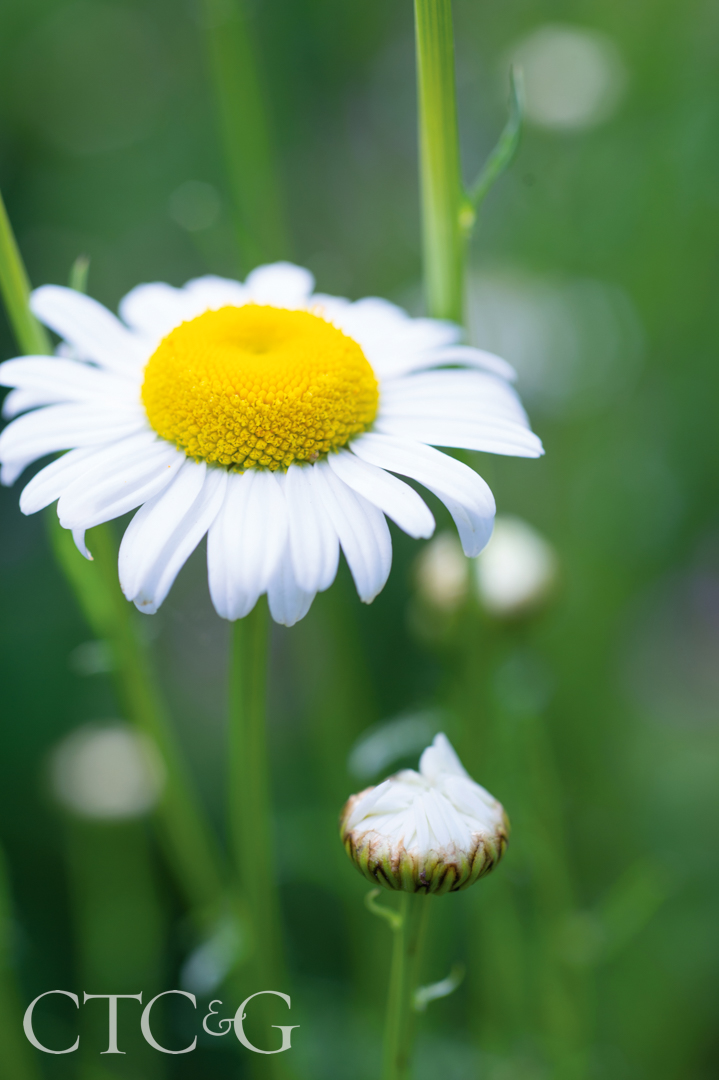
Oxeye daisies seed themselves into the scene.

By planting delphiniums close to the warmth of the house, Gorrivan cracked the secret to overwintering them.
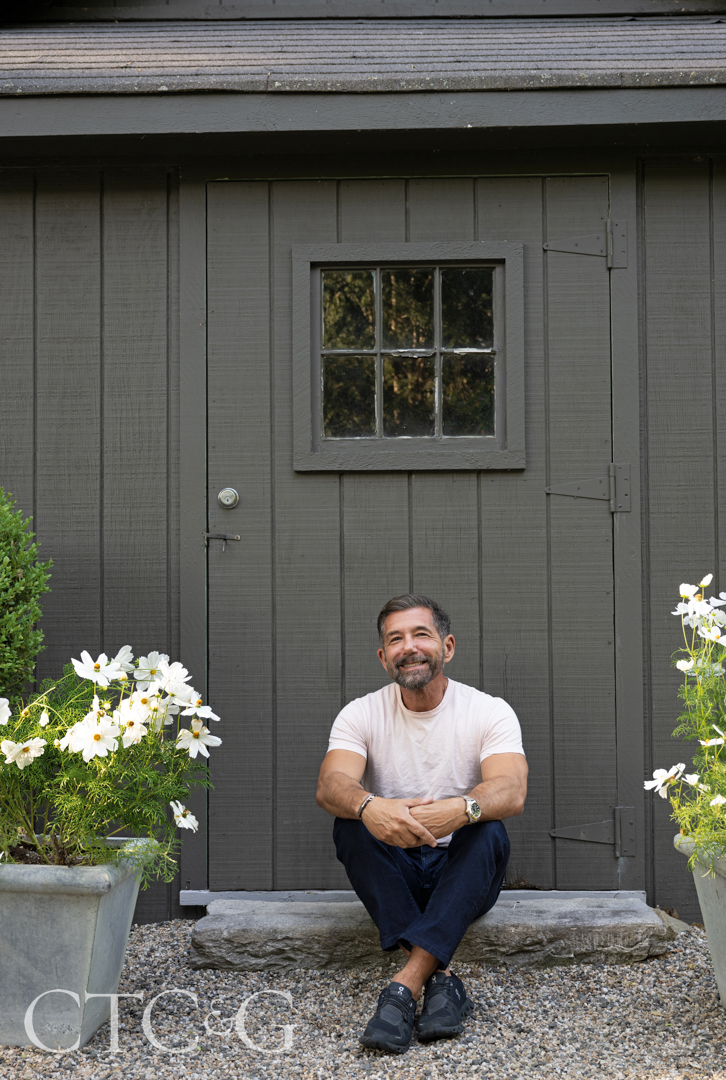
Philip Gorrivan (seated in front of the garden shed) prefers containers focused on a single plant, like the white cosmos here. “It creates impact,” he notes.

Perennial peas are the perfect foil for the garden shed painted Benjamin Moore’s Dragon’s Breath.
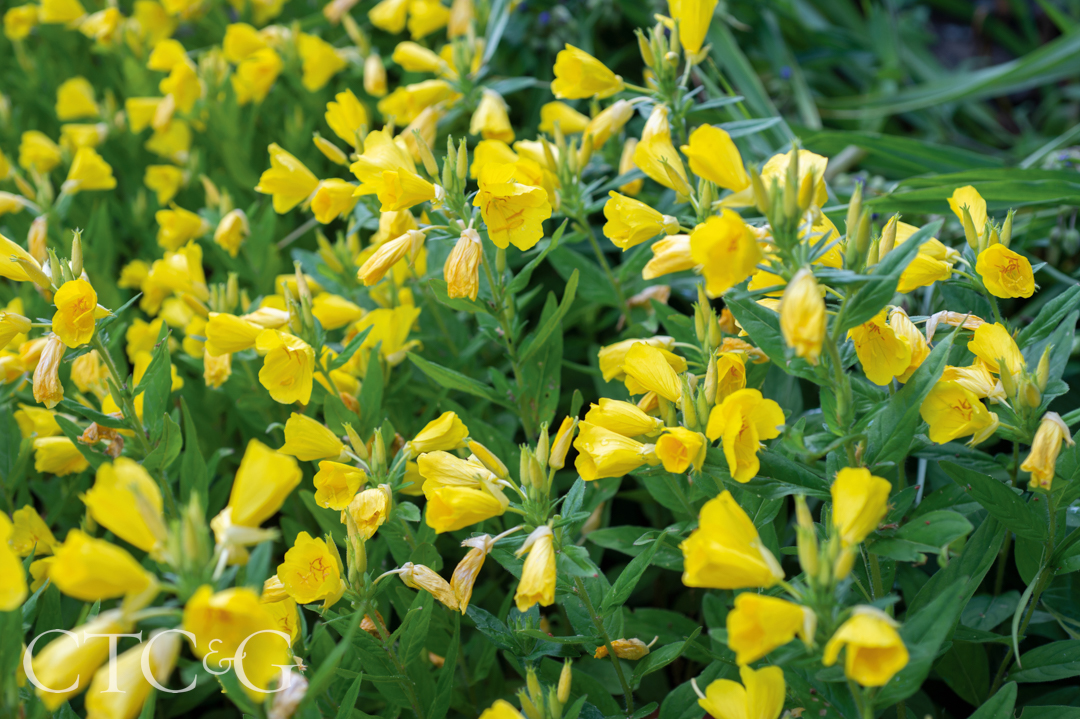
Evening primrose blossoms open to a soft yellow.

The boxwood orbs were planted 10 years ago. “Now they’ve tripled in size.”

A pair of tree swings take pride of place in the front yard.

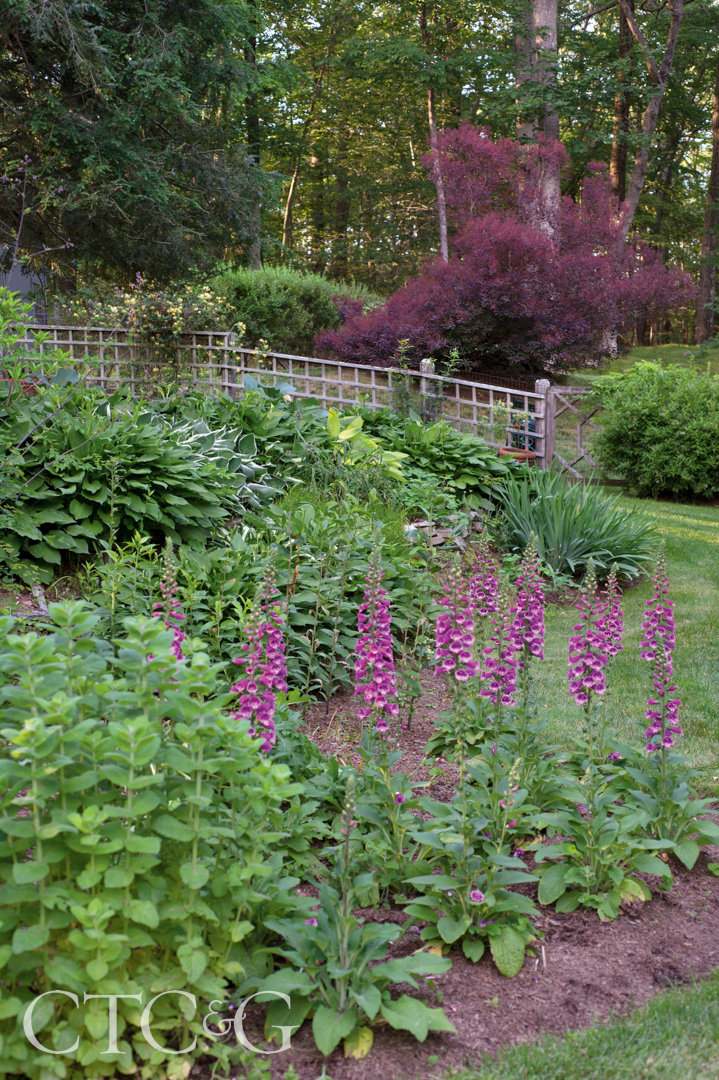
Every year, Gorrivan inserts foxgloves where he wants them—like at the foot of this rock ledge, but they scatter seeds where he least expects.
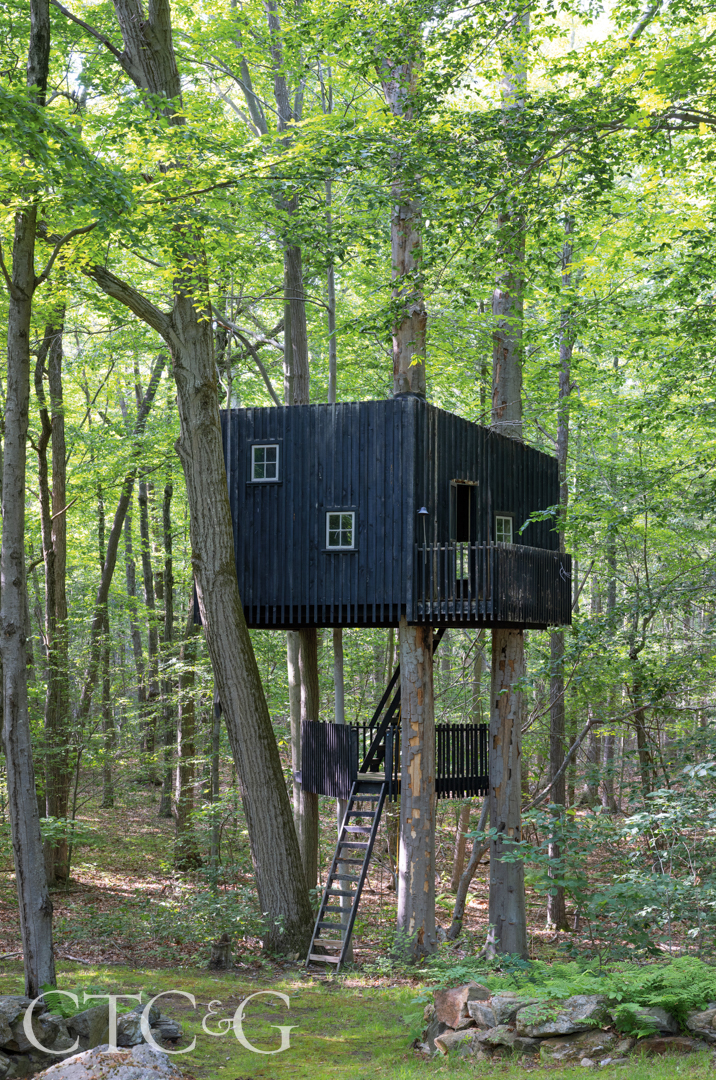
The tree house is so elevated that it requires a landing for comfortable access.
“The previous owner started the gardens, but I wanted to take them to another level. My vision was to expose the rolling topography,” he recalls of the process. What he found after a whole lot of tree removal was not only dramatic rolls, but ledge like he’d never seen before. Huge outcroppings hidden from sight were suddenly celebrated. But Gorrivan’s vision was not only to lay them bare but also to weave them into the rubric of plantings. Gradually, he enhanced the boulders with a rich textural matrix of foxgloves, lamium, nepeta, perennial pea, and blocks of similar semi-wild plants. Woven together with time, the plantings now create a strong vertical dimension above the outcropping throughout the growing season.

So yes, Gorrivan does play with color in his landscape, but he keeps it quiet “due to the light outdoors” to weave a softer palette that merges with its surroundings. Initially, he planned to ban yellow. But a persistent swath of evening primroses cured that prohibition and opened the door to a less scripted narrative. In the landscape, it’s all about collaboration with his accomplice, Mother Nature.

There is framework. Ferns persisting from the previous forest create the fluffy, frondy leitmotif weaving it all together. “Green is my neutral,” he says, “like beige and brown are my neutrals indoors.” In lieu of walls, he hems various areas with defining rows of hedging. And like his interiors, there’s a textural mix. For that purpose, his entry driveway is syncopated by a series of neatly clipped boxwood orbs: “They are the structure,” he explains of the sculpted boxwood parade, “but everything around them is unstructured.” Further into the landscape, billowing hydrangeas are a frequent refrain, and peonies burst for a brief pop of color surrounding the house. “Shapes and foliage create subtle and effective balance—you have to let nature do its thing and not fight it. There’s an important lesson there.”

Gardening without walls (or deer fencing) has been an awakening on many levels. Gorrivan’s choices are limited not only by what he finds to be visually appealing, but also by what will not be devoured. The family has also impacted the landscape. Lisa is active with the upkeep of the garden. “She helps maintain it, and she loves it,” says Philip. Their children (now grown) had a strong impact. Swings hung from an old tree were among the first additions to the scene, “and they’ve been a great source of happiness throughout the years,” notes Gorrivan. In 2013, in response to their son’s request for a tree house after admiring a neighbor’s version, Gorrivan designed an aerial “club house” behind the garage/studio.

Gardening has become a liberating contrast to Gorrivan’s interior perspective. “In interior design, you don’t have the luxury of trial and error,” he notes. But gardening is all about experimentation, and he loves that aspect, “You learn from your mistakes outdoors.” Always eager for client input, Gorrivan has the deepest respect for his collaborator in the landscape, and he gives her full credit, “Mother Nature is never wrong.”
