





According to Research Alchemist, the luxury real estate auctions market is projected to expand 14.7% each year from 2026 to 2033. Trayor Lesnock, founder and president of Platinum Luxury Auctions, says this is still a drop in the bucket when it comes to overall real estate sales. “Auctions will, and frankly should, always be a process that is right for certain luxury homeowners and wrong for many others,” he explains.
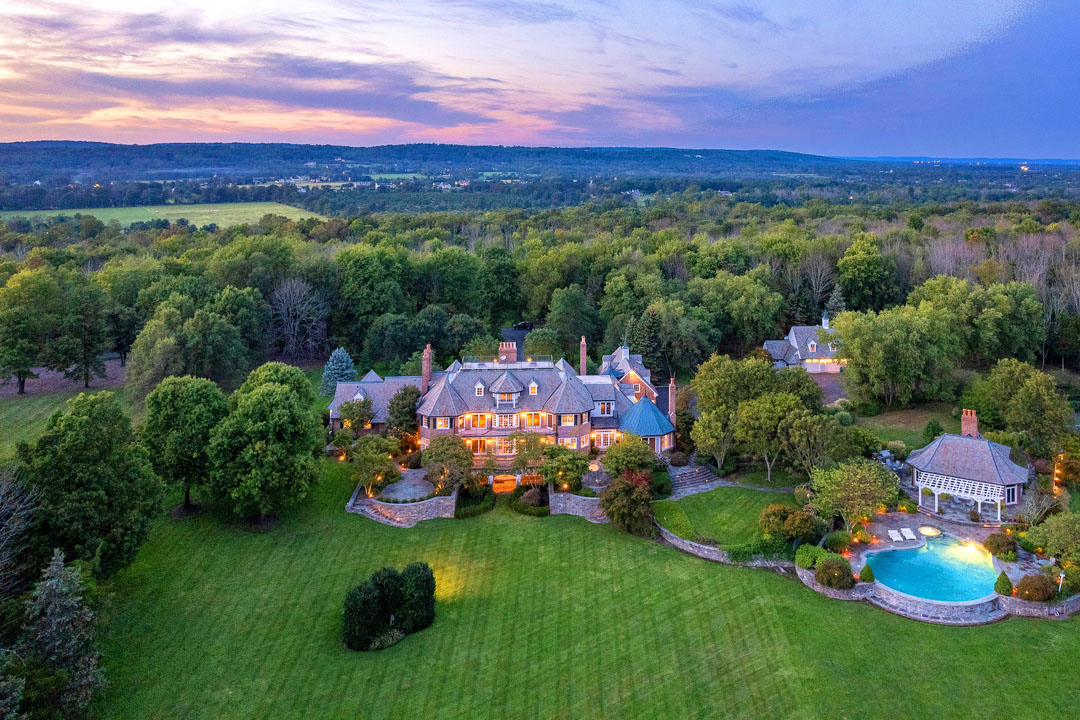
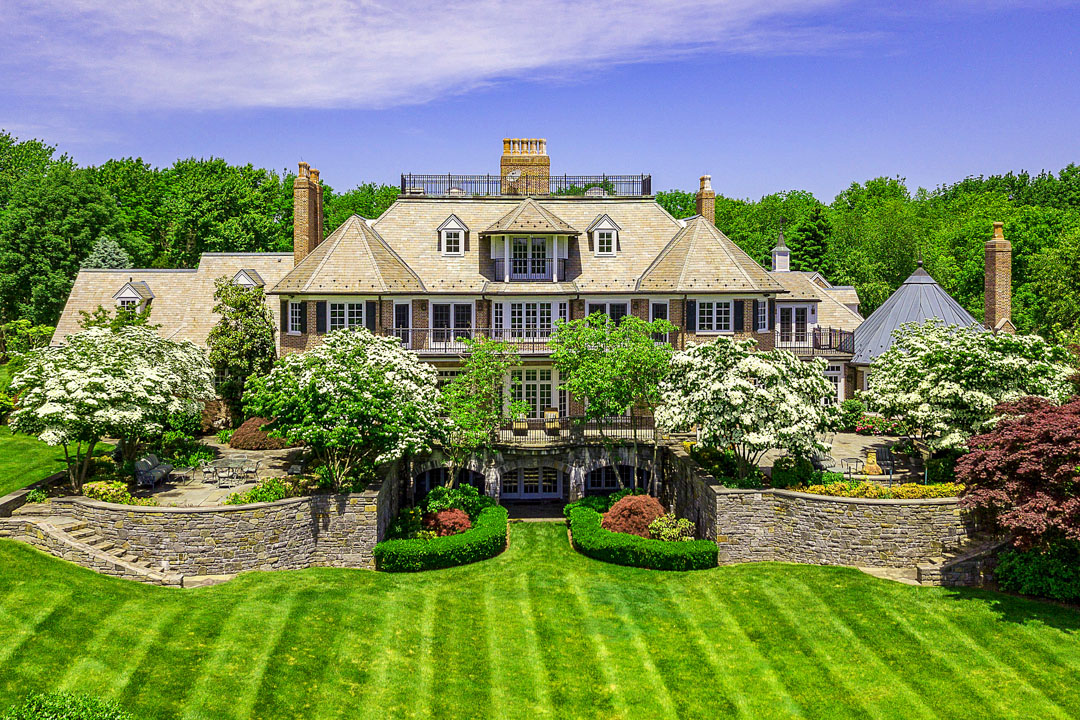
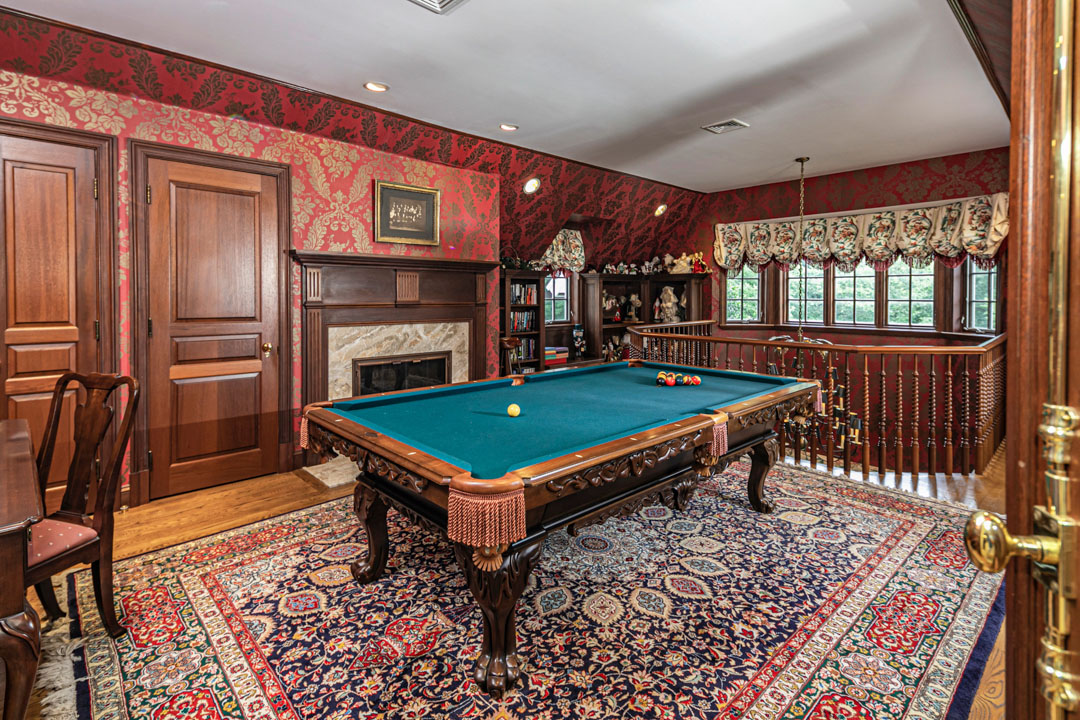
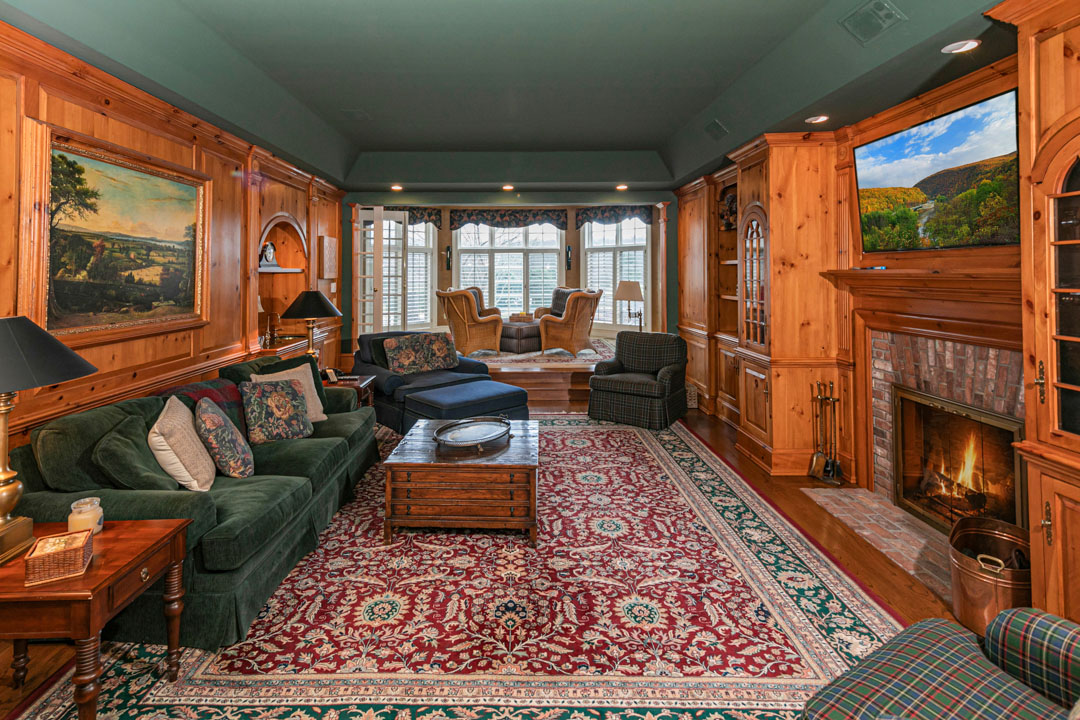
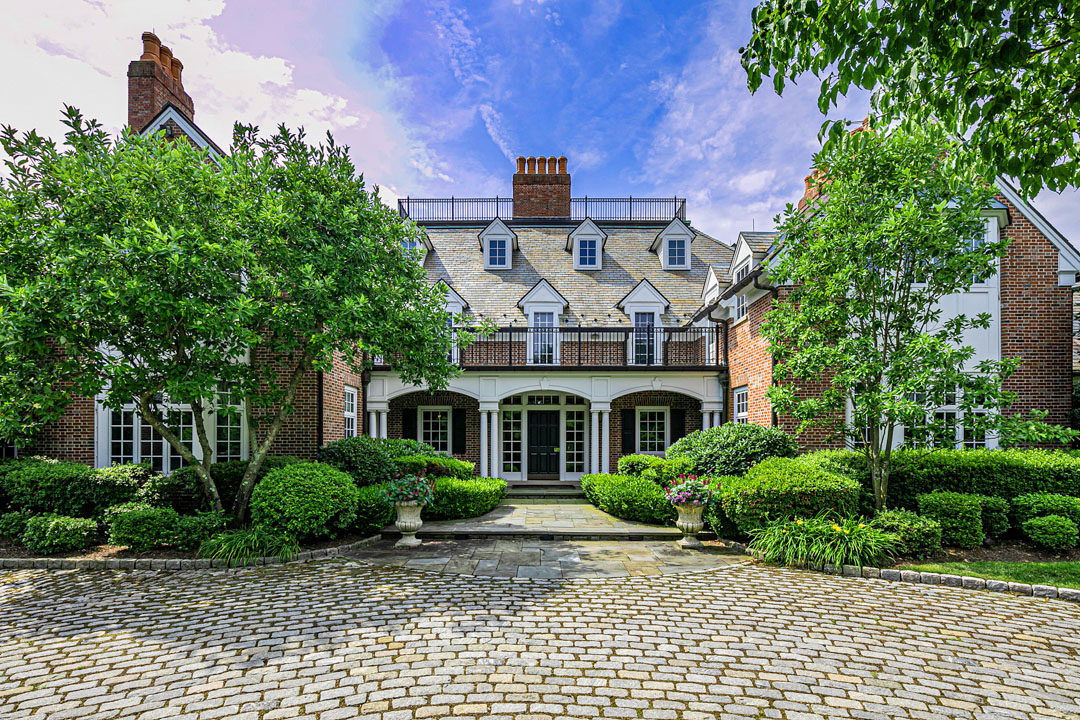
Lesnock has a knack for identifying properties that will benefit from the auction process and its unique tools (a constrained timeline, a competitive marketplace). For example, the 26-acres estate in Hopewell, NJ, pictured above is on auction now through October 30.
“Hopewell is a great marketplace, though statistically it has very thin transactional activity in the uppermost pricing tier, roughly at prices north of $4 million,” he explains. “The size, quality and amenities of the property certainly support substantial value well above that $4 million price, though that value has been difficult to unlock using the traditional sales process. So in this case, by accelerating the normal market timeline, we are creating a viable marketplace for the property within a five-week period.” Lesnock sits down with dailyDEEDS® to tell us more about this strategy, why its growing and what types of properties benefit most.
Why are we seeing more ultra-luxury homes come to auction?
Trayor Lesnock: Luxury properties that are more difficult to value using traditional methods have always found their way to the luxury auction process. It stands to reason: if a property is truly unique, then it will be inherently more difficult to fit any corresponding valuation within the normal parameters of its marketplace. The increase in such homes being offered for auction in today’s market is largely a function of two factors. First, there are arguably now more companies offering luxury real estate auction services than in previous years. And second, various companies have taken to using sales models that significantly lower the barrier of entry for luxury homeowners.
When a property truly has no meaningful comparable sales, how does the traditional pricing process break down?
Throughout literally thousands of property analyses across broad geography and time, we have found that a property can always be given some form of valuation. That said, being candid and objective with such a valuation means that a range of value is often needed to fairly assess price, versus a specific number.
For example, we may be unable to determine the precise value for a unique property, but we can use the prevailing metrics in the marketplace—such as price-per-square-foot or price-per-improved-acre to identify the market’s broader floor and ceiling values for those metrics.




What does an auction accomplish that a conventional listing cannot?
The auction process creates important motivators for a buyer to perform when those motivators are otherwise lacking in the traditional sales world. Think of what happened to luxury real estate during Covid. Brokers were fielding multiple offers and able to pit buyers against one another to yield optimal pricing. In other words, every transaction was essentially like an auction! Once the extreme effects of the pandemic faded, however, so did those pressures placed upon buyers. The auction recaptures those pressures, using a condensed sales timeline and the date-certainty that a sale will occur under certain conditions and without any contingencies, haggling or unknowns.
Is there a misconception that auction necessarily means a property is distressed, discounted or difficult to sell?
Or course! While this effect has softened over the past 20 years, it is still a factor that remains, at least initially, in the minds of many people. The reasons for this are deeply rooted in U.S. culture and society. It goes back to the Great Depression and how real estate auctions (those of a very different stripe) were used at that time. By way of contrast, people from certain countries in Europe—wherein auctions are much more common for all prices of property—either do not have any such negative real estate auction perceptions, or they are very minor in scope.
What types of properties are particularly well suited to auction?
Those that are desirable (and thus, there can be confidence a competitive buying market can be generated for its purchase), have for whatever reason failed to sell using traditional brokerage methods, and wherein the seller is market-minded. That is, the seller, like any other luxury seller, still wants every single penny the market will offer, but at the same time understands that market is subject to certain tolerances and limitations at any given time.
Can you walk me through a recent auction where you believe the model worked perfectly well?
When you sit it my seat—and if you have confidence, you consistently execute this process at a high level that can be verified by reporting and feedback data. The model always performs and proves it’s value! This being said, in 2025 we saw a very notable increase in the rate of pre-auction sales—those sales that occur prior to and are induced by the threat of the impending auction. We saw these sales more than double last year. Further, those presales occurred at an average of 92% of list price. And, those list prices were aged on the market and unchanged over an average, 18-month period. Meaning, buyers had ample time to purchase those homes, yet they did not. When they were then compelled to do so (via auction) they did at very lofty numbers, rather than any discounted rate.
