


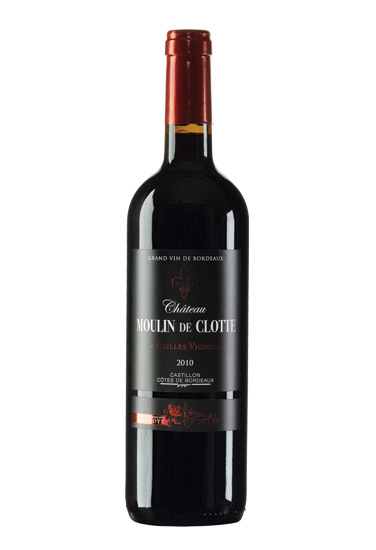
While we all know about Lafite, Latour and Margaux, lower-priced wines from less vaunted corners of the region offer remarkable value. These “Bordeaux in blue jeans,” as marketers call them, encompass more than 1,000 growers in four AOC regions of the Côtes de Bordeaux—Blaye, Castillon, Cadillac and Francs. I’ve been impressed by wines from the Côtes de Castillon on the eastern border of St. Emilion, like Château Moulin de Clotte 2010 ($20) with lovely cherry and blueberry flavors, and Château la Bourrée 2012 Jean-Francois Meynard ($18), a Merlot blend from a great small producer.
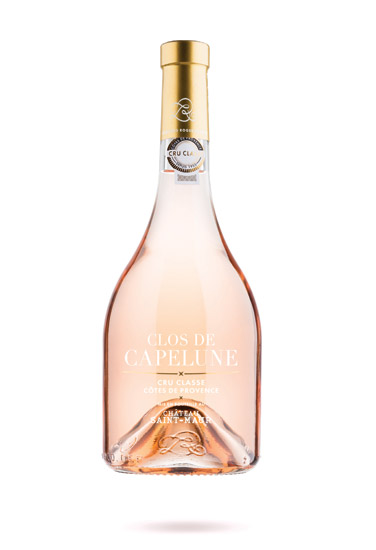
Two Provence rosés at the forefront of the “drink rosé year-round” trend are Château Saint-Maur, a cru classé rosé located along the Gulf of St. Tropez, and Château d’Esclans on the Mediterranean coast. Saint-Maur Clos de Capelune ($60), made from a Grenache/Cinsault/Mourvèdre blend, is layered with currant and blueberry notes. Château d’Esclans Garrus ($60), which is aged in oak for a year, resembles white Burgundy. Also look to the Bandol AOC: By law it must have 50-percent Mourvèdre, which brings more tannins and higher alcohol. Bandol’s earthy flavors stand up to game and other fall dishes.
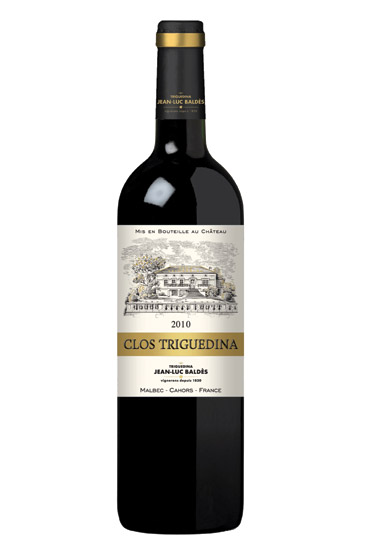
The South West region—120,000 acres with the Atlantic Ocean to the west, the Spanish Pyrenees to the south and Bordeaux to the north—produces strong sturdy reds that are being noticed by serious wine drinkers. For years, the region has been hidden beneath Bordeaux. The Madiran AOC in Gascony uses the grape Tannat, one of the planet’s healthiest, very high in tannins and procyanidins. Alain Brumont, a pioneer of Madiran, makes excellent Tannat blends at Château Bouscassé and Château Montus. Probably the South West’s best-known appellation is Cahors, the original home of Malbec, long before Mendoza had such success with the grape. Try Château Lamartine Cahors ($16) and Jean-Luc Baldes Cahors Clos Triguedina ($27).
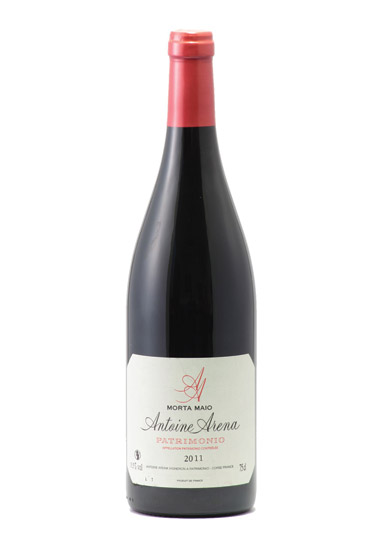
Though viticulture on Corsica goes back to 570 BC, wines from the Mediterranean island are just now emerging as an exciting overseas export. Young winemakers are crafting distinctive reds from indigenous grape varieties like Sciacarello and Nielluccio. Look for intriguing reds from Domaine Maestracci at the foothills of Monte Grossu and Domaine Antoine Arena from Patrimonio, a leading winery that spearheaded the movement toward quality. Arena’s Grotte di Sole ($25) is made from Nielluccio from 60-year-old vines. Both wineries turn out gems imported by Kermit Lynch Wine Merchant, known for offering the best small producer wines from all over France.
