


Amrut Indian Single Malt Whisky might be one of the most awarded whiskies of the world. It’s made from barley grown in Punjab, where waters from the Himalayas flow through the river Sutej, and in Rajasthan in India’s northwest frontier. The malted barley is distilled in small batches in Bangalore and then aged for over three years in oak barrels in a tropical atmosphere at a site that’s 3,000 feet above sea level. “With the tropical heat, a great deal of whisky goes up to the Heavens for the ‘angel’s share’ and the whisky becomes higher and higher proof,” explained Raj Sabharwal, a founding partner in the brand.At a dinner held at Michelin-star restaurant Junoon, a group of whisky aficionado journalists tasted the Amrut Classic Single Malt at 46%, a rich malt with licorice and toffee notes. Then Mr. Sabharwal brought out his newly launched Amrut Fusion Single Malt at 100 proof. He led us through the tasting where we sealed our palms to the top of the glass for a minute and then nosed the whisky. It was a beauty–complex and fruity with oaky vanilla notes and a slight overlay of smoke. As it evolved in the glass, seductive chocolate fudge notes emerged.
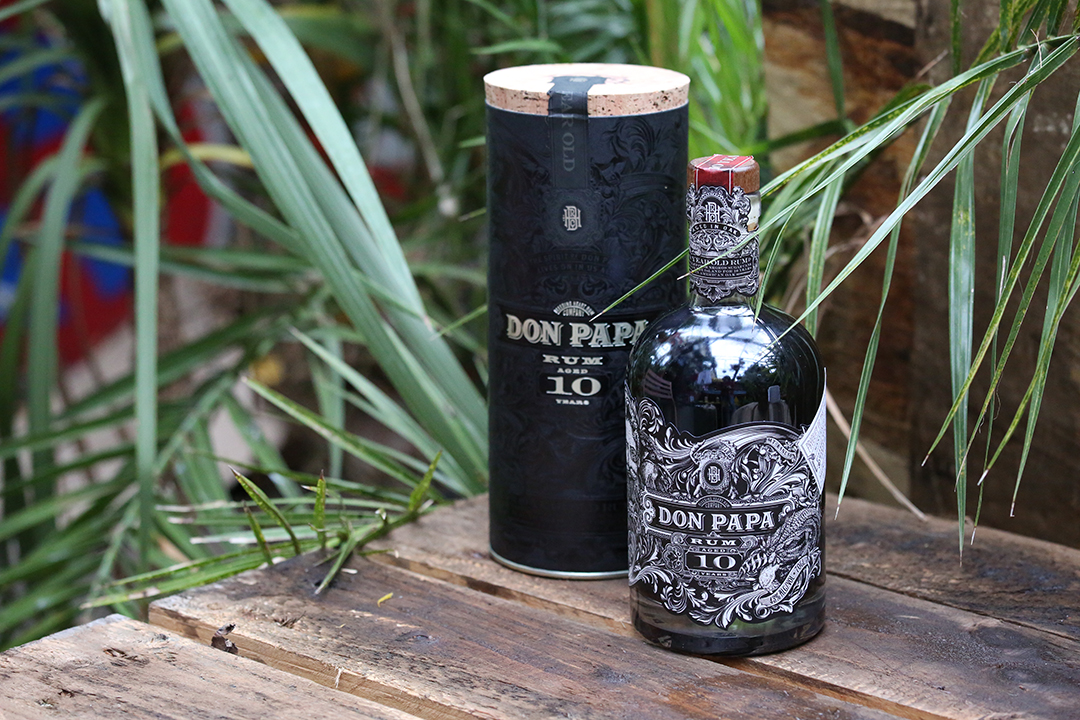
While on a sailing holiday around the Philippines, Stephen Carroll happened on Negros Occidental, a Cuba-like island covered in sugar cane fields with an active volcano. There he discovered a bounty of rum just away aging in oak barrels.“I found there was no quality rum being made on this rum producing island, considered the sugar bowl of the Philippines” said Carroll, who’s a veteran of the premium spirits business, last as global ambassador for Remy Martin cognac. He contacted his friend Chris Rigby, another spirits business aficionado who was at William Grant working on hip artisanal brands like Monkey Shoulder Whiskey and Sailor Jerry Rum. Together they decided to start an aged rum brand with the head start using the aged rum they found on the island.Rigby and Carroll, along with a third partner, created the small batch artisanal rum Don Papa, named for a legendary Negros Occidental island figure, Papa Islo, who was involved in the revolution for the Philippines’ independence.At a dinner party held in a hidden-away, candle-lit room full of exotic island masks, the brand launched their second expression, a 10-year aged premium rum called Don Papa 10 ($75), presented in florid designed bottle with flora and fauna and a portrait of Papa Islo with a long curly beard. Don Papa 10 is aged in bourbon barrels giving it a lovely dried fruit and butterscotch flavor.In their first expression, Don Papa 7 ($40), with its notes of honey, candied fruit and vanilla, a younger Papa Islo, pictured on the bottle, sports only a smart mustache. “Don Papa has aged,” Carroll joked and told me how he dubbed the island and Papa’s kingdom, Sugarlandia. Don Papa 7 is already a run-away hit in Europe selling millions of bottles. It remains to be seen whether the pricier, super premium Don Papa 10 will captivate America.
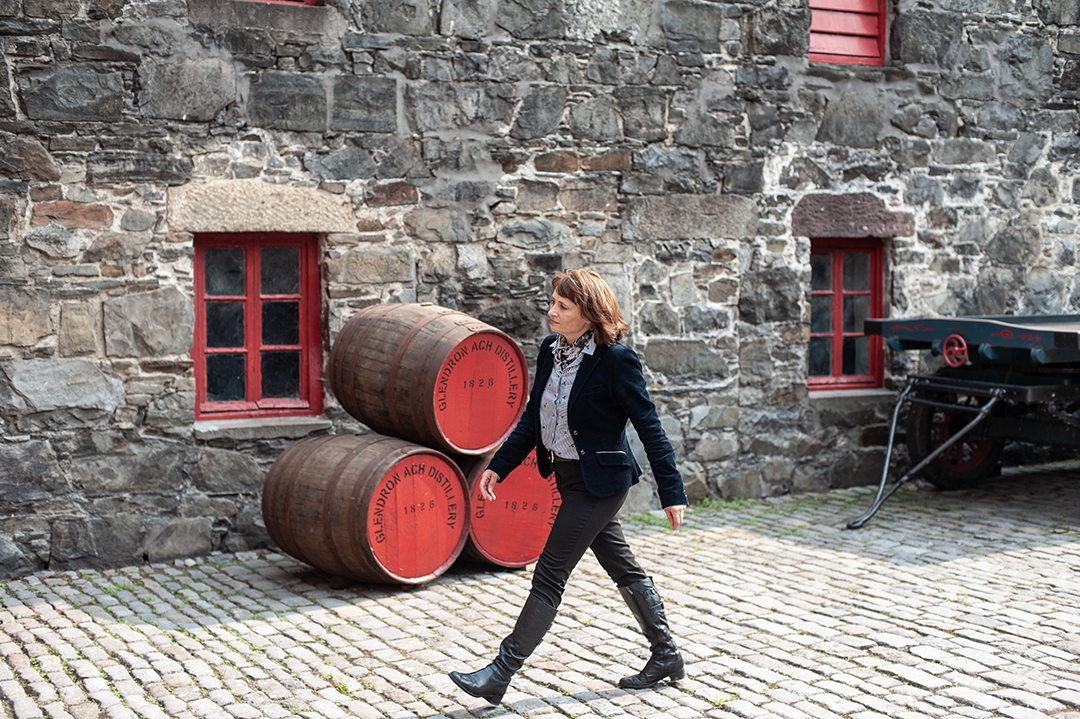
Does whisky just taste better with a female touch? Yes, it does when it’s The GlenDronach‘s Master Blender Rachel Barrie. Located in the Scottish Highlands, The GlenDronach, one of Scotland’s oldest distilleries since 1826, is renowned for its use of sherry casks in its whisky maturation.At the Brandy Library in lower Manhattan, journalists in small groups were treated to a cheese tasting against The GlenDronach expressions of the 12 Year Old (with Brie), the 18 Year Old (with Roquefort) and Cask Strength Batch 7 (with Epoisse). It was remarkable how strong cheeses perfectly complemented the rich and robust whisky, even the cask strength at over 115% alcohol.Then Master Blender Rachel Barrie introduced us to the newly released The GlenDronach 15 Year Old, which is aged in Oloroso and Pedro Ximénez casks. We were given snifters and asked to swirl and sniff and appreciate the aromas. “Just when you think it can’t get much better—and this is a sign of the finest single malt whisky— it always gets better and better,” Barrie said in her melodic Scottish brogue. “It shows incredibly enticing aromatics and when you tasted it, the first sip will be sweet and fruity and it will crescendo into a wonderful integration of dark honey in the middle palate and then lengthen into flavors of dark chocolate with warming spices.” I could have listened to Barrie’s descriptive whisky poetry for hours.Barrie, who hails from Aberdeenshire and who just received an honorary doctorate from University of Edinburgh, is one of a handful of female master blenders in Scotland. She oversees the vatting, wood selection and blending for the Brown-Forman Scottish single malt portfolio, which also includes BenRiach in Speyside and Glengassaugh on the border of the Highland and Speyside regions.
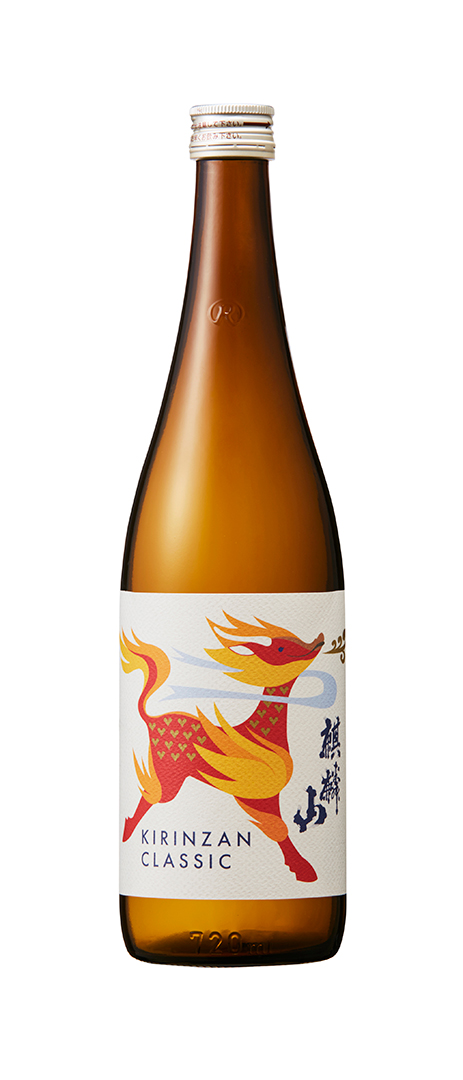
Niigata is one of Japan’s most prestigious sake producing regions. With 90 micro-breweries making small batch sakes, Niigata has the two right ingredients: rice and water. Rice fields where different rice varieties are grown are ubiquitous. In winter the region gets mountains of snow, making it one of Japan’s snowiest, and all that snow melts to produce a soft water that is the key to smooth and delicate sake style of Niigata.I attended a sake dinner at Kajitsu, a restaurant specializing in Zen Buddhist Shojin cuisine, to showcase sake producers from the Niigata Prefecture. We started off with Kirinzan, named for the mythical animal that brings luck and happiness. Shuntaro Saito, the president of Kirinzan Brewery, presented three distinct sakes, Daiginjo Genshu, Junmai Daginjo, and Junmai Ginjo. All delicious and more so because they were served in spectacular hand-hammered, copper cups all with individual designs from Gyokusendo, a company based in Niigata since 1816.I was lucky to sit next to an English-speaking brand manager from Kirinzan, Zackary Kaplan, an American living in Japan, who explained to me the finer points of what we were tasting. He cleared up a sake misconception. With the first wave of Japanese restaurants in New York, I was first exposed to heated sake and embraced it as the way sake should be served. Later, once I became involved with beverage writing, I found out that the finer sakes should be served cold. Kaplan stated that that was untrue and clarified that depending on style, sake can be served heated, which brings more aroma, or cold.
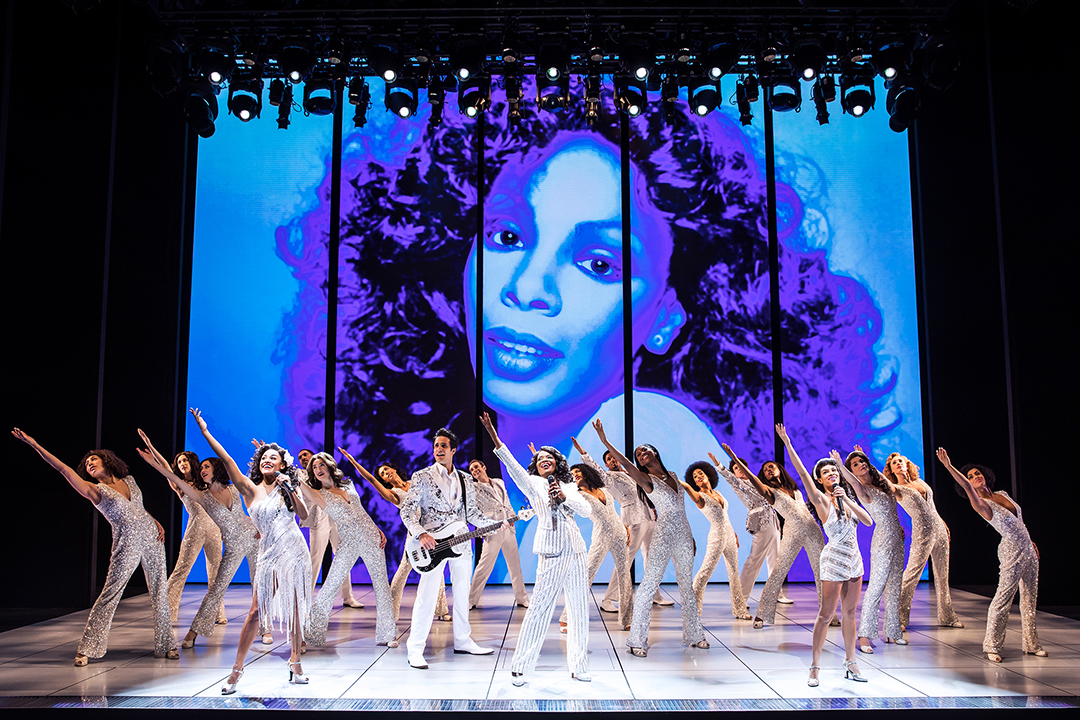
Ah yes, now the Queen of Disco has been reincarnated as the Broadway hit show, Summer: The Donna Summer Musical. In all sincerity, I was mesmerized, having danced over the years to Donna Summer’s hits. From “Love to Love You Baby” to “She Works Hard for the Money” to “Hot Stuff,” the three fabulous Donnas—Diva Donna/ LaChanze; Disco Donna/Ariana DeBose; Duckling Donna/Storm Lever–all with spectacular voices and dance moves, kept me enthralled during the 90 minute, no-intermission show. I fell in love with Donna’s husband Bruce Sudano played by the handsome Jared Zirilli.After the show the audience has a chance to “drink in the spirit of Donna” at next door’s Bond 45 in its lower level. There’s a full menu of drinks based on Donna’s songs. The creative Gabriele Guidoni– the beverage director for the Fireman Group with seven restaurants including Café Fiorello and Tratoria Dell’Arte– created après-show cocktails. I started off with Hot Stuff, which was true to its spirit, hot and spicy with pineapple-infused tequila, Aperol, passion fruit and habanero. A friend and I ordered burrata caprese. We next went for Bad Girls, which was a chameleon cocktail made with Empress Blue Gin that turned from clear to pink when you poured over the Fever Tree Tonic. People started dancing on the disco floor and suddenly Disco Donna, Ariana DeBose, still in her sparkling blue sequenced costume, appeared and danced to “Dim All the Lights.” My friend and I ordered on, now the short rib meatballs and cacio e pepe fries. We saved the boozy drink for last— Last Dance (bourbon, Campari and sweet vermouth) was the ideal nightcap.
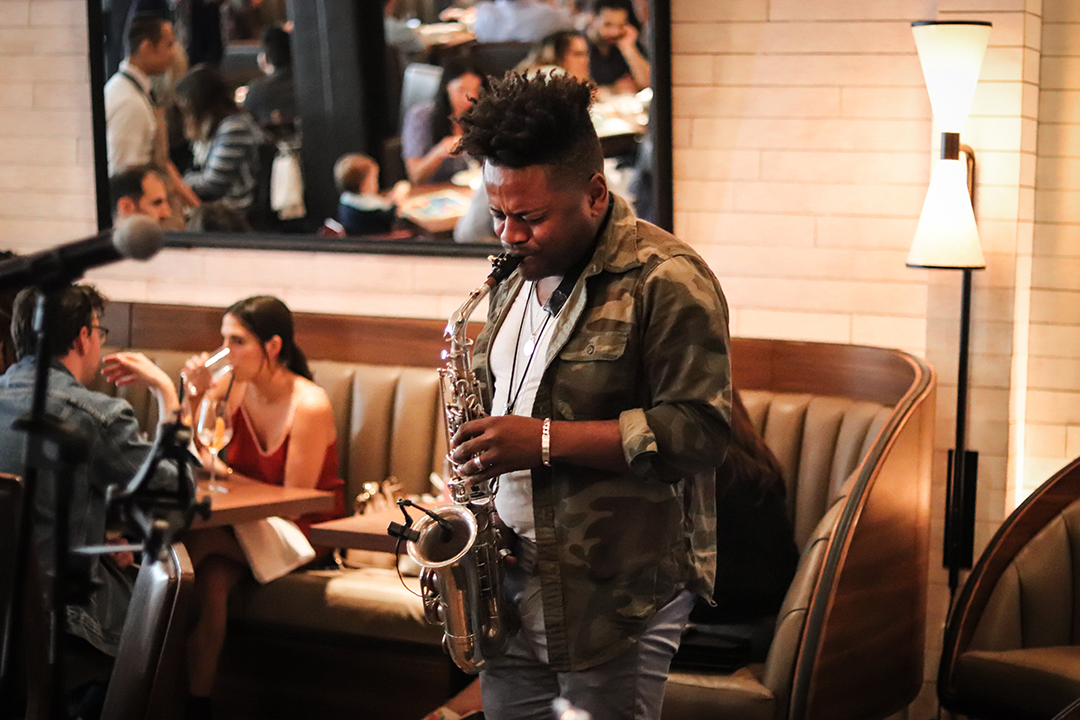
It’s rare find a brunch destination that continues the vibe of a great Saturday night out on the town. I found just the spot at Scarpetta at its new outpost at the James New York Nomad Hotel. You dine as if you are still at last night’s club sitting along comfortable banquettes listening to the Rakiem Walker Band with singers crooning just the right morning jazzy tunes.The brunch offerings at this high-end Italian are either breakfast-oriented—egg white frittata, ricotta pancakes, and poached eggs with fontina fonduta and prosciutto—or great pastas like short rib and bone marrow agnolotti or tagliatelle and crab. But the biggest surprise are the perfectly balanced, tasty cocktails. My favorite for a lighter, long cocktail: Basil Limonata (gin, Limoncello, prosecco and basil). And my partner’s choice for a boozy morning pick-me-up (Makers Mark, St. Germain, Carpano Antica, Campari). I also liked the Siciliano (cold brew coffee, Carpano Antica, Averna and vanilla syrup).
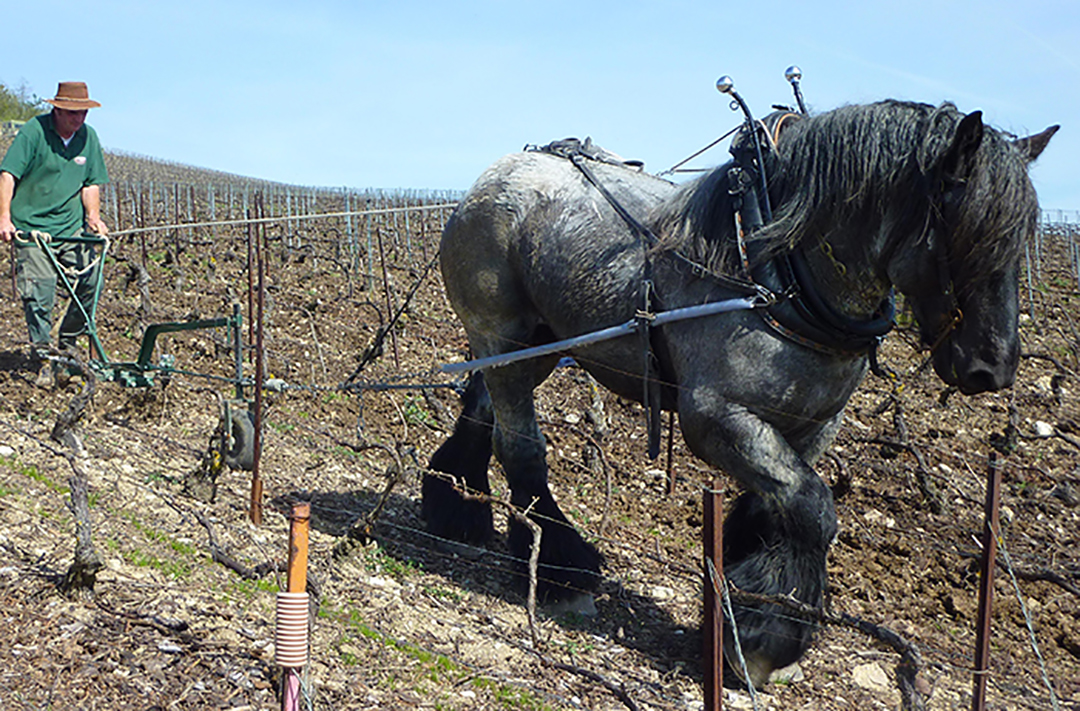
My new infatuation is Zero Dosage (no sugar) Champagne. One of the pioneers of this Brut Nature style is Michael Drappier, 9th generation of the family-owned Champagne Drappier, who started experimenting with Zero Dosage 15 years ago. Champagne Drappier, located in the Aube region with vines planted at Cote des Bars, is a very natural operation where they cultivate the vineyards with horse-drawn plows, use indigenous yeasts, very low levels of sulfites and often age in egg-shaped barrels. And, uniquely, make their own liqueur de dosage.At a seminar held at the restaurant Benoit, Michael Drappier surprised journalists with the amounts of sugar or dosage added to Champagne. “Did you know that 12 grams of sugar is a common dosage in Brut Champagne?” he posed. “Even an Extra Brut can be 6—8 grams and is often 9 grams.” He went on, “We want to extract the soul of our terroir and not hide its tartness or appealing bitterness. Our Brut Nature tastes like ‘you lick the rock,’ it’s fresh Champagne unmasked by sugar.” He grows his Pinot Noir on 100% Grand Cru Chablis-type soil and bottles it unfiltered.Drappier took us through a little history of dosage. In 1870’s Champagne Louis Roederer sent its “Ultra Rich” Cristal to Russia; it had 200-300 grams of sugar per liter. English drinkers of the 19th century wanted a drier Champagne so the house of Ayala put out a revolutionary dry Champagne with only 22 grams sugar. The seminar veered to the type of sugar. “Two thirds of the houses use a cheap sugar made from beet root,” Drappier said. “For our Brut styles use only sugar from organic sugar cane, which is four times as expensive but much less aggressive in taste than beet root.” Since 1947, Drappier has also made its own liqueur de dosage, often from grape concentrate, and ages it first in barrels and then in demijohns.
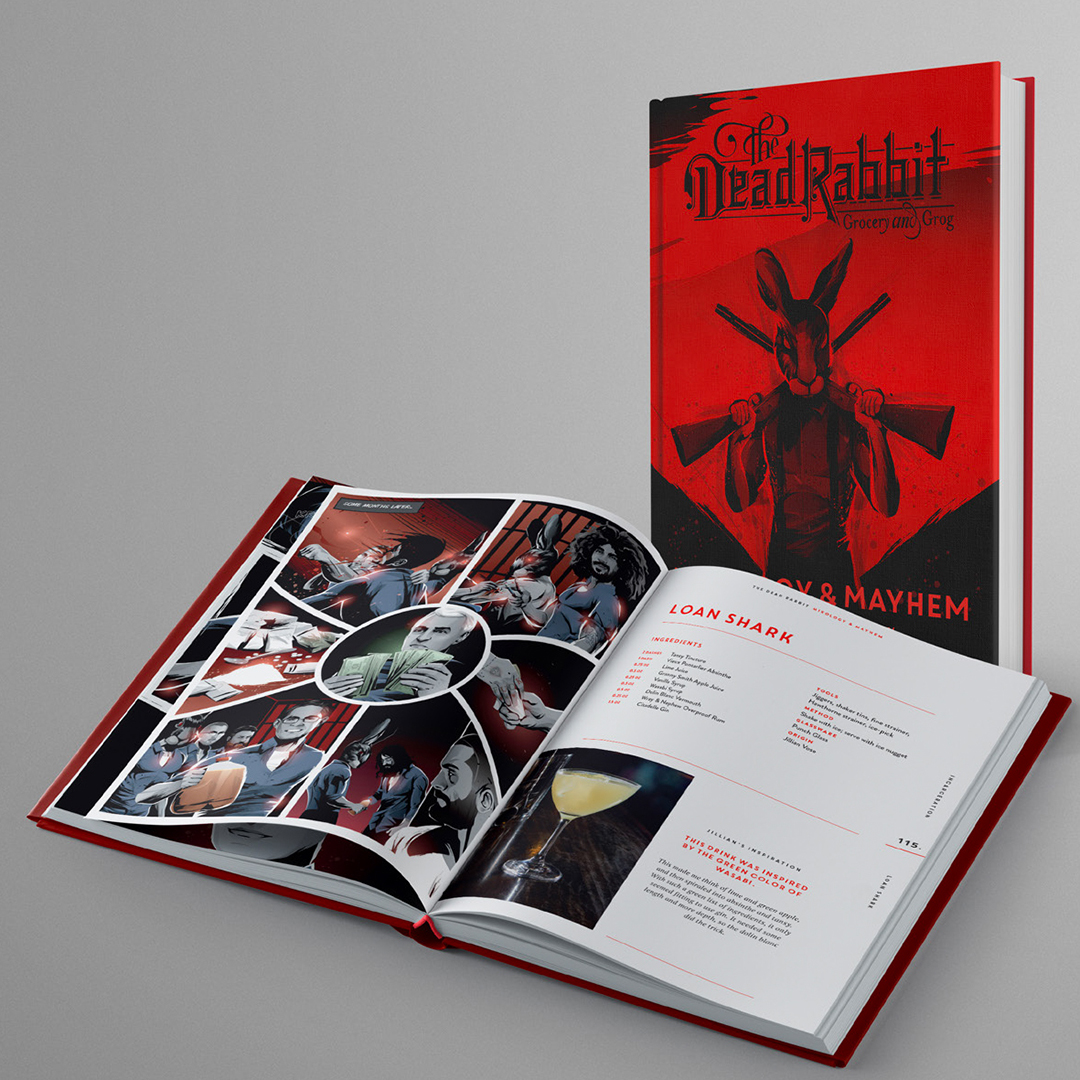
The Dead Rabbit, a 19th century style Irish/New York saloon (30 Water Street, lower Manhattan) has garnered every prestigious bar award imaginable, among them World’s Best Bar and World’s Best Cocktail Menu. Now they’ve come out with another book of “cocktail making wisdom,” as they refer to it, The Dead Rabbit Mixology and Mayhem, which is not only a cocktail recipe book but also a graphic novel with great illustrations. The new book was written by The Dead Rabbit owners, Sean Muldoon and Jack McGarry, along with beverage director Jillian Vose.At the book launch party over delicious cocktails, Sean Muldoon regaled me with stories of the book’s protagonist, The Rabbit, a hybrid man-rabbit who channels John Morrissey, the historical leader of the late 19th century Dead Rabbits gang. I listened riveted while I sampled a drink featured in the book: “Chasing the Dragon” (bourbon, rum, poppy seed, grapefruit, lemon, cinnamon and aromatic bitters). The plot evolves to New York City in the 1970s, the era of Mean Streets, Taxi Driver and The Godfather, and features gritty depictions of scores of leading figures from the cocktail world as characters.I went on to a second cocktail, “Eidolon” (Barbados Rum, gin, pale cream Sherry, orgeat, lemon, mace, cardamom bitters, egg white) while Muldoon told me the story of the real-life John Morrissey, a legendary character who became a boxer, professional gambler, then a Democratic State Senator and finally a U.S. Congressman, backed by Tammy Hall.
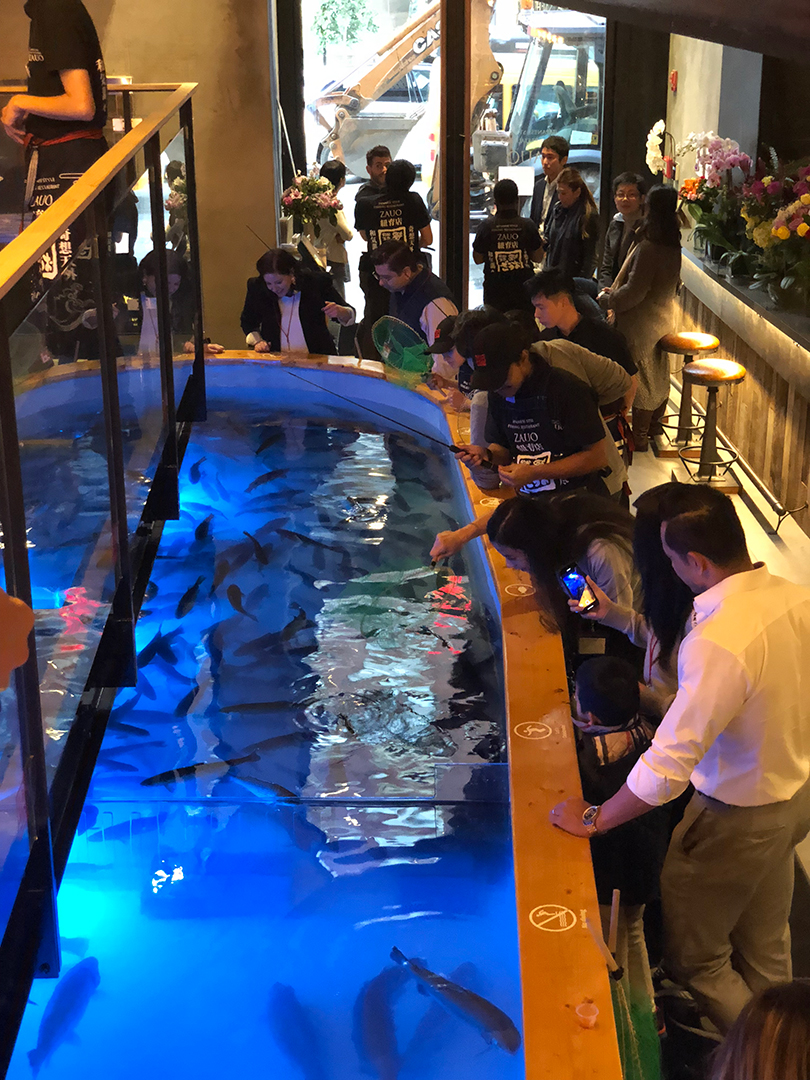
I thought NYC had everything until I went to the opening of Zauo (152 West 24th St), a sporting restaurant of sorts. The sport is fishing and you literally fish for your dinner. The new Chelsea fishing spot has three large pools fully stocked with flounder, fluke, striped bass and rainbow trout—and even lobsters. With fishing pools on two levels, the décor features a 60-foot-long mahogany wood boat which hangs overhead.How does it all work? First, you ceremonially apply for a fishing license by signing a form. Once signed, you get a credential to hang around your neck. Now licensed, you are handed a fishing pole, already baited. Next you go fishing with a waiter who holds a net to use once you’ve caught your fish. It took my partner ten minutes to catch a flounder. He had yet to master the “drag your bait” method. As for me, I caught a lobster within seconds. Next, we requested the preparation with choices including sashimi, grilled, tempura fried or simmered in soy. We had sashimi and tempura fried and washed down our catch of the day with an array of dry sakes.
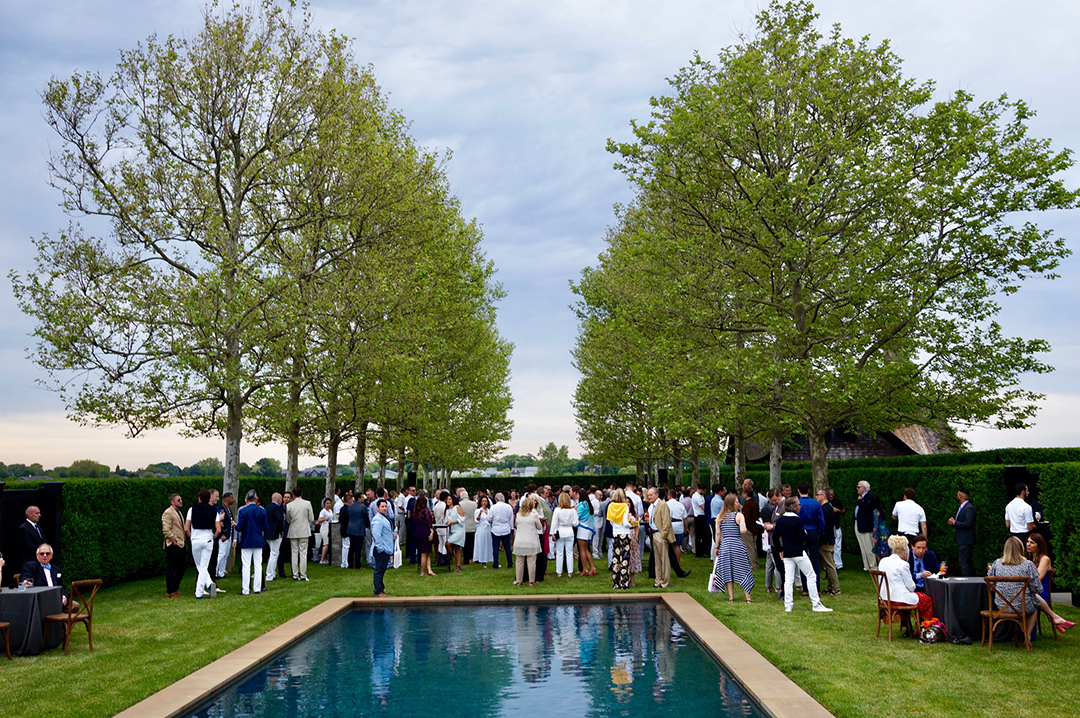
One of the most successful events of the Hamptons charity season took place in early June and I somehow omitted it from my Hamptons summer benefit round-up. The 18th annual Midsummer Night Drinks benefiting God’s Love We Deliver, a charity that delivers meals to almost two million people in need, was held at a private residence in Water Mill. At the 12,000-square-foot home surrounded by the most extraordinary gardens, 300 hundred guests attended including the many bold name supporters of the charity including Vicente Wolf, Jim Shreve, Jon Gilman, Margaret Russell, Fern Mallis and Sam Shahid.Guests mingled on the great lawn bordered by a high-hedged maze, where stations with raw bars, sushi bars, cheese and charcuterie carts and cocktail bars were set up. Bulldog, Fever Tree, Campari, Aperol and Cinzano 1757 were some of the sponsors so both creative cocktails (Watermelon Sbagliato and Listowel Americano) and more familiar classics like Negronis, Aperol Spritzs and Gin & Tonics fueled the party.
