


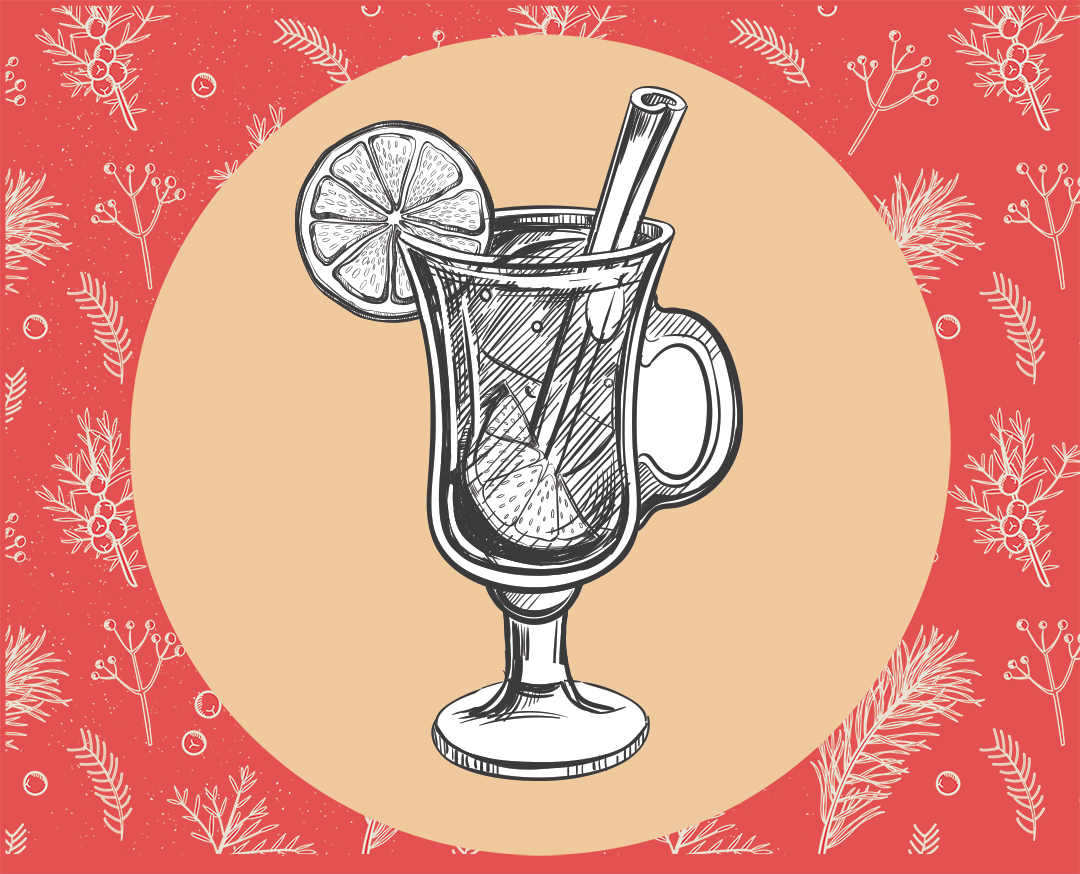
What It Is: The tradition of heating wine dates back to second-century Rome, when the conquerors used it to fortify themselves against the cold. During the Middle Ages, Europeans began adding spices for special occasions, and today mulled wine is still a popular Christmas drink in the United Kingdom and in Nordic countries, where it’s known as glögg (Sweden) or gløgg (Norway).Where to Drink It with a Twist: c/o The Maidstone (207 Main St., East Hampton, 631-324-5006, themaidstone.com). Beverage director Mike McQuade makes the hotel restaurant’s glögg with red wine, aquavit, cloves, cardamom, almonds, orange peel, cinnamon sticks, ginger, and star anise.
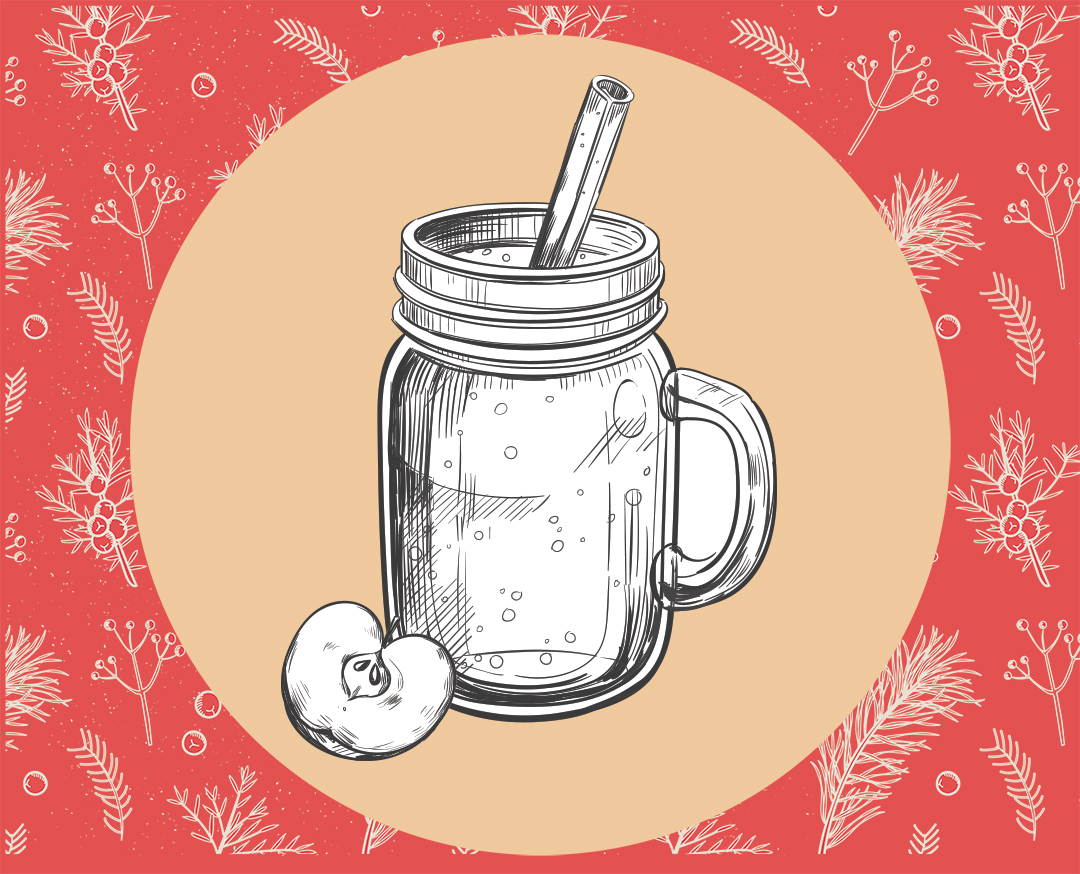
What It Is: A blend of hot spiced ale and roasted apples, typically flavored with some combination of sherry, cinnamon, nutmeg, ginger, cloves, lemon or orange peel, and sugar or honey. Wassailing was a medieval English Christmastide singing and drinking ritual in which revelers would go door to door, sharing the warm drink from communal bowls. The practice eventually evolved into the English tradition of caroling.Where to Drink It with a Twist: Gramercy Tavern (42 E. 20th St., NYC, 212-477-0777, gramercytavern.com). Centuries later, wassail is still alive and well. Gramercy Tavern chef Michael Anthony’s version includes cider, rum, and allspice, in addition to cinnamon, cloves, and orange zest. During the holiday season last year, Anthony recalls, “The sidewalk in front of the restaurant was being redone, so I took steaming wassail out to the construction workers.”
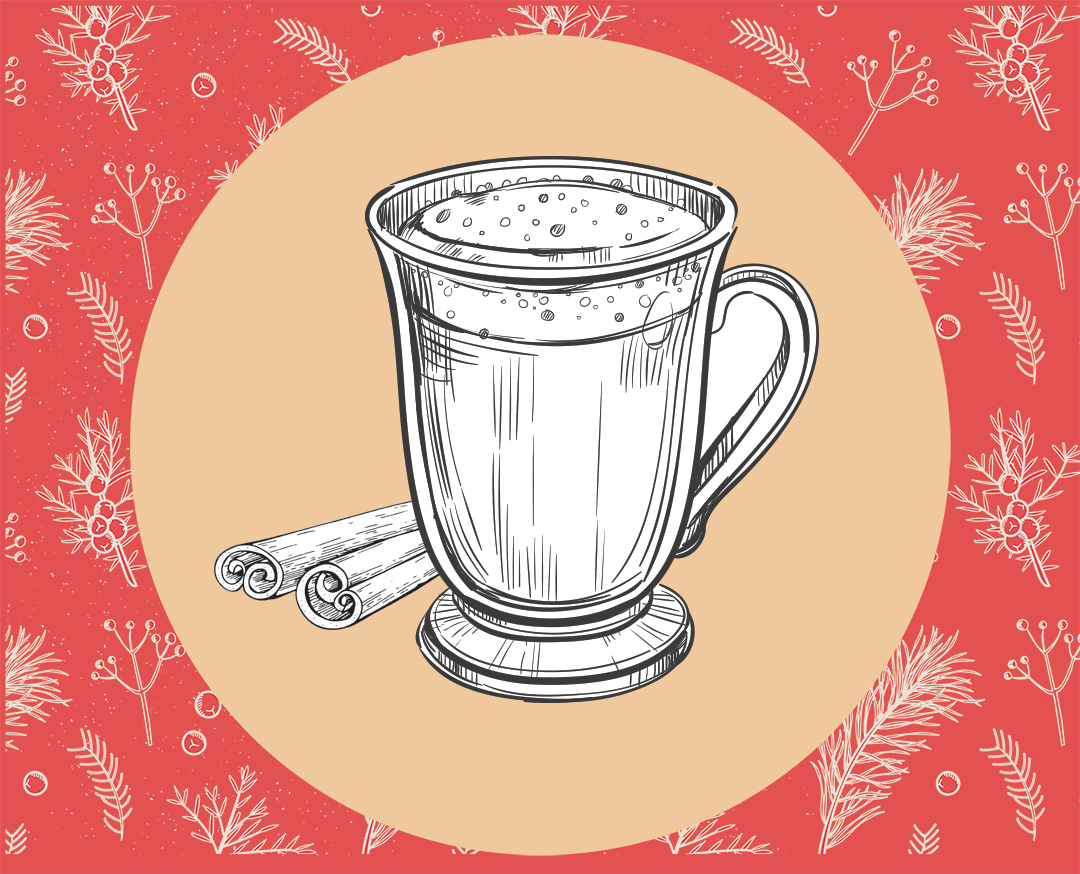
What It Is: A mixture of milk and eggs spiked with brandy, sherry, and Madeira, first popularized by British aristocrats during the 18th century, in large part because they could afford the expensive ingredients. Eggnog found its way to the British Colonies in the Caribbean, and then to the American Colonies, where bourbon was the spiking agent of choice.Where to Drink It with a Twist: Baron’s Cove (31 W. Water St., Sag Harbor, 631-725-2101, baronscove.com). Beverage manager Pascal Zugmeyer amps up the original recipe, making his “very Irish eggnog” with Jameson Irish whisky, Kahlúa, a sprinkle of nutmeg, and a cinnamon stick.
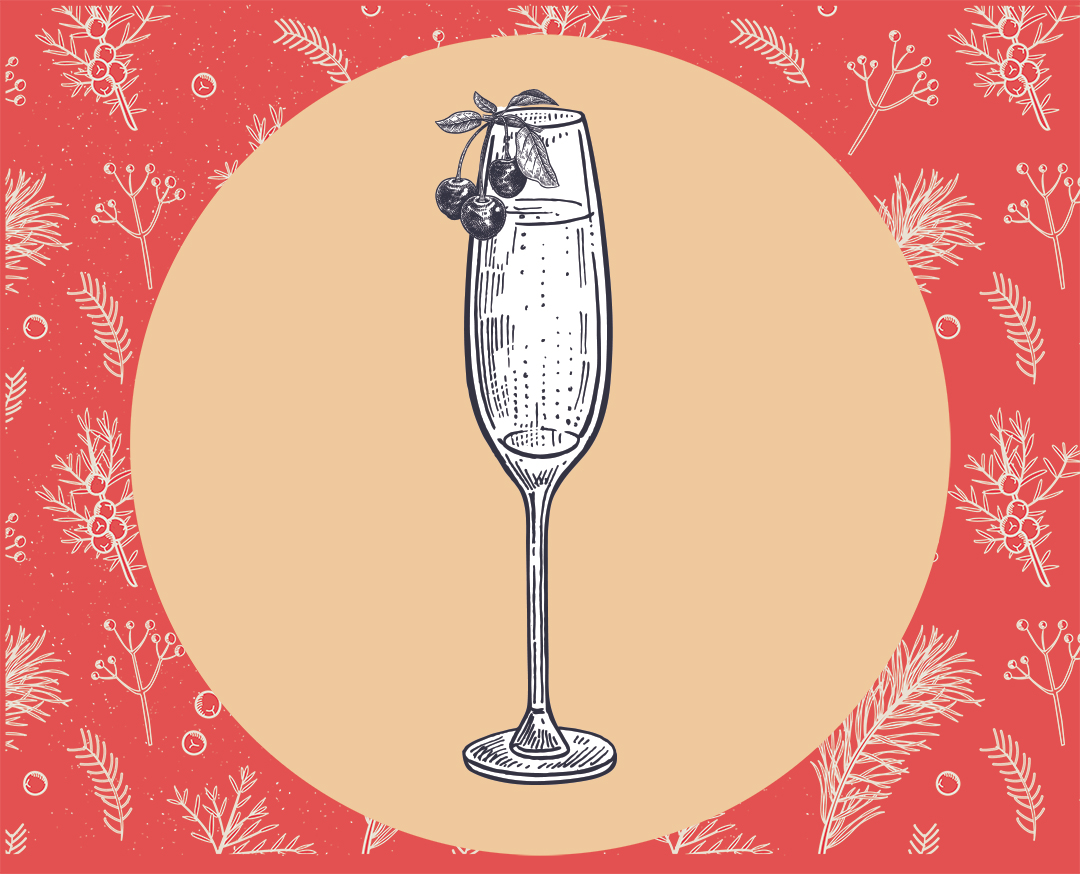
What It Is: Among dozens of origin stories, one pins the Champagne cocktail’s genesis to 1861, when a bartender at London’s Brooks’ Club added Guinness stout to blacken Champagne during the mourning period for Prince Albert. The first known recipe, which appeared in Jerry Thomas’s Bon Vivant’s Companion (1862), called for adding a sugar cube, Angostura bitters, and ice to Champagne. Nowadays, Champagne cocktails often include cognac, a maraschino cherry garnish, and no ice.Where to Drink It with a Twist: Jacques Bar at Majorelle (28 E. 63rd St., NYC, 212-935-2888, lowellhotel.com). Barman Brian Stiga’s festive pink sparkler, Ville Rose, combines Crémant rosé, strawberry juice, and Cointreau.
