


WHAT TO GROW NOW | Hydrangea

“Hydrangeas are easy to love: There’s such a variety of leaf sizes and flower shapes, and the blooms have incredible longevity,” says Bridgehampton garden designer Roxine Brown, the founder of Harmonia Inc., who agreed to share four of her top picks for Hampton gardens. “I’m a big fan of oak leaf hydrangeas (Hydrangea quercifolia), which can reach eight feet tall, look lovely in woodland settings, and do best when you leave them alone.” And best of all, the “blooms last from June to October, and the pretty lobed leaves turn a gorgeous burnt red in fall.” Hydrangea arborescens ‘Annabelle’, another of Brown’s favorites, has lush green leaves and chubby, cone-shaped white flower heads, which often require staking. If that sounds like too much work, Brown recommends the Incrediball (Hydrangea arborescens ‘Abetwo’), an enhanced ‘Annabelle’ cultivar with sturdier stems that can support its giant, almost basketball-size flowerheads, without buttressing. Endless Summer’s Twist-n-Shout (Hydrangea macrophylla ‘PIIHM-I’) is another great choice, says Brown, who admires the reblooming lacecap’s vivid red stems and delicate flowers that range in color from pink to periwinkle, depending on soil pH. “With the exception of the Twist-n-Shout, which can take direct sun, hydrangeas do best in areas that get morning light and afternoon shade,” notes Brown, who generally prefers these flowering shrubs as accent plants interspersed with specimen trees and groundcovers, not banked in a row. And don’t forget, cautions Brown, deer love hydrangeas, so proceed with care if your garden is not fenced or deer protected. — Monica Michael Willis
ASK AN EXPERT | Attracting Pollinators to Your Garden
Tips from Matthew Shepherd of the Xerces Society, a nonprofit dedicated to pollinator conservation.

Plant with purpose
“We shouldn’t just be planting our gardens for beauty,” claims Shepherd. “We’re creating life support systems for butterflies, bees—and everything that depends on them,” including us.
Keeping things a bit wild
Skip the classic cleanup and leave some bare soil, brush piles, or standing perennial stems in place for pollinators like New York’s 450 native bee species, most of which are solitary and nest in the ground or in plant material, notes Shepherd.
Plant natives
“Flowers are foundational,” says Shepherd. Provide nectar and pollen from spring through fall with perennials like echinacea, goldenrod, blazing star, ironweed, wild bergamot, lavender, oregano, mountain mint, and New York aster. Plant swamp and common milkweed for Monarchs, but avoid butterfly bush, an invasive that crowds out native host plants crucial to caterpillars.
Avoid pesticides and herbicides
And be aware that many garden centers routinely treat their plants with harmful chemicals. “Ask questions before you buy, or seek out local nurseries committed to native species and nontoxic growing methods,” advises Shepherd.
Spread the word
Tell your friends what you’re up to in the garden. “Every square foot of flowering space. makes a difference,” says Shepherd. “Even a single container of native plants can provide vital habitat to the pollinators in your neighborhood.”
Fired Up


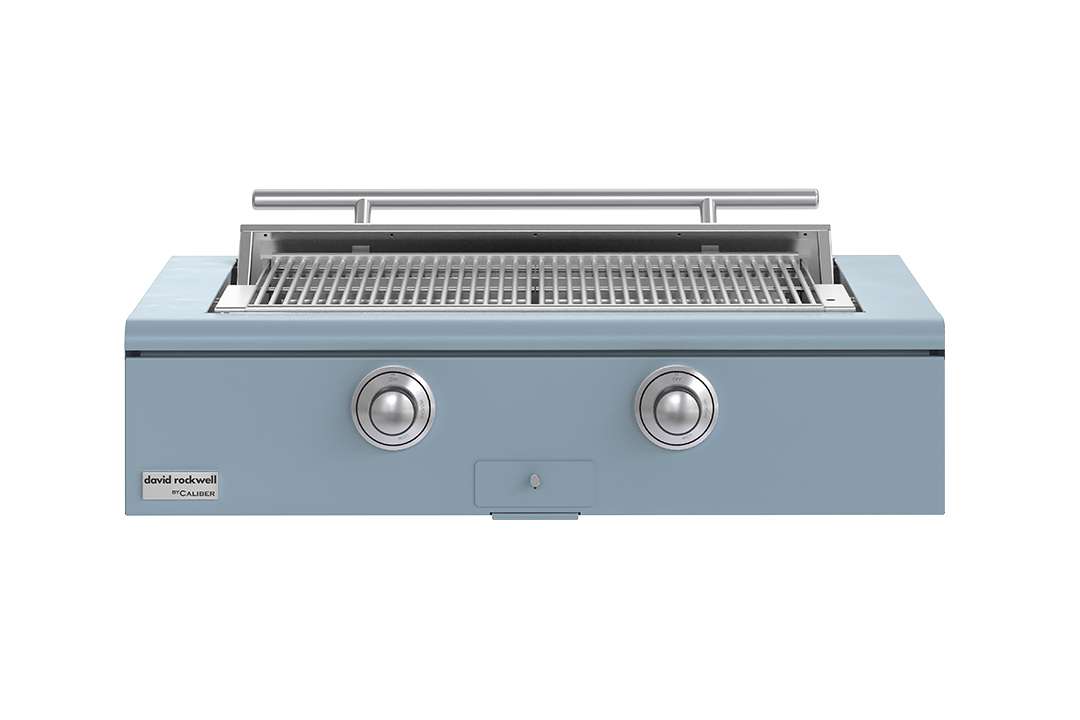
This summer, it’s not the fire pit we’re gathering around, it’s the Rockwell Social Grill. Meet the 360-degree walk-around grill that’s changing how people cook and entertain outdoors. Envisioned by design legend David Rockwell, the updated grill was recently released through a strategic partnership between True Residential and Caliber.
Everybody needs beauty as well as bread, places to play in and pray in, where nature may heal and give strength to body and soul alike.
– John Muir
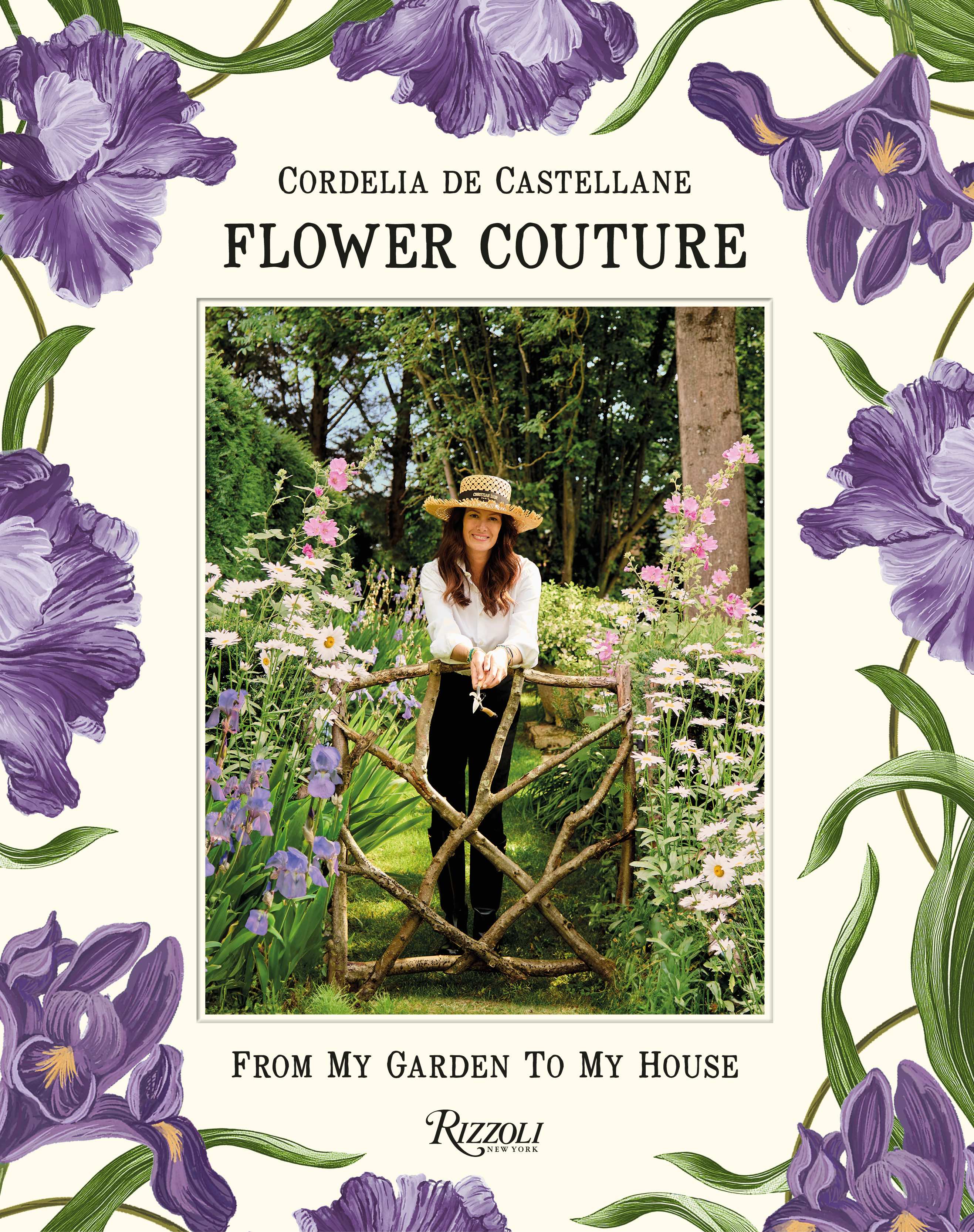
FLOWER POWER
(Rizzoli, $50)
Flower Couture, a second book by French tastemaker Cordelia de Castellane, celebrates her garden as an endless source of inspiration for entertaining.
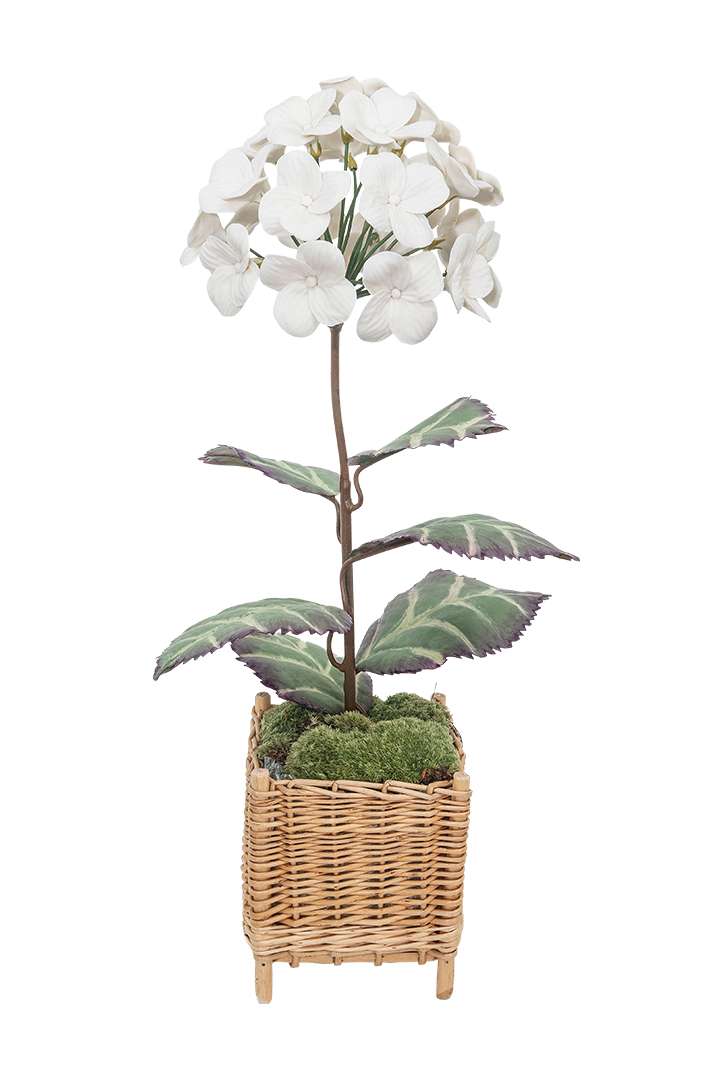
IN FULL BLOOM
White bisque porcelain hydrangea in a square wicker cachepot by French artist Samuel Mazy.
