


Wilding—letting your property go back to nature—has caught on like wildfire in Europe. Even on the main avenue of the Chelsea Flower Show, designers have slipped in dandelions to make the point. Now you may not want to go that far—although the dandelion’s nectar-rich flowers are an early food source for bees—but planting more natives, allowing a bit of mess, and encouraging biodiversity will help your garden improve our local ecosystems.

HC&G: For wilding, do you need a deer fence or not?
TONY PIAZZA, FOUNDER, PIAZZA HORTICULTURAL:
If you want color from flowers, definitively use a deer fence. Without deer fencing, you are limited to native grasses as the deer eat most of the phorbs, or flowering plants. Two native phorbs that they don’t eat are monardas and Pycnanthemums (mountain mint).
What are the three best starter plants for an East end rewilding?
T.P.: Little blue stem, panicum and Eragrostis are three local grasses that thrive on the East End.
Can you just let the grass grow and not mow it?
T.P.: Yes, of course. We are often pleasantly surprised that some of the grasses we are mowing are natives. Also, once we stop mowing, the dormant seed bank of native plants that are spread by wind, birds and animals will start to emerge over time.

Which is your favorite non-native plant?
T.P.: Digitalis purpurea (foxglove).
I seed it into shady areas. I love the drama that the spires create in late spring. After a long East End winter, we all need a little drama in the garden. Be sure to use the straight species. The newer cultivars sport flowers that face out from the stem rather than the graceful nod of the flowers of the species.
What’s the attitude adjustment necessary to pull this off?
T.P.: Accepting a bit of the wild, and yielding to nature—it can be very liberating.
Bookshelf
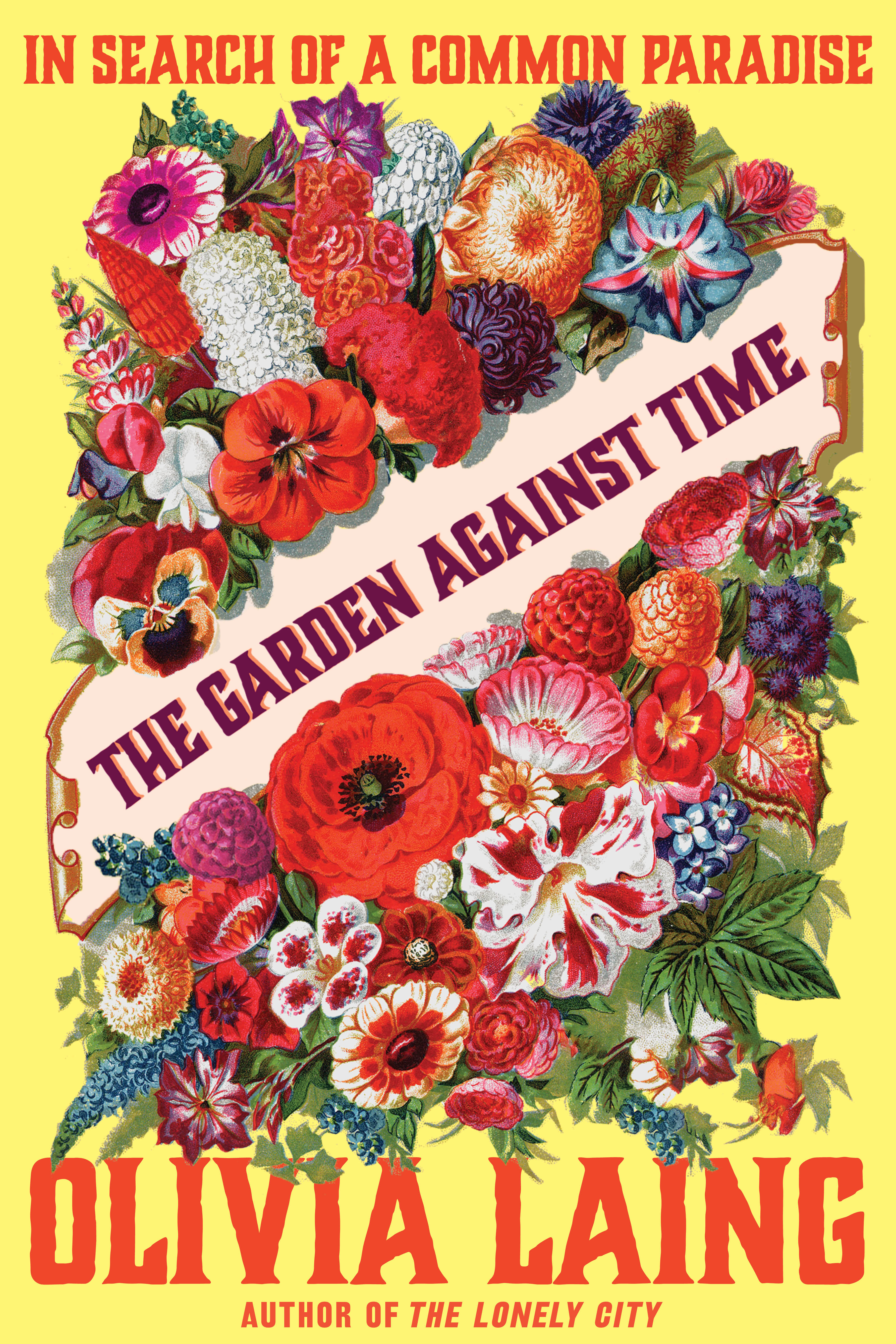
The Garden Against Time: In Search of a Common Paradise by Olivia Laing. A beautifully written account of Laing’s own transformation of an eighteenth-century garden in Suffolk, England.
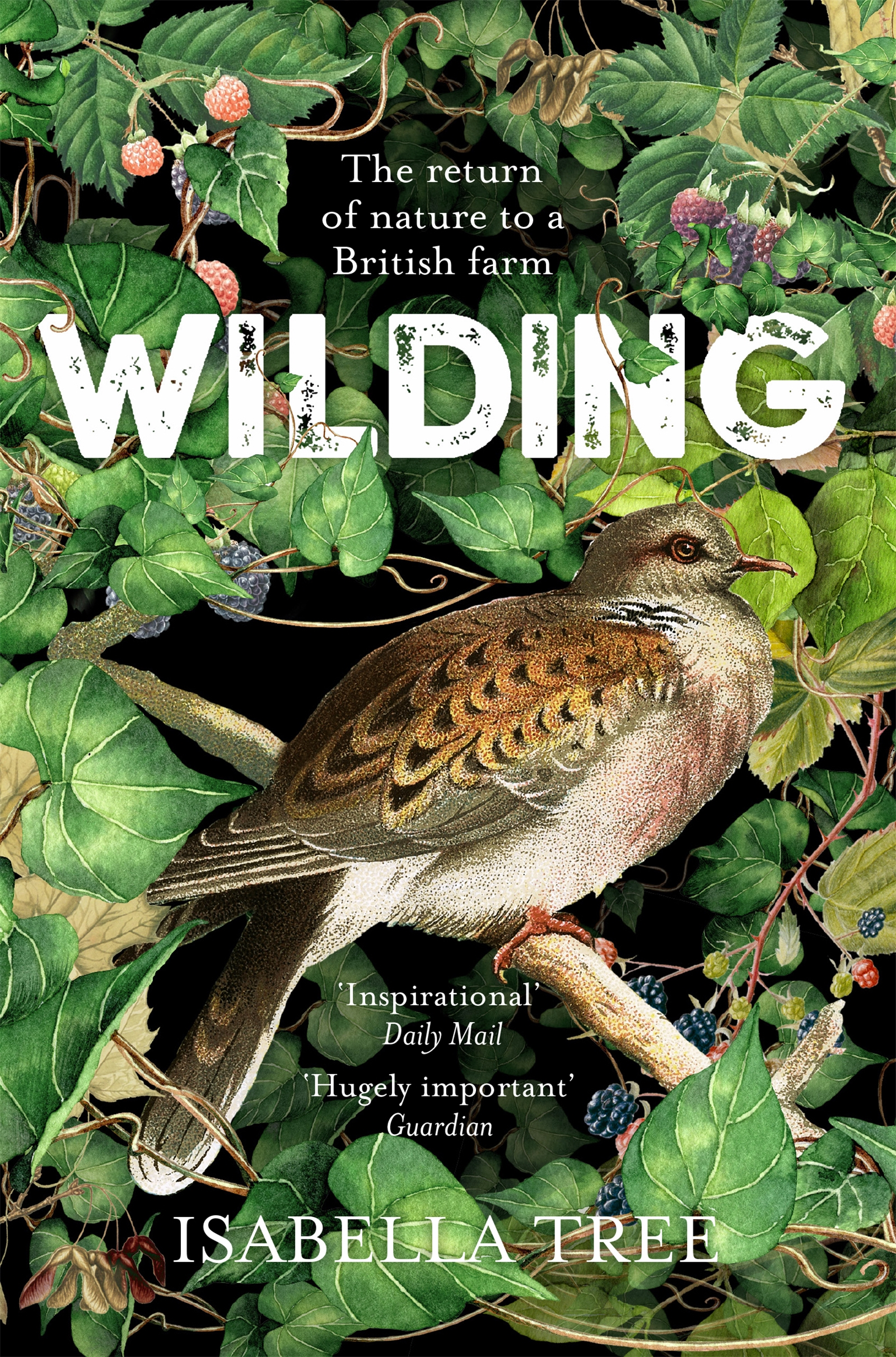
Wilding: The Return of Nature to a British Farm by Isabella Tree. Telling the story of a failing farm and its conversion to a successful nature park, Tree sparked this latest gardening trend.
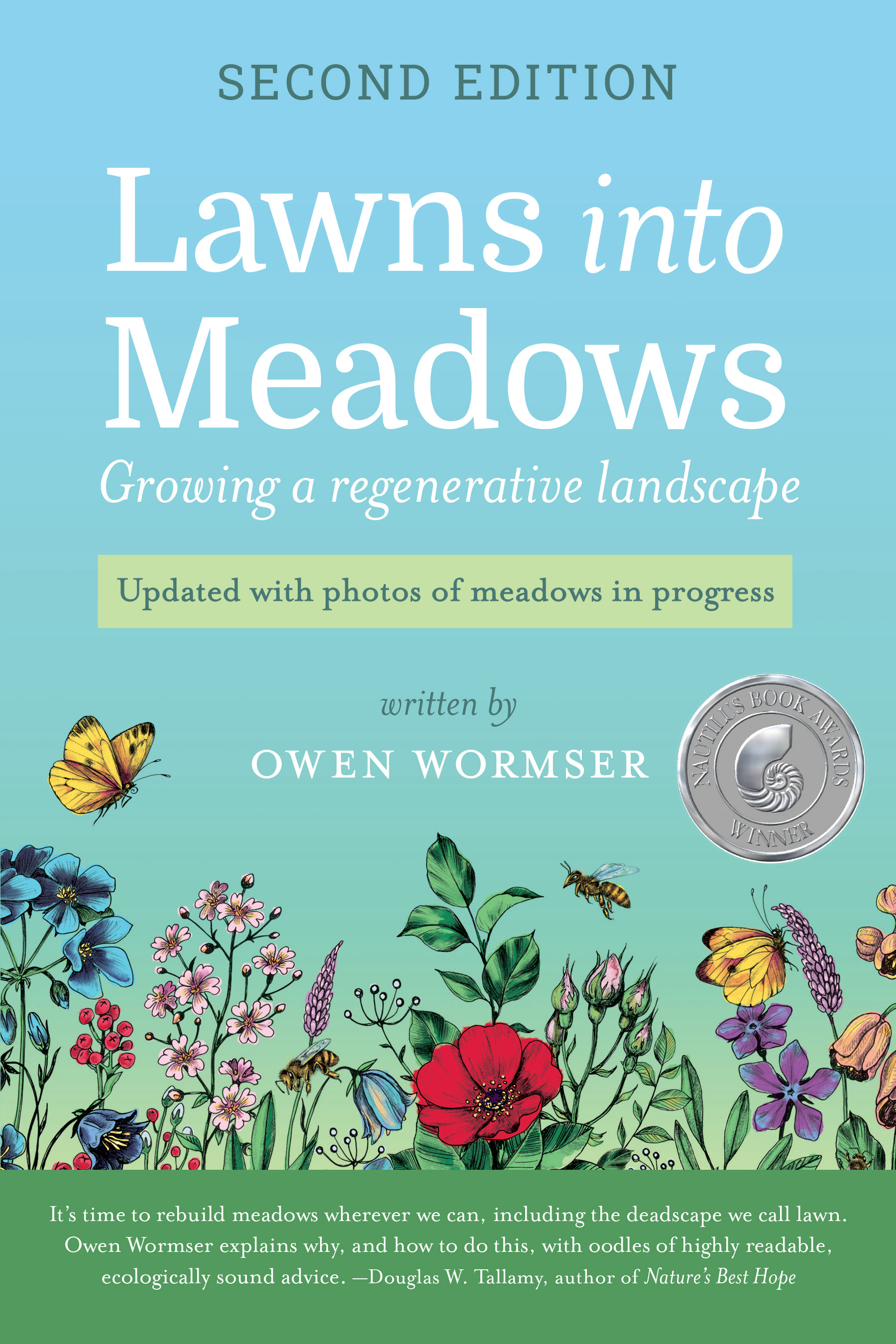
Lawns Into Meadows: Growing a Regenerative Landscape by Owen Wormser. A how-to primer on meadow making, the more gentle side of wilding for the home gardener.
Meadow Making
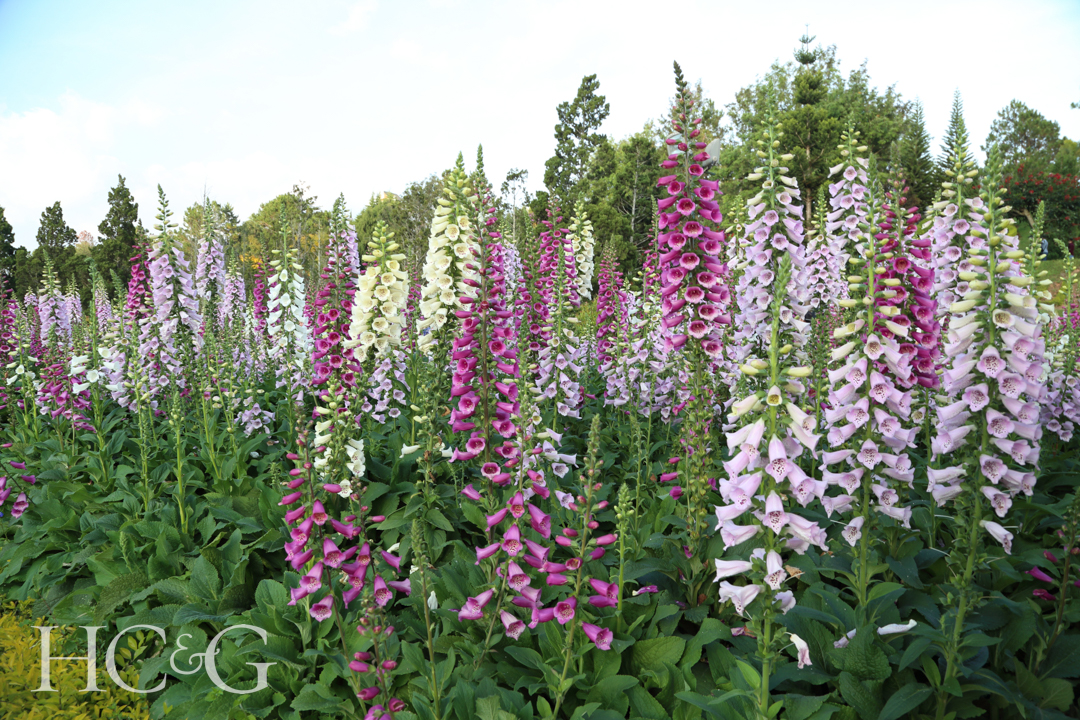
Digitalis purpurea (foxglove), although non-native, is a Tony Piazza favorite.
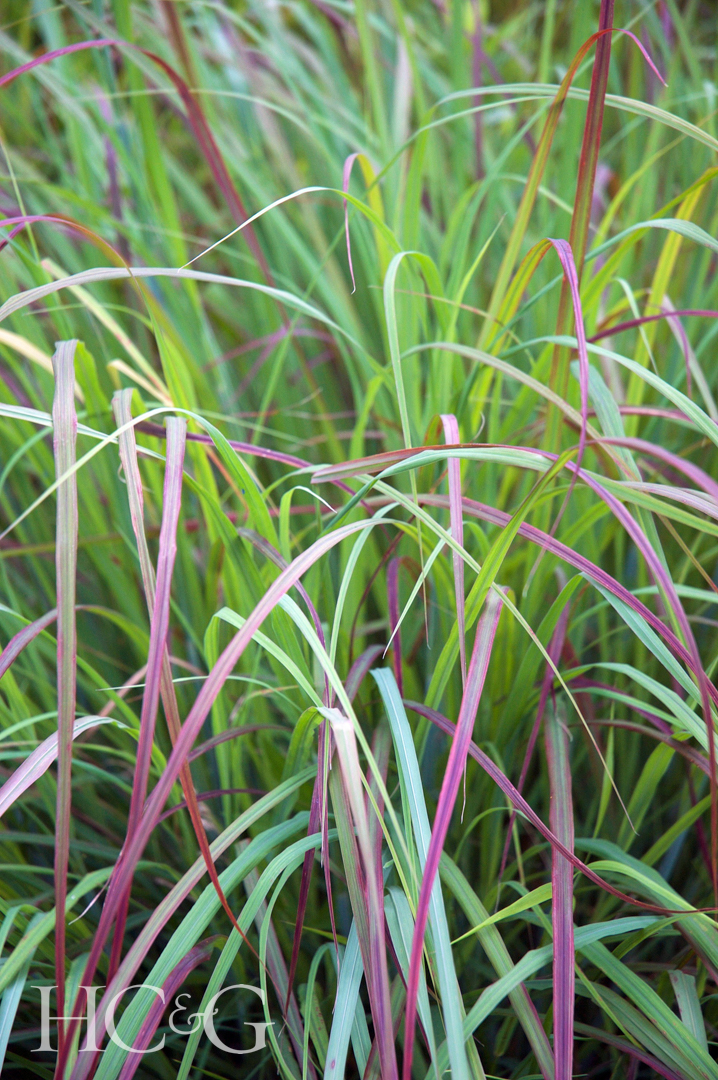
Schizachyrium scoparium (little bluestem) is great for creating a bird-friendly habitat.
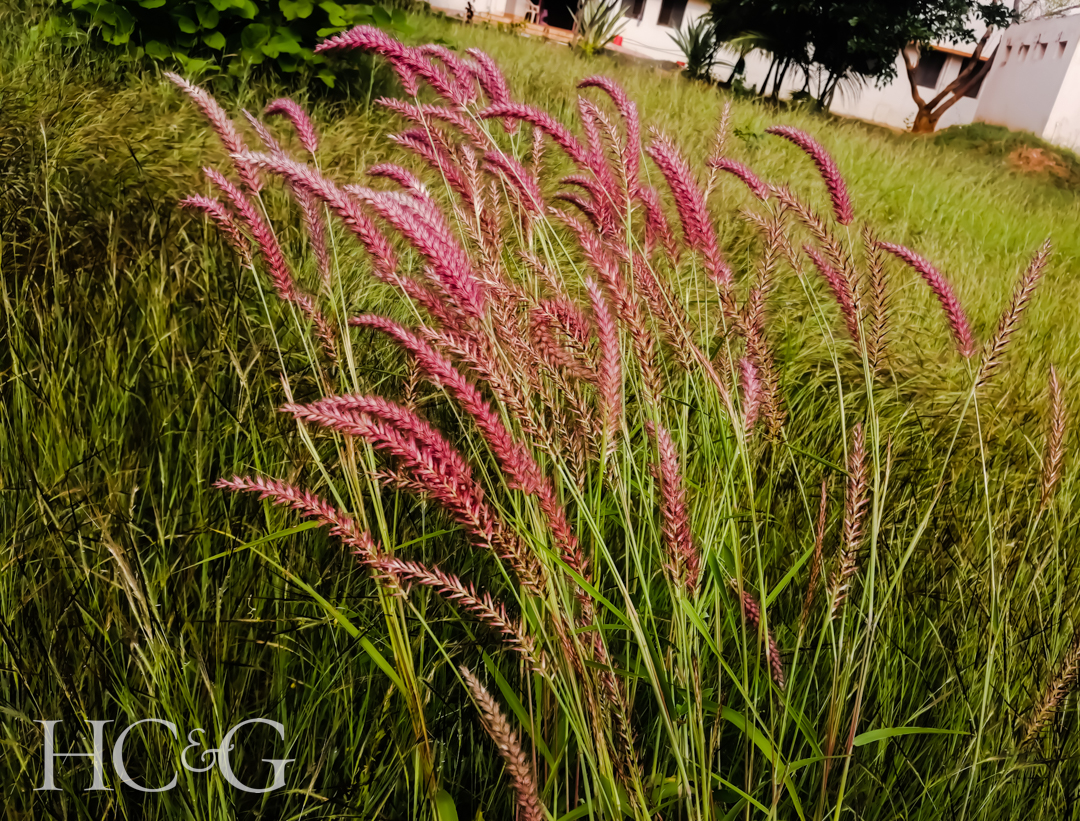
Panicum virgata (switchgrass) is a perennial grass that turns bright yellow in the autumn
