


The divide is only widening in New York City’s bifurcated market today, and Brown Harris Stevens Realtor Rachel Glazer is witnessing the phenomenon firsthand. Glazer represents high-net-worth individuals across the city’s top neighborhoods. She reports robust sales in this tier (with 30 contracts signed for $4 million-plus properties the first week in October), while affordability pressures weigh on buyers at lower price points.
“New York has two kinds of buyers,” she confirms. “At the top, sellers of trophy-building resales often exit unscathed, because their buyers have wealth that insulates them from mortgage rate swings.” Meanwhile, in co-ops and older condo buildings, buyers struggle to recoup their investment even a decade later.
Amid this divide, Glazer sits down with dailyDEEDS to unpack the current behavior of the city’s most affluent buyers, and where she sees the market going in the coming months.
dailyDEEDS: Thirty contracts signed for properties priced at $4 million or more in the first week of October is a strong showing. What is driving demand at the top of the market, and who are the buyers fueling it?
Rachel Glazer: Buyers above $10 million are far less sensitive to mortgage rates or to turbulence in their own careers. Nobody likes losing money, but at that level of wealth, the calculus is simply different.
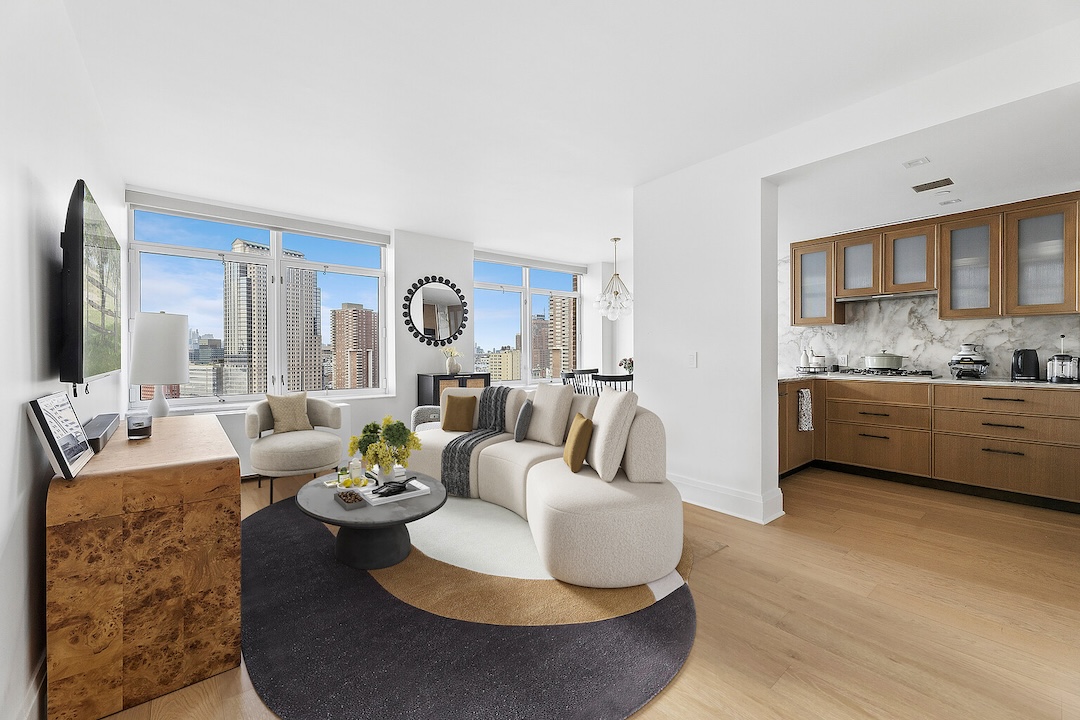
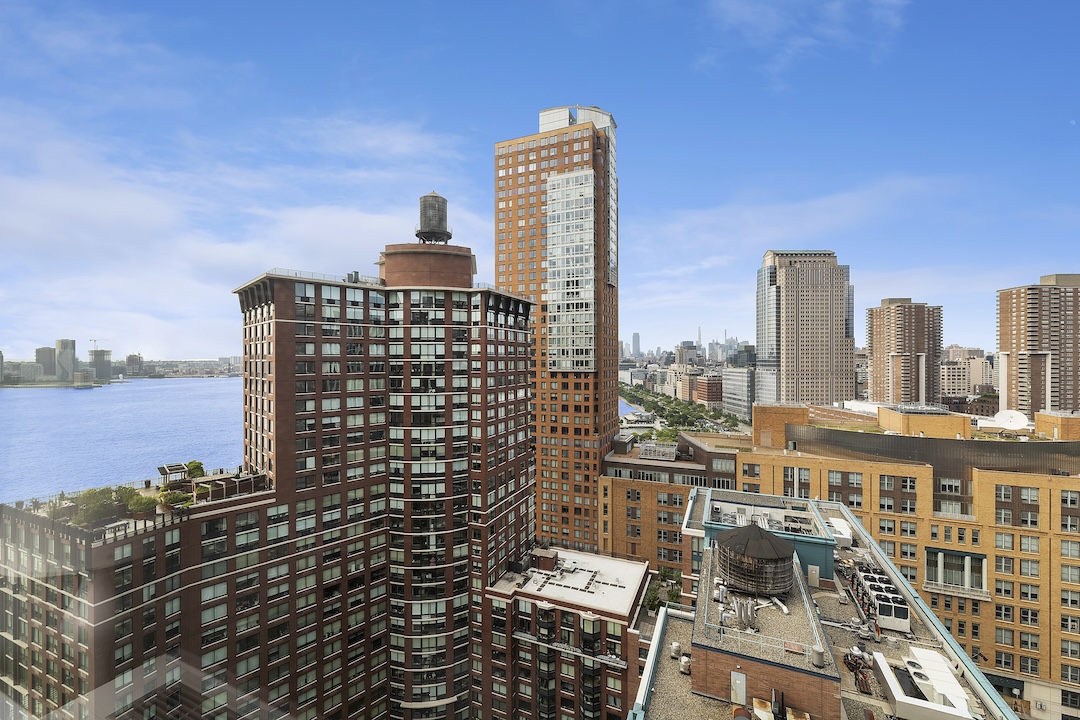

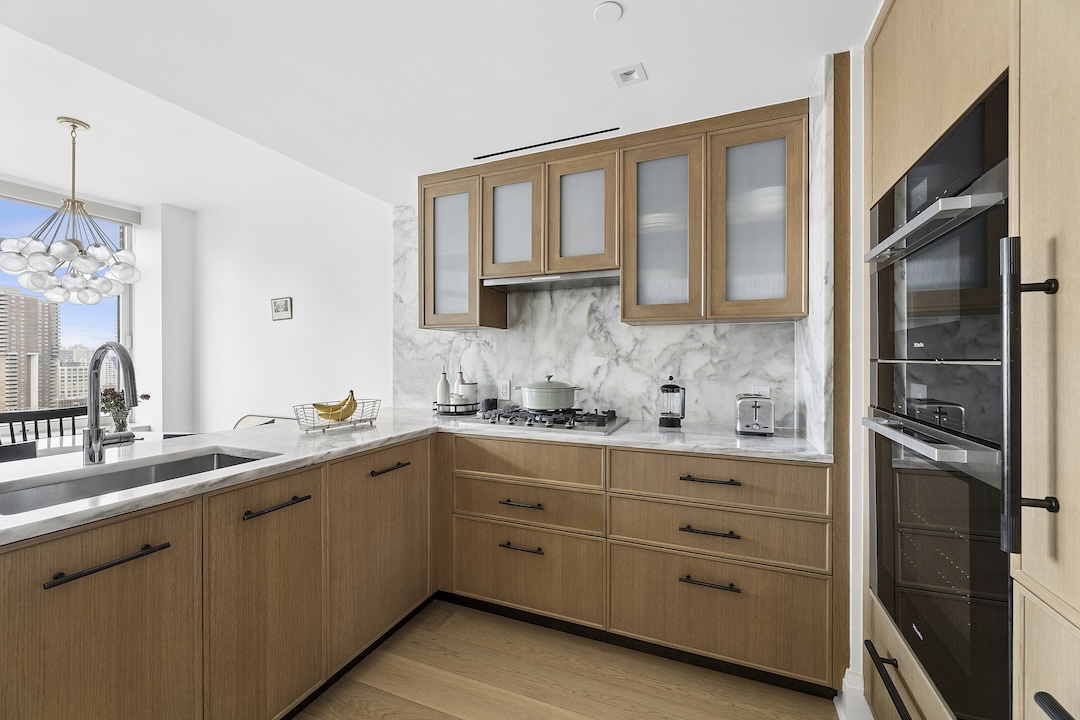
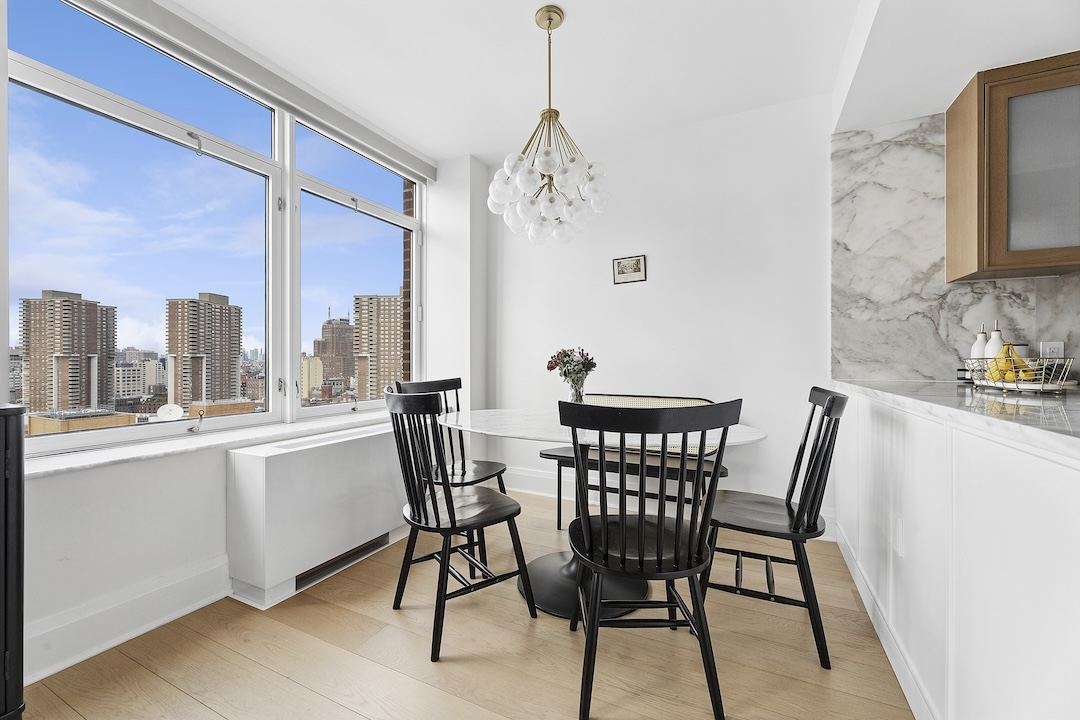
Are high-net-worth buyers still willing to pay a premium for the right property, or are they becoming more selective about pricing, condition, and location?
RG: They are extremely selective on all of those fronts. Most want turnkey, and they will pay a premium to avoid a renovation. Location matters just as much, and many want specific buildings.
There are always exceptions though. I’m currently in a bidding war over a $9 million Fifth Avenue co-op that needs significant work.
Which Manhattan neighborhoods or property types are attracting the most interest from affluent buyers right now? Are there any pockets of the market that are outperforming expectations?
RG: Condos, especially at higher price points and in trophy buildings such as the Naftali Group’s developments, the Greenwich Lane, 150 Charles and 160 Leroy, when units come available. The West Village, Tribeca and the Upper East Side are outperforming expectations.
The proposed pied-à-terre surcharge has introduced another layer of uncertainty for luxury buyers. How are your clients responding to the tax, and are you seeing it influence decisions about purchasing or holding a second home in New York City?
RG: Buyers are frustrated, but the surcharge really hasn’t changed their behavior much. It ultimately comes down to how badly they want the property.

Even as rental demand cools, prices remain elevated compared with previous years. What is keeping rents high, and do you expect the market to soften further in the coming months?
RG: I have seen some softening. The market was frenzied from April through June, then slowed, which is surprising given that inventory is still extremely tight. Even so, the prices people were willing to pay this spring were remarkable. In Tribeca, renters were trying to get ahead of listings before they even hit the market.
Looking toward the end of 2026 and into 2027, do you expect the gap between the luxury and broader residential markets to widen further, or are there signs that the two segments could begin to converge?
RG: I think the segments could begin to converge. People with $1 million in annual income, a far larger group than those with nine- or ten-figure net worths, need housing. Some may buy smaller than they planned or keep renting. I’ve already seen some shift toward buying.
