


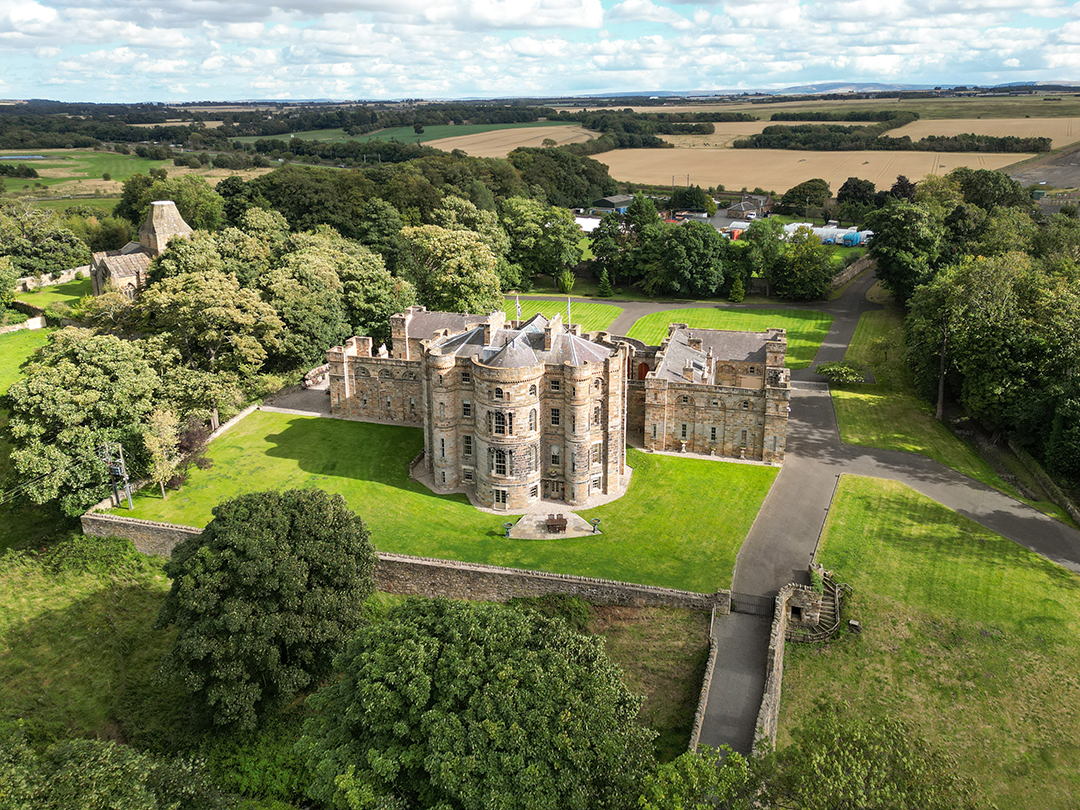
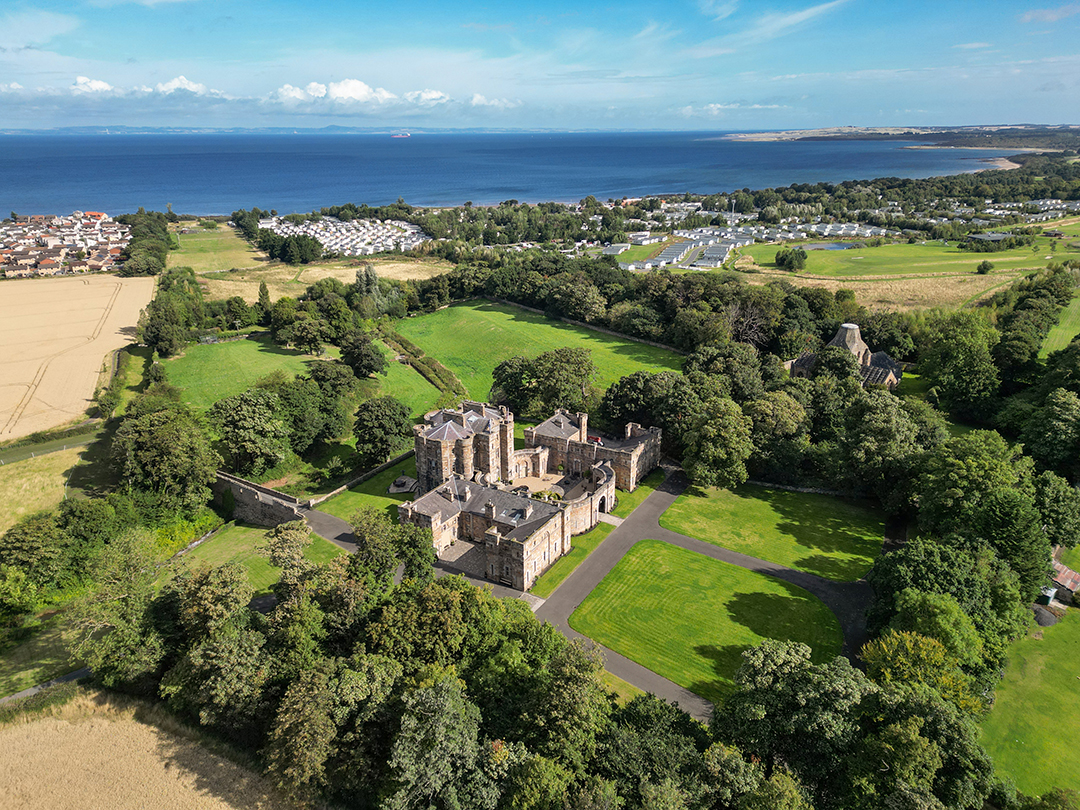

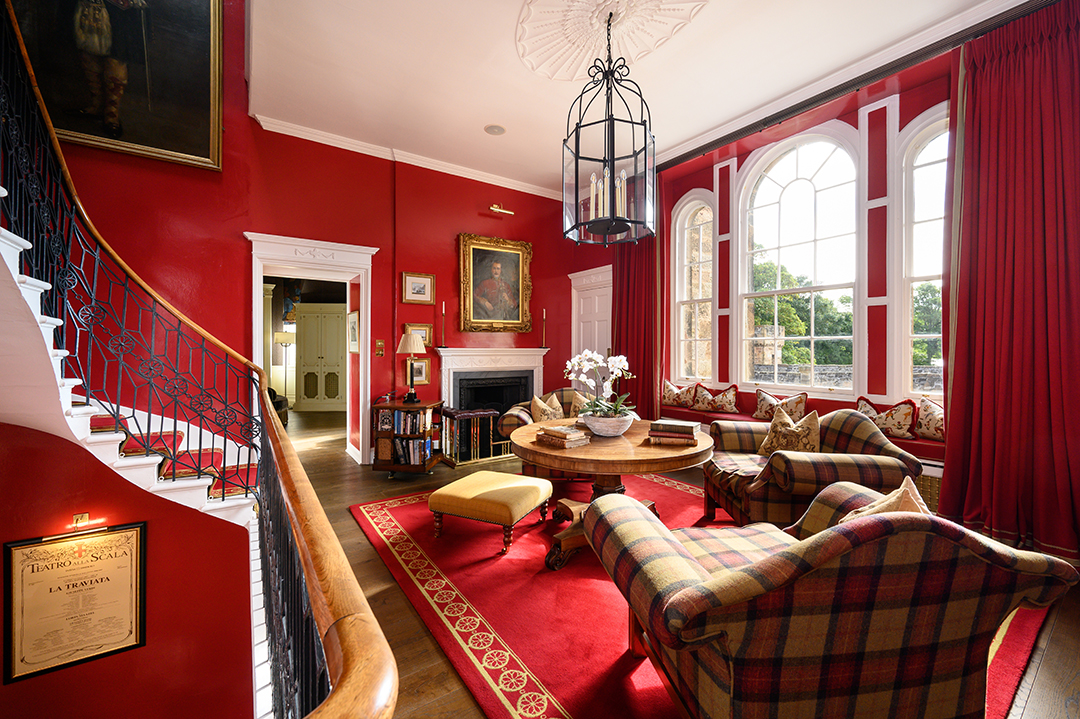
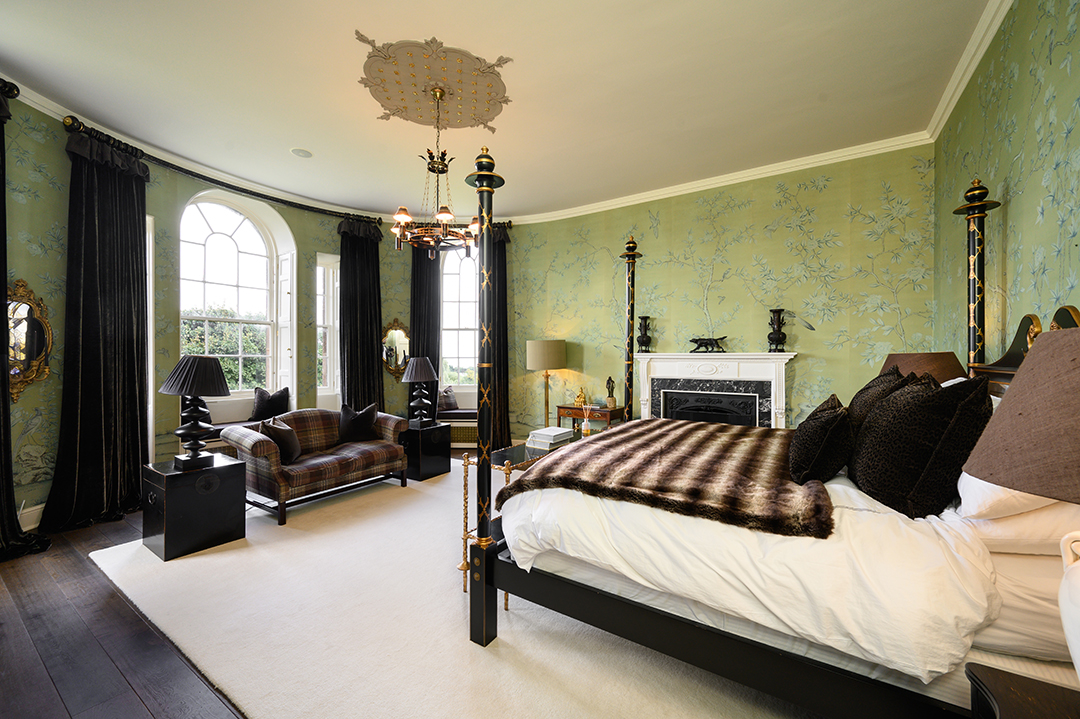
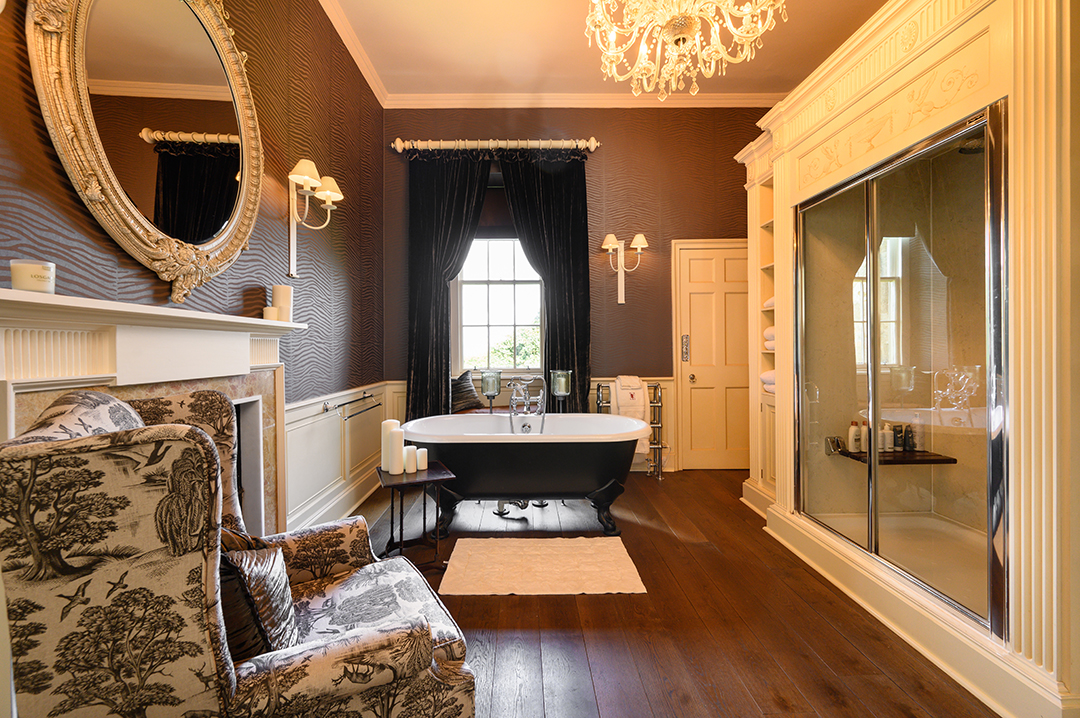

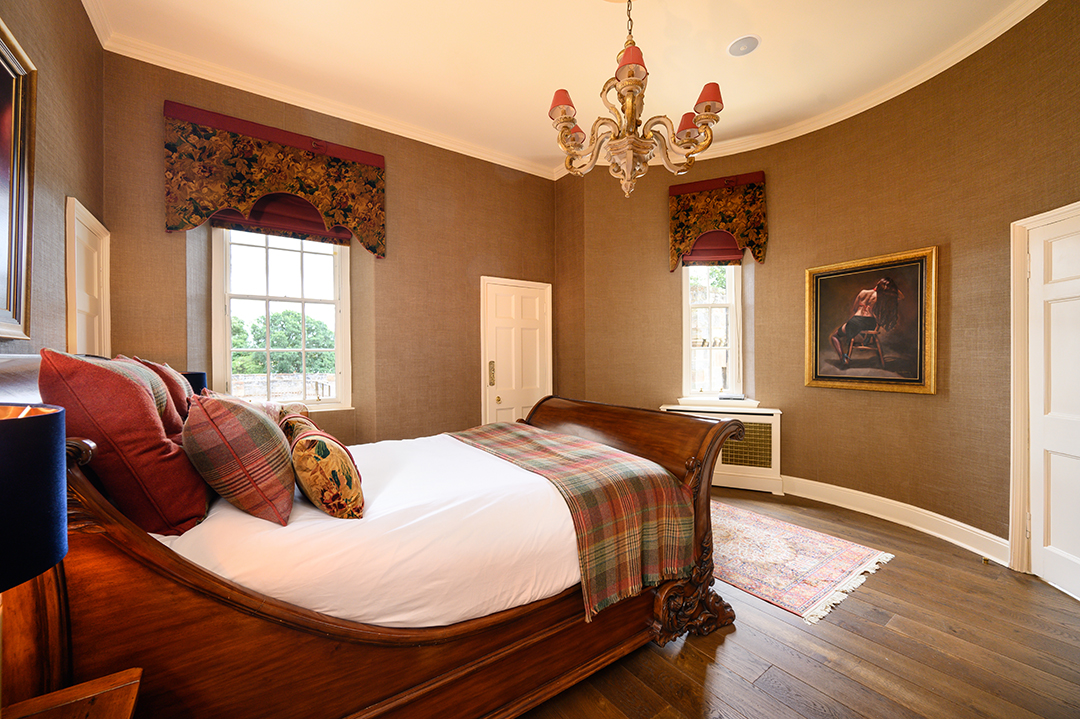
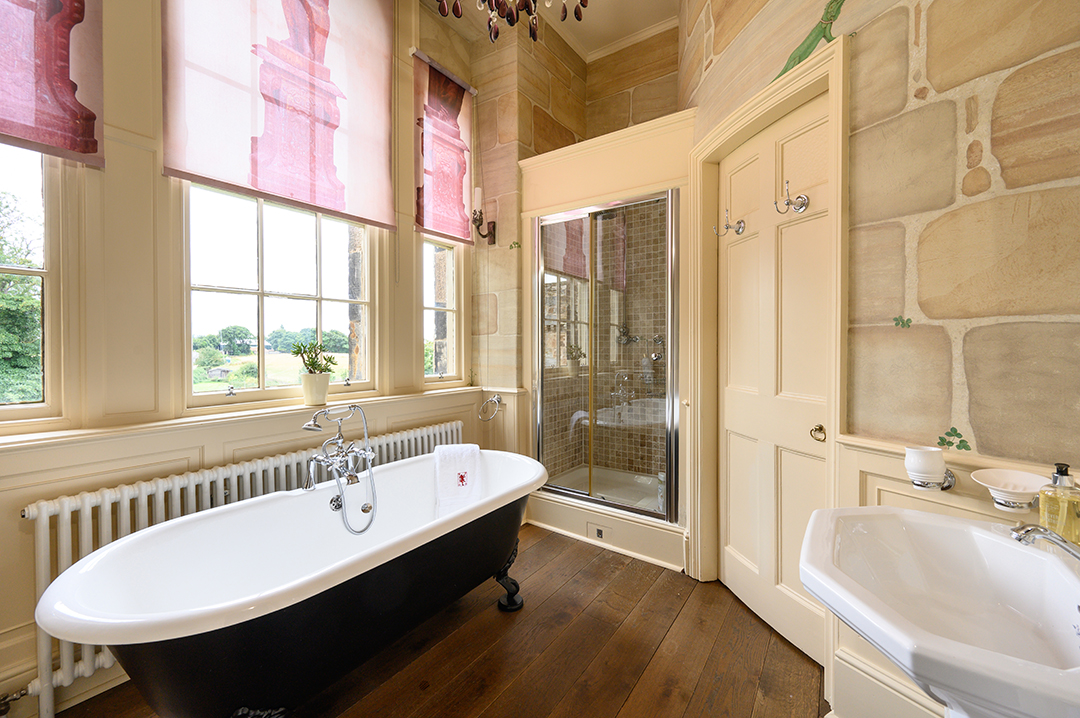
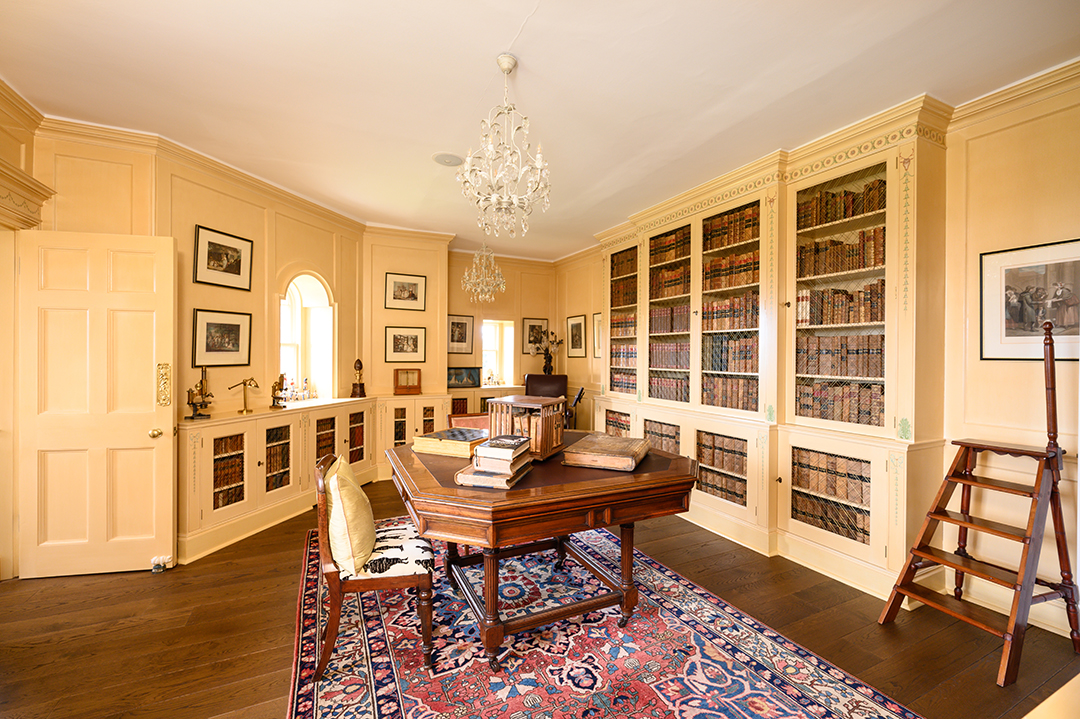
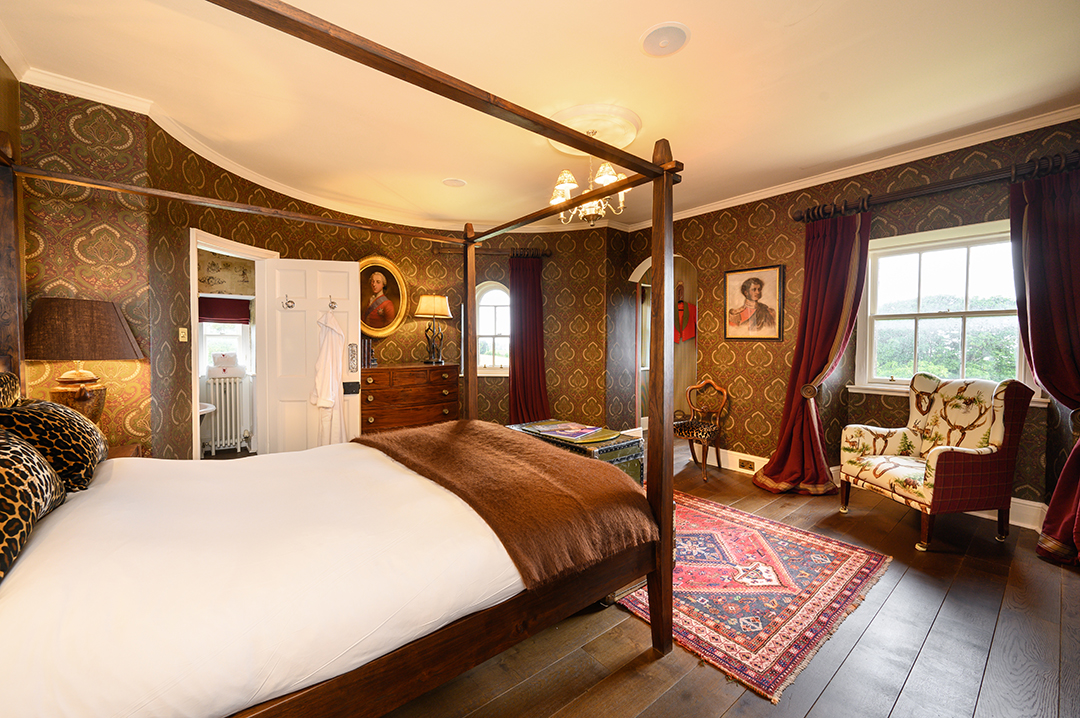
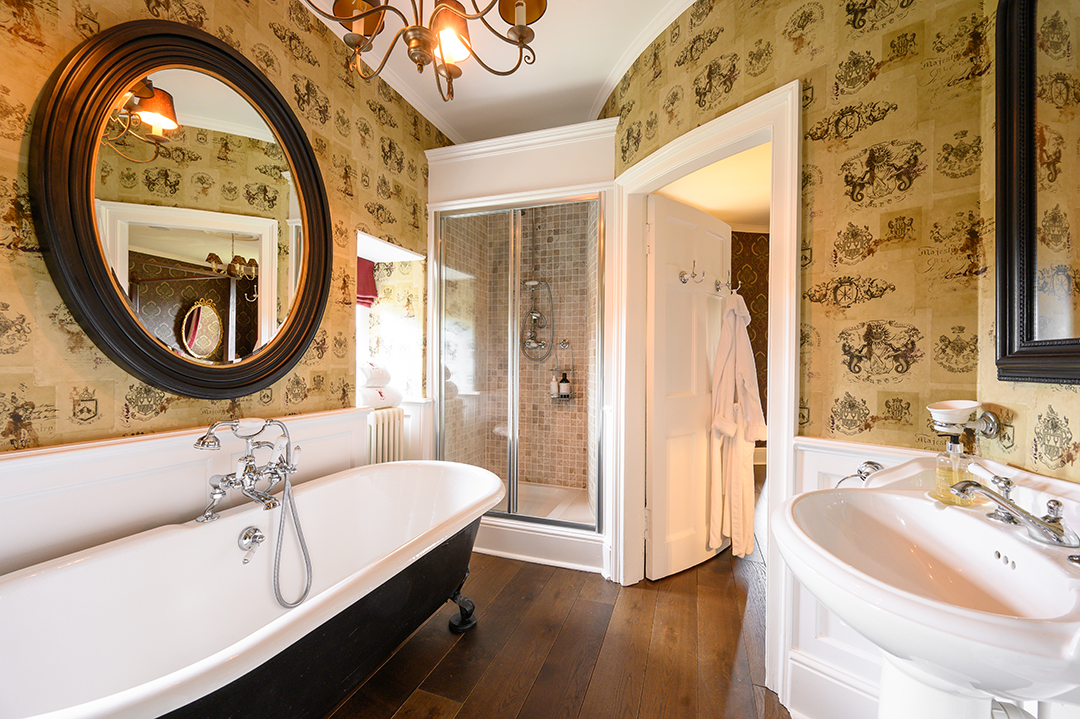
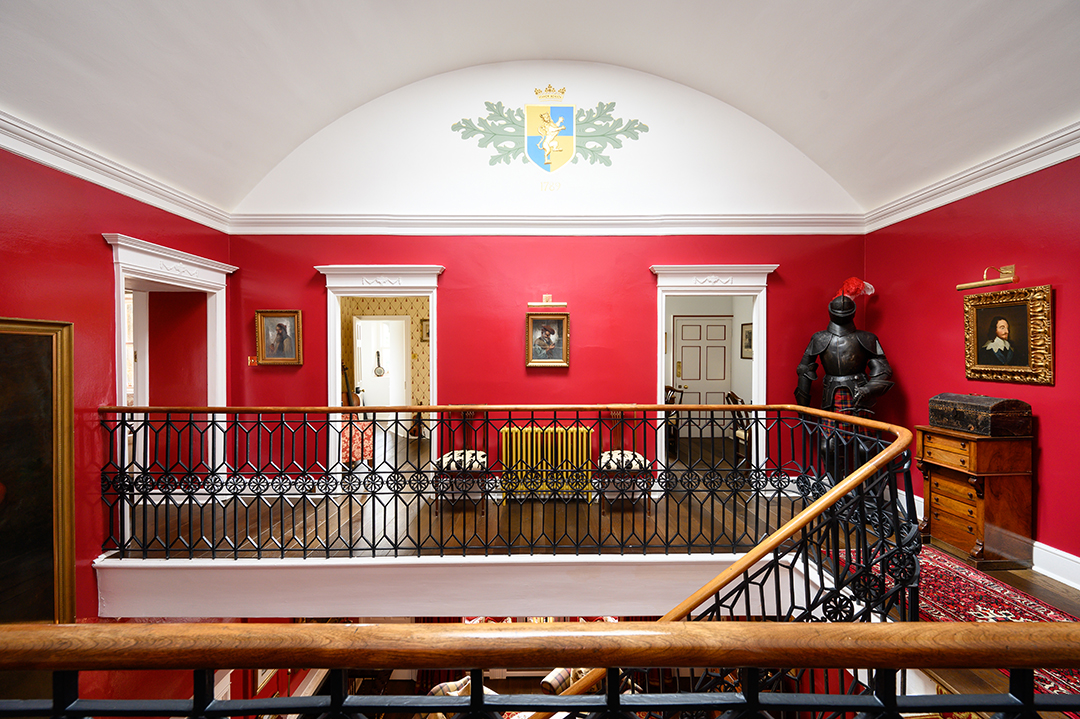
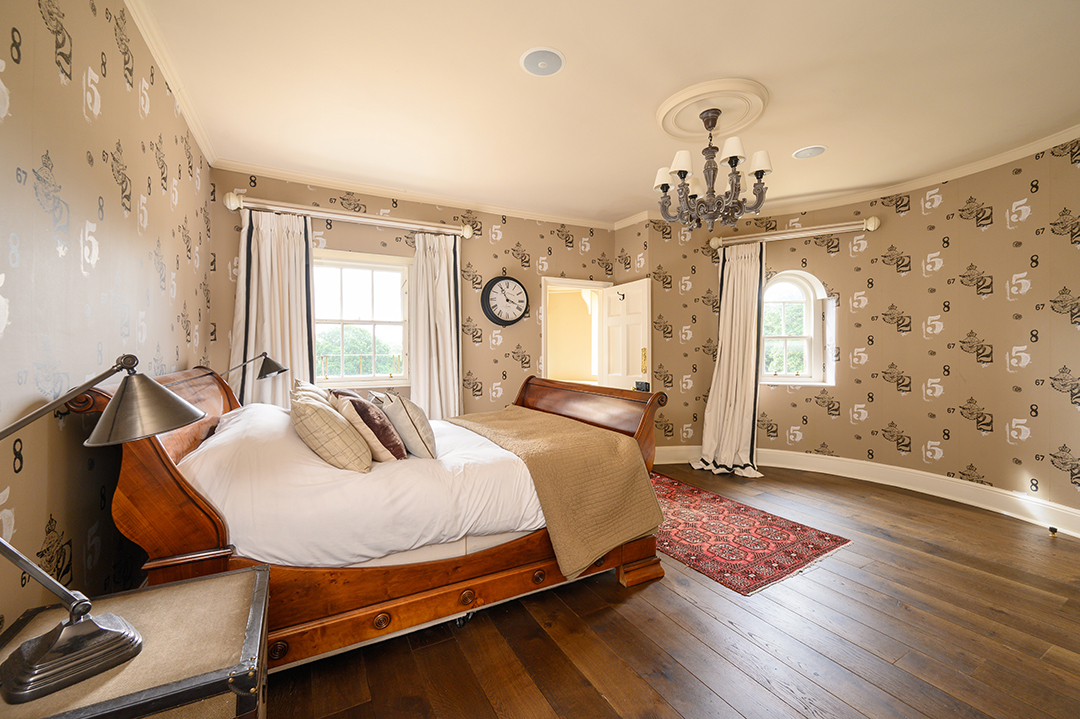
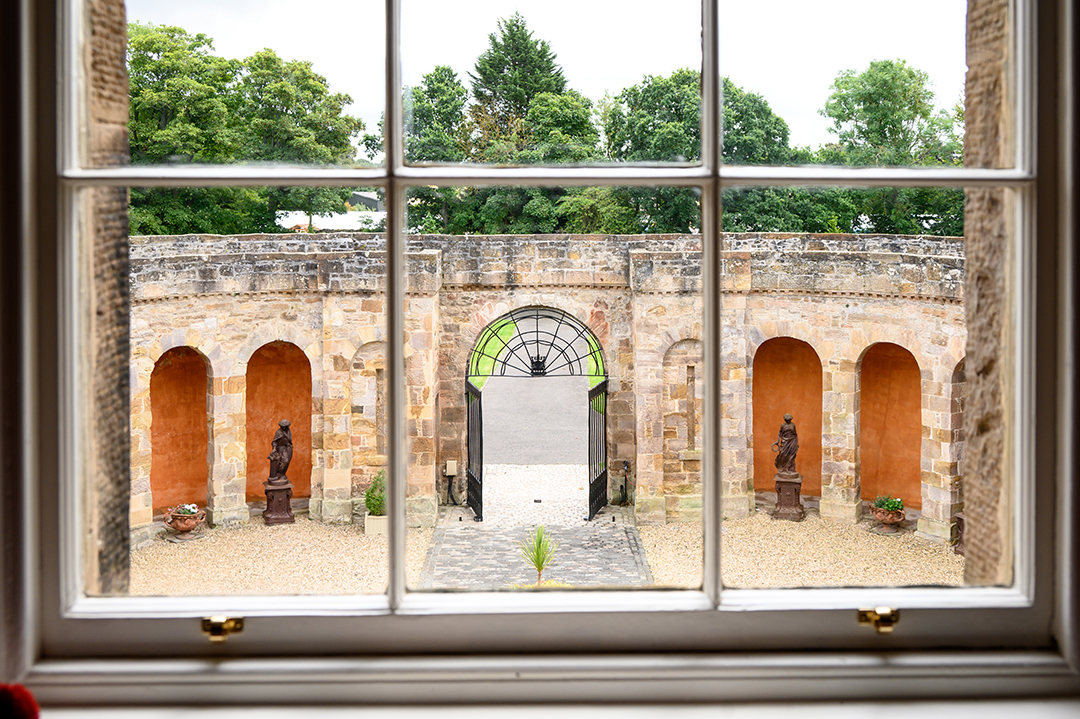



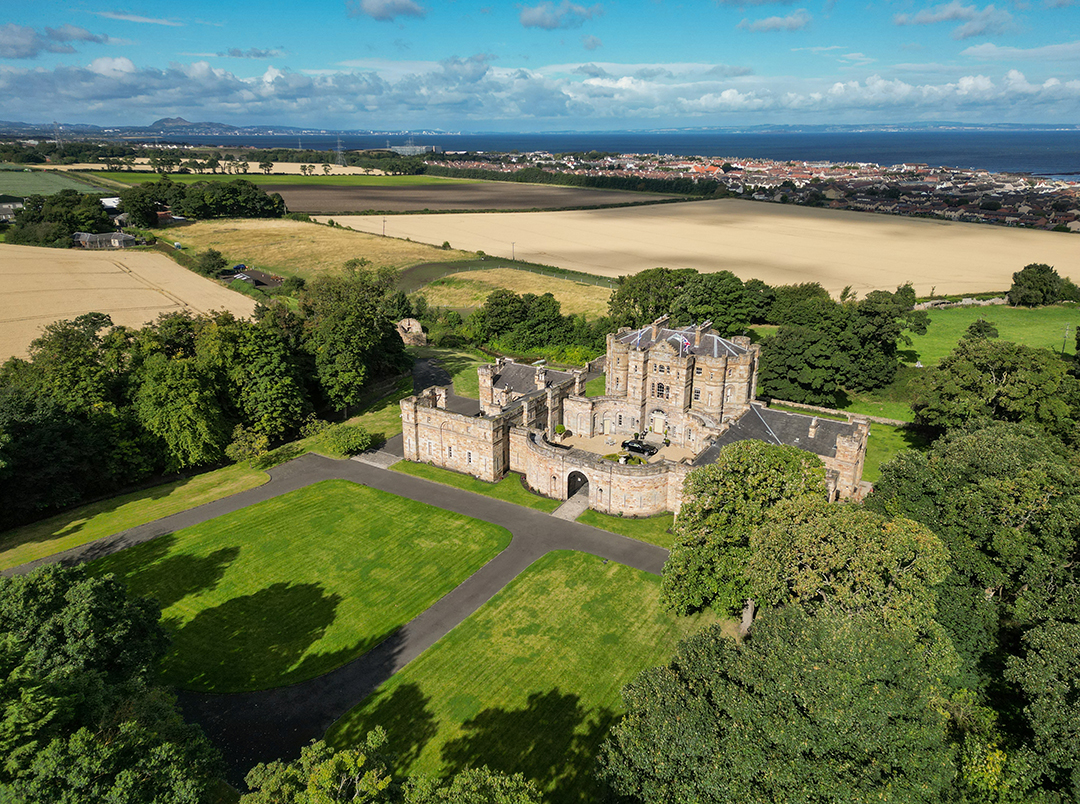
History buffs or those who long for a period drama-esque residence to become their family legacy property must check out Seton Castle. Built in 1789 by renowned architect Robert Adam and situated on the same site where Seton Palace—Mary Queen of Scots favorite retreat—once stood, it is certainly one of the most iconic estates in Scotland. Jessica Gwyn of Savills shares, “The current owner now feels their time as custodian of this outstanding building has come to a natural conclusion and it is time for this historic home to be loved and cared for by someone else.” So, it is for sale asking £8 million.
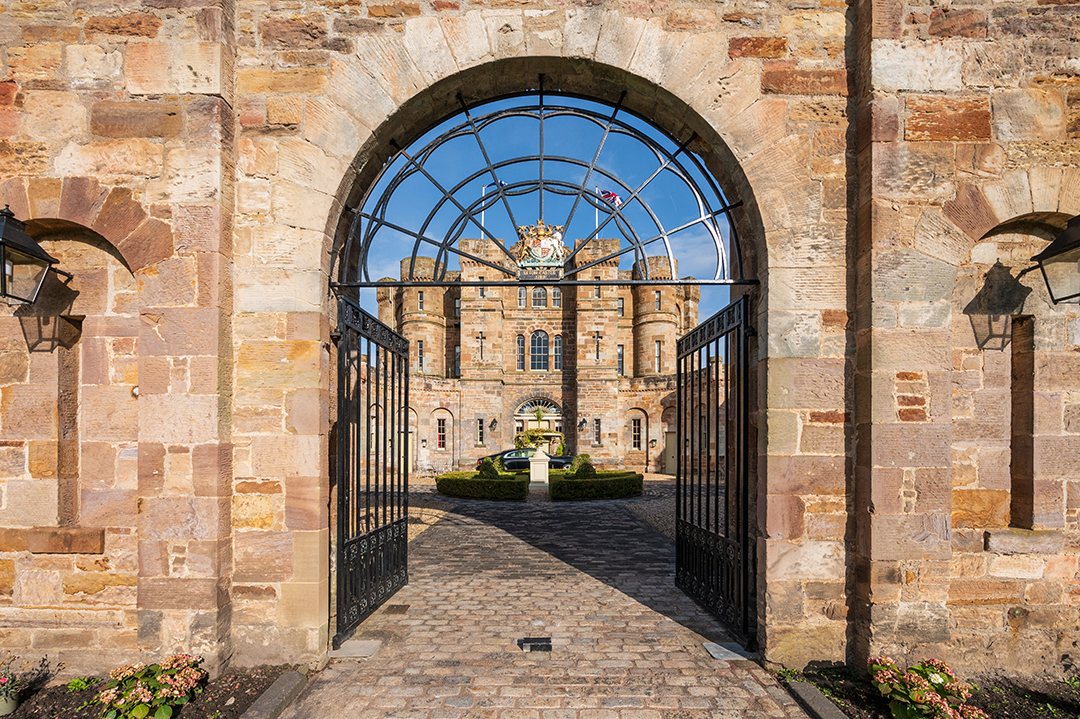
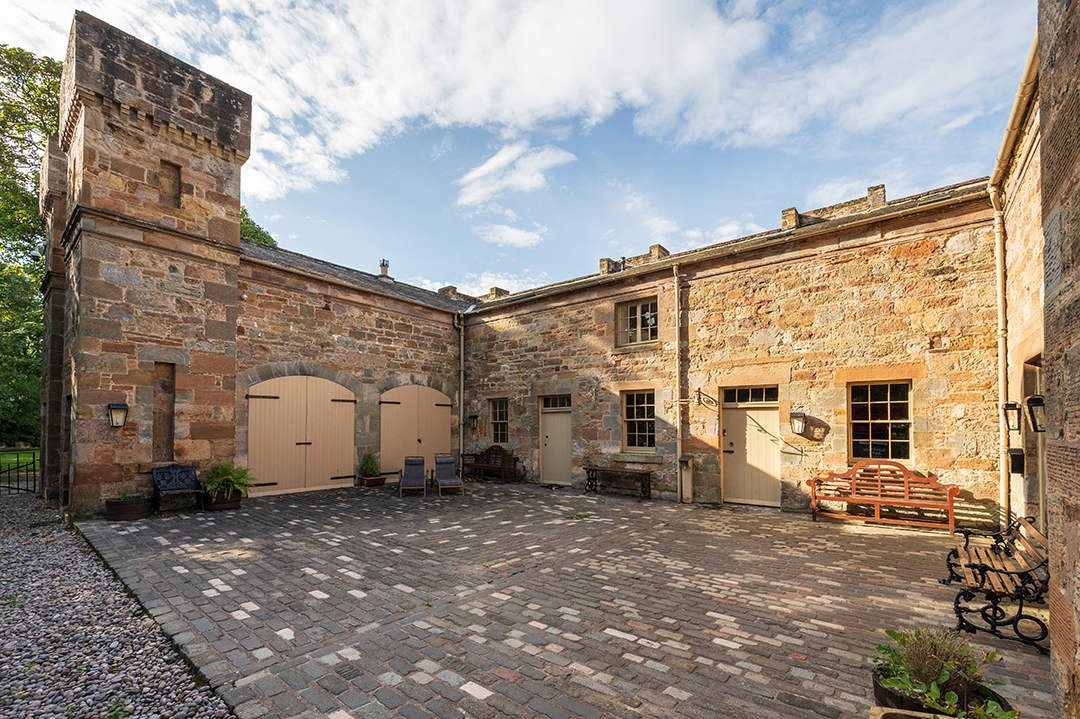
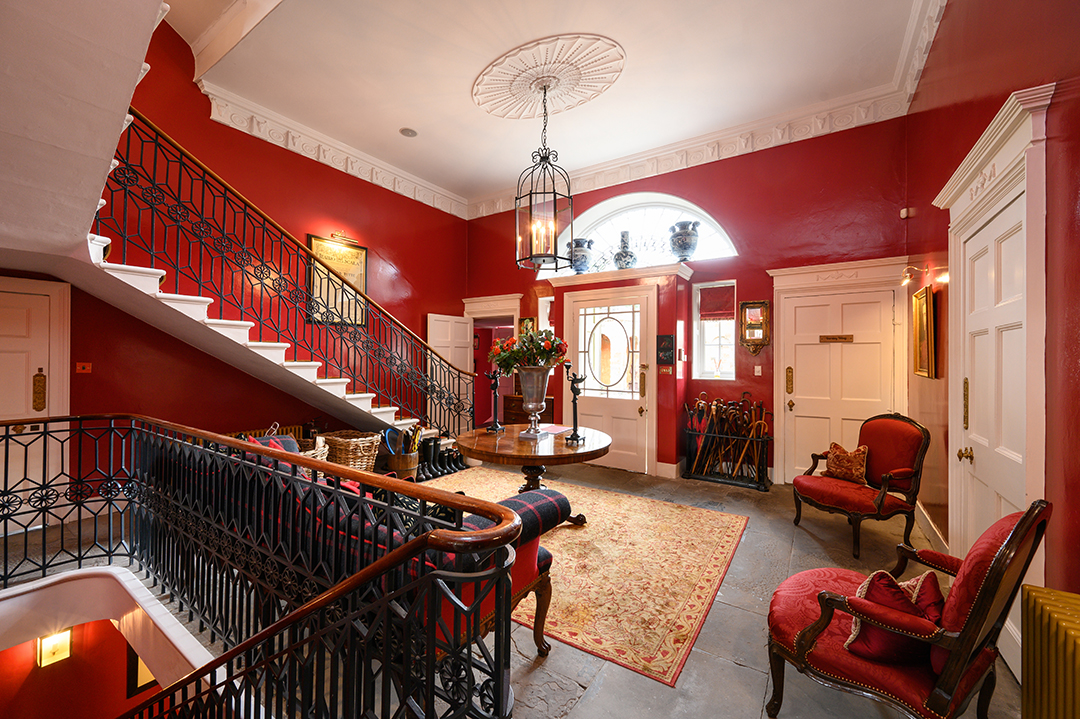
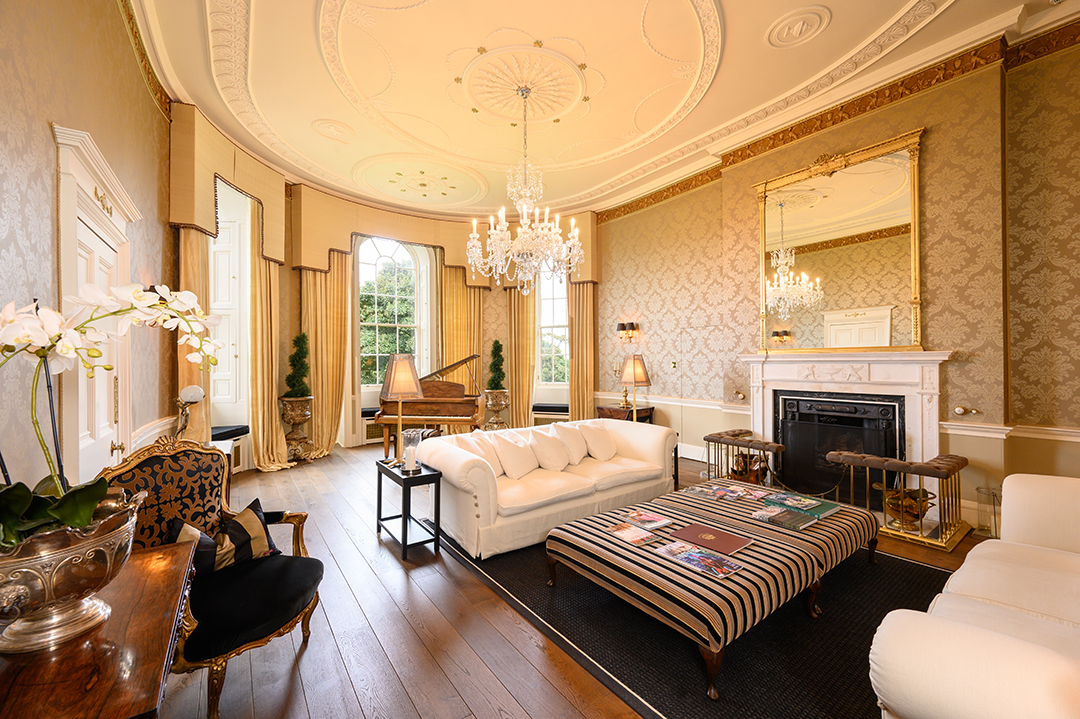
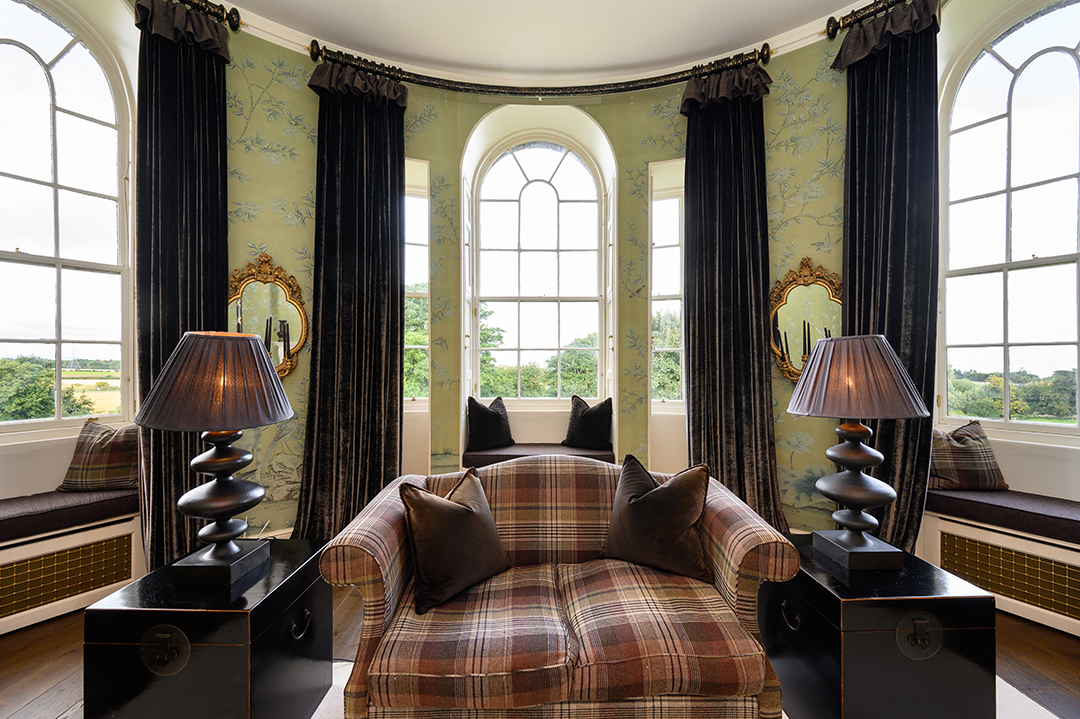
There are many reasons why Seton Castle and its 13-acre grounds are considered legendary. The castle was Adam’s final project in Scotland and all of his delicate touches remain thanks to careful restorations in the last decade. The ceiling plasterwork, curved oak-paneled doors, enchanting slit and bay windows, and turrets all draw you in mystically. Stones from the original Seton Palace were even used in its construction.
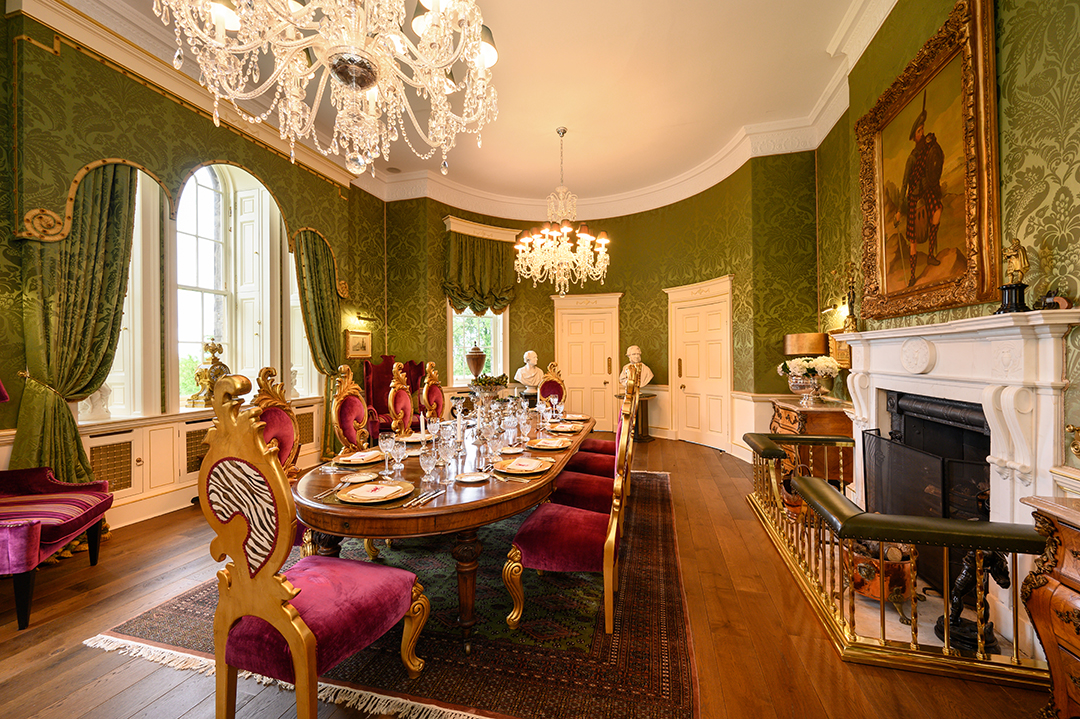
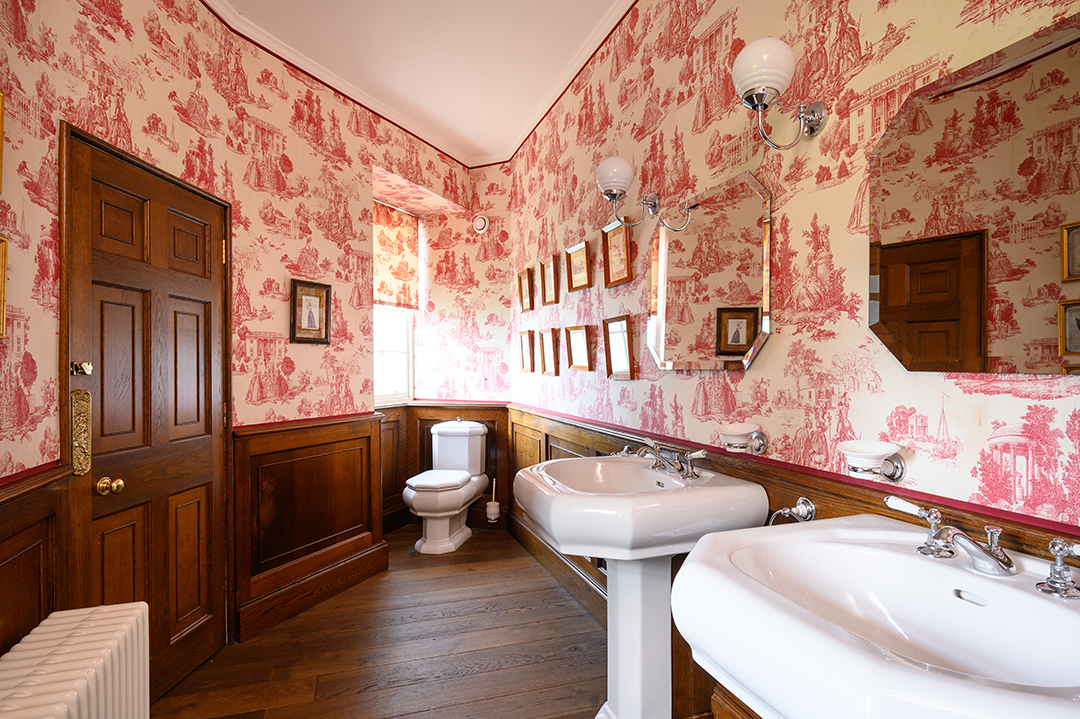
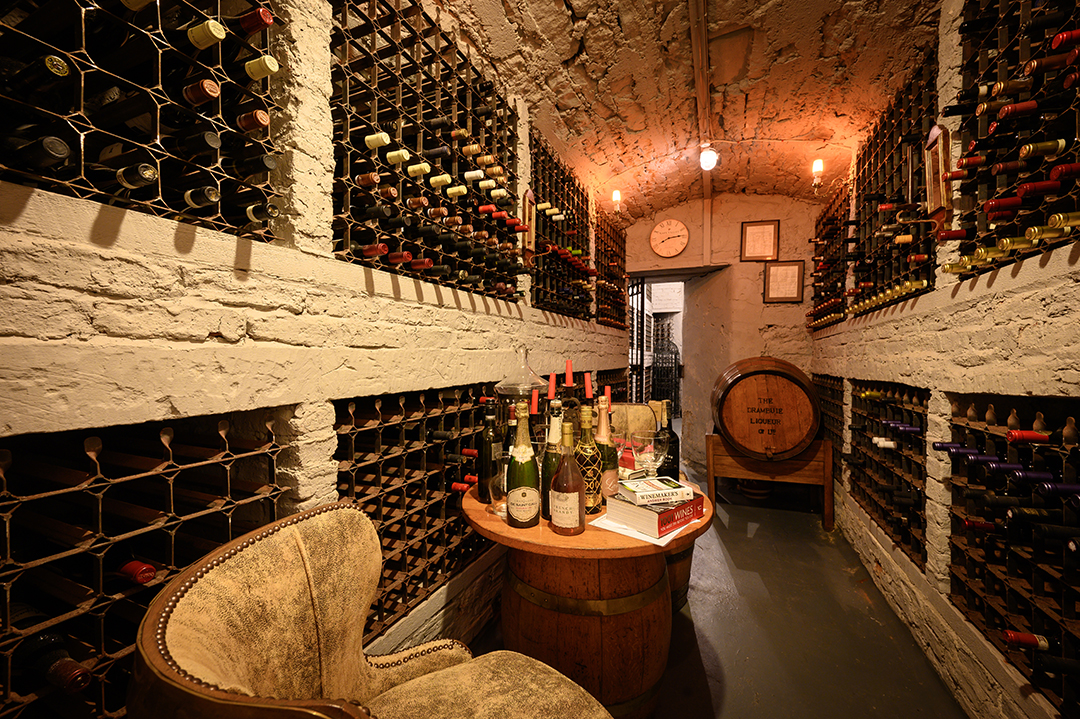
The six-bedroom central house is flanked by east and west wings made up of self-contained apartments offering three bedrooms each. These are known as Darnley Cottage and Bothwell Cottage (named after Mary Queen of Scots’ husbands). Throughout the castle, there are expected regal spaces like a billiards room and formal dining room, but also some surprising spots in the shadows. Up a secret staircase, a hidden bedroom suite with a romantic atmosphere can be found for those who know the way. One of the wing’s is adjacent to the working stables and coach house, where the estate’s private tavern bar now sits, too.
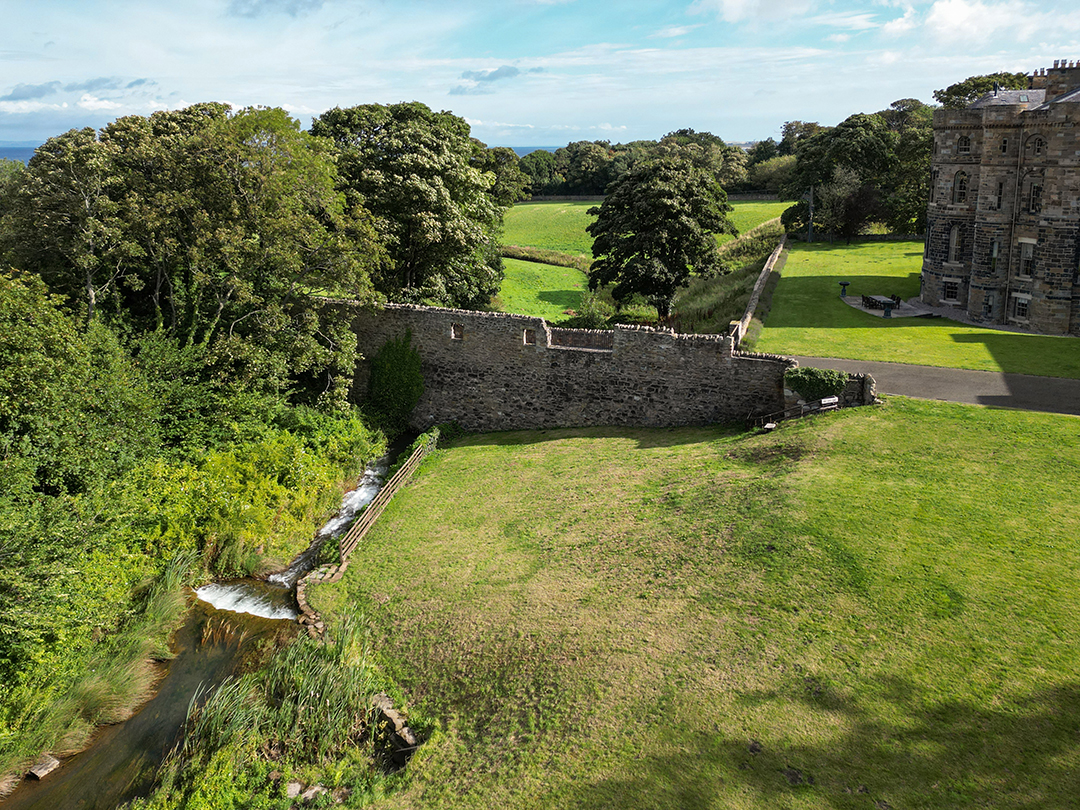
If you’re wondering about the oldest feature to discover, it is likely the estate’s 15th-century bridge, which you can still drive over today. Newer features include a helicopter pad for those who wish to arrive in James Bond fashion.
To roam this castle 10 miles from Edinburgh would be treat enough, but to own it is a badge of honor. In fact, the estate was kept in the same family’s hands for hundred of years and has only had four owners in total. From the late 18th-century to 2003, it belonged to the Wemyss family, which is also why it has been so stunningly preserved.
Gywn shares the special listing with Jemimah White, who is also with Savills.
