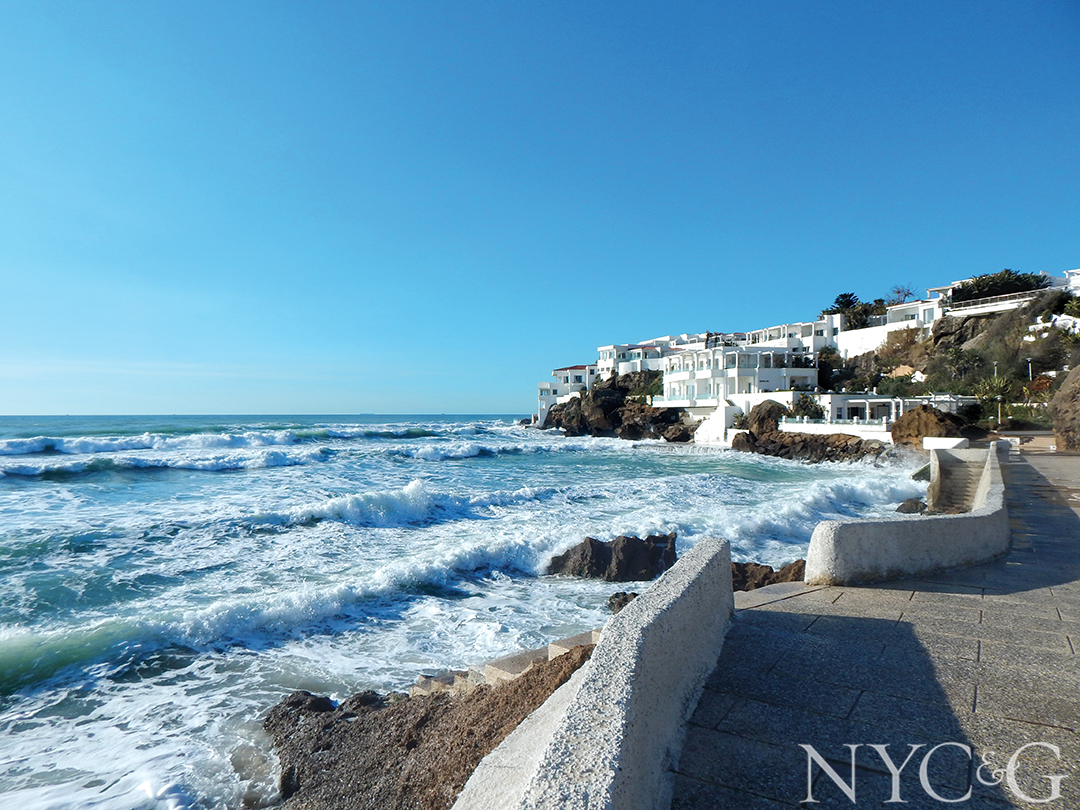
Once inhabited by the Phoenicians, who conquered the Mediterranean 1,000 years before the Romans, Tangier is a crossroads of myriad cultures. Not wholly African or Arab, neither Spanish nor French, it’s an international mash-up with exciting, often inscrutable diversions at every corner. Lively Marrakech gets more press, but seductive, seaside Tangier lingers on the memory long after the trip back home.

Sumptuous Stays: The Grand Hôtel Nord-Pinus, in town, is a heavenly hideaway beloved by expats and travelers in the know, and in clement weather, lunch on the rooftop can’t be beat. Le Mirage, on the outskirts, fronting the Atlantic Ocean and adjacent to the legendary Caves of Hercules, simply feels of another time, a tranquil oasis where service is discreet and guests still dress for dinner

Bab Essalem: French garden designers trained at Versailles have been at work on the terraced hillside garden at the privately owned Bar Essalem. The eco-friendly “planetary garden” is distinctive for its abundance of single plantings—scads of acanthus, jade grown in enormous hedges, mountains of aloe—that anchor and amplify the pretty pink main house and two guest cottages.
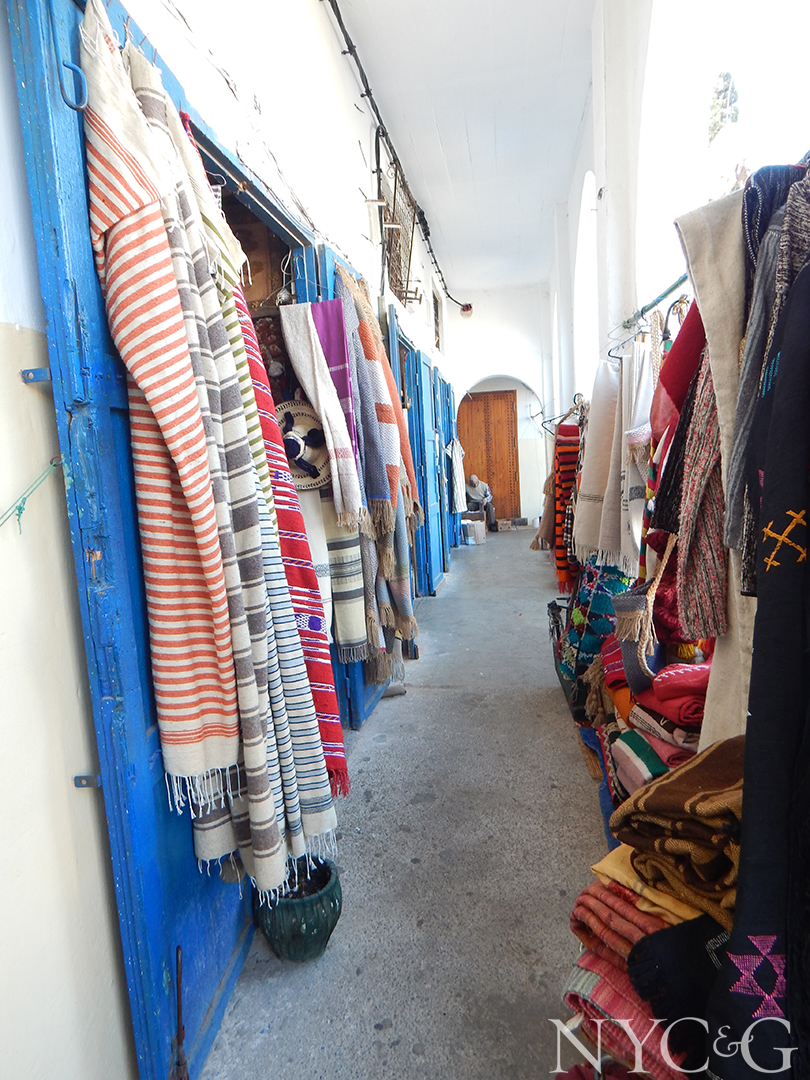
Artisans at Work: Adjacent to the casbah’s bustling small souk, a series of artisans’ workshops beckons in a large building comprising a whitewashed arcade configured around a central courtyard. No stranger to the tourist trail, the Fondouk Chejra is nevertheless oddly quiet, marked only by the hum of people working at their looms or stitching up rugs. You can still haggle, but things are refreshingly hushed here.
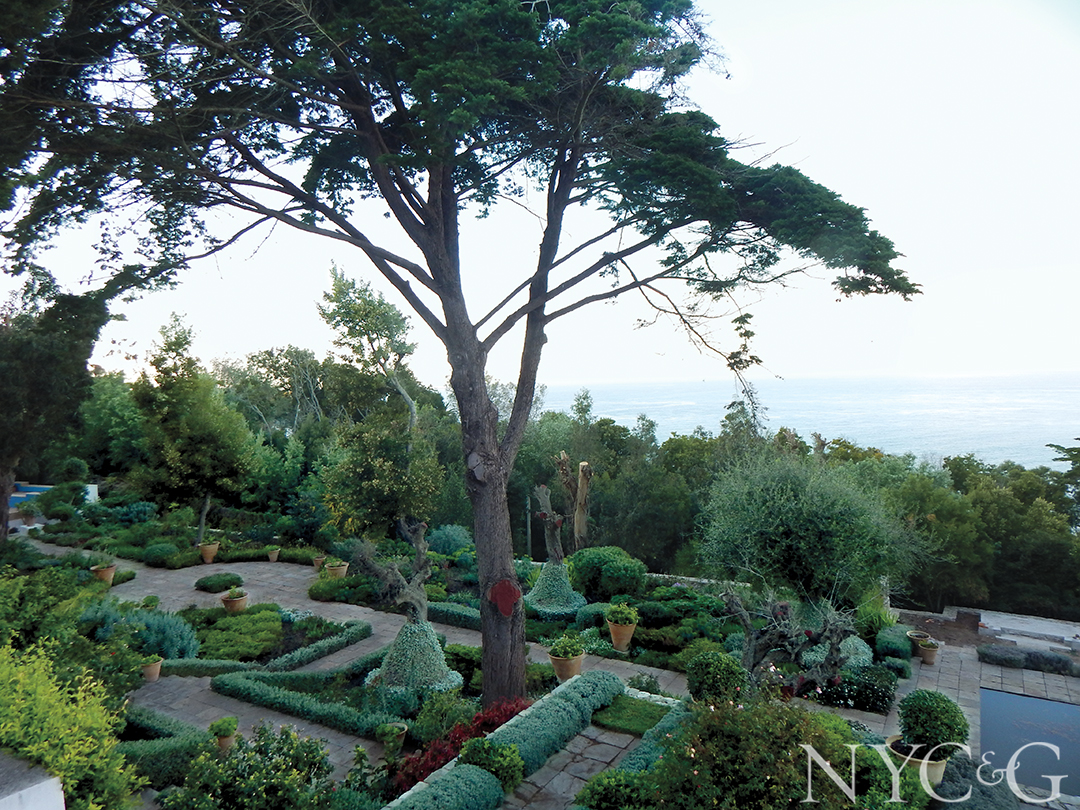
Dinner at Veere’s: British designer Veere Grenney loves to entertain at his home, which began life in the 1930s as a much smaller cottage that later served as the American School of Tangier and welcomed guests such as Truman Capote and Tennessee Williams. The tradition continues with Grenney, who every year builds a platform over his swimming pool and taps a variety of actors to put on a play, raising money for the American Legation. This year’s spectacle: A Little Night Music.

The American Legation: The Kingdom of Morocco was the first to recognize the United States as a country, and the 1821 Moorish-style American Legation became the first American public property outside the U.S. It served as the U.S. legation and consulate until 1956, when Morocco became an independent country and established its capital in Rabat. The U.S. State Department still owns the building, now used as an arts, culture, and resource center, and pays $1 a year in rent—the rest of the upkeep comes from donations.
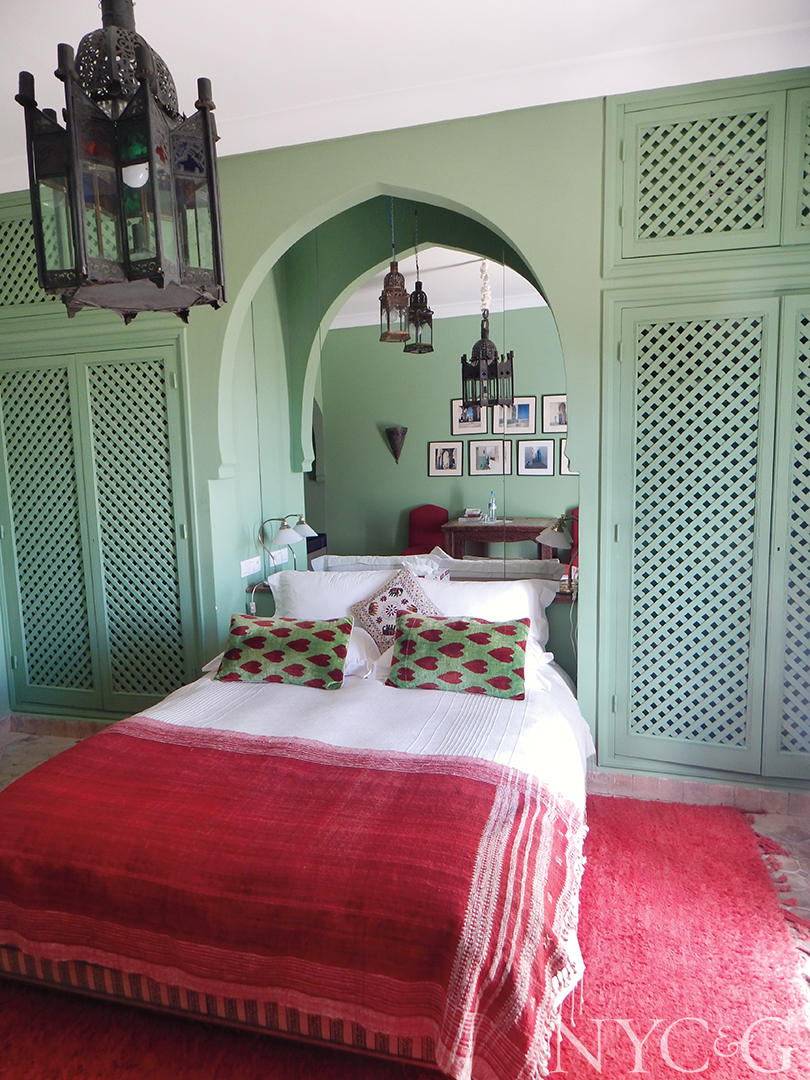
Dar Sinclair: The home of the late photographer Tessa Codrington (now owned by her three daughters, including model Jacquetta Wheeler) is English in the very best way, but made totally exotic with its Moorish accents and meandering garden where papyrus, flame trees, and African daisies flourish.

Asilah: Asilah, a beachfront town south of Tangier, is the scene of a yearly international festival of graffiti and street art, where wall-watching is the local sport. The gaily painted walls get lots of attention, but simpler swaths in sky blue and white and seafoam green more than hold their own.