


Winner: Carrier and Company Interiors
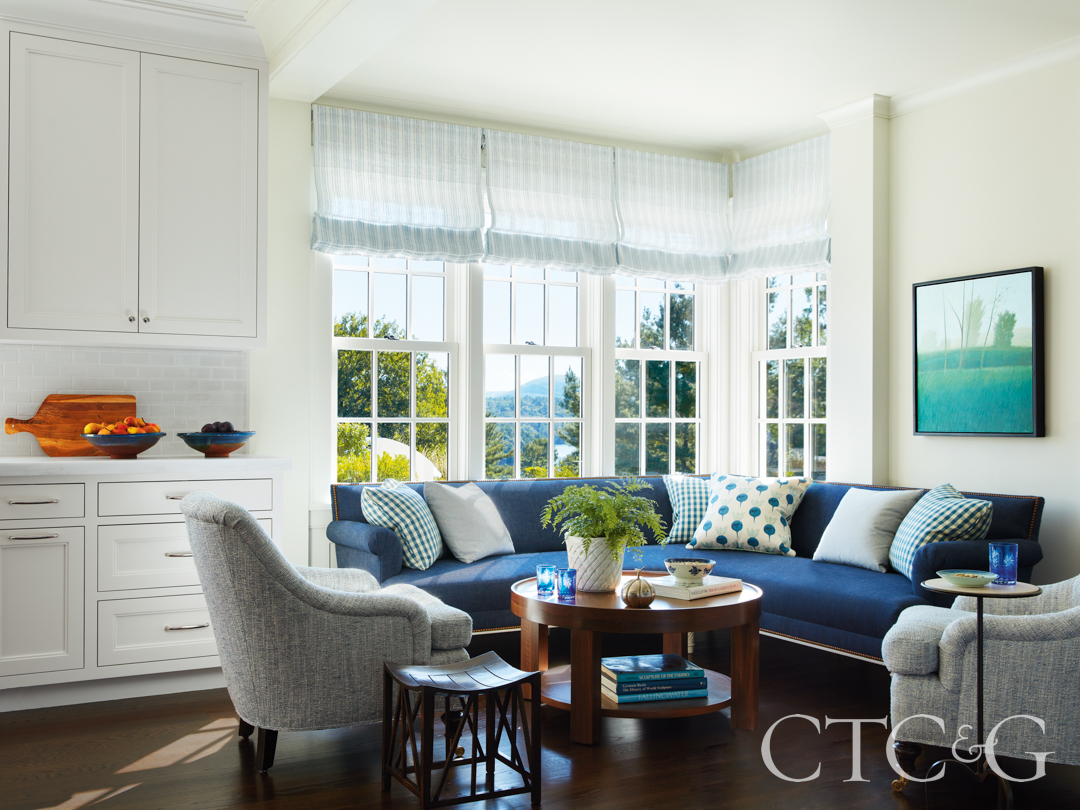
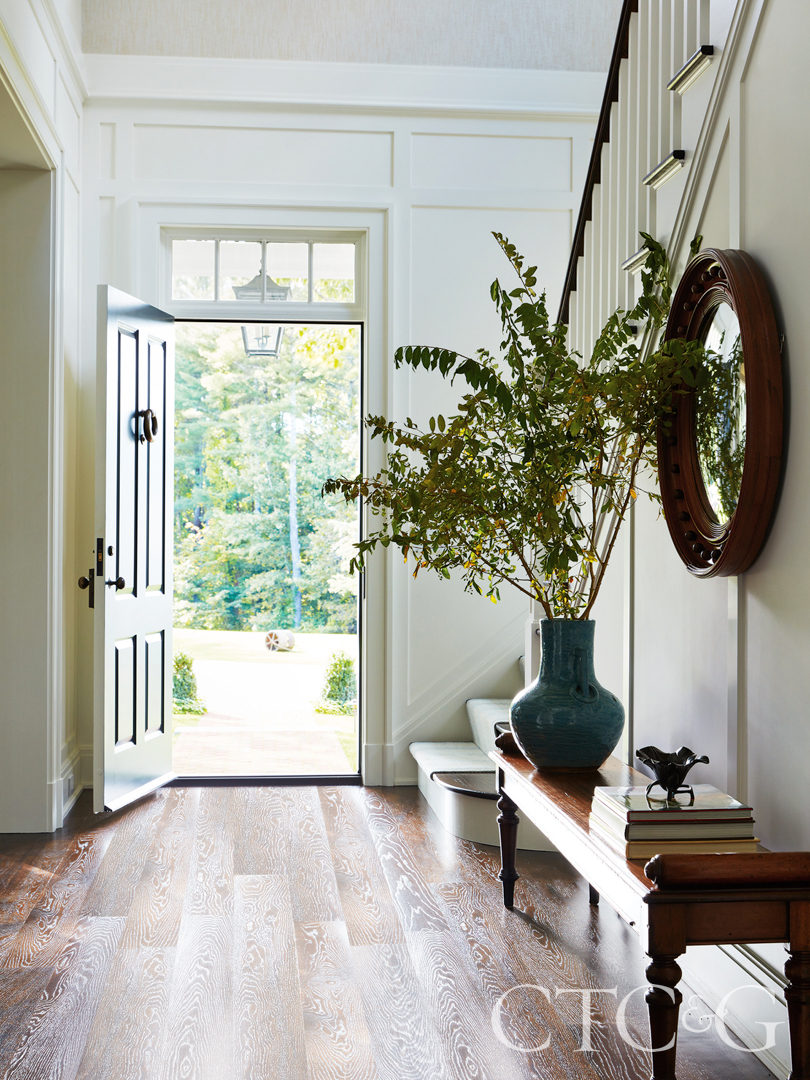
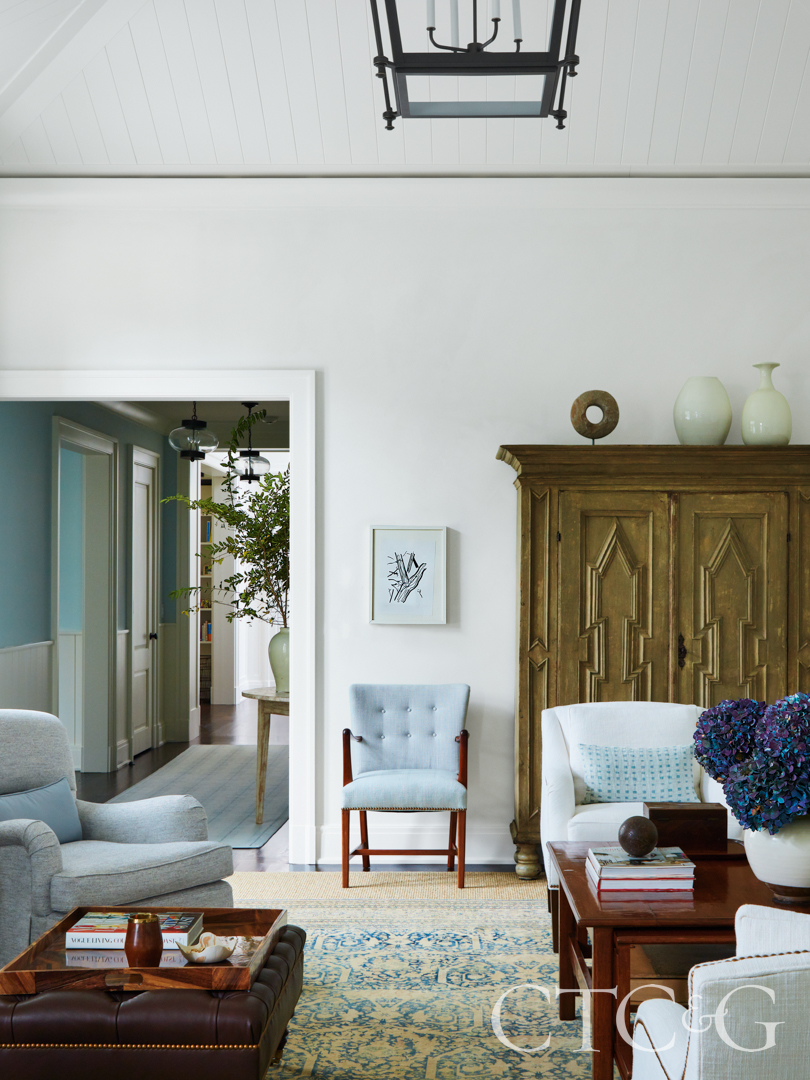
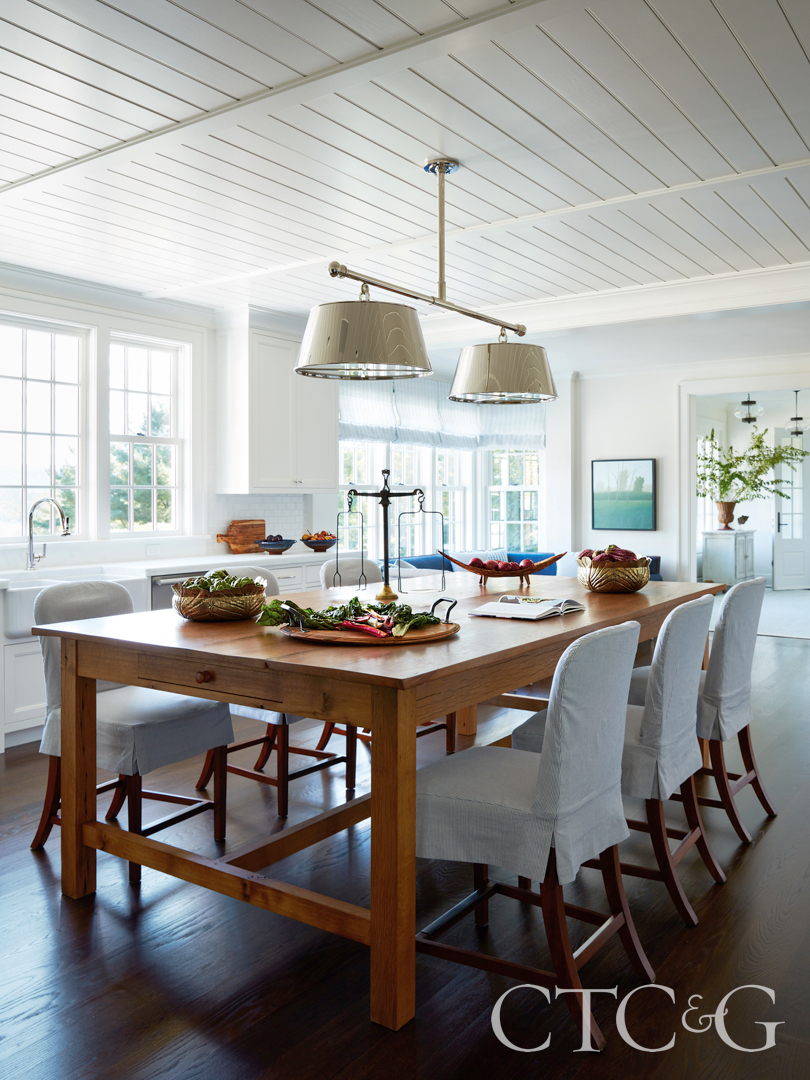
Since it was built two decades ago, this center-hall Colonial-style house has served as an adored retreat for multiple generations of a family. Carrier and Company Interiors, along with architect Jim Dixon, was commissioned to create an even greater sense of unity within the dwelling. Some open plan spaces were reshaped to foster a more pronounced sense of both solitude and togetherness. New wings expanded the footprint of the house and allowed for more family activities and guests. One key dynamic of the interior design scheme was to blend existing pieces with new furnishings, some of which were vintage finds. In the great room, for instance, a pair of 1940s Danish chairs are positioned alongside a massive carved armoire that had long been in the family. A library was transformed into a bright dining room, while a large multi-purpose table was installed in the kitchen, which now features a gracious banquette alongside a window overlooking the lake.
Finalist: Roughan Interiors
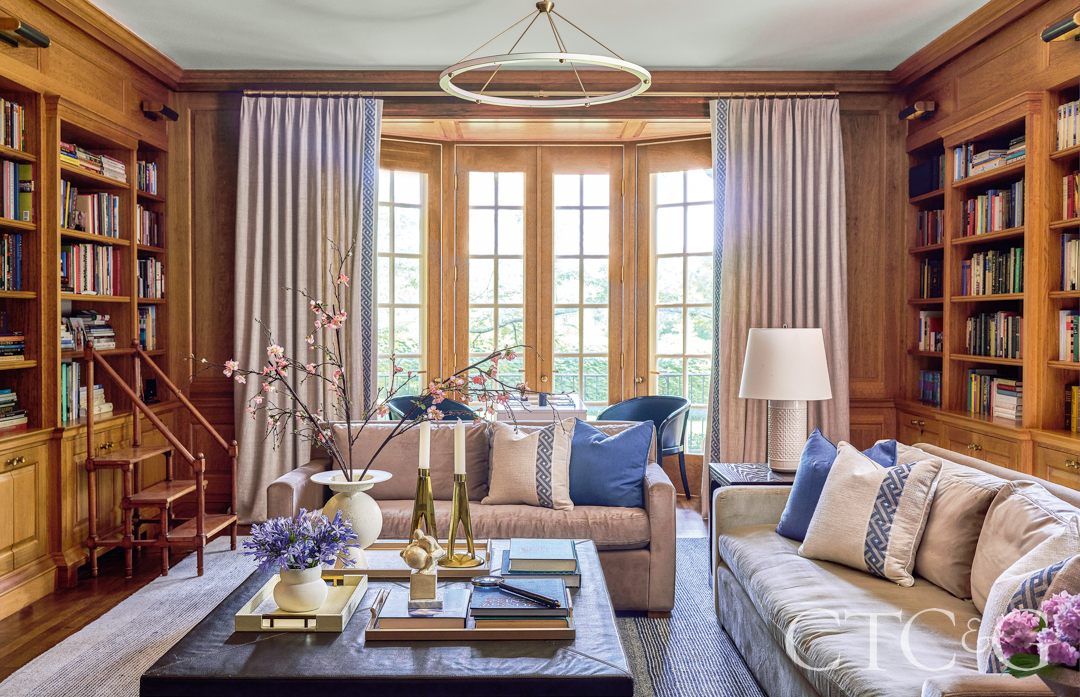
The trip between New York City and Newport used to be a rather involved one. This home, known as Wildwood, was used by its owner long ago as a stopover between the two locales where she had residences. The house was completed by her cousin, architect Charles Wetmore (1866–1941), known for his design of Grand Central Terminal and numerous hotels. Cousin Maude had wanted a home evocative of a centuries-old Cotswolds manor.
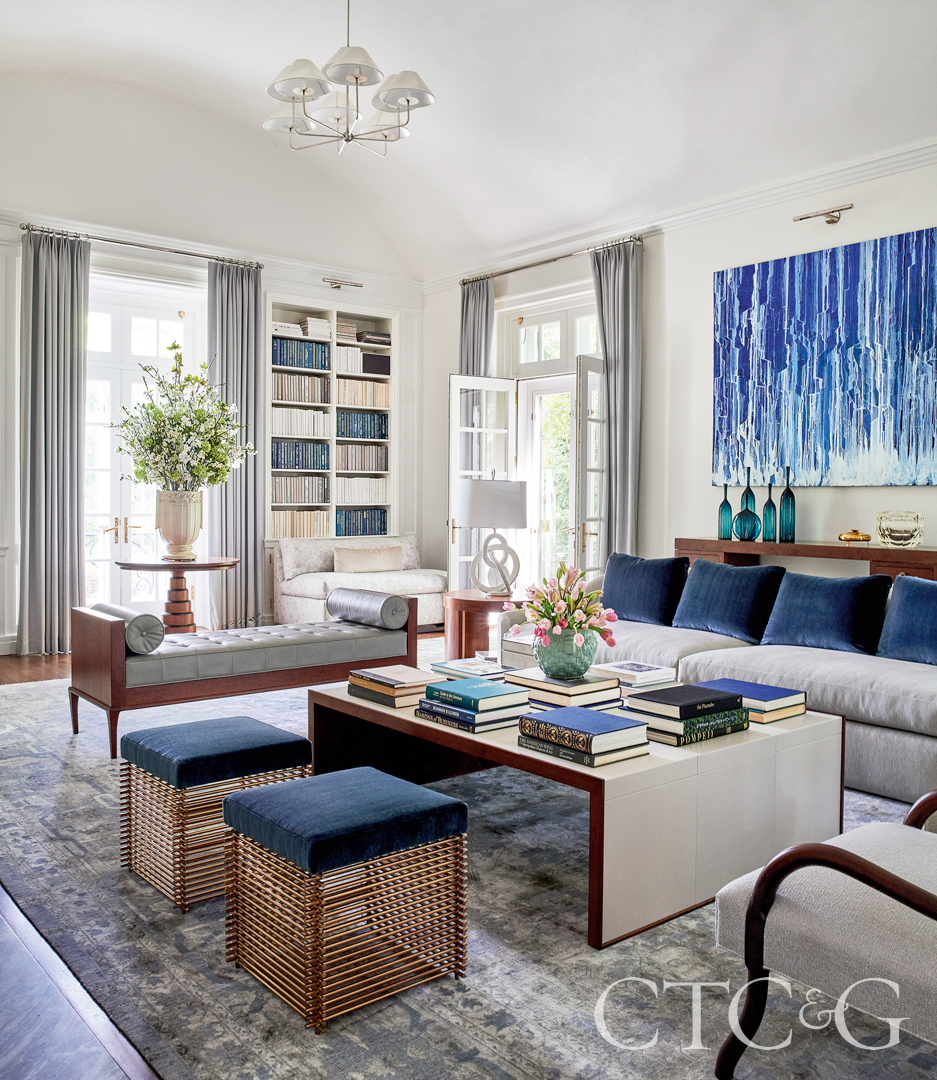
Roughan Interiors was entrusted with the task of updating, restoring and refining what was already a notable and beautiful property. No room was left untreated. New paint, woodwork, cabinetry, decorative ceilings and refinished floors transformed the home into something modern, yet still rooted in its noble past. New bookcases, notably a series of built-ins in the great room, function not only as practical features but also as “art walls of books.”
Finalist: Cobble Court Interiors
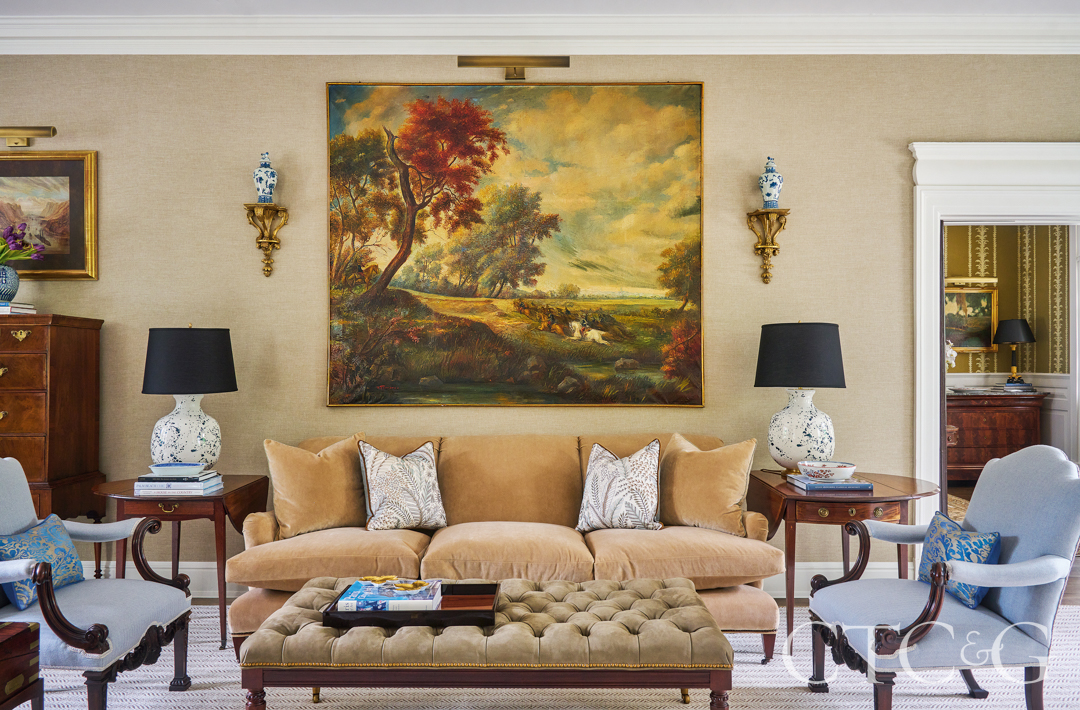
Built in 1899 in Ridgefield, this Georgian-Revival-style house began its life as a summer retreat for the Tuttle-Smith family, who owned it until the 1940s. A subsequent family converted the house into a commercial building with offices, a change that resulted in all 10 fireplaces being sealed, rooms being partitioned, and floors being covered in linoleum and carpeting. Still later, the house was sold to a church for one dollar, whereupon it was used for parties, a preschool, and even the town’s department of education.
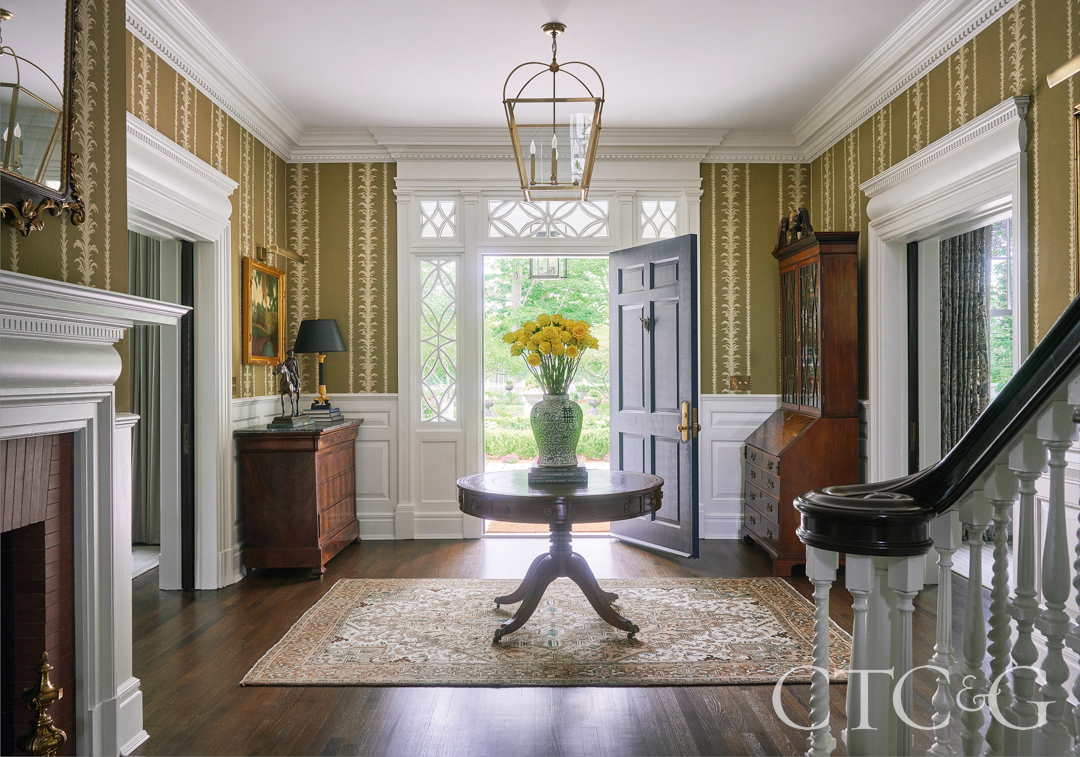
Now it has been restored back to a real home by a new, sensitive owner. Interior millwork was re-created, and all of the fireplaces were rebuilt by expert masons. The entry wallpaper is Palm Stripe from George Spencer in London and most interior furnishings are antiques from the Georgian period. A new open-plan kitchen/family room has brought the house fully up to date.
