


Nonalcoholic “spirits” are everywhere these days. Every week, it seems, a new stand-in for the hard stuff promises to help us cut back on booze. Recently, I discovered the most fascinating and delicious addition to the crowded field as I drank my way through the Opius line of alchemical elixirs. These super-premium imports from Belgium have a backstory that’s almost as inspiring as the liquid itself
It begins in the summer of 2017, when Leander Beuckels and Lucas Lambrechts—friends from the University of Ghent—transformed an abandoned rail station into a summer cocktail bar and barbecue pop-up. By summer’s end, they noticed that their mocktails, not their cocktails, had been the biggest sellers. And an idea began to take shape.
They reached out to their old chemistry professor, Benedikt Sas, who had an eccentric interest in the history of alchemy, going back to the Middle Ages and ancient Egypt, and ran a sideline business reviving historic spirits in his backyard copper pot still. They convinced him to redirect his talents to the nonalcoholic segment instead.

Dr. Sas first conjured an “amaro” made from citrus-scented botanicals, with bright layers of flavor and a distinctive finish. When they brought it to local bars, the professionals who tasted it were incredulous. It delivered the same satisfaction—the rich texture and long finish—as boozy amaro. Dr. Sas had found botanicals that stimulated the production of GABA (gamma-aminobutyric acid) in the brain, the same neuroreceptors triggered by alcohol.
The professor offered to try the same flavor extraction process with other botanicals. Three more products were born, each ideally suited to mixing across different cocktail families. Today, the Opius line—which is named for the ancient alchemist’s manifesto, the Magnum Opus—includes the Albedo, a blend of anise seed, cardamom, juniper and clove, which won the top prize (Double Gold) at the first Zero Proof Choice Awards in New York. The Nigredo—perfect for espresso martinis—has a rich coffee and caramel flavor with a hint of wood smoke. Rubedo—infused with orange peel, gentian, rhubarb and chinotto—is bold and bitter like a classic Italian amaro. It makes an excellent Negroni. And the original, crisp and citrusy Amaro (less bitter than the Rubedo, despite the name), featuring angelica root, juniper, lemon zest, coriander, and almond, is just right with a splash of tonic.

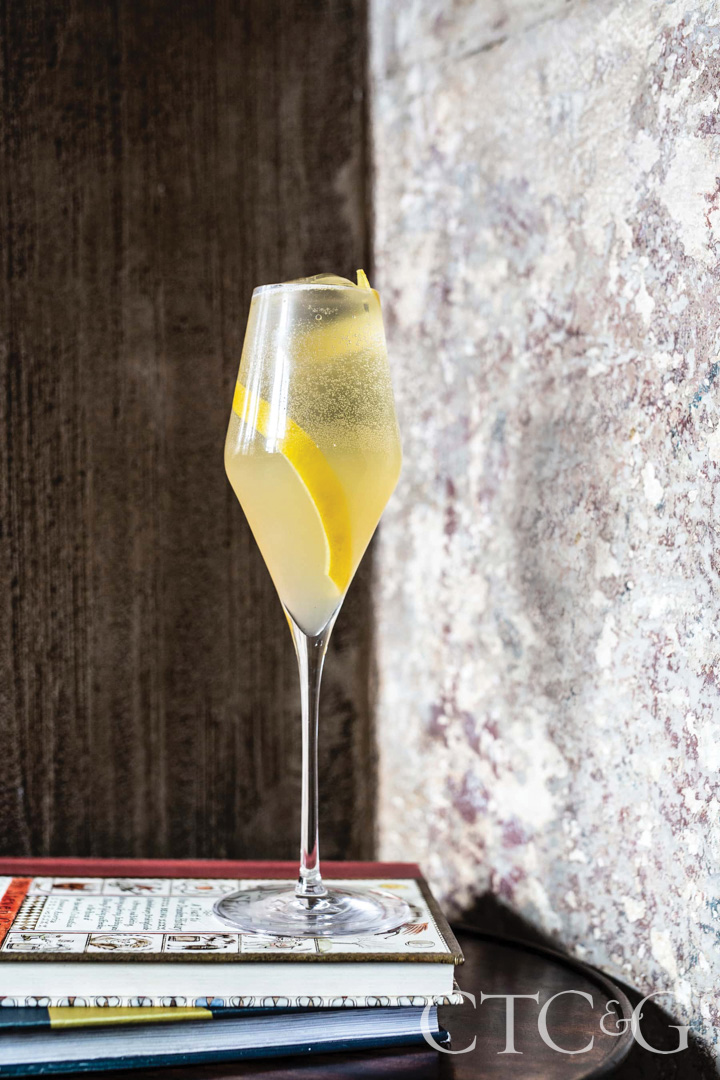
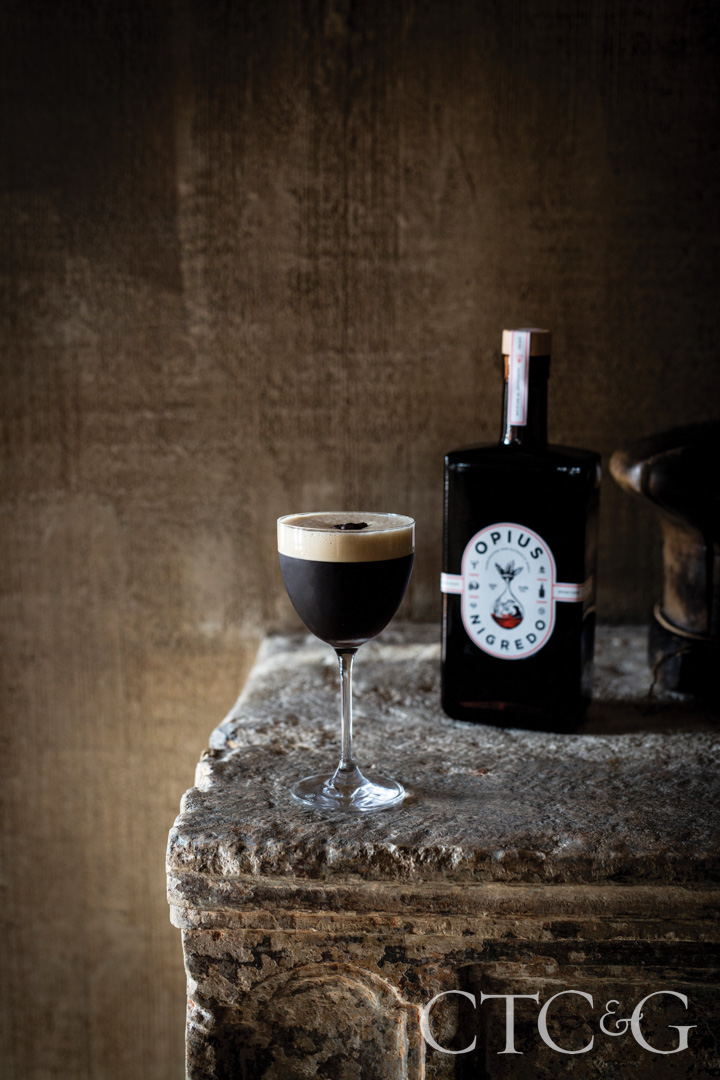
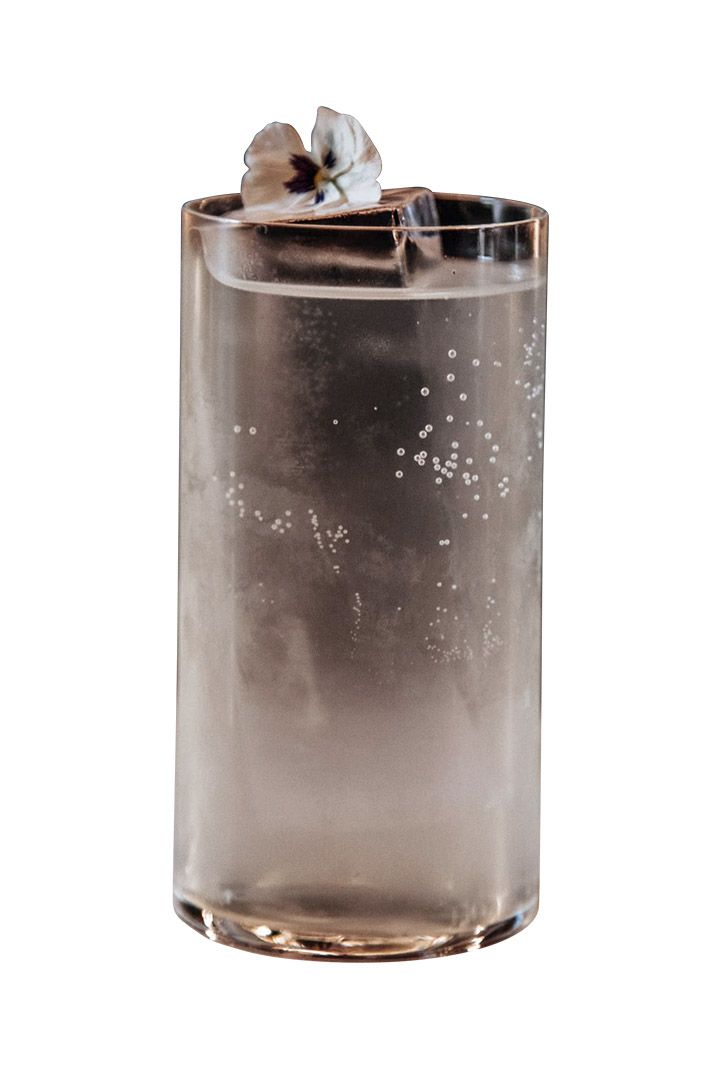
Opius saw early success in Europe before recently making the leap into the U.S. market, led by Nicolas Guillant, a veteran of top liquor brands, now a partner in Opius. “Limiting alcohol seems to be on everyone’s mind,” he says. “With the health warnings, many people outright abstain.” But Opius isn’t just for full-fledged teetotalers. It’s an excellent option for casual drinkers looking to slow their alcohol intake by switching between alcoholic and zero-proof drinks over the course of a night—part of a growing trend in so-called “zebra” drinking. “There are two ways to zebra drink,” says Guillant. “One is to alternate between one strong cocktail and one NA cocktail. Another is to alternate between low-alcohol drinks and zero-proof drinks in a continuous zebra pattern all evening.”
The zebra-drinking trend has been big in Europe for some time now. It started with intermittent water and soda initially. “Then people started choosing nonalcoholic cocktails instead, which have so much more flavor,” reports Lambrechts.
During a recent tasting at Gramercy Tavern in New York, I sampled the Opius range in cocktails from the restaurant’s regular list. The NA Negroni and Dark ’N’ Stormy sold me on Rubedo and Nigredo, respectively. Later, entertaining friends at home, I tried zebra drinking, alternating between regular gin and tonics and Opius Amaro and tonics. The night went on longer than usual—we all kept a casual buzz, and no one stumbled home tipsy.
