


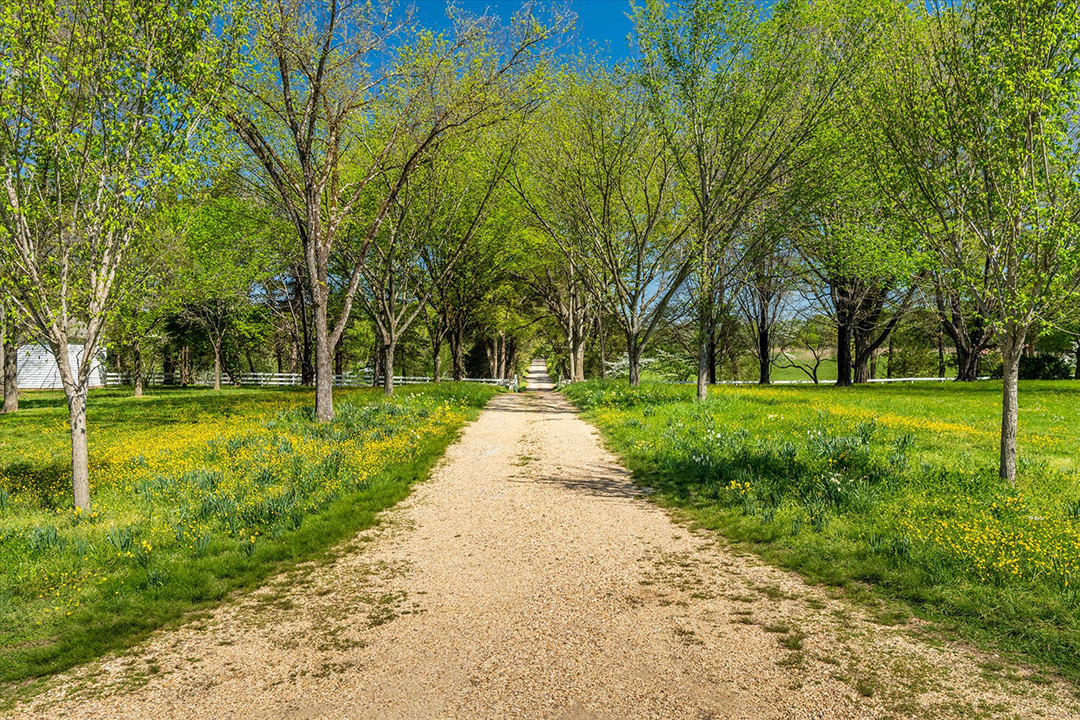
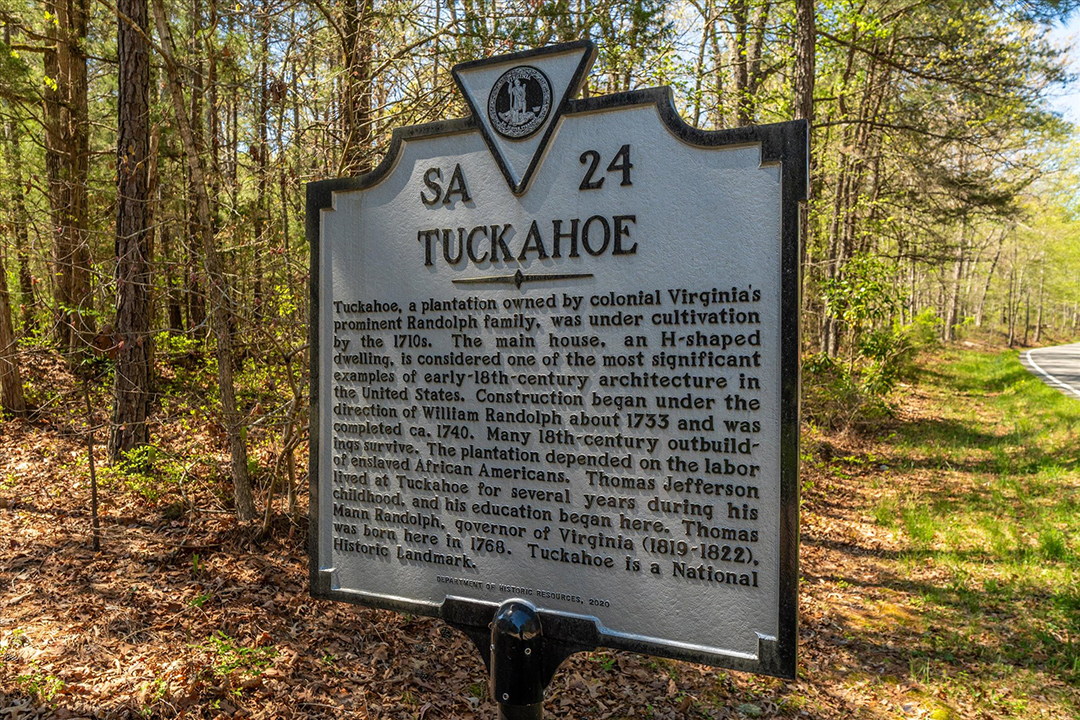
Thomas Jefferson spent part of his childhood at Tuckahoe. The former 18th-century plantation in Richmond, Virginia is a National Historic Landmark and has been in one family’s hands for nearly a century: The Thompsons. It just listed for $17 million, and to see it on the market is a once-in-a-generation moment. If it sells for this asking price, the property will also break area records.
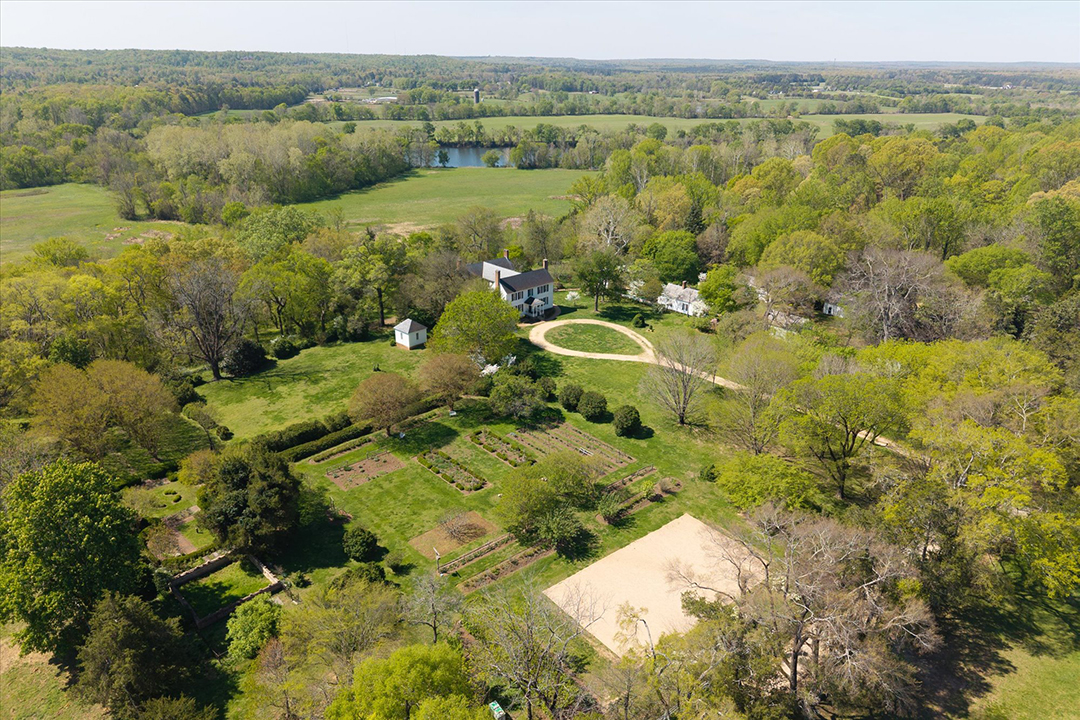
The family have treated their long stewardship of Tuckahoe less as ownership and more as a responsibility. That responsibility extends to the parts of Tuckahoe’s history that are harder to look at. The estate still holds the original slave quarters, including the old kitchen, smokehouse, storehouse, barn, and overseer’s office, structures the family has chosen to preserve rather than hide or erase. In fact, their diligent care of the complicated property makes it one of the most complete examples of an early 18th-century plantation surviving today.
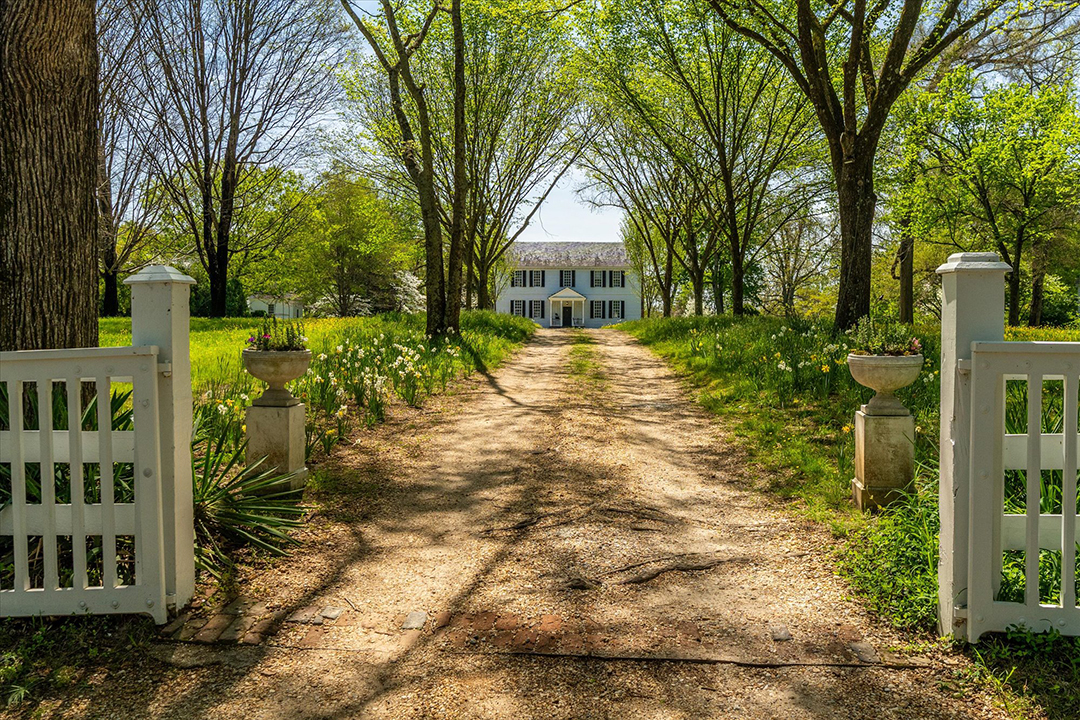
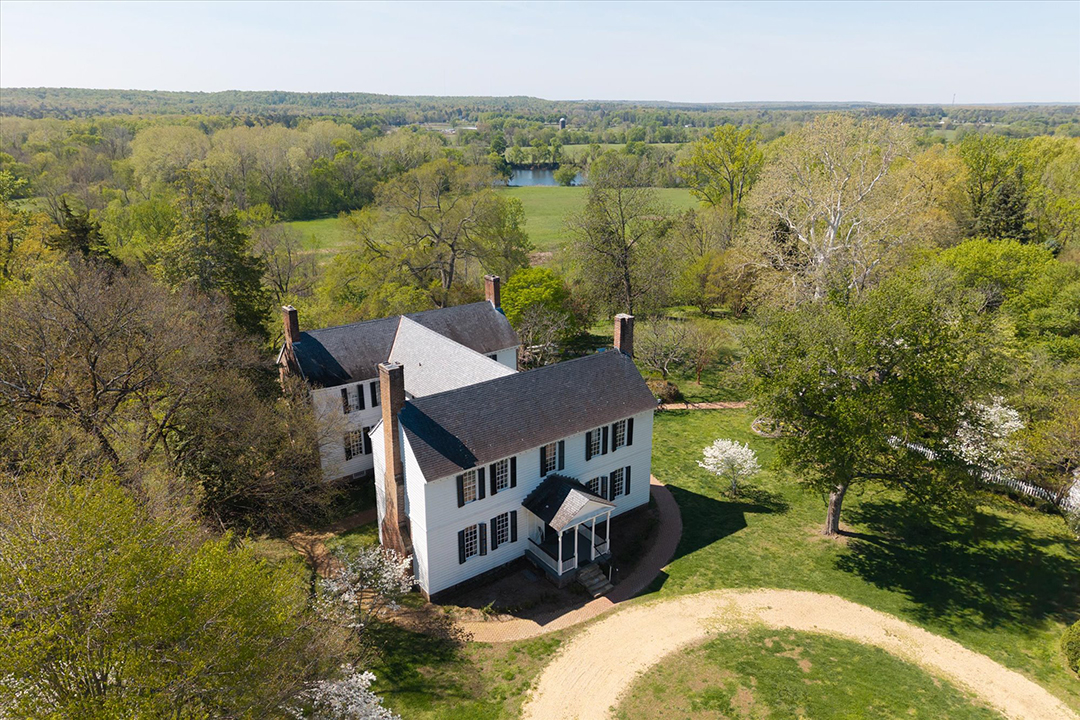
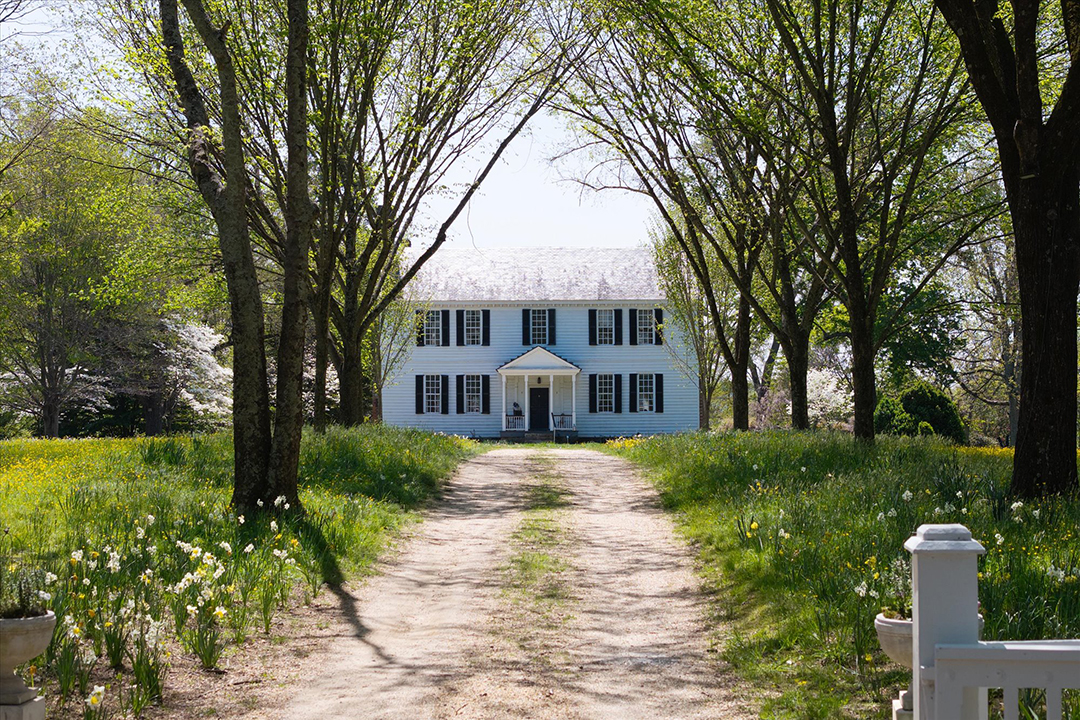
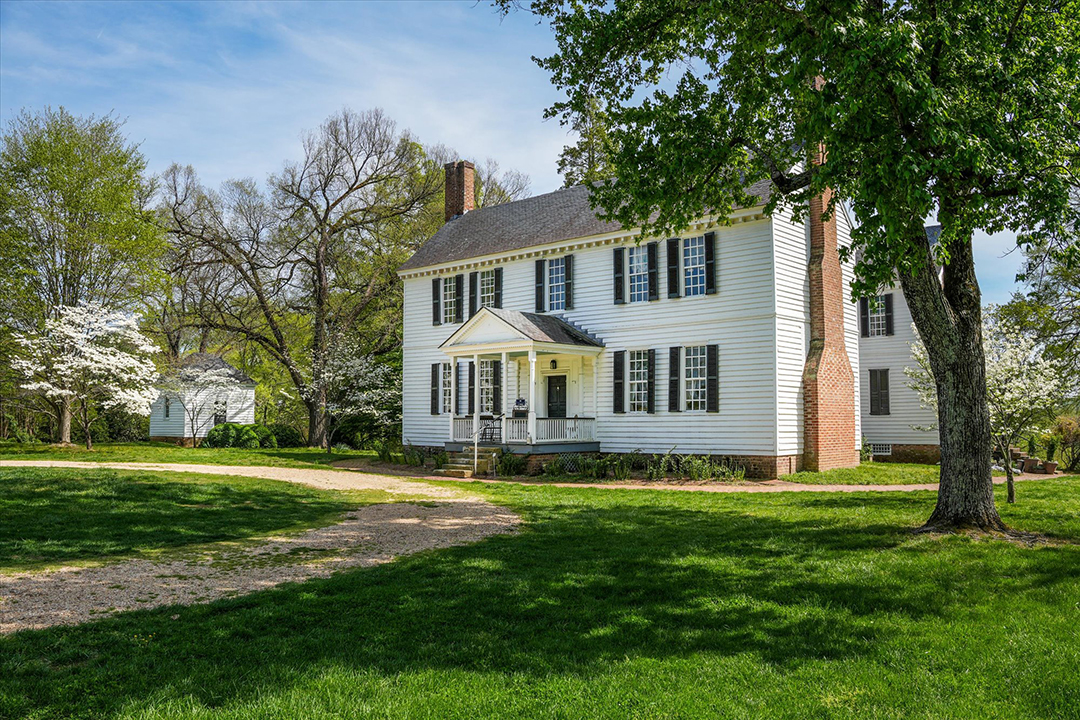
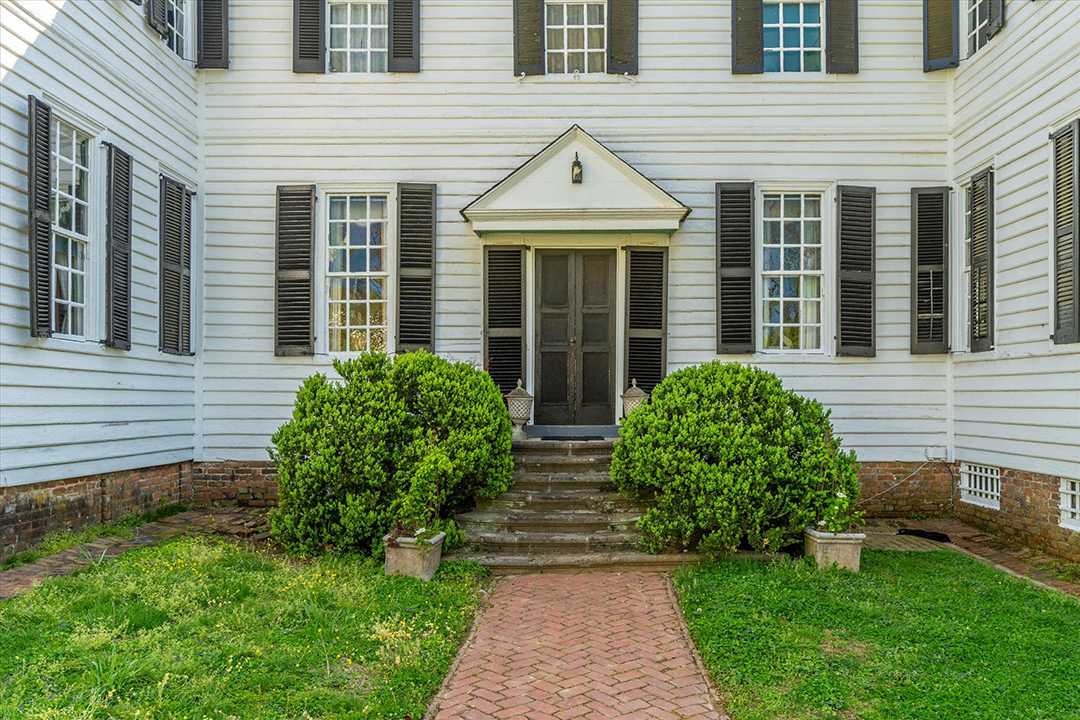
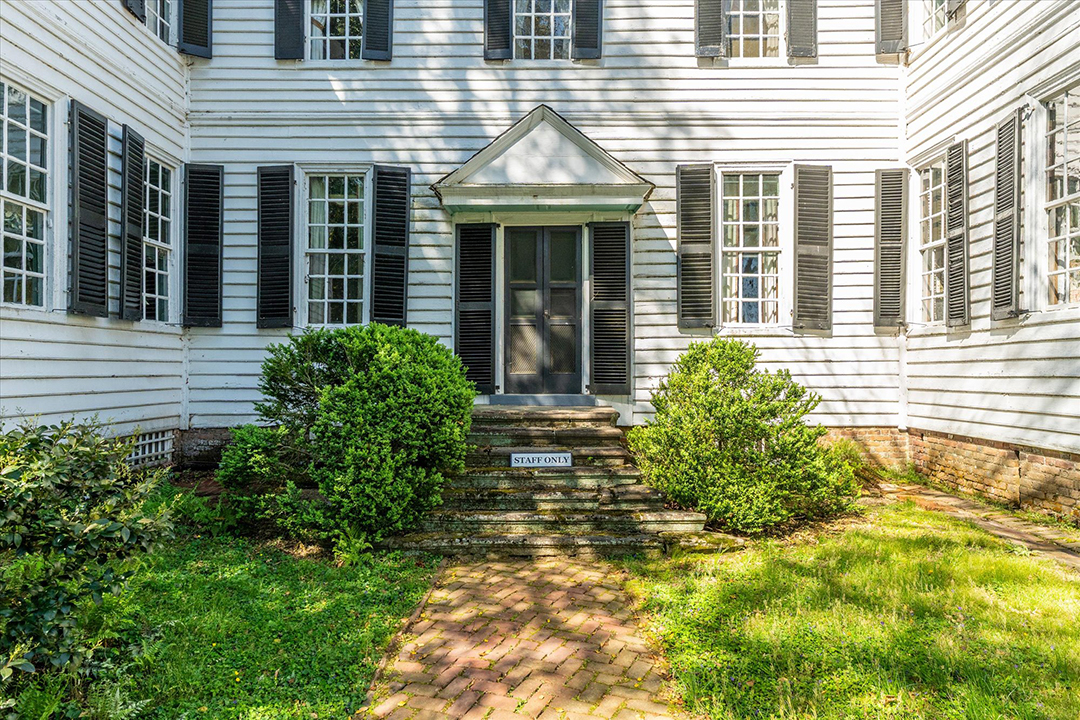
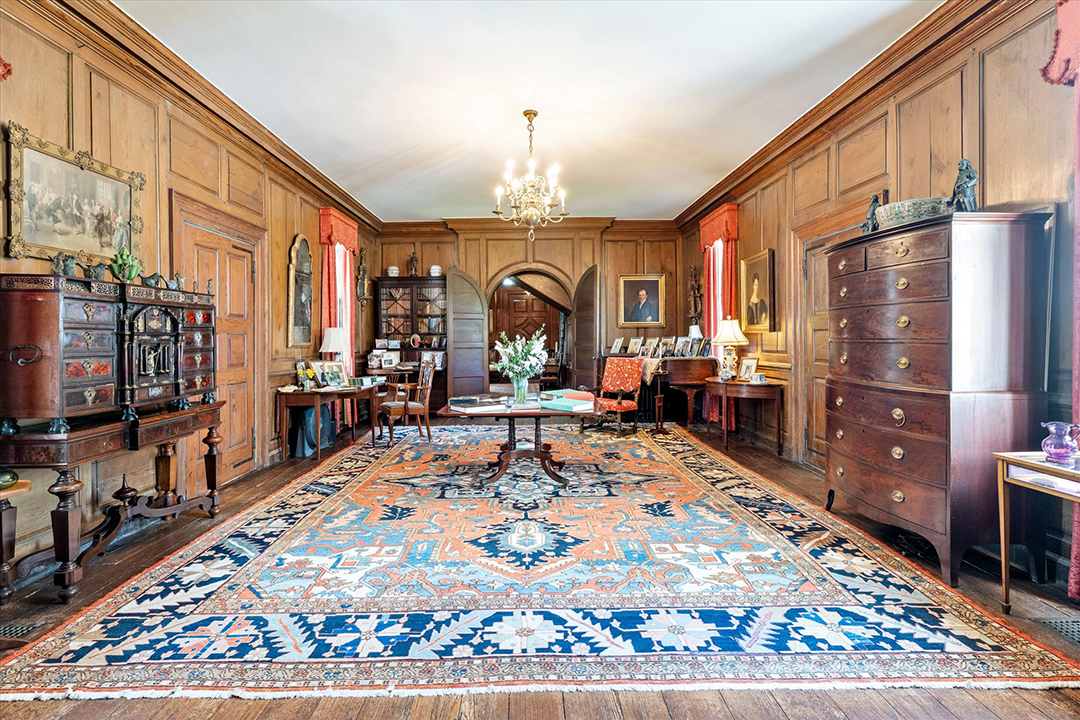
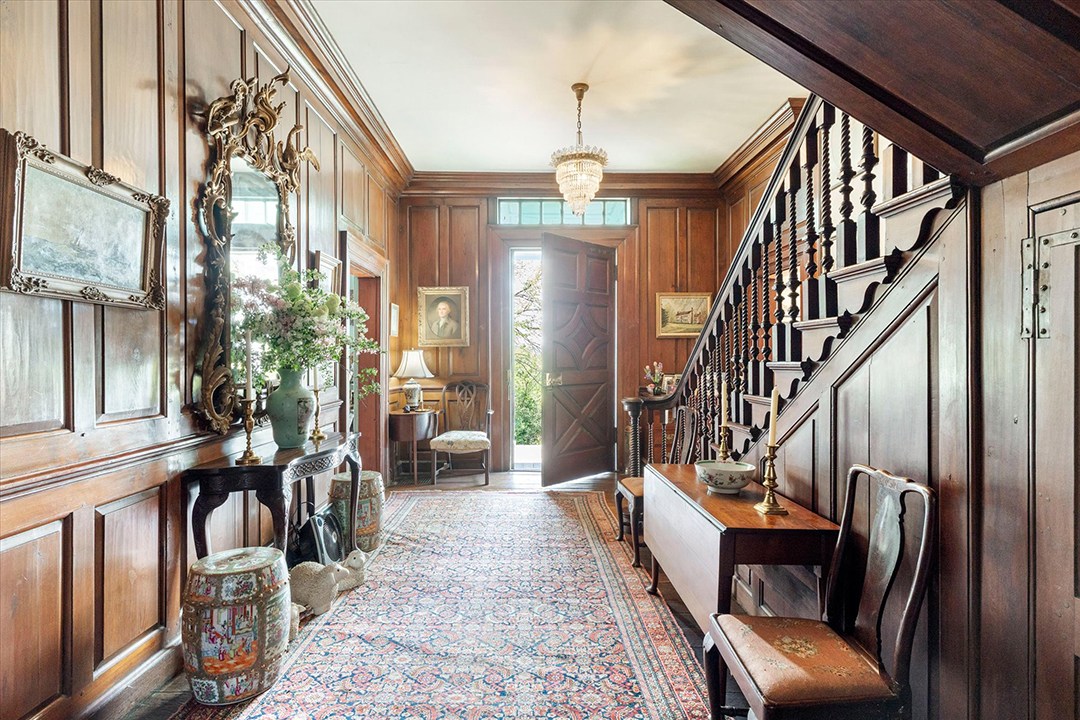
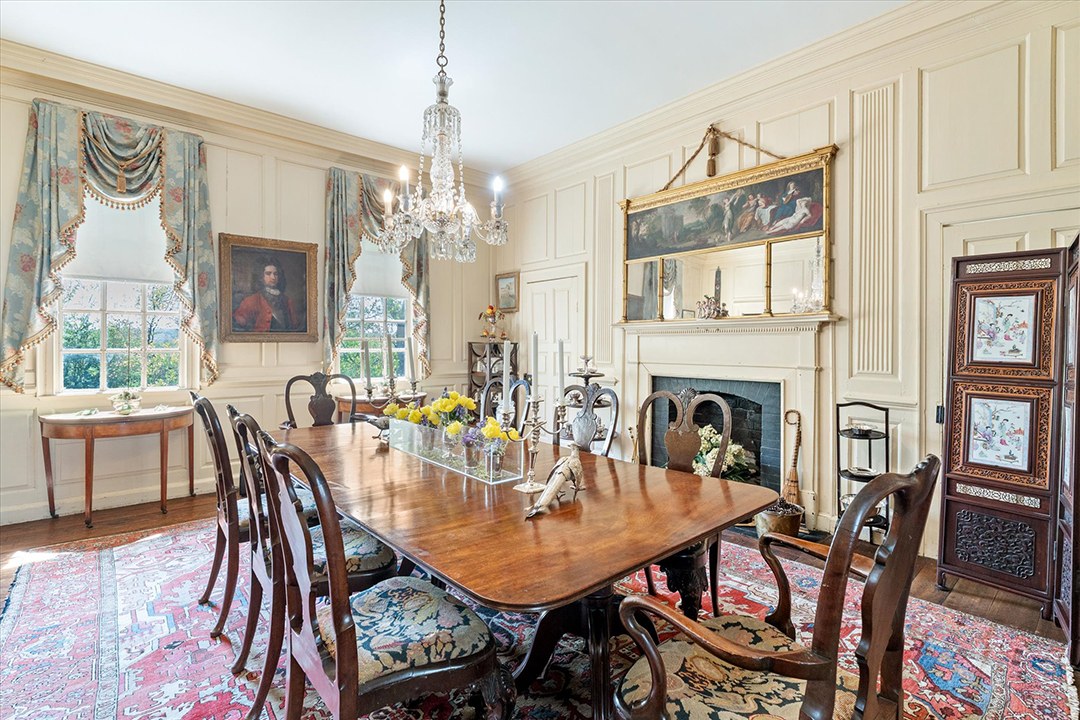
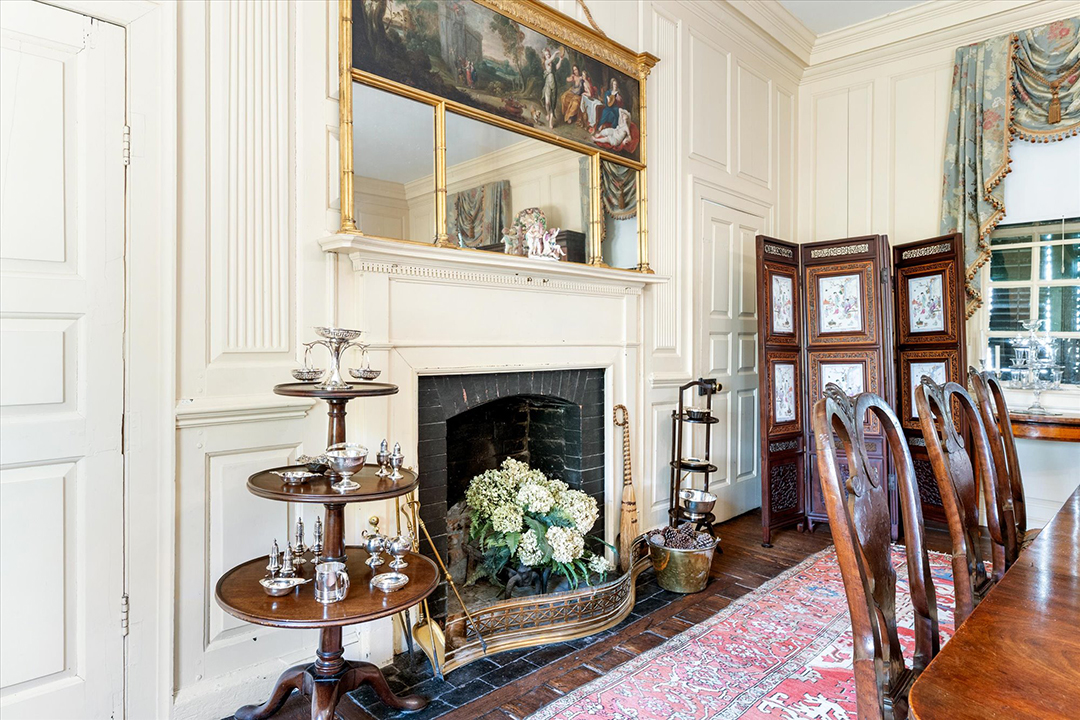
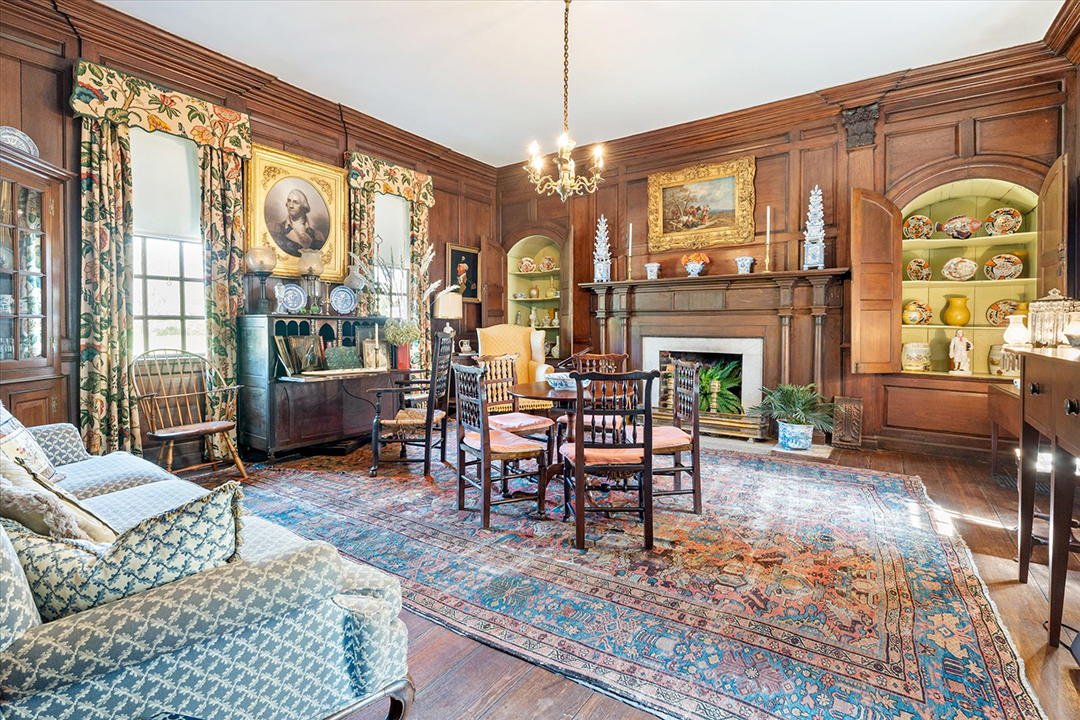
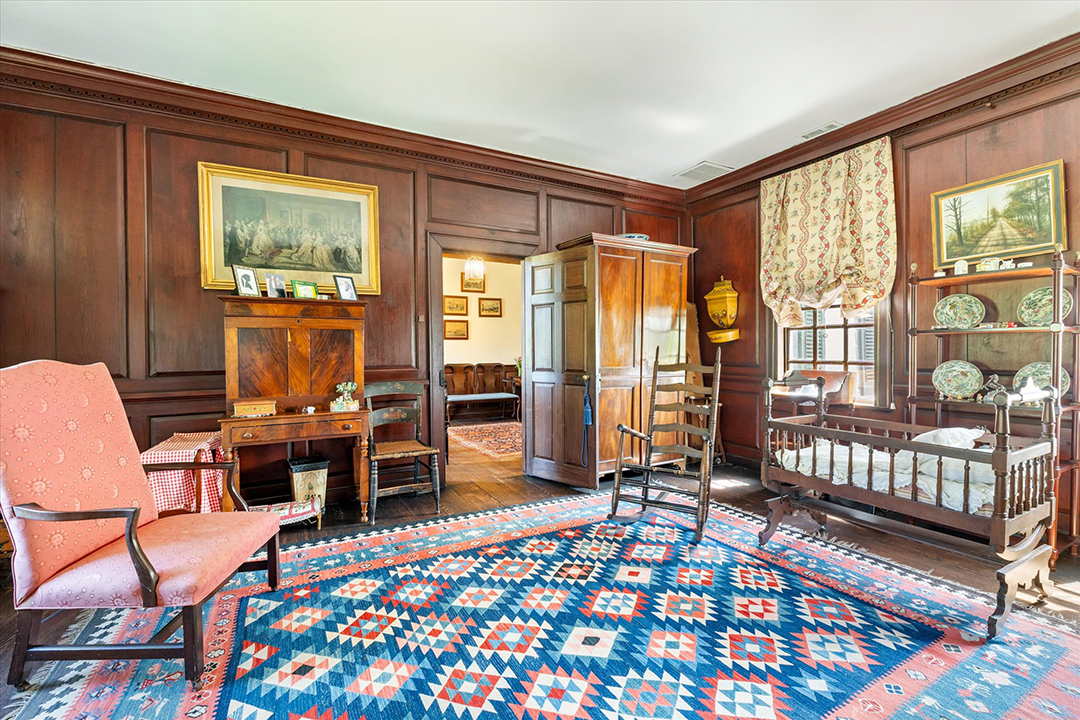
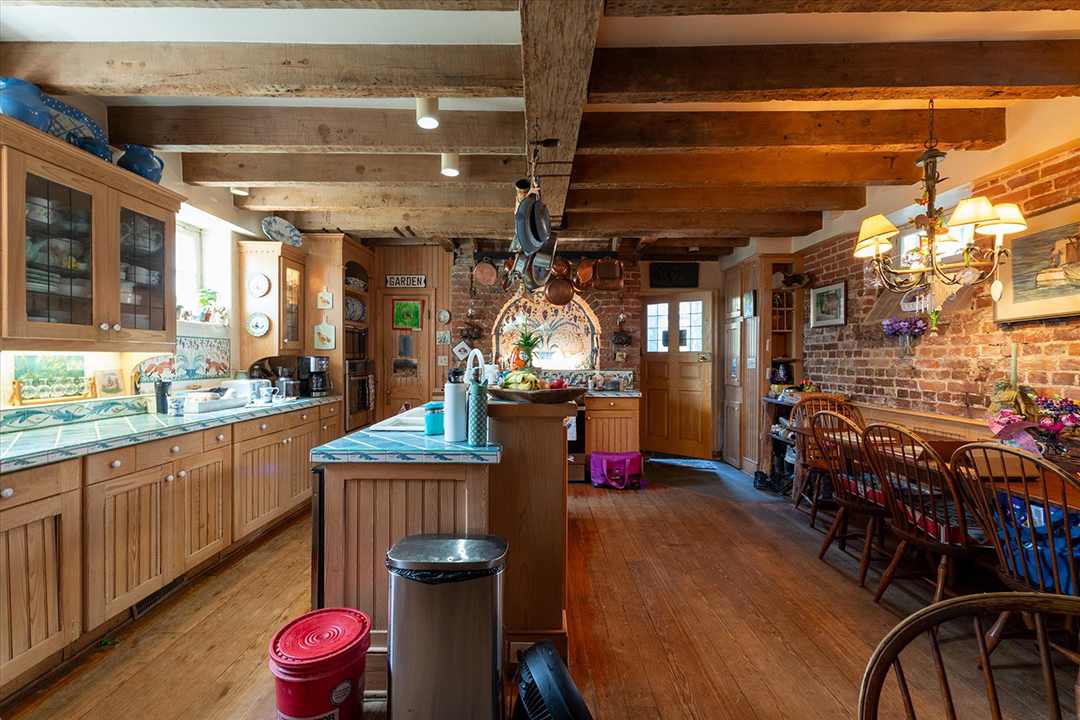
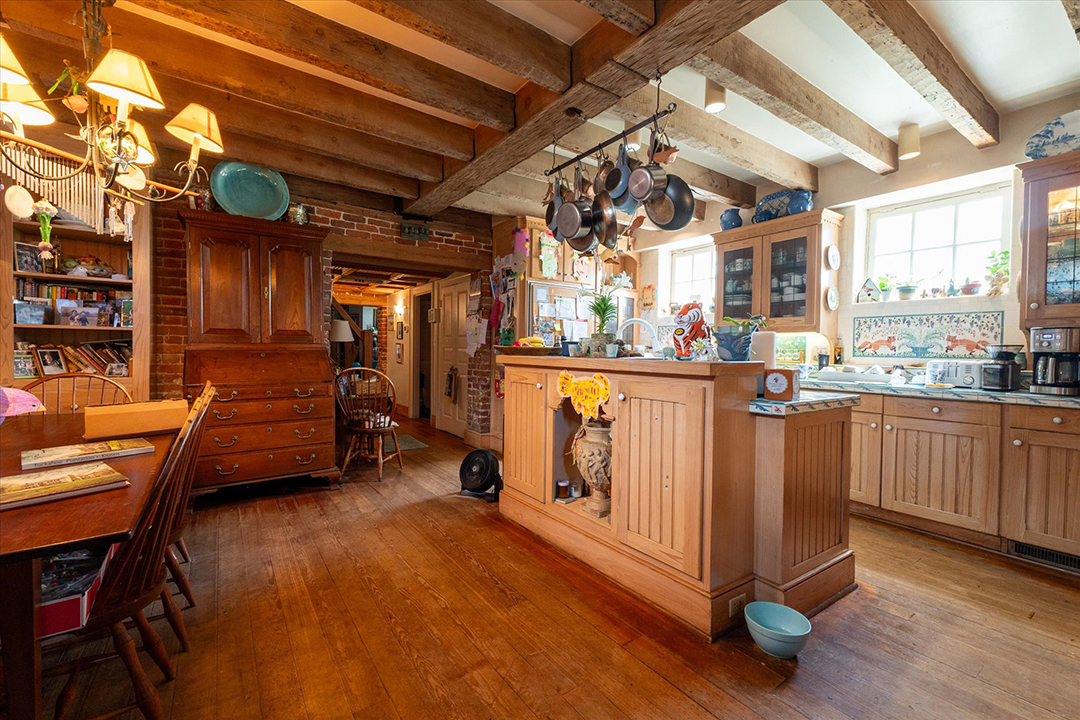
The main home’s colonial architecture is, by most accounts, remarkably intact as well, according to the estate’s website. With period windows, detailed entrances, and extensive early woodwork headlined by the breathtaking, fully paneled black walnut salon, its bones are purely 18th-century. According to the National Park Service, it was built in two distinct phases, a north wing raised in 1712 for Thomas Randolph and a south wing added by William Randolph II in 1733 to create a unique, H-shaped layout.
William Randolph and his wife started their family at Tuckahoe in the 1730s, only for both to die within a few years of each other, leaving three young children orphaned by 1745. Randolph named his close friend Peter Jefferson, the father of Thomas Jefferson, as guardian, with one specific request: That they uproot and move to Tuckahoe themselves to raise the children there. So, they did. Two-year-old Thomas came along and stayed for seven years of his childhood, from 1745 to 1752, until Thomas Mann Randolph came of age and inherited the home as planned.
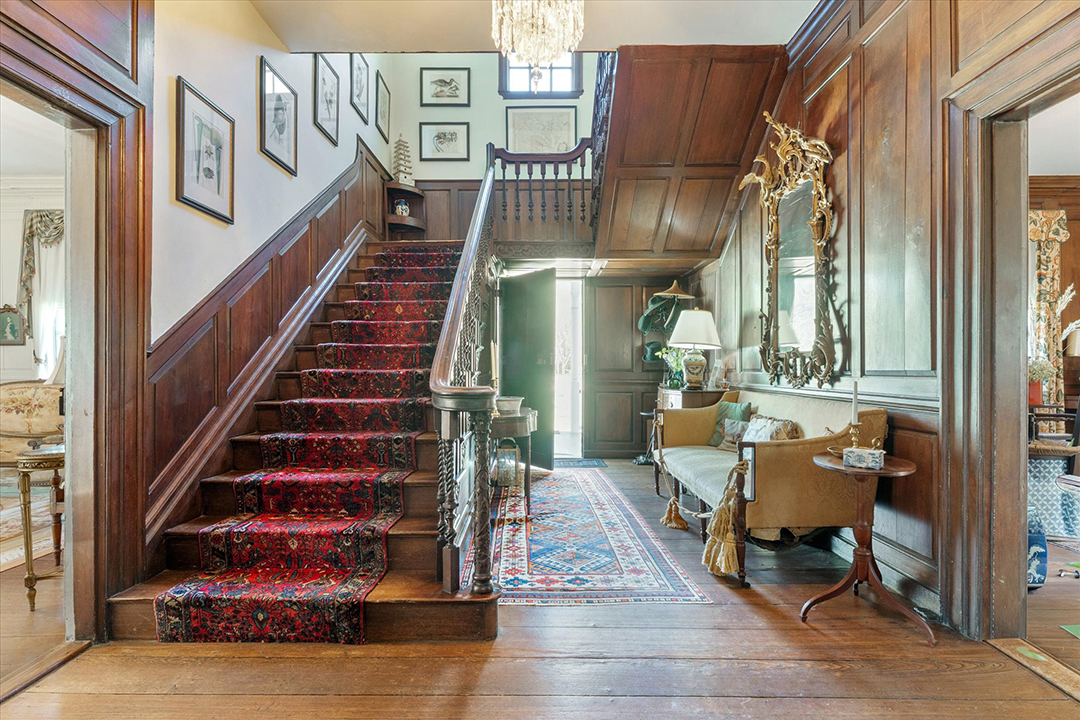
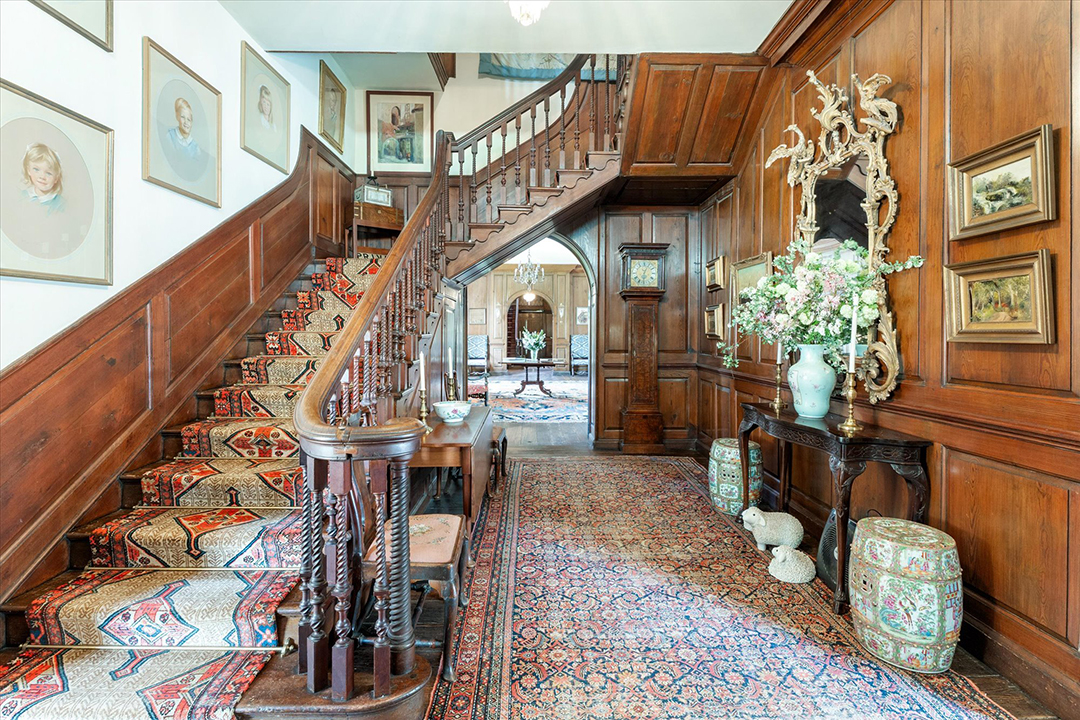
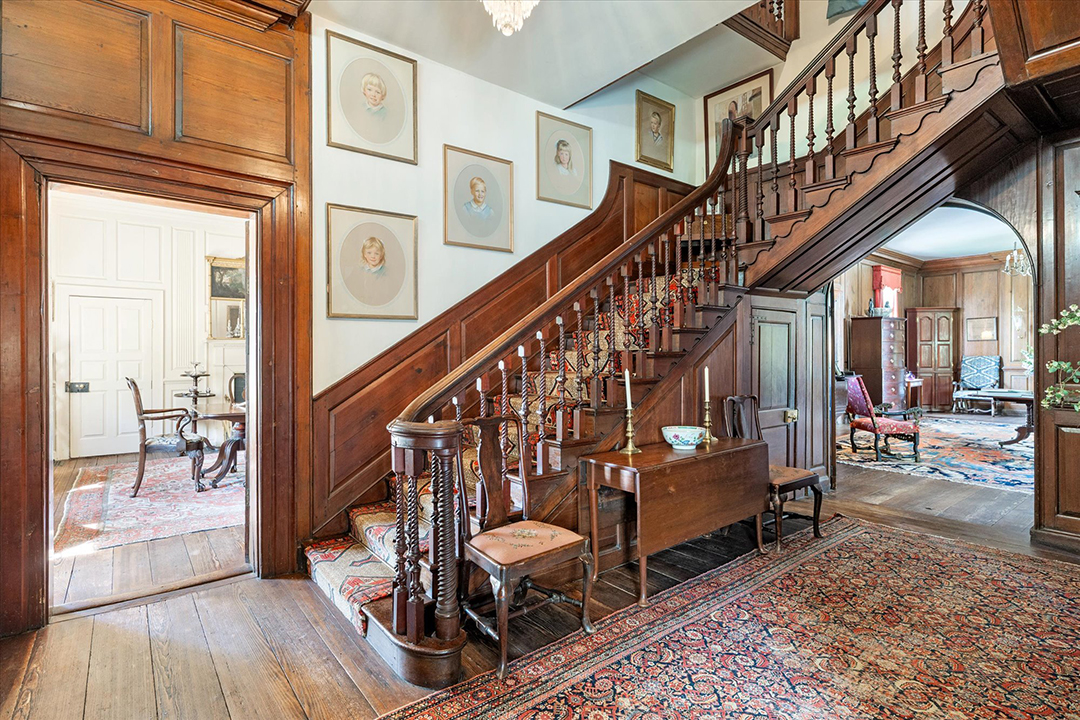
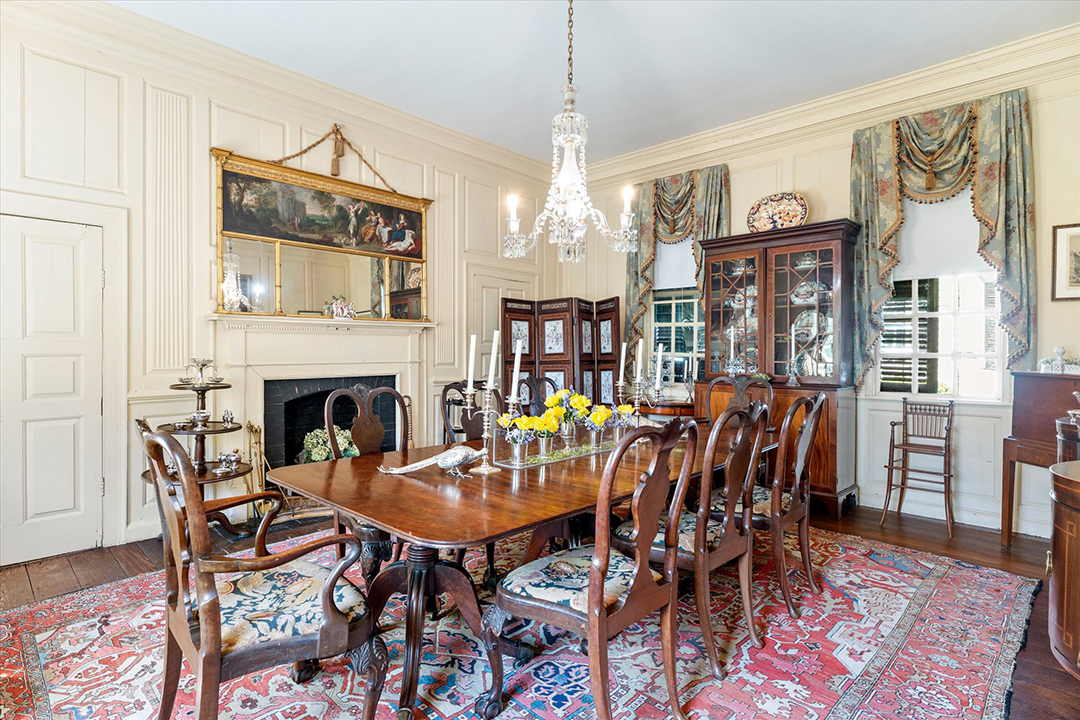
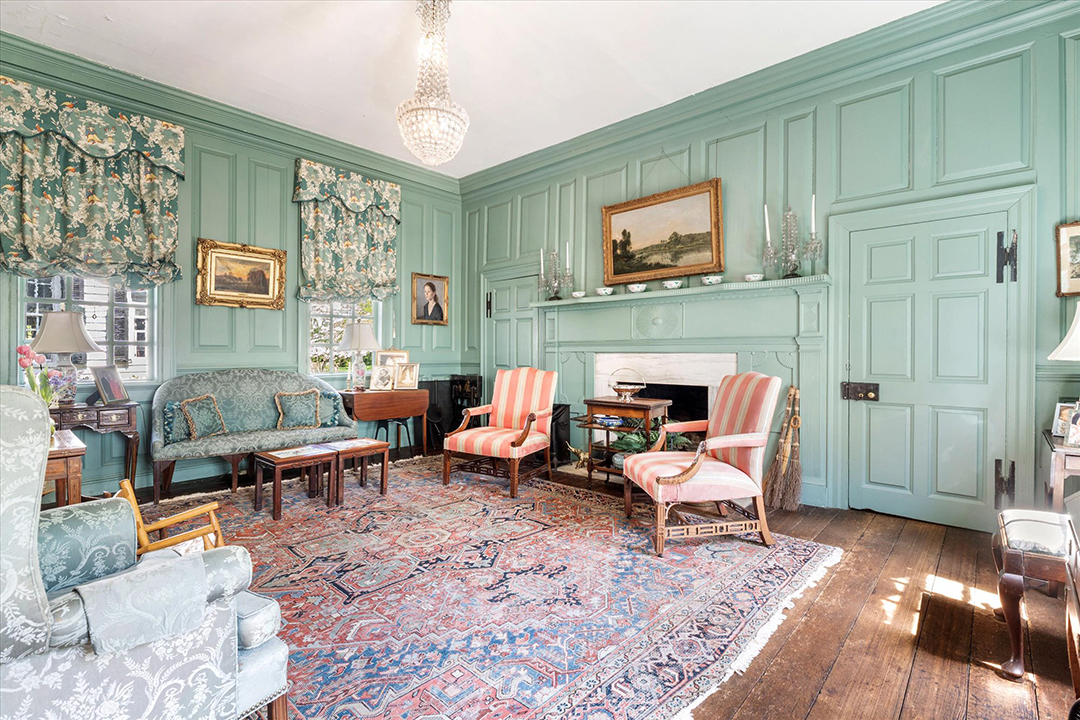
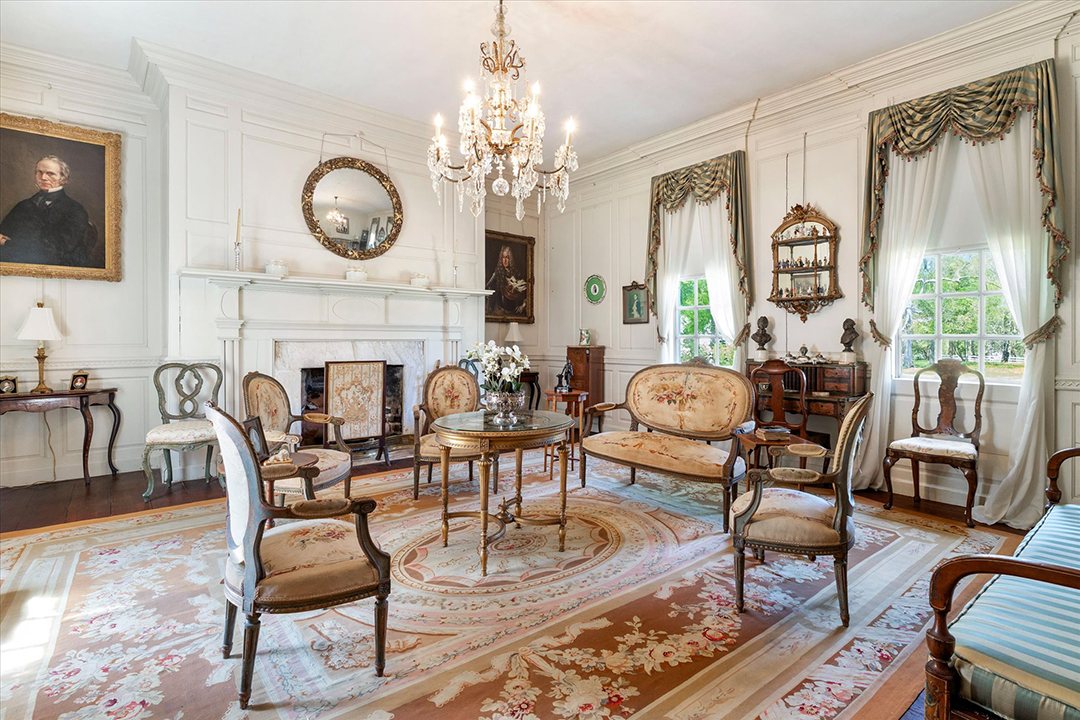
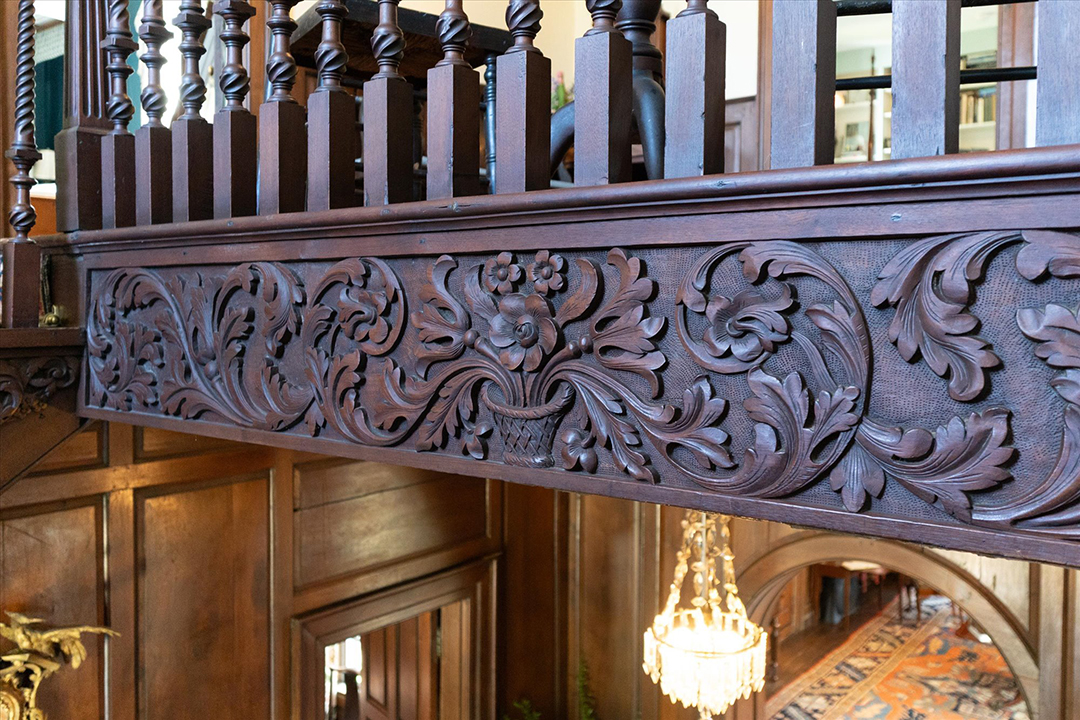
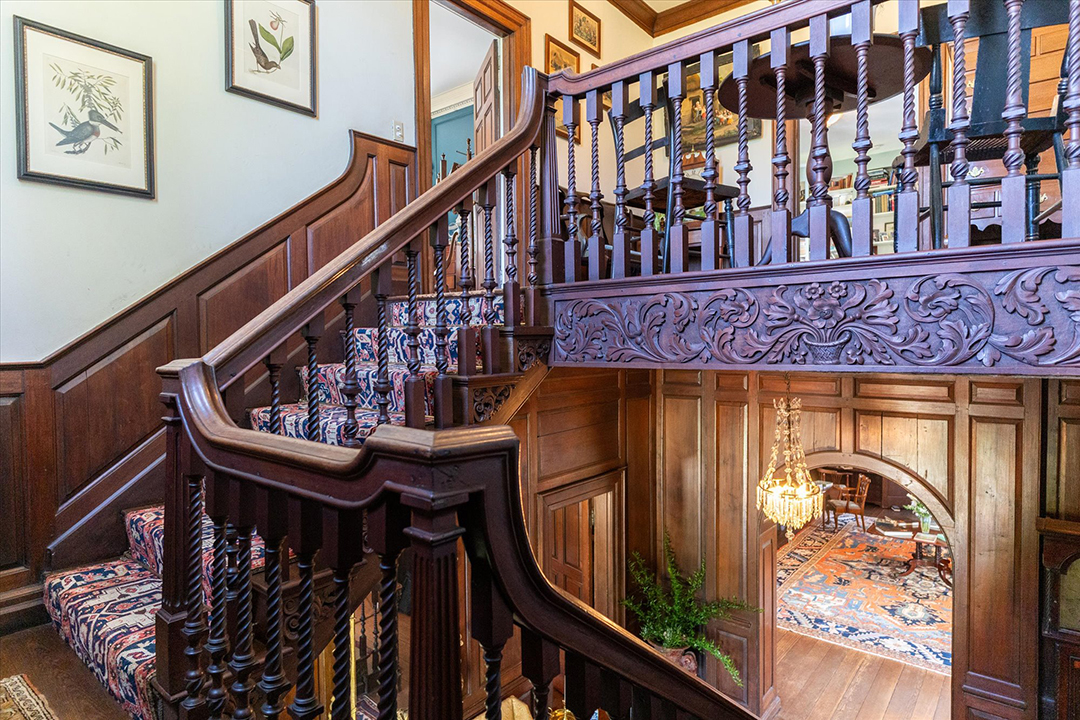
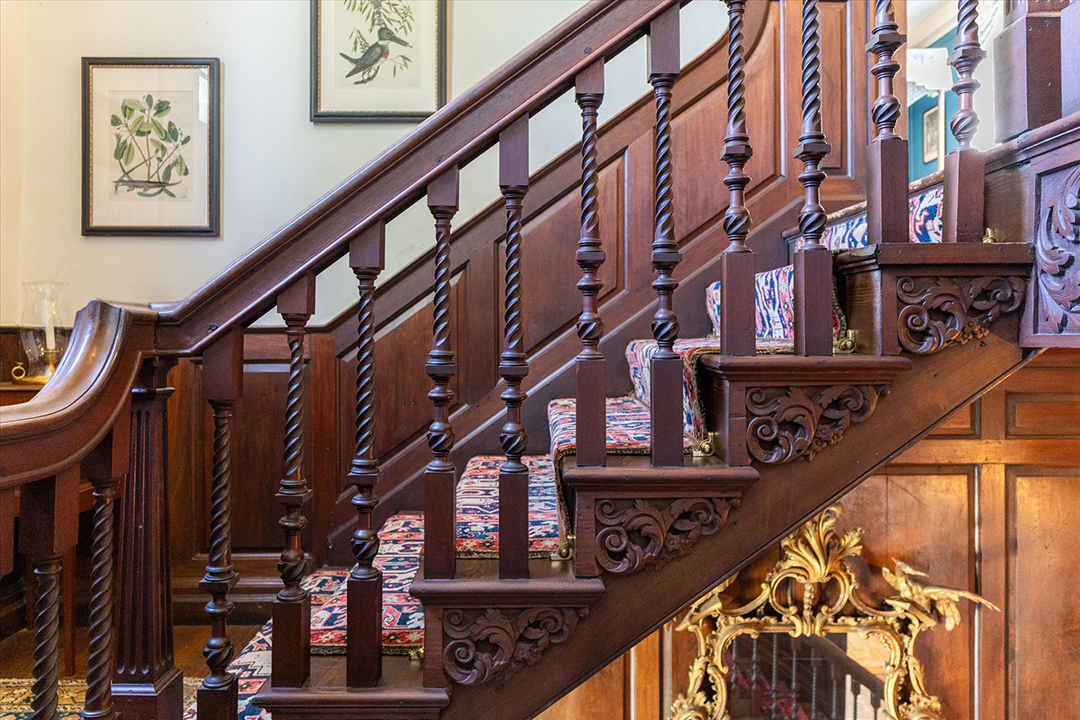
The main manor’s two-story timber frame wrapped in weatherboard with tall, narrow chimneys exaggerate the house vertically. Inside, the staircase carved after 1734 is a grand showpiece in the portico entrance, a run of rococo vines and leaves that ranks among the finest woodwork of the era. Ornate, traditional living rooms also abound.
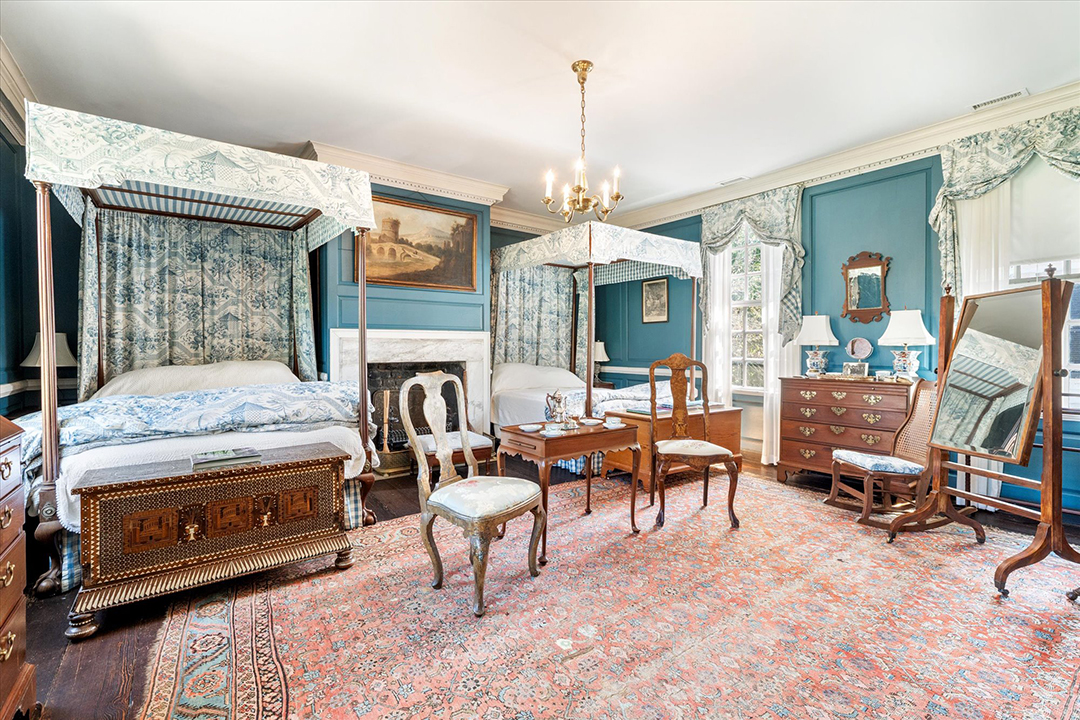
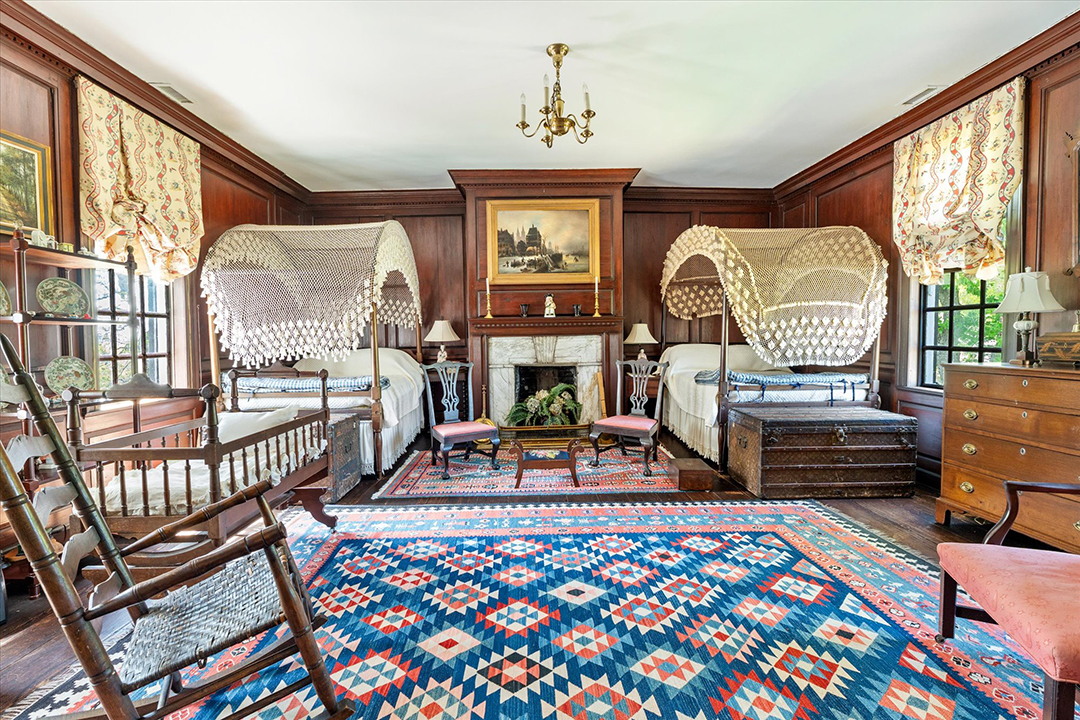
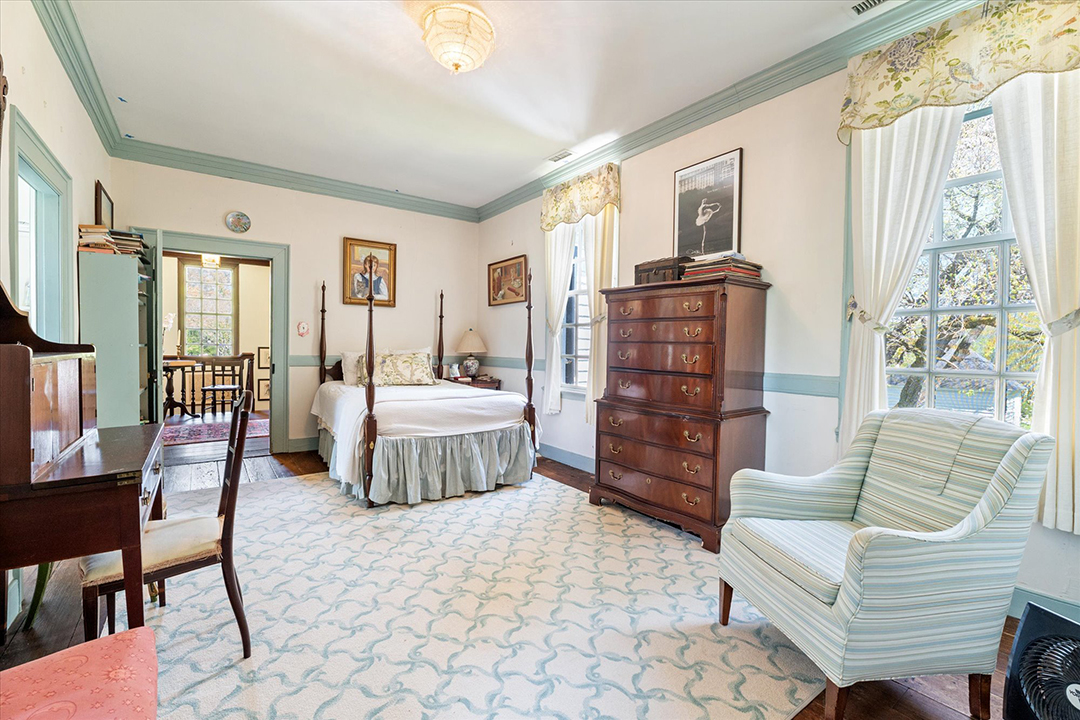
There are five bedrooms and six bathrooms across 6,500 square feet of living space, each looking like a picture from the 1700s. The original one-room schoolhouse constructed by Peter Jefferson for the education of the children also still remains nearby.
In total, the estate spans 557 acres, land that the Randolphs worked primarily for tobacco. As the property’s own historians put it, Tuckahoe “relied on enslaved African-Americans and indentured servants for labor.” Tuckahoe’s caretakers are actively piecing together stories of the people who lived and worked there, combing tax records, estate sales, and old newspaper ads. The home remains a private residence, although it has been available for private tours, venue rentals, and, most recently, as a film location for the Revolutionary War series “Turn.” With its unrivaled preservation, one could easily imagine it continuing to appear in period films or shows in the future.
“After 100 years in the same family, the decision to sell was not made lightly, and the property represents a rare opportunity to preserve both history and architecture,” listing agent Murdoch Matheson of Sotheby’s International Realty told Mansion Global.
