


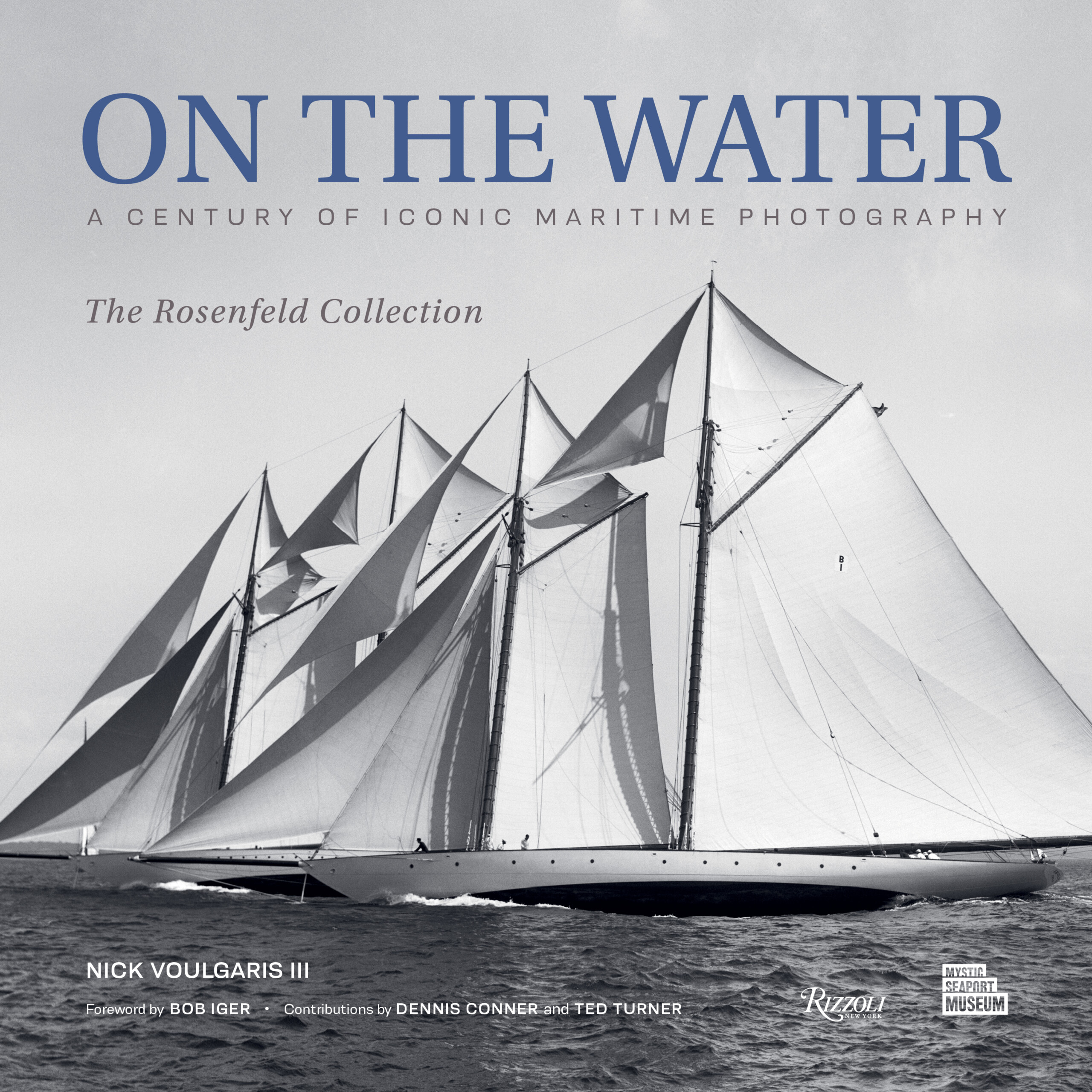
In the early 20th century, the interest in sailing and racing was at its peak in the United States. Morris Rosenfeld made his home in City Island, just a short distance from Manhattan and Long Island Sound. His waterfront house was well situated to hop aboard his camera boat Foto and zoom over to photograph nearby regattas. Much of his work was done in an area of the sound that stretches from Larchmont to Oyster Bay, New York. But he and his sons also traveled farther distances aboard their boat to cover races in areas like Newport, Rhode Island, and Marblehead, Massachusetts.
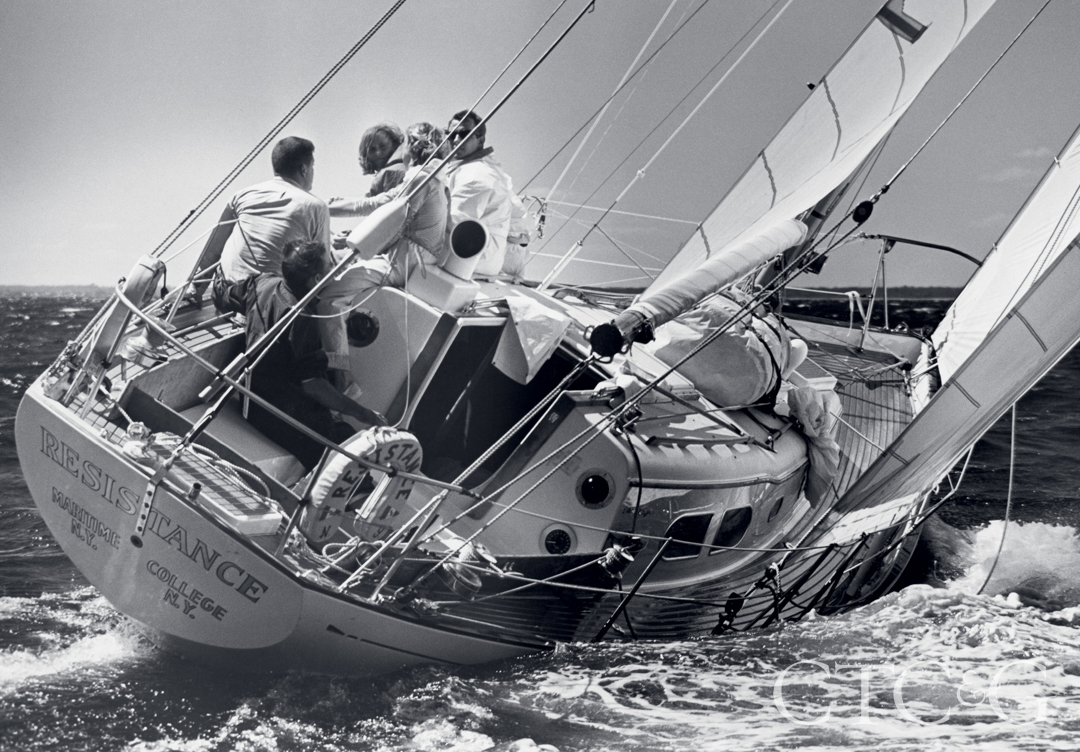
Numerous sailing and yacht clubs along Long Island Sound and New England waters sponsored races throughout the spring, summer, and fall. Competitive skippers would push their boats and crew to their limits to conquer their rivals. The Rosenfelds were there to capture the spirit of racing and seamanship, along with the glory of winning and the frustration of defeat. Their photographs depicted elegant sailboats and their large white sails as they raced toward their next mark. In heavy weather, the Rosenfelds captured the reality of Mother Nature’s force with broken masts, torn sails, and capsized boats.

The Rosenfelds built a career around photographing these sailboat races and made a name for themselves as the most prominent marine photographers of the time. Boat owners and skippers would clamor to have a photograph of their boat taken by them, particularly when competing on the racecourse. Often sailing races would not begin until the Rosenfelds arrived on their boat to memorialize the regatta. Rosenfeld’s son Stanley once commented that it was not uncommon to hear someone on the race committee boat say, “Well, Rosy’s here—we can start now.”

Rosenfeld and his sons photographed many regattas that featured class-specific boats, which were also known as one-design boats. This meant that all the boats racing were built to the same specifications and identical to one another. This eliminated virtually any differences among the boats, and skippers and crew competed solely on their skills. At these regattas, Rosenfeld photographed Blue Jays, Comets, Thistles, and Penguins that were raced by children who had learned to sail at a young age. Adults raced Star boats, Shields, Internationals, and larger boats. There were other races for boats of varying sizes and designs that were rated on a handicap rule, which essentially allowed extra time for boats that were smaller or slower. One of these races was the long-running Bermuda Race from Newport, Rhode Island, to Bermuda, which first began in 1906.
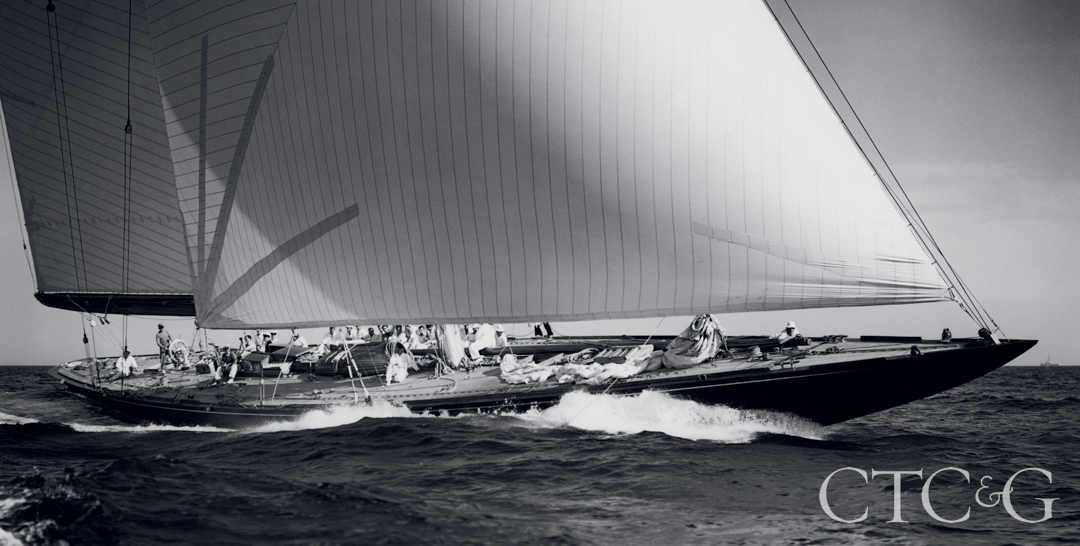
One of the best-known sailboat races in the world is the America’s Cup. The America’s Cup, which harks back to the late 19th century, played an important role in Rosenfeld’s career. Rosenfeld began to photograph the imposing and elegant J Class boats in the 1930s and received countless accolades. These beautiful works of art measured more than 130 feet and included yachts such as Endeavour, Shamrock, Enterprise, Rainbow, Velsheda, and Ranger. In later years, Rosenfeld and his sons also photographed the 12-meter boats Northern Light, Courageous, Weatherly, Intrepid, Stars & Stripes, and countless others featuring notable skippers like Ted Turner and Dennis Conner.
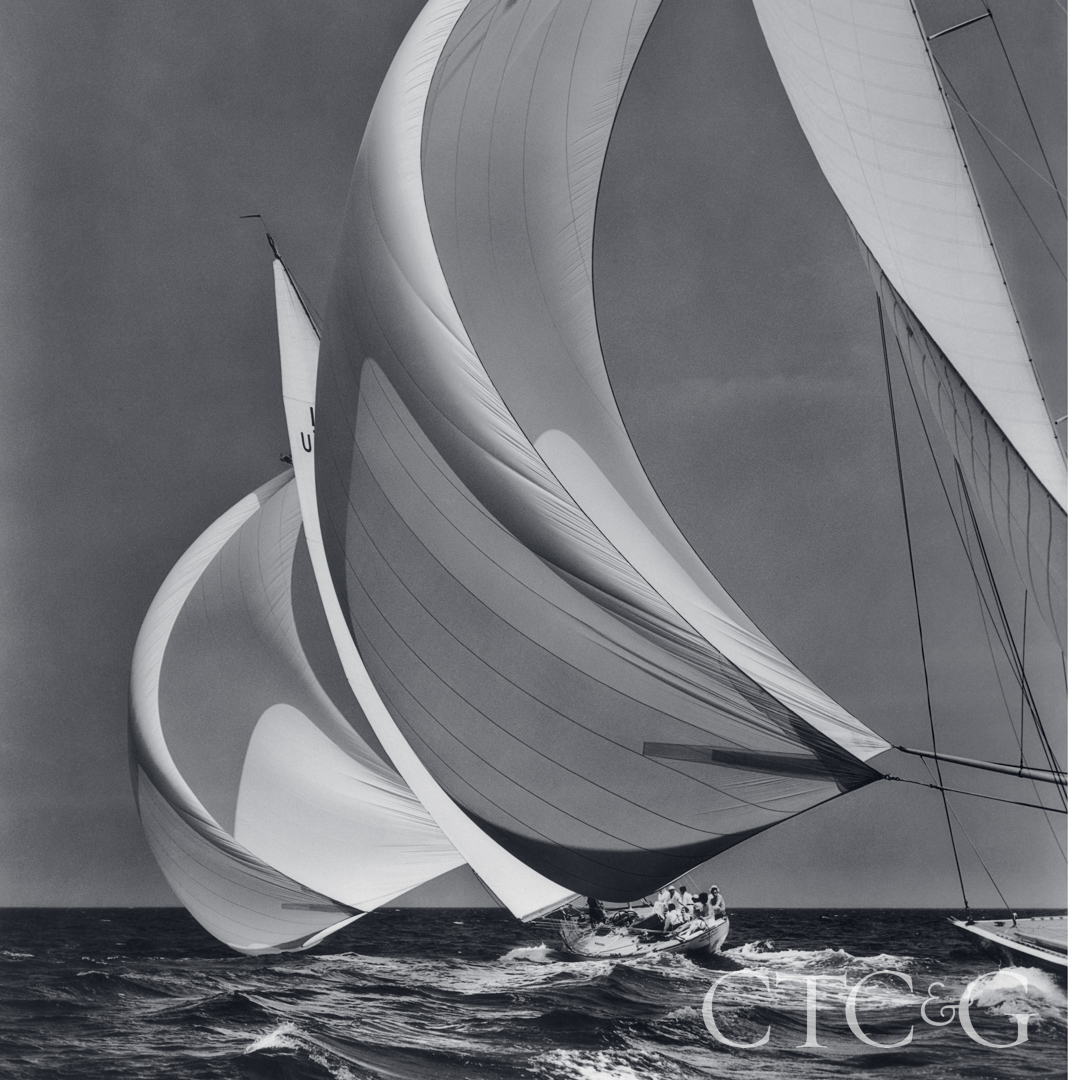
Excerpt from On the Water: A Century of Iconic Maritime Photography from the Rosenfeld Collection (Rizzoli, 2023) by Nick Voulgaris III. Photographs by © Rosenfeld Collection, Mystic Seaport Museum. Reprinted with permission.
