


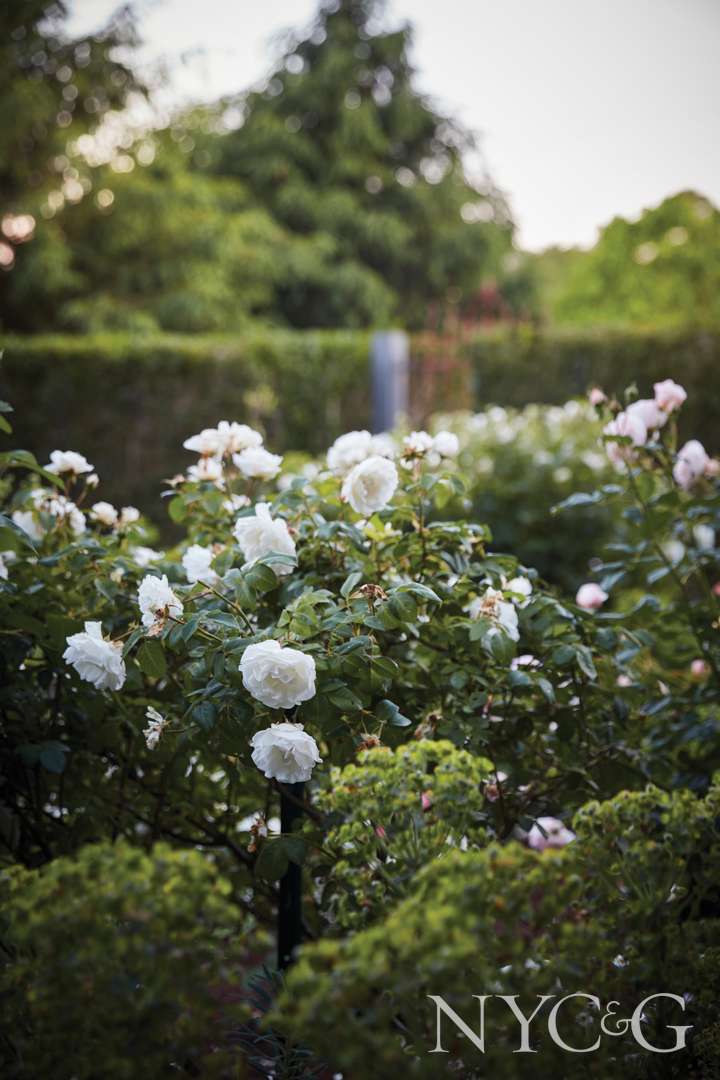
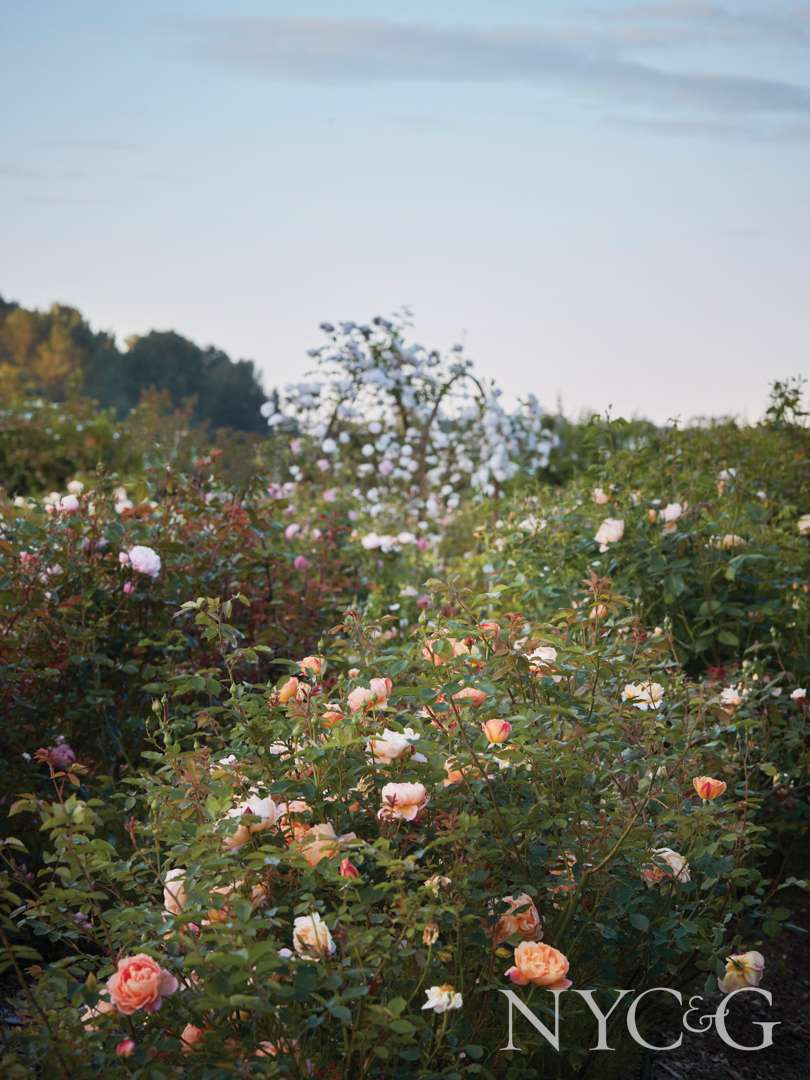
Despite having photographed hundreds of roses, I am still astonished by their beauty. No other genus, except perhaps orchids, has greater variety. A bloom might have five to eight petals, like the roses that accompanied the birth of Venus in Botticelli’s painting, or it might have up to 200 petals, the favorites of the 17th-century Dutch painters. Its petals might fold into themselves, or they might bend back as they unfold.

A rose might be delicate and open, ruffled and dainty, pointed and regal, or simply voluptuous. The colors run through the spectrum from rich yellow to crimson red to the palest pink, with some purple hues thrown in for good measure. The plants range from miniatures to ground covers to shrubs to ramblers to climbers to trees. The genus Rosa is highly capricious, with a tendency to sport (mutate) new forms and habits without human intervention. But that hasn’t stopped hybridizers from trying to come up with ever new varieties to suit our human vision of the ideal rose. It’s an inexhaustible effort. In the words of the poet Rainer Maria Rilke, a rose is a “half-opened book, with so many detailed pages of happiness that we will never read.”

At the end of a day spent photographing roses, their perfume—an ineffable combination of sweet, spicy, fruity, myrrh, and citrus scent—lingers on my hands and pervades my dreams. As the Sultan al-Mutawakkil, who reigned in 9th-century Samarra, Iraq, declared, “the rose is the king of all fragrances.”
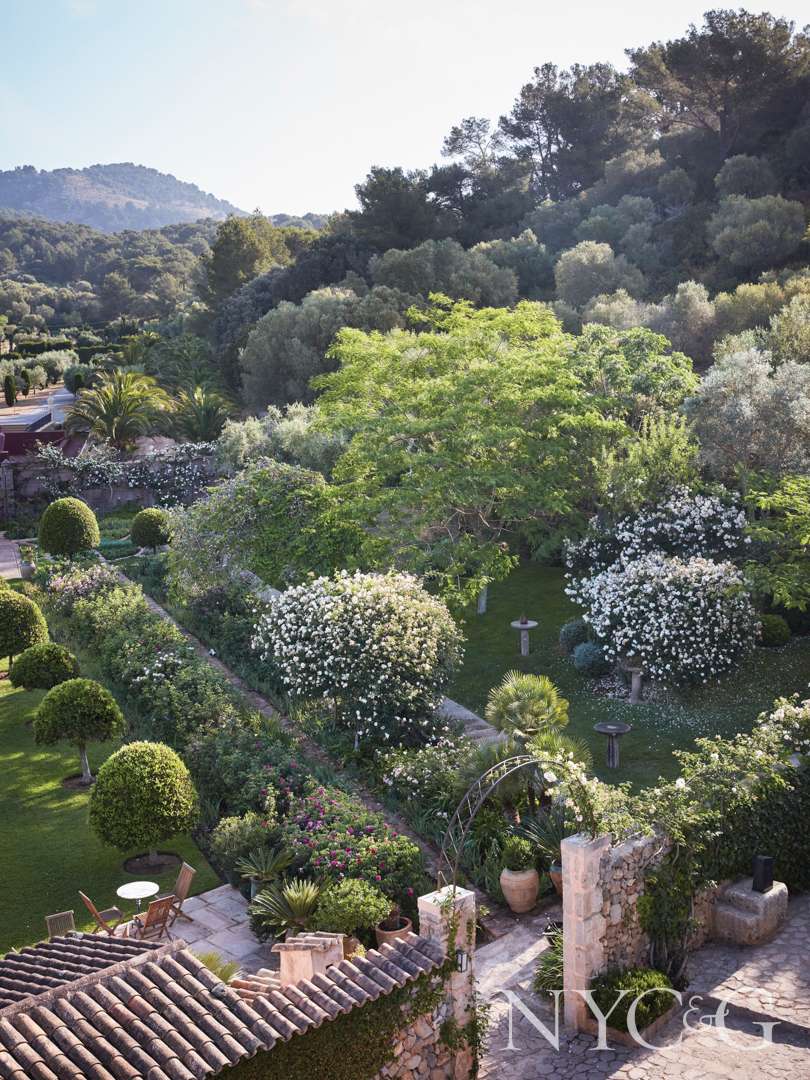
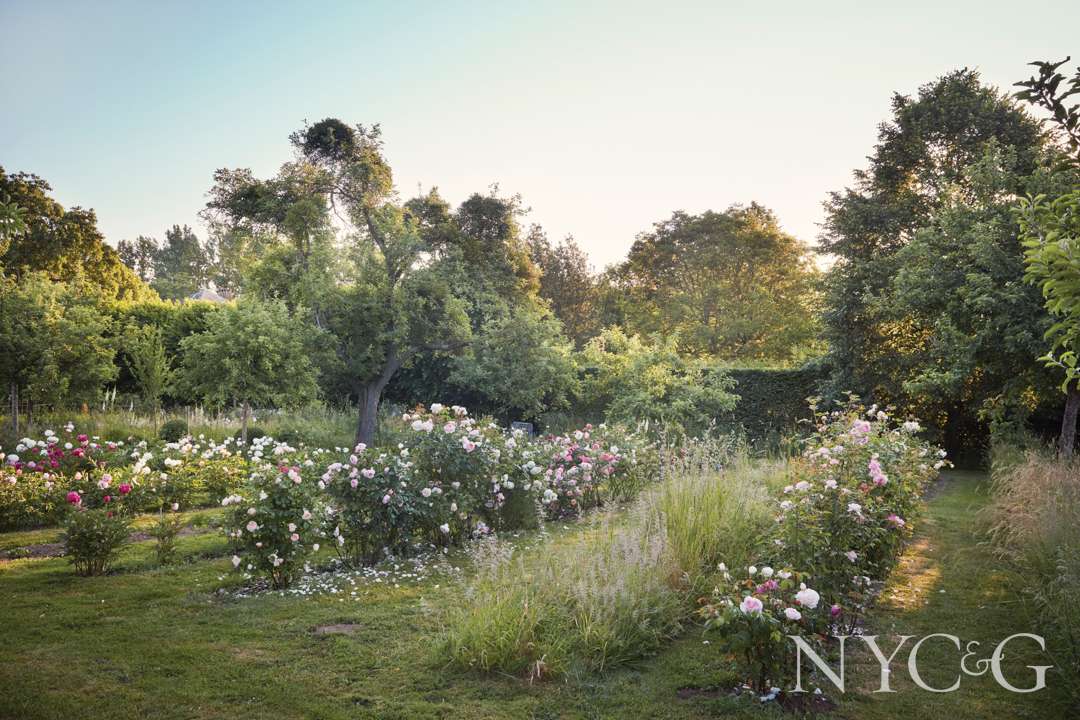
Much has been written about this ancient flower; 2,500 years ago, Confucius counted hundreds of books on the subject in the emperor’s library—but the rose continues to seduce, and I can’t resist its siren call. From Asia to America, the protean rose comes in various guises, regal in formal beds, humble in vegetable plots, carefree in meadows, riotous on walls and tree branches.

