


Arbor Day occurs during spring, but autumn is an ideal time to plant deciduous trees in your garden. These six species thrive in the Northeast and provide seasonal interest all year long.
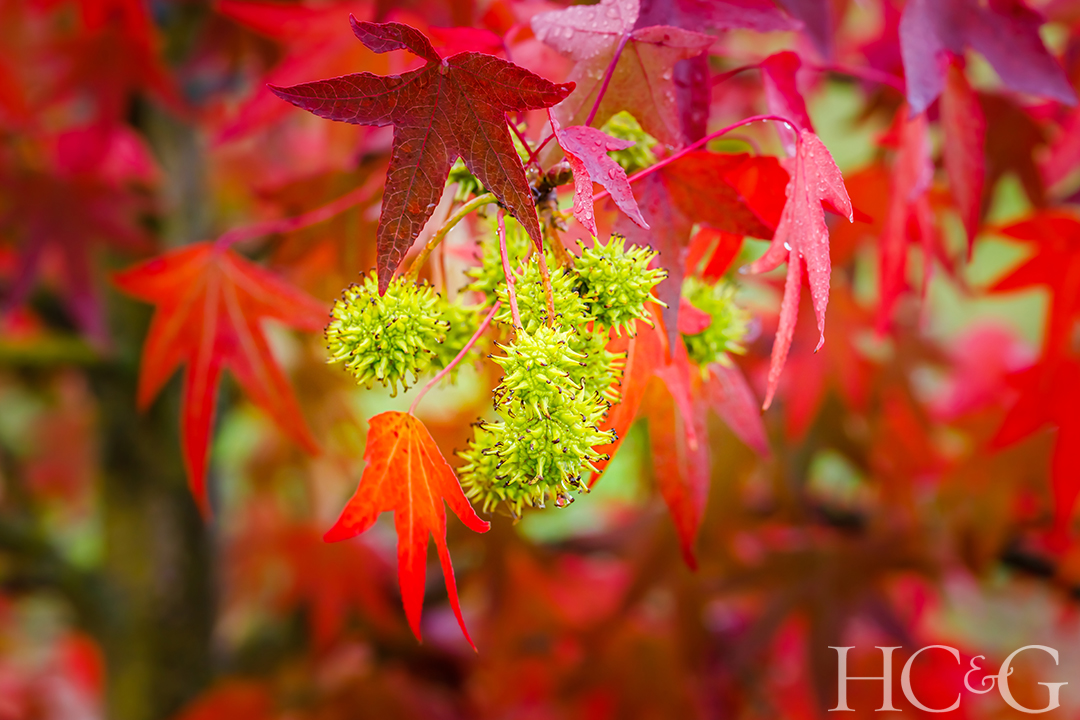
SWEETGUM
(Liquidambar styraciflua)
Zones: 5–9; height: 60 to 80 feet
A brilliant tree for fall foliage, the sweetgum’s star-shaped leaves turn red, orange, yellow, and purple, offering brilliant contrast to its spiky green seedpods. ‘Slender Silhouette’ is a striking, very narrow columnar variety.
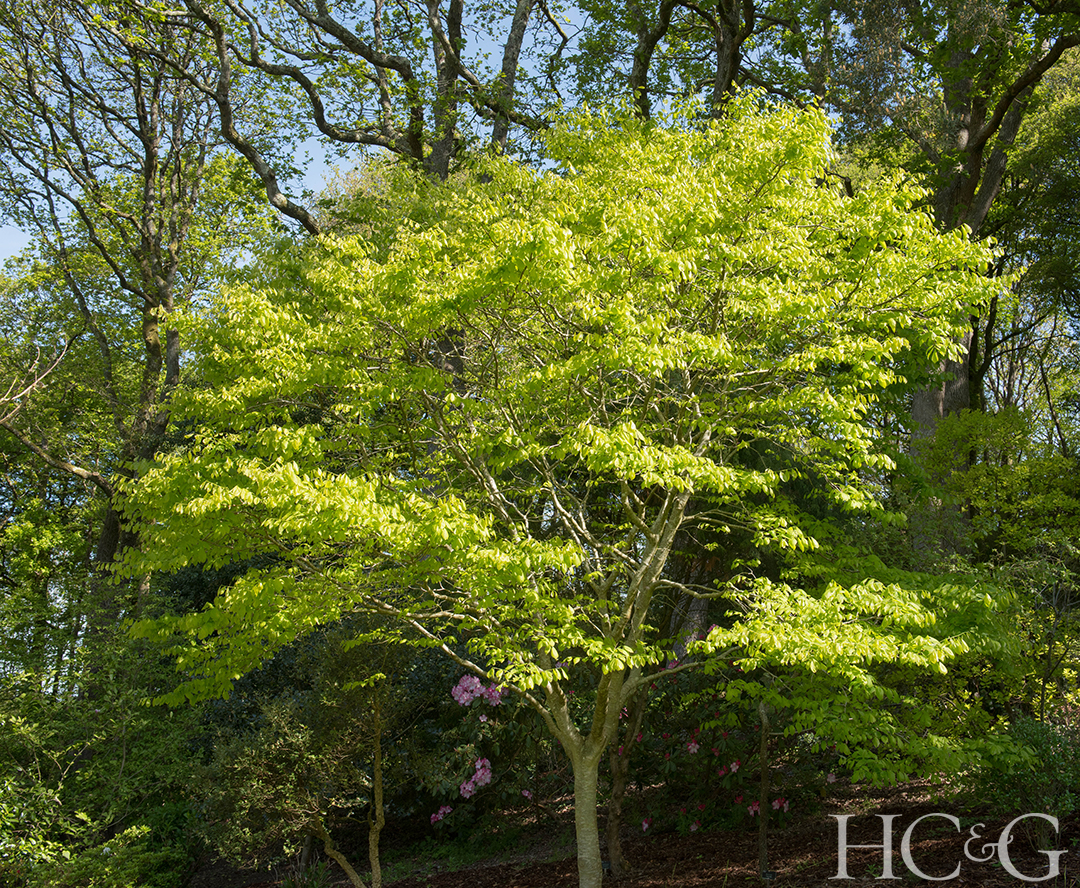
YELLOWWOOD
(Cladrastis kentukea)
Zones: 4–8; height: 30 to 50 feet
Popular in the southeastern U.S., the yellowwood is favored for its intensely fragrant, white wisteria-like blossoms, which are at their best every two or three years. The common name comes from the tree’s natural dye, which turns the heartwood yellow.
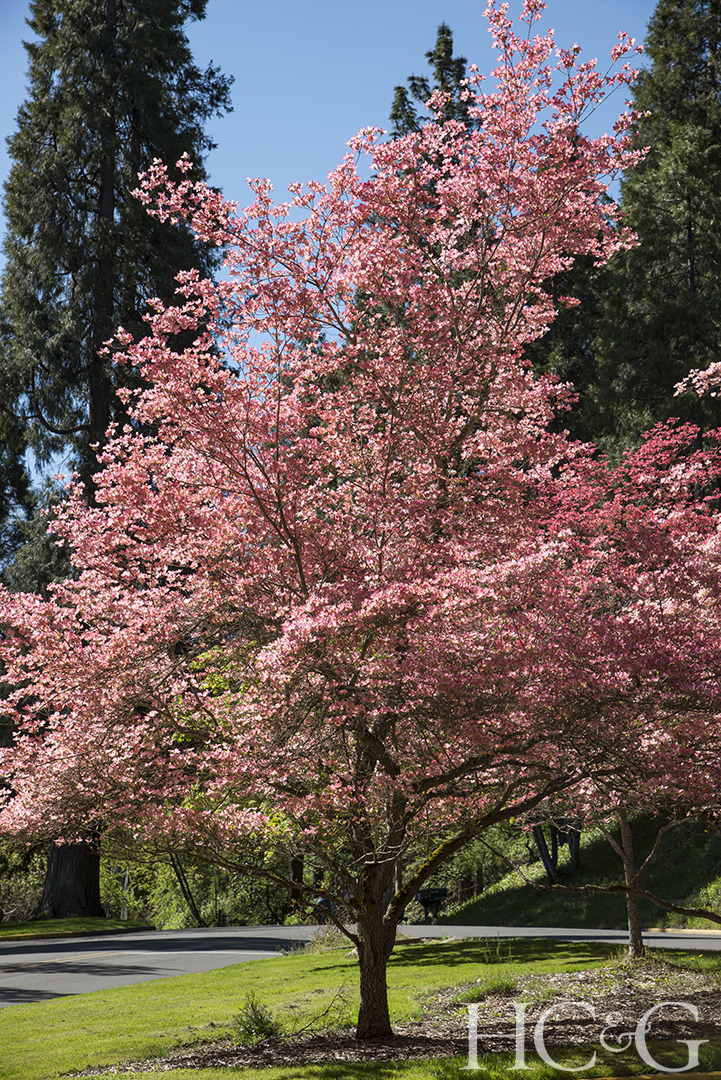
DOGWOOD
(Cornus florida ‘Cherokee Chief’)
Zones: 5–9; height: 15 to 30 feet
This variety of native dogwood has been bred to resist blight. Its rose-red petals—technically bracts— surround a small cluster of greenish flowers in the center. In the late summer and fall, its shiny bright-red fruit attracts birds.

TULIP
(Liriodendron tulipifera)
Zones: 4–9; height: 60 to 90 feet
Known for its exotic tulip-shaped flowers, this tall tree also boasts foliage that resembles a stylized tulip. Native Americans used the stick-straight, thick trunks to make dugout canoes.
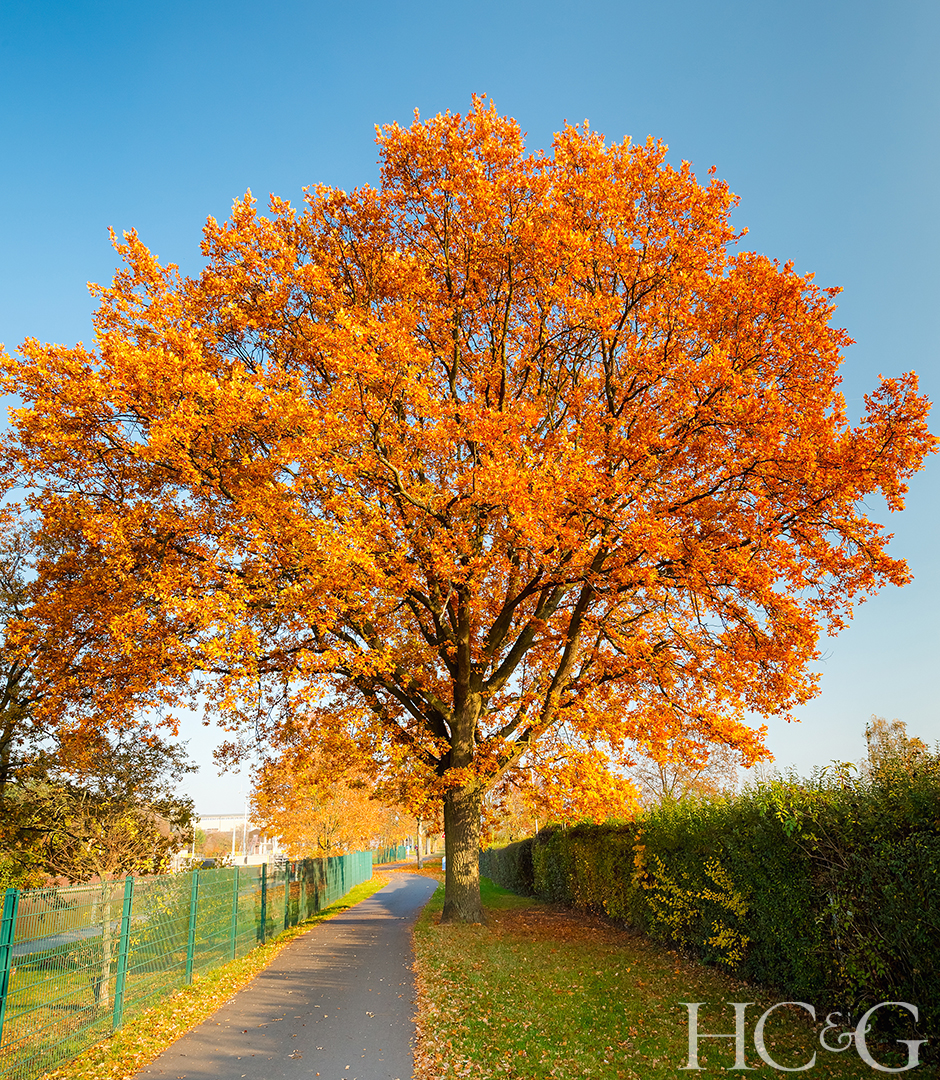
RED OAK
(Quercus rubra)
Zones: 4–8; height: 50 to 75 feet
This sturdy oak can live upwards of 500 years. It also hosts more than 900 varieties of caterpillars, which morph into moths and butterflies, important ecosystem pollinators.
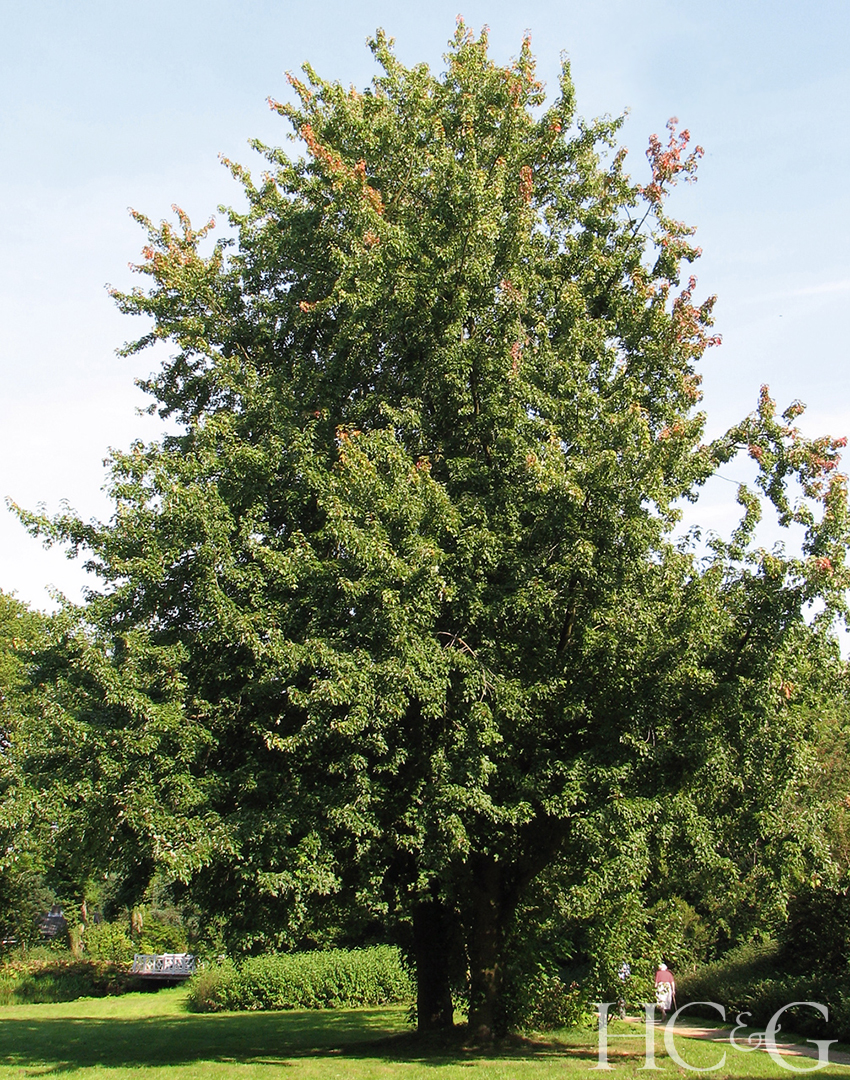
SILVER MAPLE
(Acer saccharinum)
Zones: 3–9; height: 50 to 80 feet
On a windy day, the silvery undersides of this maple’s leaves are an unforgettable sight. Plant this beautiful specimen in a moist area in your garden, as it has brittle wood that can be easily damaged by rough weather.
