


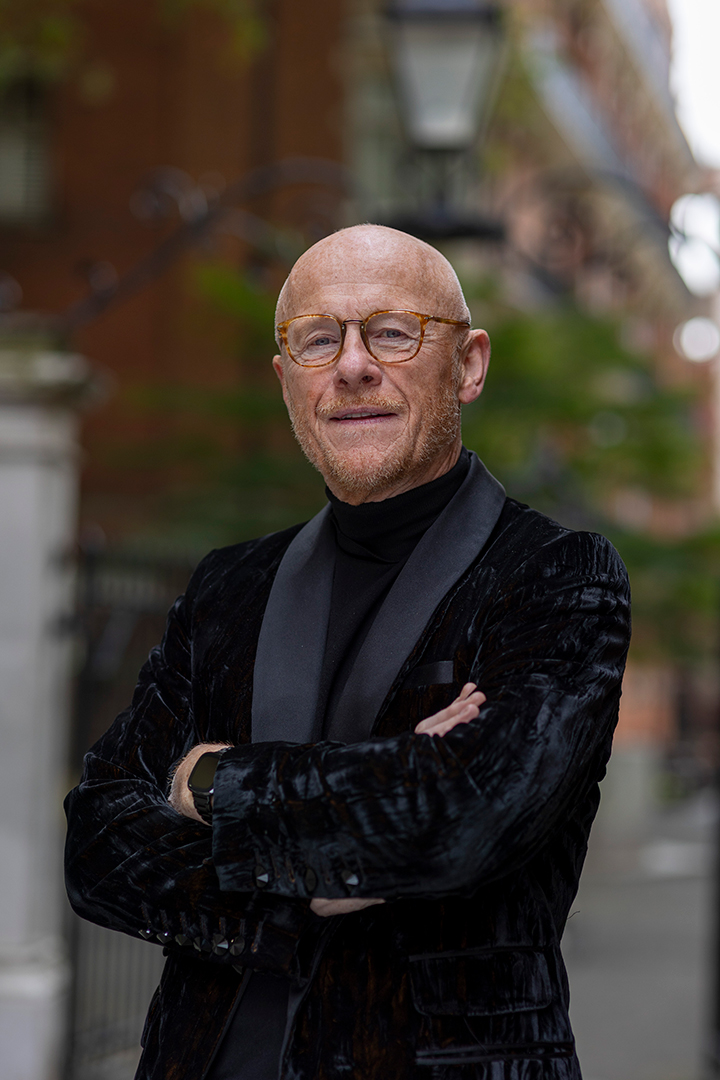
It’s not every day you meet for a chat with a billionaire developer in a €59 million home they created. But, there I was sitting across from John Caudwell, founder of the UK-based development firm CAUDWELL, at the exquisite Domaine de la Belle Étoile along the coast of Cap d’Antibes.
The jovial Birmingham-born entrepreneur, who started the retail business Phones4u from nothing in 1987 and grew it into a company with over 600 stores before selling his stake in 2006, pivoted toward real estate amidst the 2008 financial crisis. However, his passion for beauty is what truly lit the fire that has lead him to transform some of the most luxurious locations in the world.
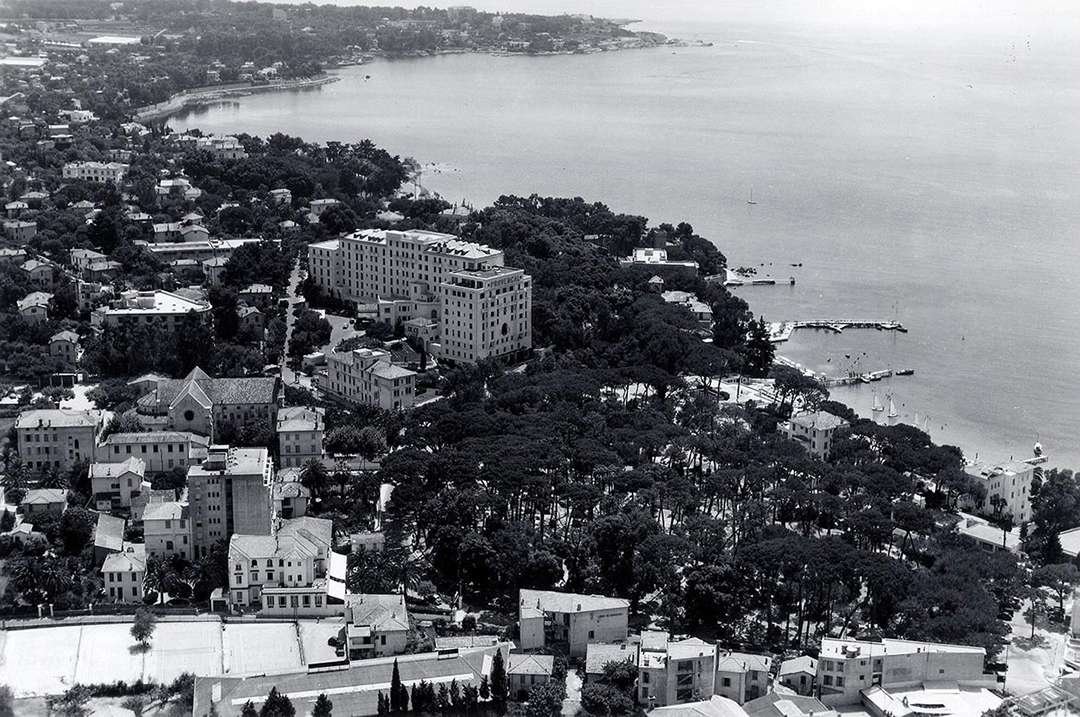
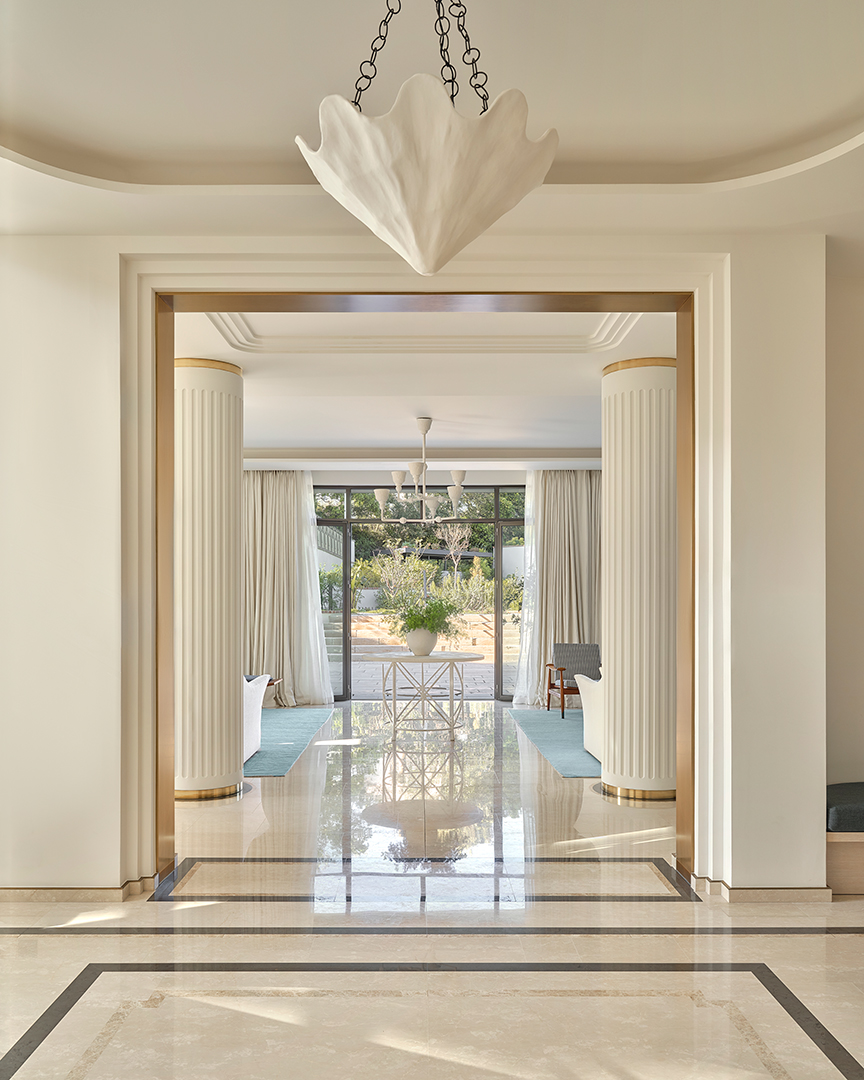
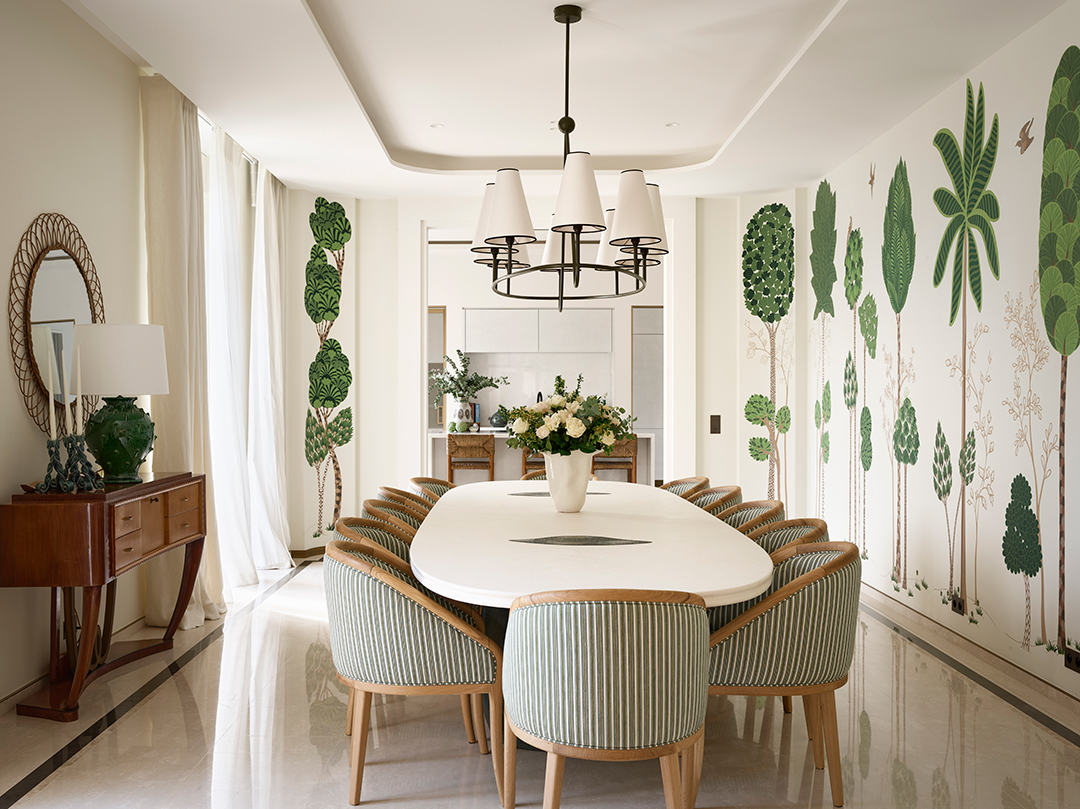
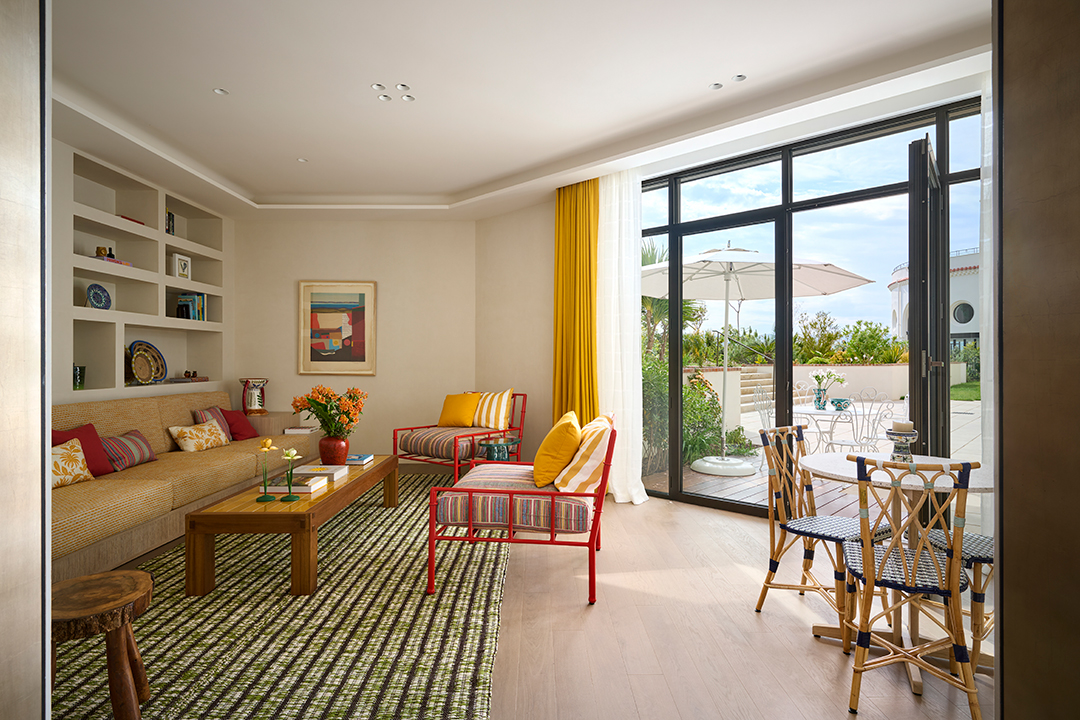
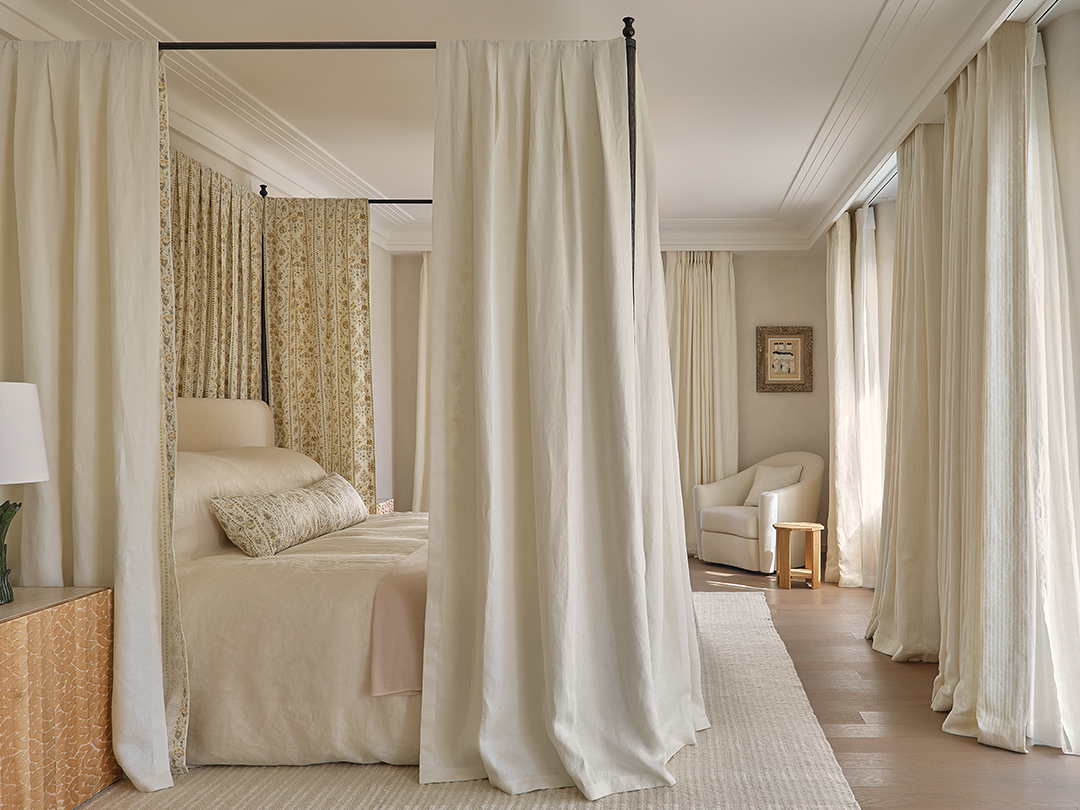
Minutes away from where we sit, he and his firm revitalized the legendary former Hotel Provençal, now known as Le Provençal, in a $390 million endeavor spanning over 10 years. Completed in 2025 and already home to residents, the Art Deco icon offers 35 pristine homes (seven of which have private pools), bespoke services from Hôtel Belles Rives, and tantalizing design elements you don’t typically see from developers. But, that’s because John Caudwell isn’t the typical developer.
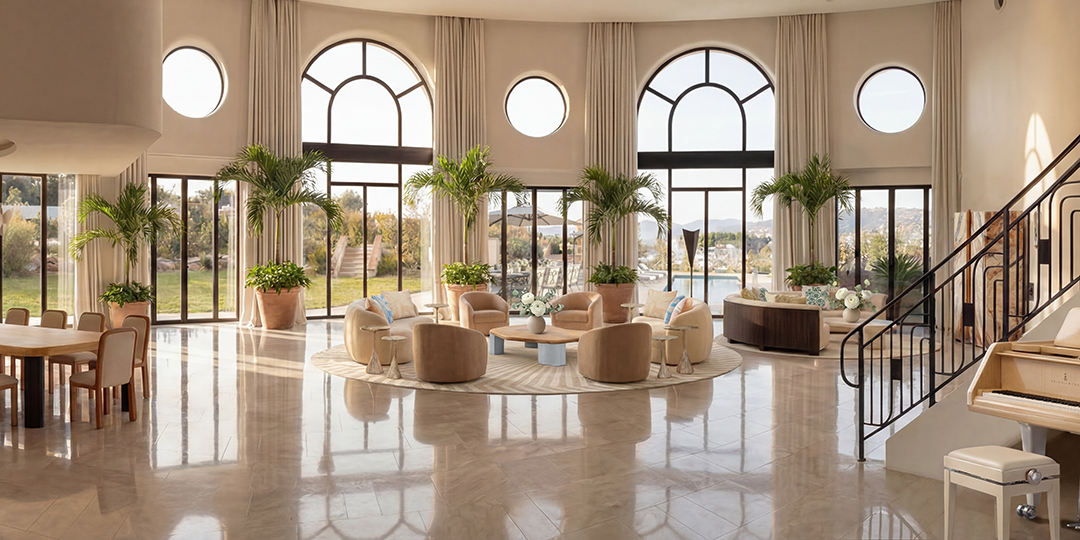
Sparing no expense and believing that all good interior design should be “beautiful, practical, and have longevity,” he oversaw the building’s design down to the most minute details. It took eight years to craft Le Provençal’s ethereal wet spa to his standards, for example. As well as being a haven for soaking and steaming, the space is a work of art.
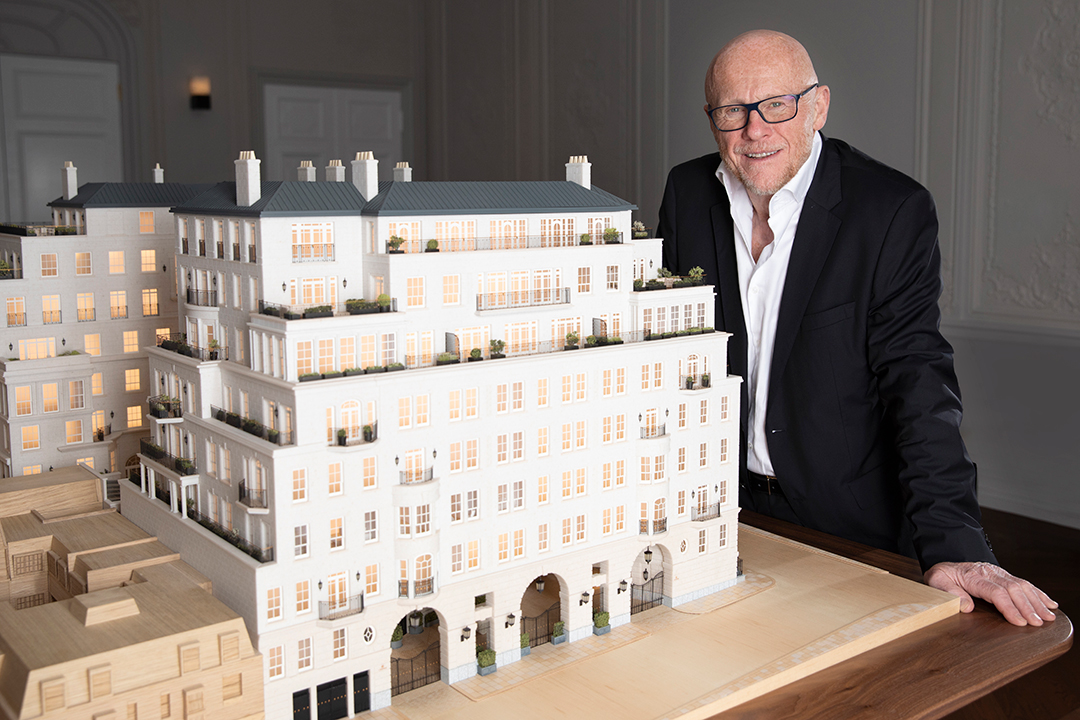
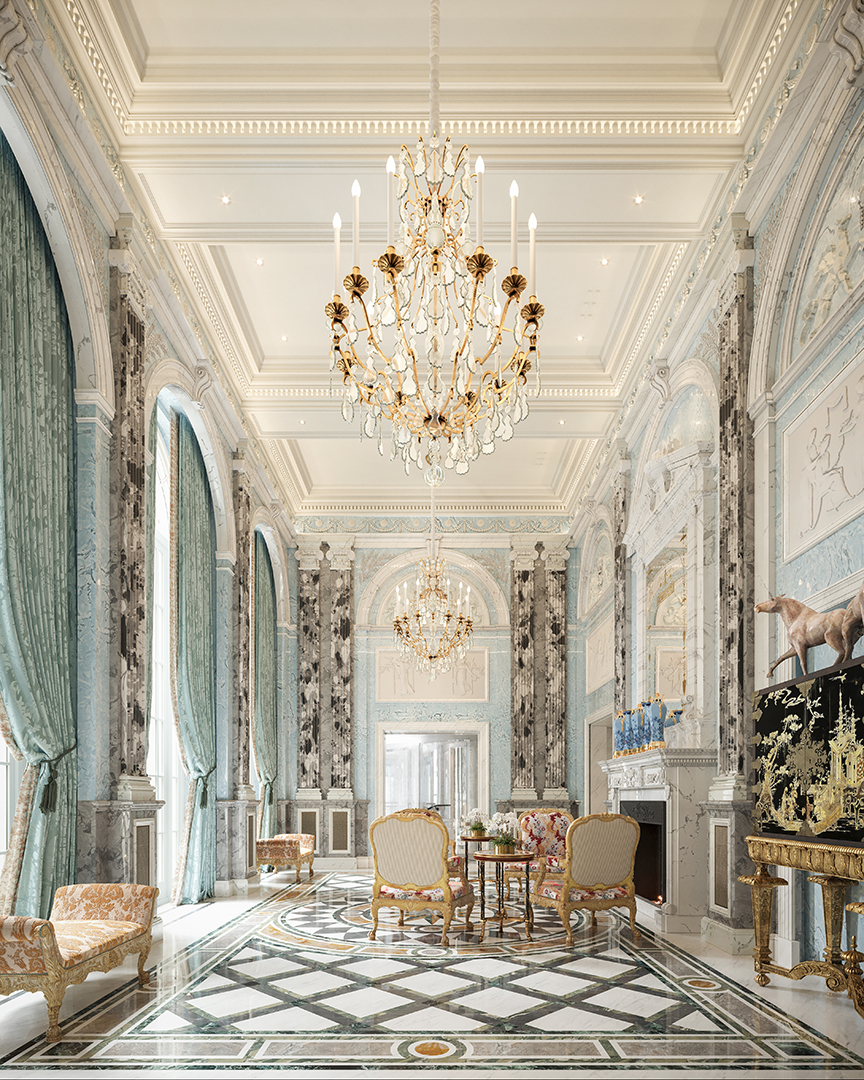
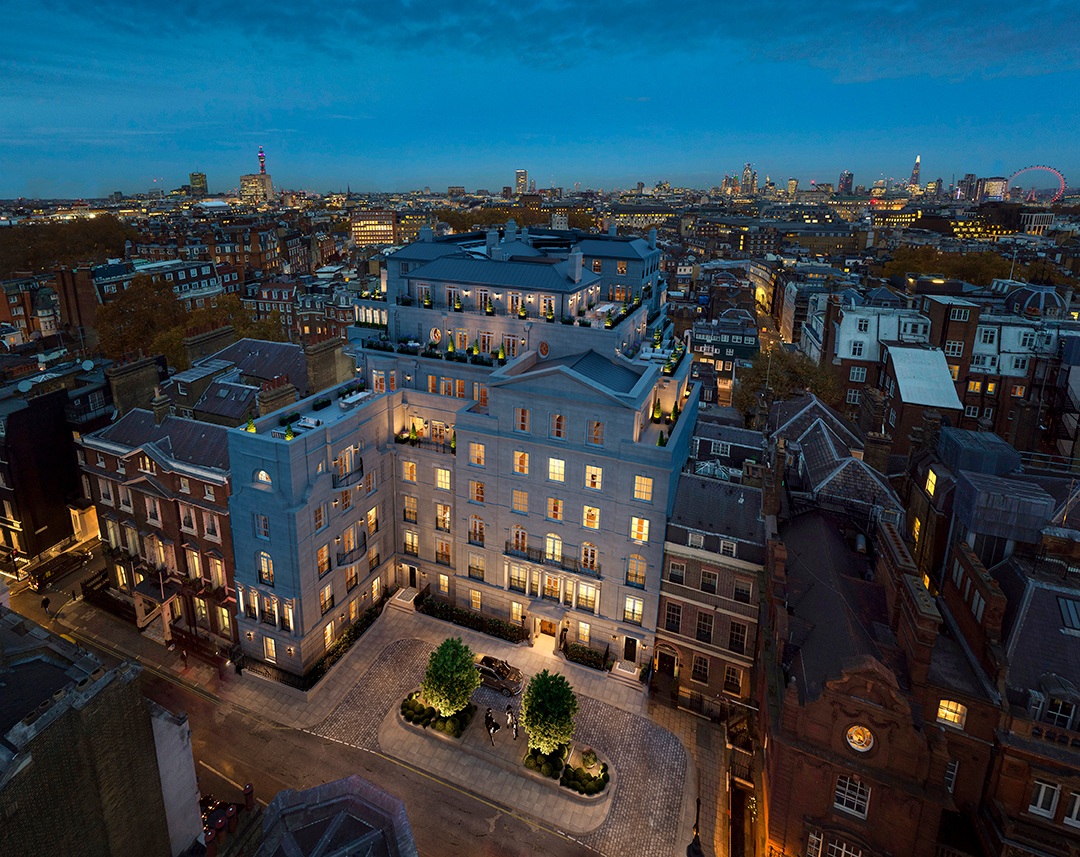
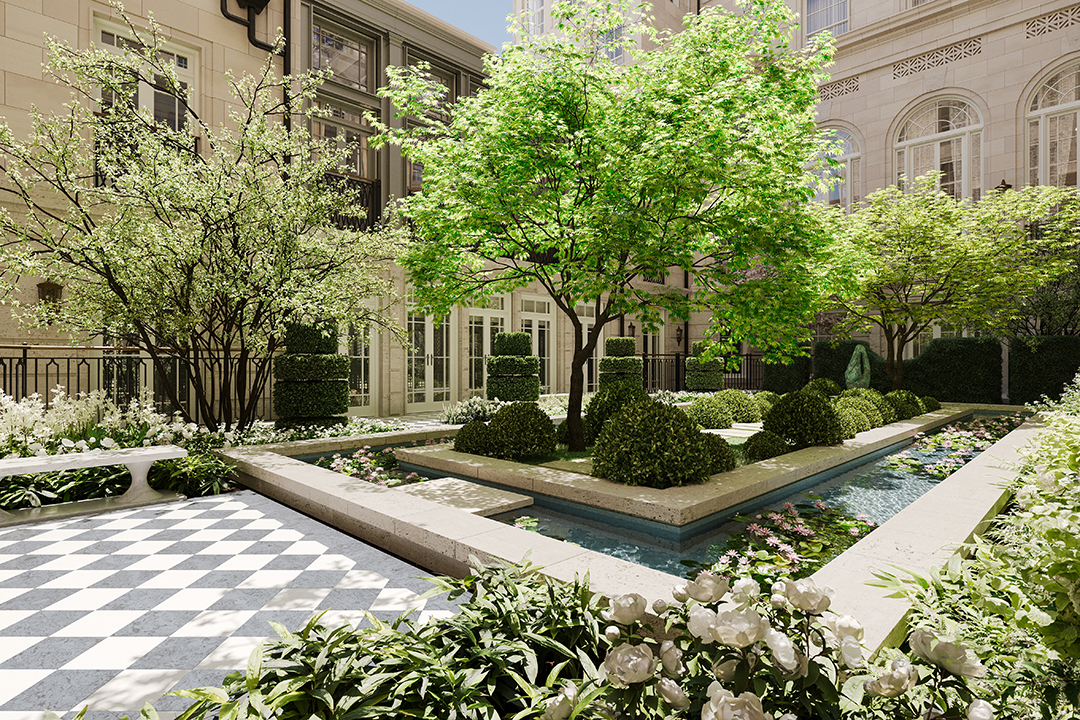
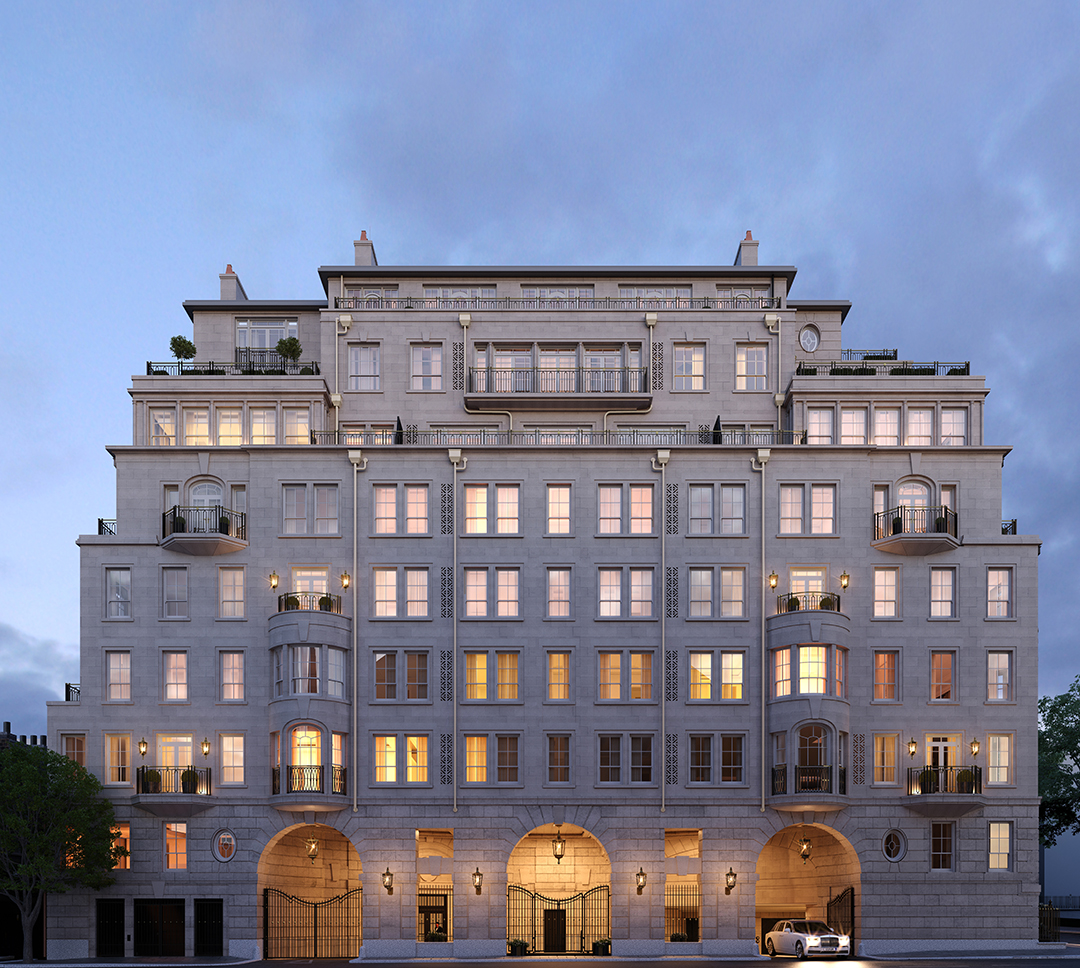
Caudwell is bringing that same devotion to quality and beauty to 1 Mayfair in London, his other massive, time-intensive project garnering global buzz. Marketed as “peerless,” its residences will start at £35 million.
As our conversation unfolds today, covering everything from the developer’s design opinions to his views on billionaires donating their wealth, the challenges and triumphs of 1 Mayfair and Le Provençal are center stage.

Have you always had a passion for historic buildings and, if so, where do you think that comes from for you?
Don’t know, probably because I’m a bit historic. No, I’ve always had a passion for, not history, but historical architecture. My [London] home is, for me, the most spectacular architecture on the planet. I love that Jacobean architecture. I love everything about that. I love Georgian, I love Art Deco, I love a lot of architecture. I hate modern architecture, unless it’s spectacular. I went around London the other day, and there was some spectacular stuff there with great, big steel tubes. I don’t know what the buildings were, I can’t remember, but it was almost shocking, but it was shocking in a way that was shockingly good.
What I don’t like are these architects, and there are lots of them in London, that do what they call traditional with a contemporary twist. Because, actually it’s just nothingness. You’ve got to build interest into it. It’s no good just building a box, there’s got to be some interest.
I think what sums me up is, I love beauty. Doesn’t matter what the beauty is, it might be a spectacularly beautiful car, might be beautiful furniture, and the beauty could be furniture that’s 500 years old or modern, but if it’s modern, it really needs to be something special.
After over a decade of the planning and execution of Le Provençal, and now you’re getting close to the end with 1 Mayfair, what is the biggest thing you’ve learned about transforming historic buildings and designing ultra-luxury homes?
I’m not sure I’ve learned this, because I think I probably already knew it, but if I would choose something I’ve learned it would be trying to ensure that every member of staff is almost brainwashed into quality, quality, quality, quality, quality. What I told all my team to do is when a builder comes on-site to, let’s say, tile the bathrooms, don’t wait until the bathrooms are finished. Go and see the first two tiles. Make sure that the detail is right. Make sure it’s right, because if you do it at that stage, the builder can rip the tiles off the wall and start again. If you go in halfway through, you’ve got that wall with the builder because it’s too expensive for him, too expensive for you as the developer, and then you end up putting up with poor quality. So, get on top of the detail right at the beginning and set the standard. When you’ve set that standard, the builders know that nothing is going to be acceptable unless it’s absolutely correctly done.
But, I knew all this really historically. It’s like business. If you’ve got a problem in your business, get it at the start. I’ve been like dynamite, whenever I come across anything that I witnessed in the business that wasn’t quite right. It’s not: “We’ll have a meeting tomorrow then.” It’s: “Now, yeah, get everybody together now.” We talk about it now and get it done, because tomorrow is another day of failure. So, you just need to jump on things.



However, about the unexpected challenges of Le Provençal, in particular, Caudwell shared:
I found, in France, the process has surprised me. How difficult it is with the authorities. I found it difficult to understand why the various responsible organizations don’t communicate more when you’re trying to do something that’s beautiful and restore something that’s historic and beautiful that desperately needs doing. I think they made it too difficult for us. They could have made it easier, I’m sure they could have.
It’s definitely easier in London, not easy, but it’s easier, and people generally get it more. Here, we fought for three years on the color of the building. They wanted us to do it in an ochre color, but all the buildings are white around here. White is the Mediterranean color and they wanted us to do it in a yellowy, brown color. It took us ages to convince them. Endless samples we had to put on walls and say, “What about this? What about this?”
The whole thing was a process but I was unyielding, really, because when you want to build the world’s best—and this is not the world’s best, I wouldn’t say but it’s definitely the best on this coastline beyond any shadow of a doubt and that’s what I wanted to achieve—you can’t achieve that if you let the bureaucracy keep compromising everything you’re trying to do.

Does that make you want to, for future projects, stick more to the UK or do you have an ideal building or dream location where you would love to do a project?
Well, there’s very few sites like the site I’ve got in London. I do think the London site is the best in the world, because it’s in Mayfair. Mayfair is top of the Monopoly board for a reason.
Mayfair went into slight decline for 20 or 30 years, places like Knightsbridge and Belgravia took over a little bit. For the last 15 years, Mayfair’s bounced right back. Where I’ve got 1 Mayfair positioned is what we call Mayfair Village, which is the little core corner of Mayfair that’s the quieter part. Very little commercialism, it’s a lot quieter and a very, very wonderful location. I think I’ve got the best location in the world, because I think London’s the best city in the world. Mayfair is the best part of London, and my property is the best property. People could argue with that, but nobody could sort of say, “You’re crazy for saying that.” They might say, “Oh no, you’re a bit over the top. Yeah, you know, what about this, what about that?” And, that’s fair enough. You might cite somewhere in New York, on the side of Central Park or somewhere. But, I do think I’ve got the best site in the world and that then deserves the very best building in the world.
So, I’m delighted with what I’ve done, but to answer your question: The next site. Well, where am I going to get another site that is obviously kind of the best in the world where I understand the politics and the stability of the area, etc? So, you know, that I don’t know.
But, you would like to go on after 1 Mayfair? It’s not that these are your two legacy projects, and then you’re shifting focus or do you think these are your two?
I don’t mind not going on. I don’t mind that because I’ve got a life to live as well and I’ve got to leave things simple for my descendants when I eventually leave this place. But, more importantly, where’s the site going to be? Because I’m not going to do something that’s compromised, that I can say for sure. It has to be a project that I think, “Wow! This is another stunning, stunning thing to do.” If I came across that, yes, I would go again, but there’s not many.
I’ve got this, Domaine de La Belle Étoile, I’ve got Le Provençal, I built Parc du Cap—I’ve got three or four properties as part of this bundle. Then I’ve got 1 Mayfair, which is not going to be complete until the middle of next year. So, I’ve got a lot on and a lot to sell. Then I’ve got the engineering business, which is going to be a huge. So, no, I would not take a compromise site. The site would have to be something where I think, “Oh my gosh, that is best in the world or best in class.” I’m not going to do places just to make a profit.
Switching gears, but I know you’ve signed The Giving Pledge to give away 70% of your wealth in your lifetime or afterwards, and you’ve also said that you think all billionaires should make a similar pledge or promise. What do you think is the social responsibility of billionaires, and do you think countries like the US and the UK can successfully implement a policy that reflects that, or is voluntary giving still the best way forward?
Well, I think it’s the only way forward, because otherwise your taxation has to be so high to cover all the services these charities do, that your taxation burden becomes so high that you don’t become competitive as a country. We’re in the danger of doing that at the moment with Labor, you know, they’ve made the taxation policies detrimental to our future economic growth.
Coming back to the central point of your question: Look, I think when somebody makes legitimate money, and I say legitimate because we know in some of the dictatorships around the world people have made illegitimate money, like in Russia, for example. But if we’re making money legitimately, I think it’s up to each person and their conscience to decide what to do. In making that money, they’ve created thousands of jobs and provided people with livings, and they’ve made a success of their lives and lots of employees’ lives.
But that said, I don’t understand why somebody wants to make hundreds of billions and not give it away. I don’t understand it at all. We’ve got this race to be the first trillionaire at the moment and if I were in that race, I would say straight away that if I become the first trillionaire, I will donate 99.9% of my wealth, which would be leaving me with £1 billion, because I don’t know why anybody would ever want more than a billion. I mean, a billion is a colossal sum. I’m worth about £1.5 billion or thereabouts. I’m leaving 70% to charity, so I’ll only leave about £500 million. I say “only,” I say that a bit tongue in cheek, because we’re talking about trillionaires. Why wouldn’t they do 99.9%? Why? They don’t even have to do it in their lifetime, they do it after. They won’t even know it’s gone, and, what are they going to do with that trillion dollars?
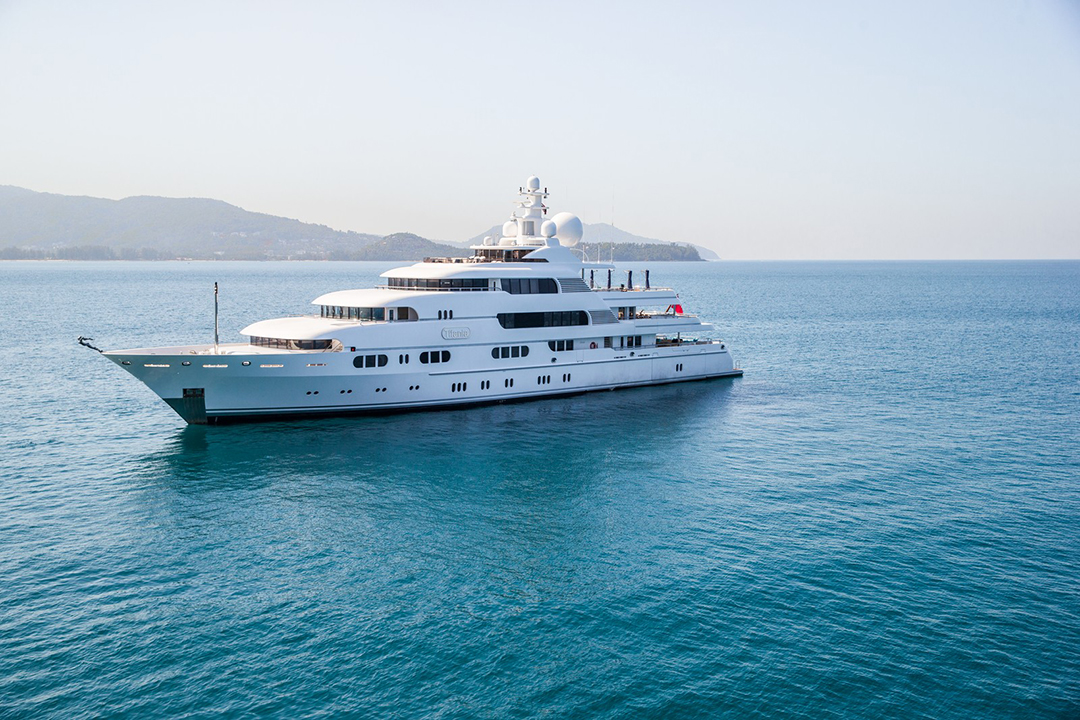
So, I can’t say that they should have to, but I don’t understand why they don’t because you can’t spend that money, you can’t do anything with it, you can just make more money. But, look at the lives you can change. Look at the way you can make your mark on society by leaving a trillion dollars to charitable causes. You change parts of the world for the better. You alleviate so much suffering. I can’t see why they wouldn’t want to do that, because they can still have the yachts, they still have the luxury houses, like I’ve got. I’ve got all this stuff, but I can still do a huge amount, make a huge amount of difference to people’s lives. So, I’m going to stop short of saying they ought to, but I don’t understand why they don’t.
There are probably 4,000 or 5,000 billionaires, but only 250 that have committed to The Giving Pledge. I do everything in my power to influence people, to be charitable, and to say, “Well, look, where are you going to leave that money? Who are you going to leave it to? What’s it going to do to their lives anyway?” Because if your children knew they were going to get a massive sum of money, where’s the motivation to be successful themselves, and what does success look like to them?
It seems like legacy, beauty, leaving the world a better place are also cornerstones of your projects Le Provençal and 1 Mayfair. Would you say that these principles are the driving force behind your real estate development?
Yes, I’m very driven by leaving the world a better place than I found it. In some respects, I’ve done that in Le Provençal because it was derelict. It wasn’t quite the humanitarian aspect of leaving the world a better place, because there’s not a humanitarian aspect [to the project] really, but I’ve left Juan-les-Pins and Cap d’Antibes better than I found them and left a thing of beauty. And, it’s helped the environment all the way around because people are now looking at a beautiful building instead of derelict.
So, it’s a very mild form of leaving the world a better place, really. Because all I’ve done is created a thing of beauty where there was something that was ugly, but it sort of fits into that to a smaller extent.
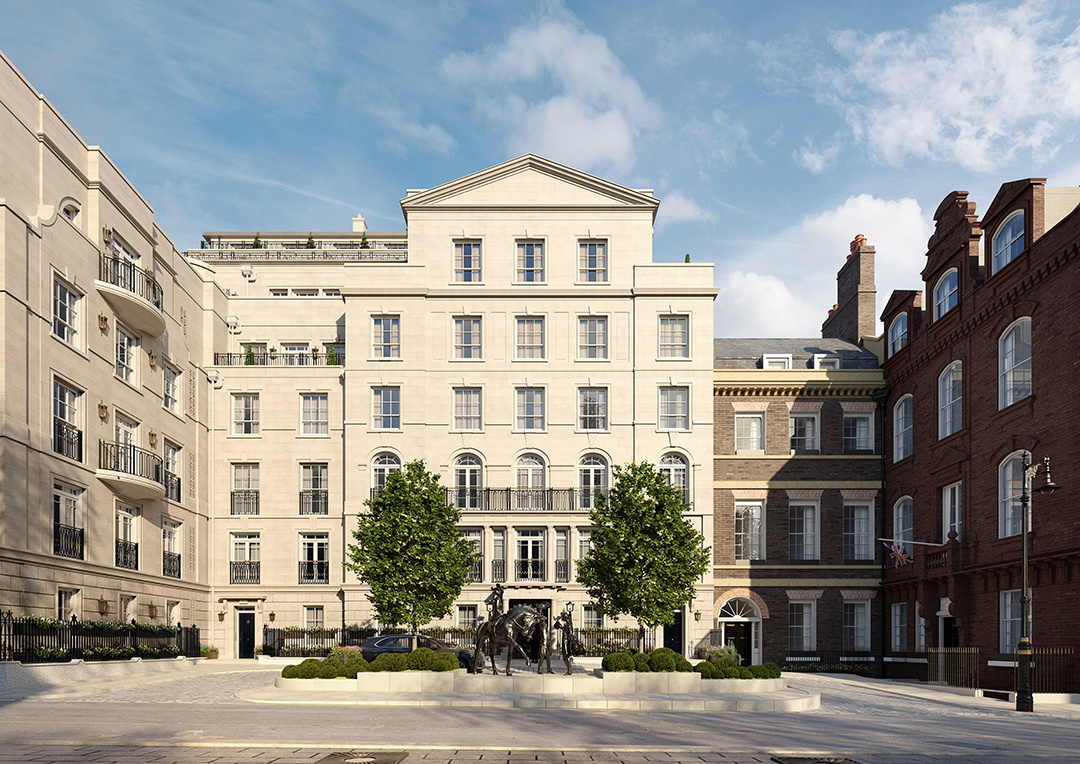
I’m curious, especially now with construction on 1 Mayfair getting close to an end, about your reflections comparing these two mammoth projects. How has the process of transforming 1 Mayfair been different than Le Provençal? What have been the biggest differences or challenges?
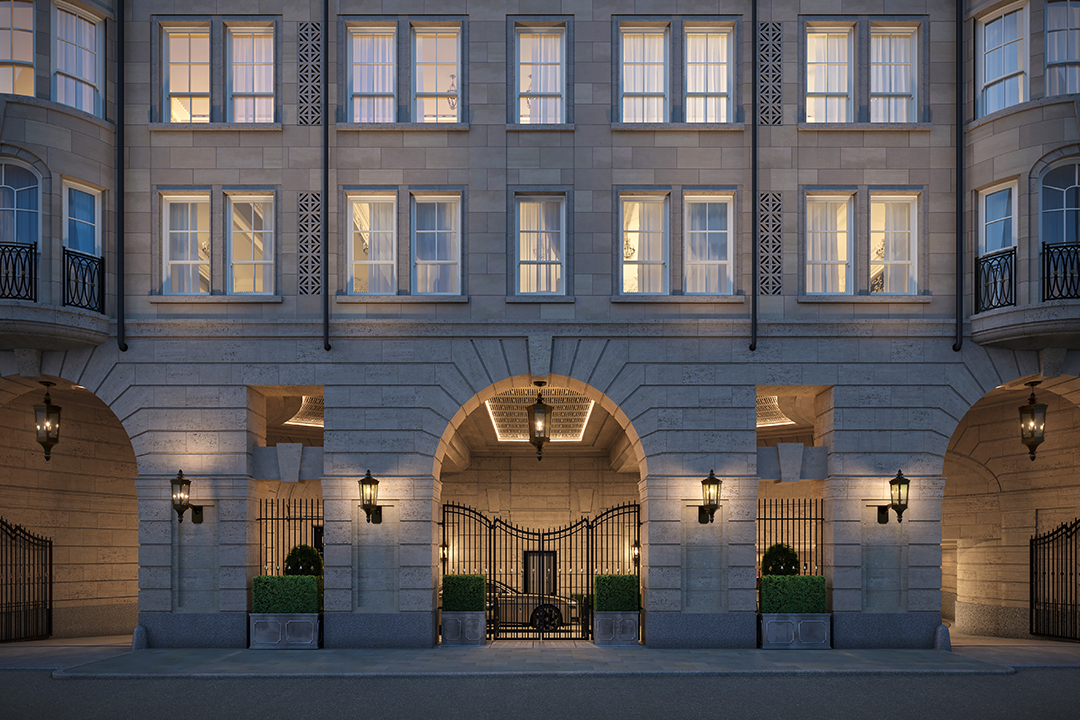
Because they’re both the best in class for their area, the process is the same: Massive attention to detail of the architecture, the space planning, the quality of products, the beauty of the interior design. It’s all the same formula. Get the best location, first of all, make the envelope the most beautiful envelope you possibly can. So, 1 Mayfair, for instance, is all clad in Portland stone. That’s been a nightmare. It’s been a nightmare. You cannot believe how complex the Portland stone aspect of that building has been, but I wanted something with Corinthian columns and I wanted features and I wanted the beautiful stonework, and it’s going to look exquisite.
So, that’s been a huge challenge with that, in the same way that Le Provençal had a huge challenge with the exterior as well. They’re all similar challenges, and the only difference, really, is that London’s been a bit less bureaucratic and a bit more user-friendly. It’s kind of been easier to make these things happen. But, both are enormously challenging projects and enormously satisfying because what I’m creating is just beautiful, beautiful buildings, beautiful interiors, and beautiful apartments.

If this is the first you’re hearing of 1 Mayfair, keep your ears perked. The first dressed residence is set to launch in late Autumn 2026, which will start the main sales launch, with full completion scheduled for 2027.
