


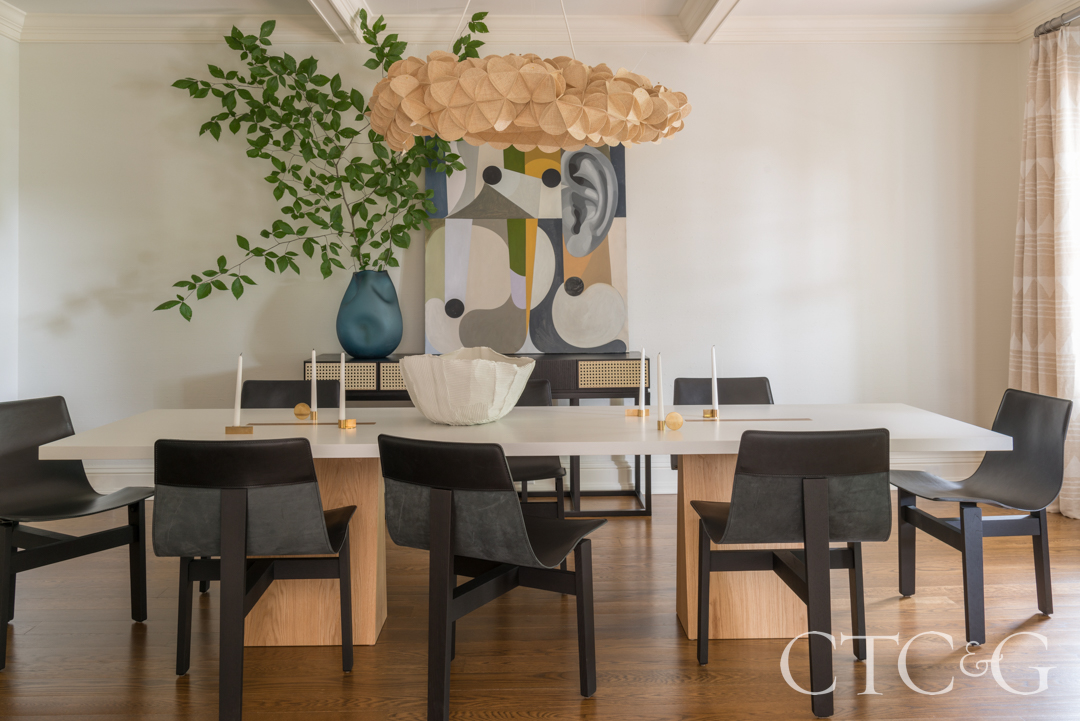
Hired to manage a Ralph Lauren store after college, Pennsylvania native Michael Cox rose to become its furniture design director. Favoring work with individual clients, he and colleague Mary Foley launched Foley & Cox in 2002, designing homes around the globe. Twenty-four of those homes are featured in his new 20th-anniversary book, Language of Home (Monacelli, March 2023). Drawing from expertise in myriad styles and periods, Cox fashions clients’ cues into satisfying personal homes. A great reader, he loves movies, buying trips, antiquing and sleuthing for artifacts to stock Foley & Cox, the store he runs in Hudson, NY. Cox and his husband reside in Manhattan and in a Bucks County stone farmhouse, and travel twice a year to visit family in Salerno, Italy.

How does your college degree in finance carry over to your design business?
What gets attention are the aesthetic and creative aspects of interior design. But it’s a real business, you’re entrusted with the responsibility of managing the project and helping maximize your clients’ investments.
What was the main lesson you took from Ralph Lauren “Polo University”?
It was a fantastic place to learn the most basic lesson that there is a solution to every challenge, and you don’t have to take “no” for an answer. Problem solving is part of the creative process.
Why did you leave when Ralph Lauren transitioned to a focus on hospitality?
I’d started working on interiors and direct client relationships. I liked that dynamic, and that’s what I wanted to pursue and cultivate.
You’re running the business solo since your original partner, Mary Foley, retired. What would be a crucial consideration for seeking a new business partner?
Identify your blind spots and your weakest points, be honest with yourself, and look for someone whose assets complement your weak points.
What’s the first step in sprucing up a room?
The first thing you do is clear the space. You experience it empty, and then you reimagine not just how you want it to function, but how you want it to feel. Allow yourself the luxury of observing and feeling an empty space and seeing it with completely fresh eyes. What’s wonderful is the mental exercise of thinking about the free space differently doesn’t cost anything.
What’s the biggest challenge in renovating a space?
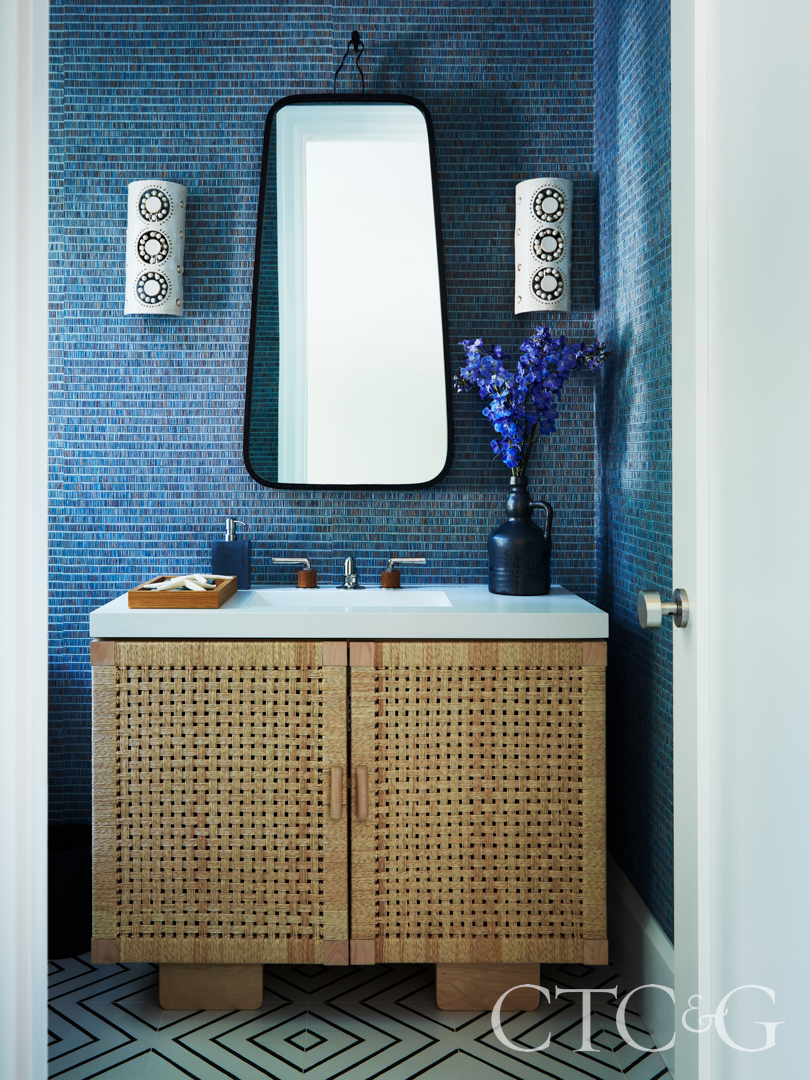
The unknowns—what’s behind the walls, ceiling, floor. The unknowns can throw curve balls into the renovation. A beam covered by the dropped ceiling can prevent you from putting in a new design. But they also may present great opportunities for change.
What’s essential in creating a space for an art collection?
Breathing room. Art needs to have space to breathe and to be properly perceived. Also, clarity of your end effect: Do you want balance and symmetry for a quiet classical presentation? Or perhaps an unusual, modern, quirky attention-grabbing effect.
What do you find is your personal challenge?
Just editing. I have an appreciation for so many different styles and periods, and narrowing down all the beautiful options that exist in different cultures.
What quality do you look for in the students granted the Foley & Cox Endowed Scholarship Fund at New York School of Interior Design?
Curiosity is the most fundamental aspect to learning. And then development and evolution.
Your website invites visitors to log in for online consultations. Why offer that?
Sometimes retaining the full services of a design firm isn’t required for a consultation with tips and advice. It gives access to a broader audience, which I love.
What is a building you would like to redo?
I’d like the opportunity to work in an iconic architectural building—Philip Johnson’s Glass House is all about looking out, the surrounding trees and woods are “expensive wall paper.” I would probably shift the focus internally and imagine the walls as solid witheverything in the space inwardly focused. You’d see the timelessness of Johnson’s genius from a different perspective.
