


Sugar maples aren’t the only source of bright color in the autumn. The 32,000 species in the Asteraceae family include marigolds, sunflowers, mums, and countless other daisy-like plants. From delicate asters to supermarket chrysanthemums, their blossoms will provide a visual feast through the first frost.
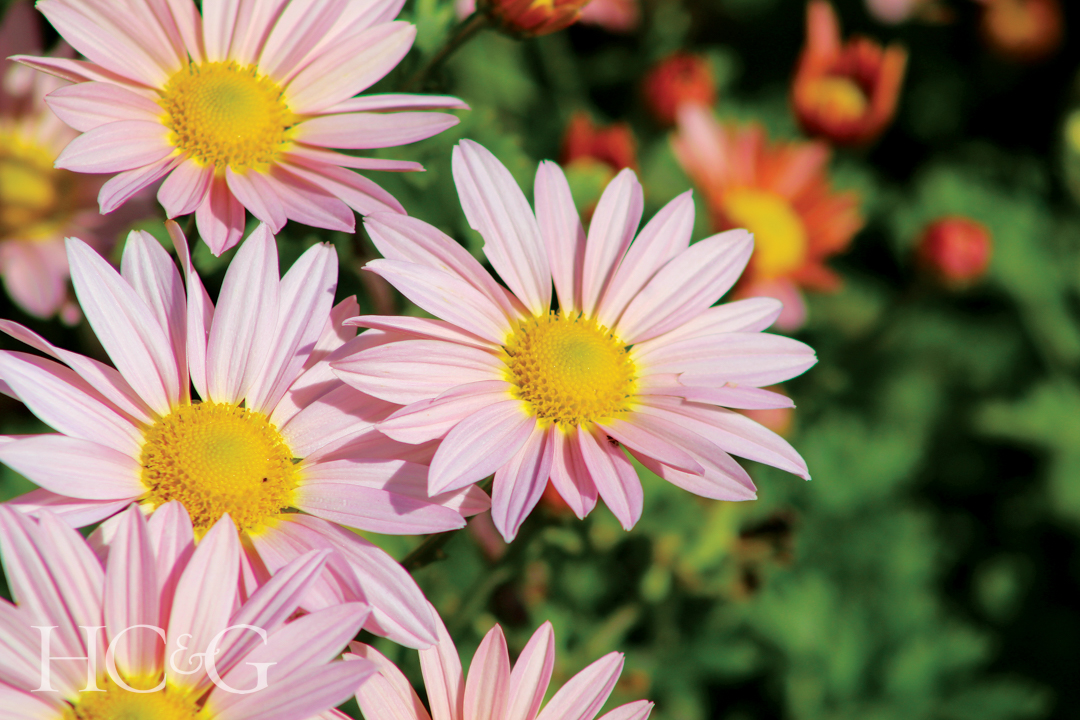
SHEFFIELD PINK GARDEN MUM
(Chrysanthemum ‘Hillside Sheffield Pink’)
Zones: 5–9
Height: 2–3 feet; width: 2–3 feet
Single pale pink blossoms and bright yellow centers offer a bright counterpart to red and yellow fall foliage and the faded beiges of grasses and perennials. In the shimmery sun of autumn afternoons, it’s a beauty to behold.
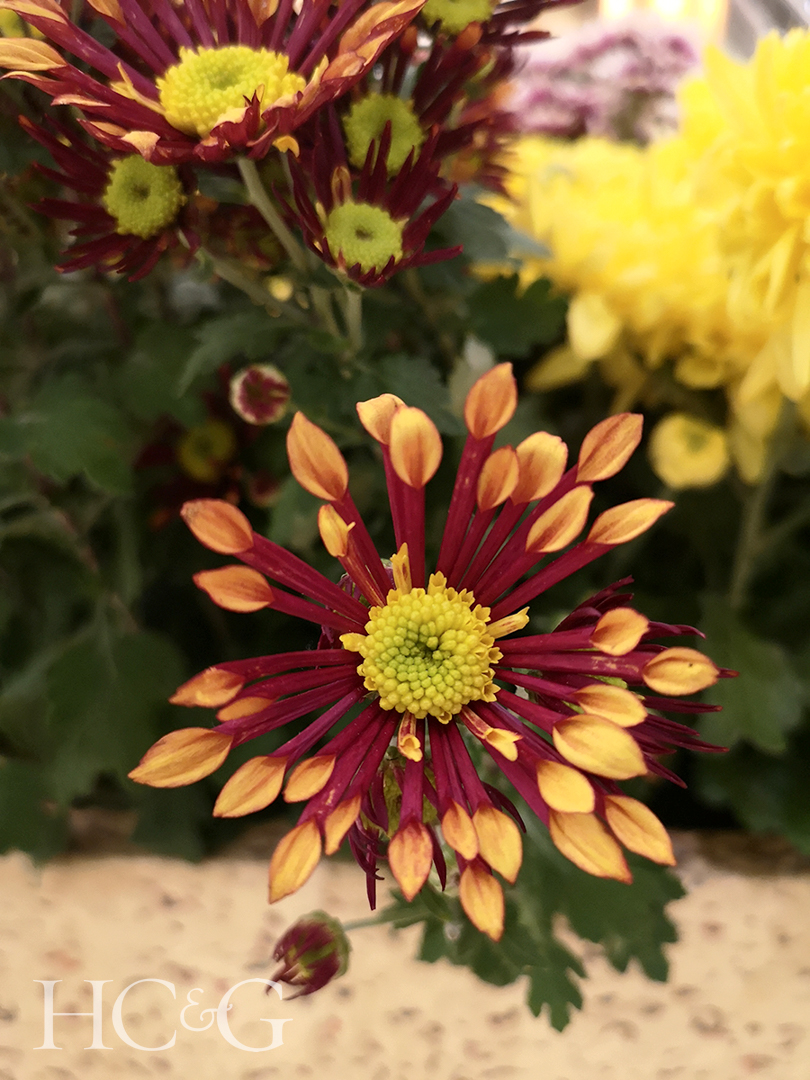
MATCHSTICKS CHRYSANTHEMUM
(Chrysanthemum ‘Matchsticks’)
Zones: 5–9
Height: 11⁄2–2 feet; width: 11⁄2–2 feet
In the competitive chrysanthemum world, some varieties are bred to produce flowers that look like they’ve come from outer space. ‘Matchsticks’ lends visual interest to perennial beds and mirrors the prevailing color palette of fall.
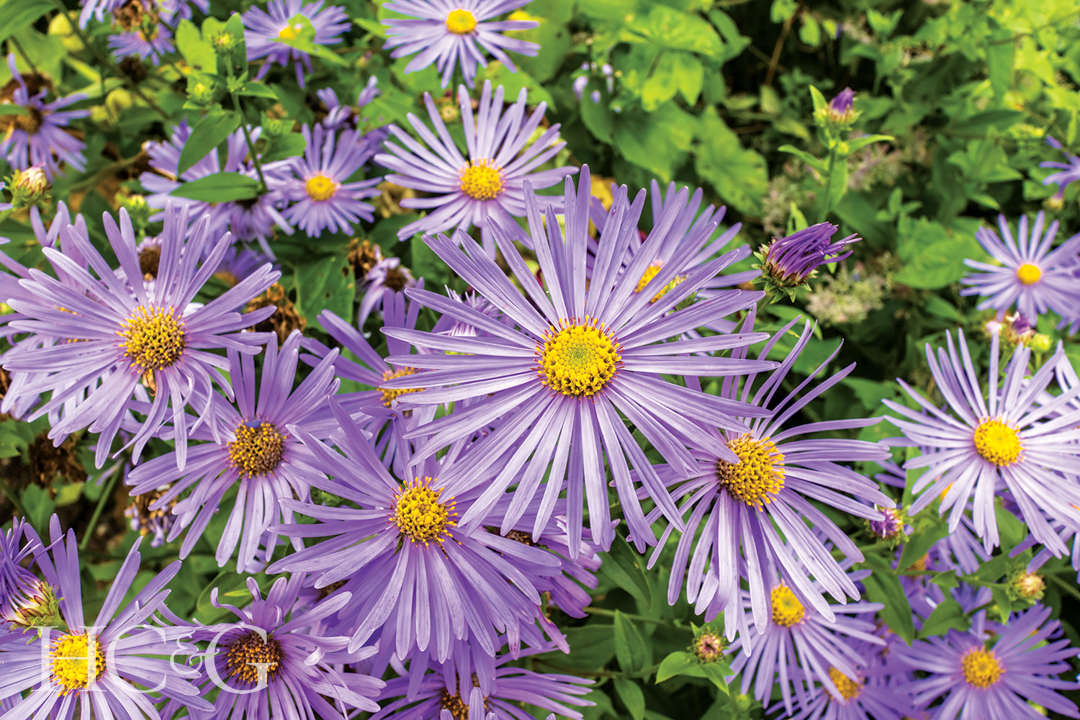
FRIKART’S ASTER
(Aster x frikartii ‘Mönch’)
Zones: 5–10
Height: 2–3 feet; width: 1–11⁄2 feet
The lovely lavender blue flowers of this Swiss hybrid start blooming in midsummer and continue through the fall. The plant has a looser form than most asters and is mildew resistant.
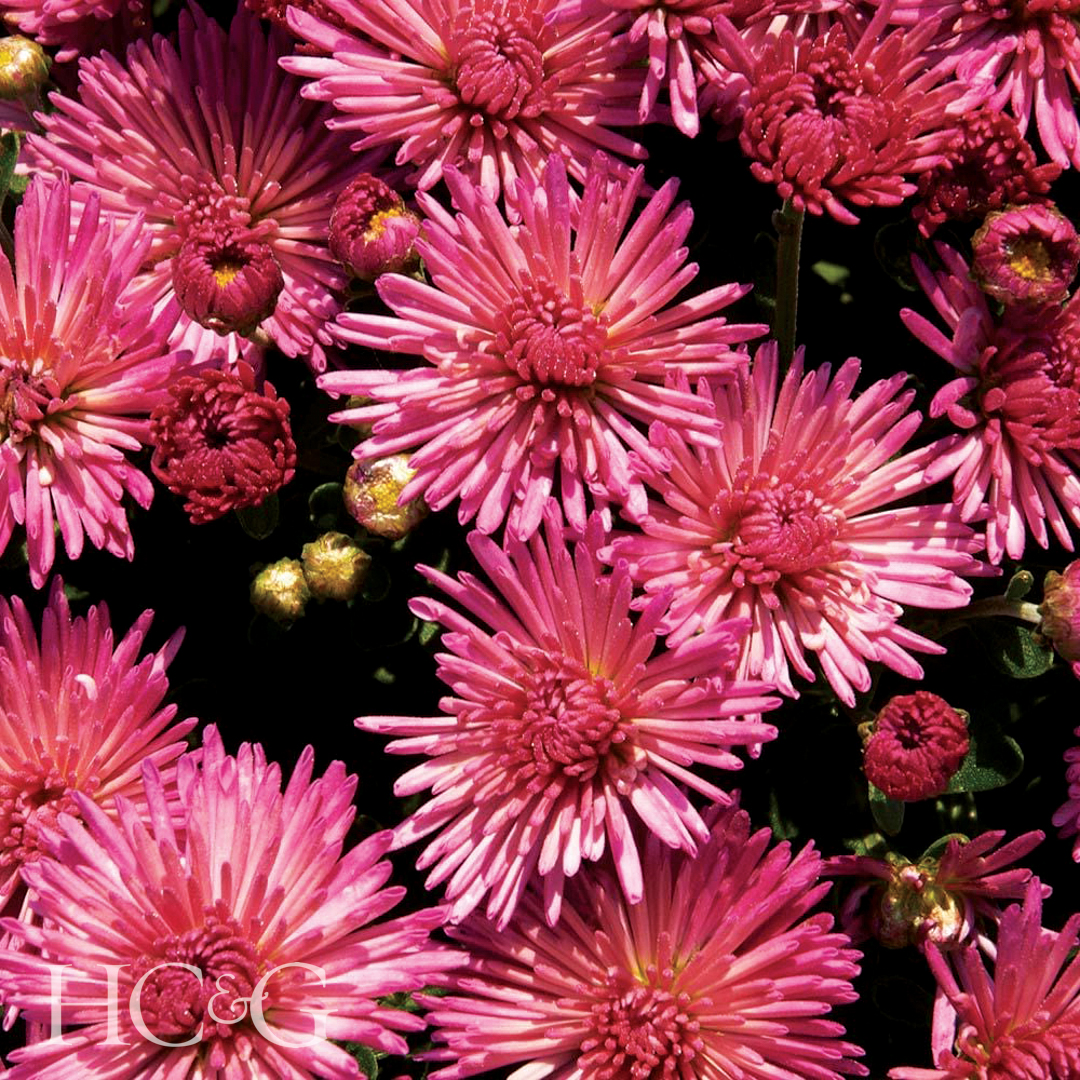
FIREWORKS IGLOO CHRYSANTHEMUM
(Chrysanthemum ‘Fireworks Igloo’)
Zones: 4–9
Height: 11⁄2–2 feet; width: 2–21⁄2 feet
This chrysanthemum’s spidery pink blossoms emerge from a more traditional mum-shaped plant. A hardy perennial, it will bloom from the first year it is planted.
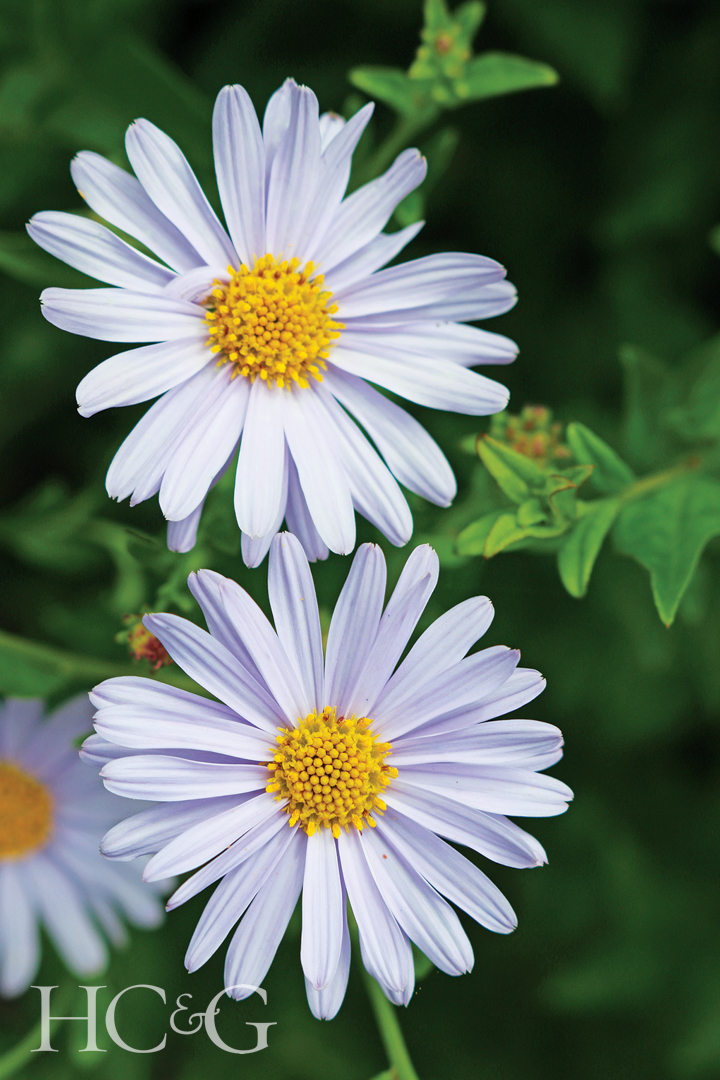
KALIMERIS
(Kalimeris incisa ‘Blue Star’)
Zones: 5–9
Height: 1–11⁄2 feet; width: 1–11⁄2 feet
This mum-like plant starts up in the summer, but a light shear after its first bloom will encourage it to blossom again in the fall. The pale blue one-inch- diameter flowers play well with most garden beds.
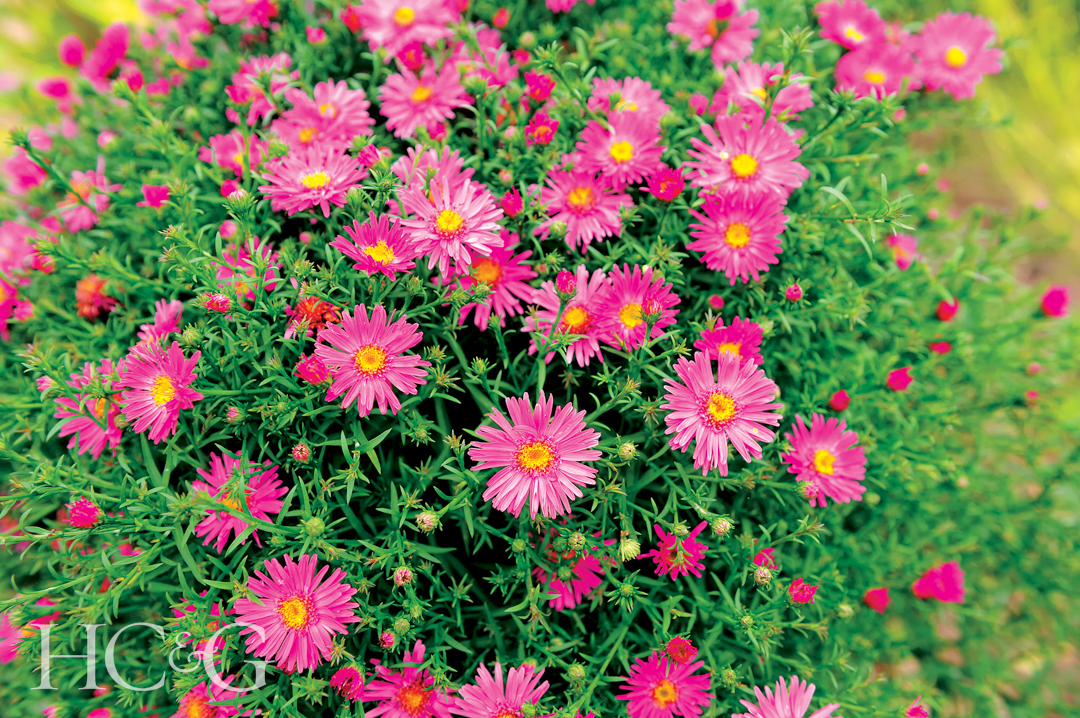
NEW YORK ASTER
(Symphyotrichum novi-belgii)
Zones: 4–8
Height: 3–4 feet; width: 2–3 feet
This newly renamed aster, an Eastern Seaboard native, grows from Canada as far south as Georgia. The blooms attract butterflies and other insect pollinators.
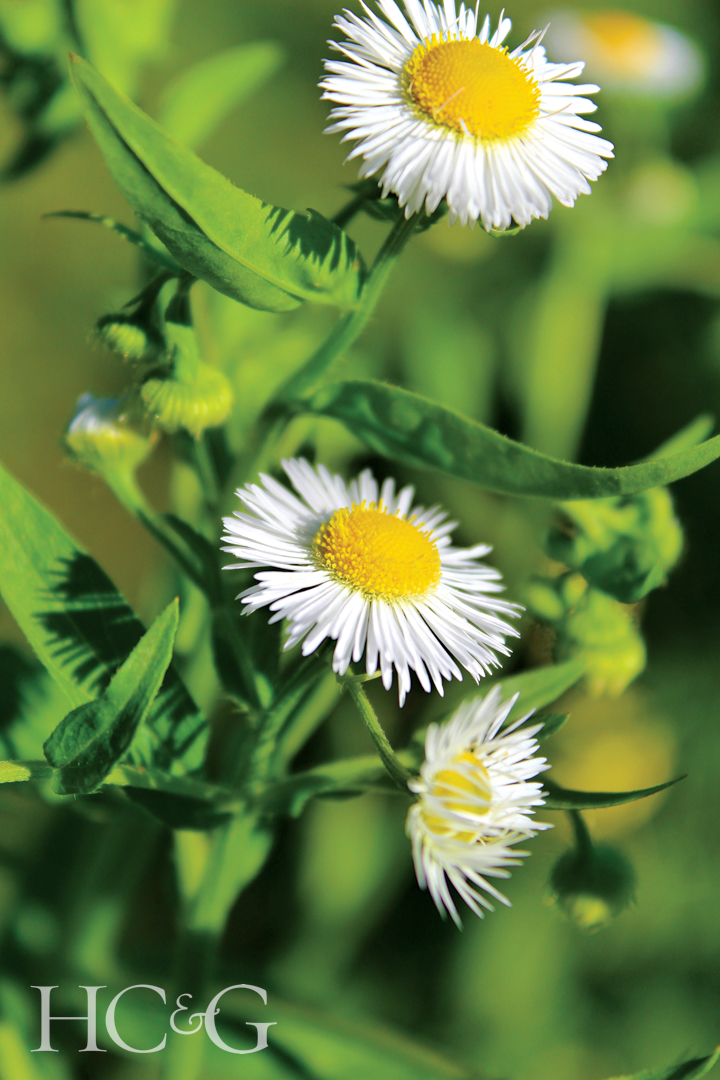
FALSE ASTER
(Boltonia asteroides)
Zones: 3–10
Height: 5–6 feet; width: 2–4 feet
This tiny daisy blooms at the end of summer on super-tall plants, so it’s an ideal back-of-the- border choice, without being too showy. It tends to set seed, so keep it in check in the spring.
Tips
- Pinching back stems in late spring will lower overall plant height but also delay bloom time.
- Taller asters add a frothy, airy appeal to floral arrangements. Bonus points: Asters typically last a week or longer in a vase.
- Native asters are a great choice for attracting autumn pollinators and butterflies.
- Asters are also terrific in meadows, where they provide late-season color amid fading fall grasses and often a bit of height as well.
