


Ron Wendt needed to break a habit. The prolific and much-in-demand events planner and landscape designer admits to having a penchant for right angles. “I love a right angle because it teaches you where to look and pulls your eye along, especially in a garden,” he says, while looking out into his property’s ninety-degree allées and pathways that culminate in endpoints like an obelisk or plashing pool. But just as pronounced on Wendt’s bucolic acre of land, situated between Sag Harbor and Bridgehampton, is a variety of circles and spirals.
“While I definitely have an inclination for right angles, I learned at school that too many right angles can make a garden feel flat. We’re human and circular forms are part of our nature, too.”

So determined was Wendt, who studied landscape design at Columbia, to introduce rounded, circular shapes into the garden that one day he performed an experiment. “I took a can of white spray paint and made a circle on a part of the lawn to figure out how big I wanted a circle to be on the land. If I don’t like it, I told myself, I’ll jettison the idea.”
Inspired by the shape of open fiddle-head ferns that appear as spiraling circles turning into themselves, he introduced swirling forms for the garden—notably low-rising boxwood shrubs that have the effect of spinning across the landscape. “The swirls create a third dimension.” Elsewhere, he fashioned a shallow circular fountain/pool with a modest jet d’eau at its center. Even the gazebo he designed features a large circular opening.
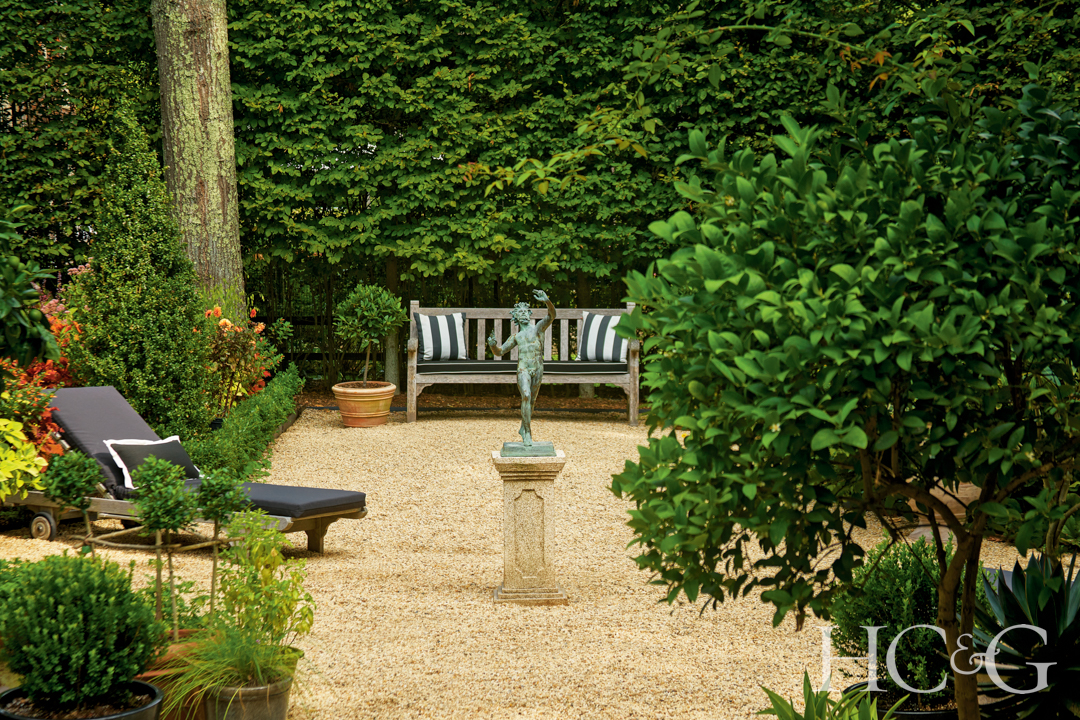
A sunken gravel garden on the property of a house in Bridgehampton is edged in boxwood and punctuated by eight-foot boxwood cones; a bronze sculpture of the Faun of Pompeii is set at the center.
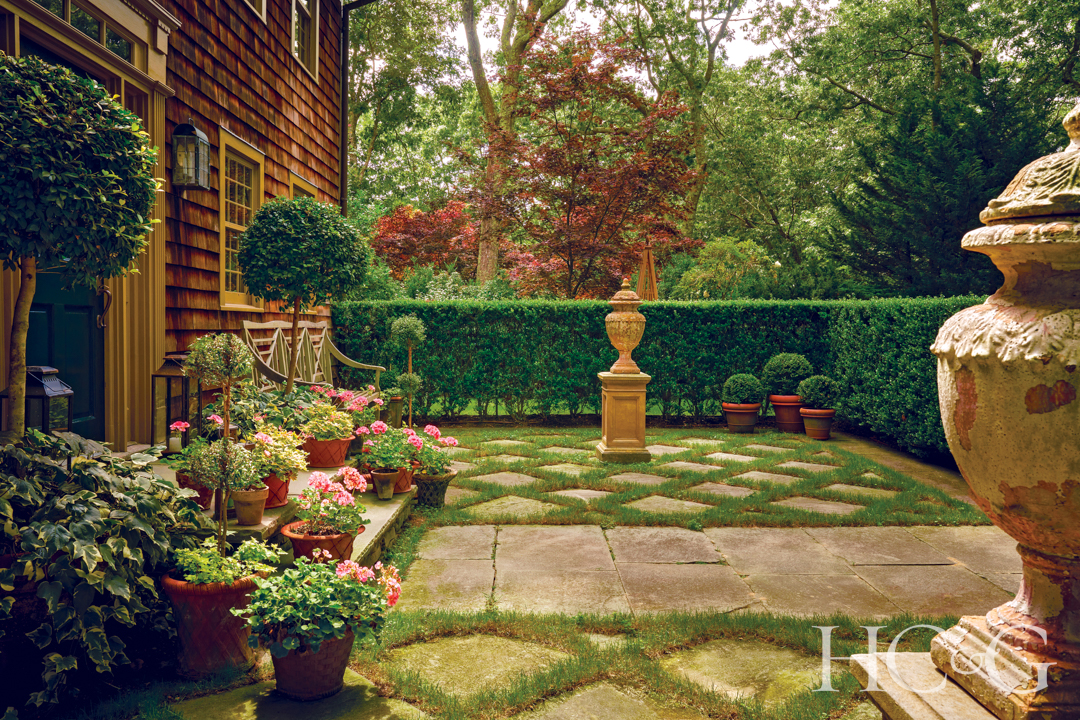
The hedged front entry court is adorned with potted geraniums flanked by Eugenia, Myrtle and boxwood topiaries.
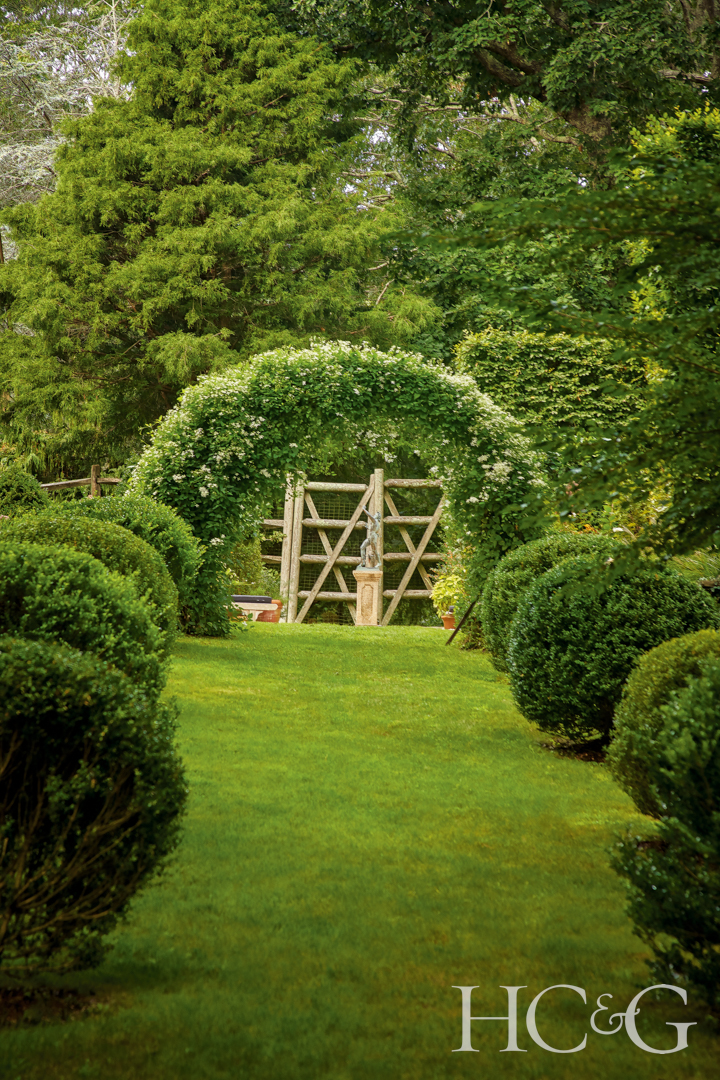
An arch of Sweet Autumn Clematis and boxwood spheres form an allée down to the pond.
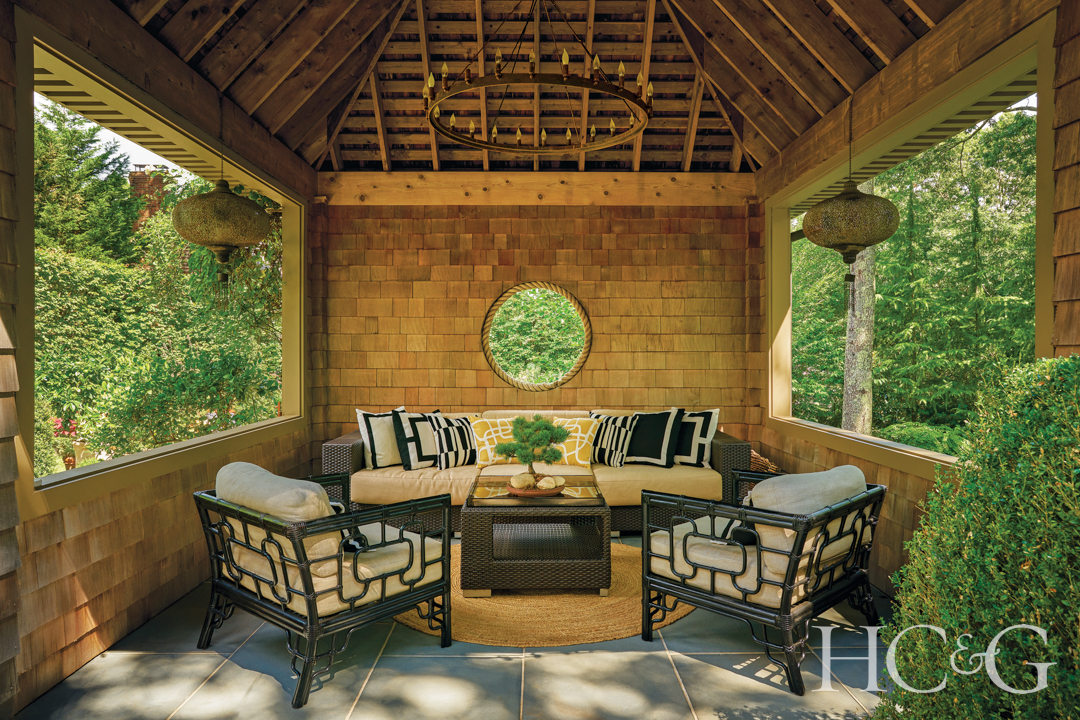
A dining and lounging gazebo features a circular window as an added decorative accent and offers views of the garden.
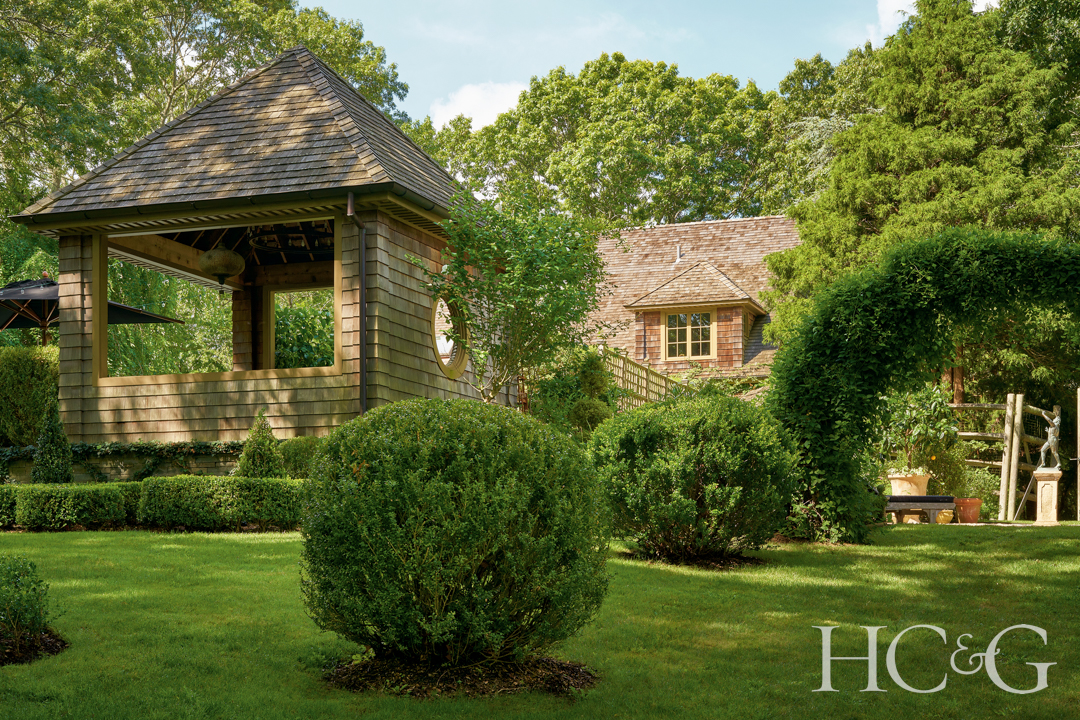
A dining and lounging gazebo features a circular window as an added decorative accent and offers views of the garden.
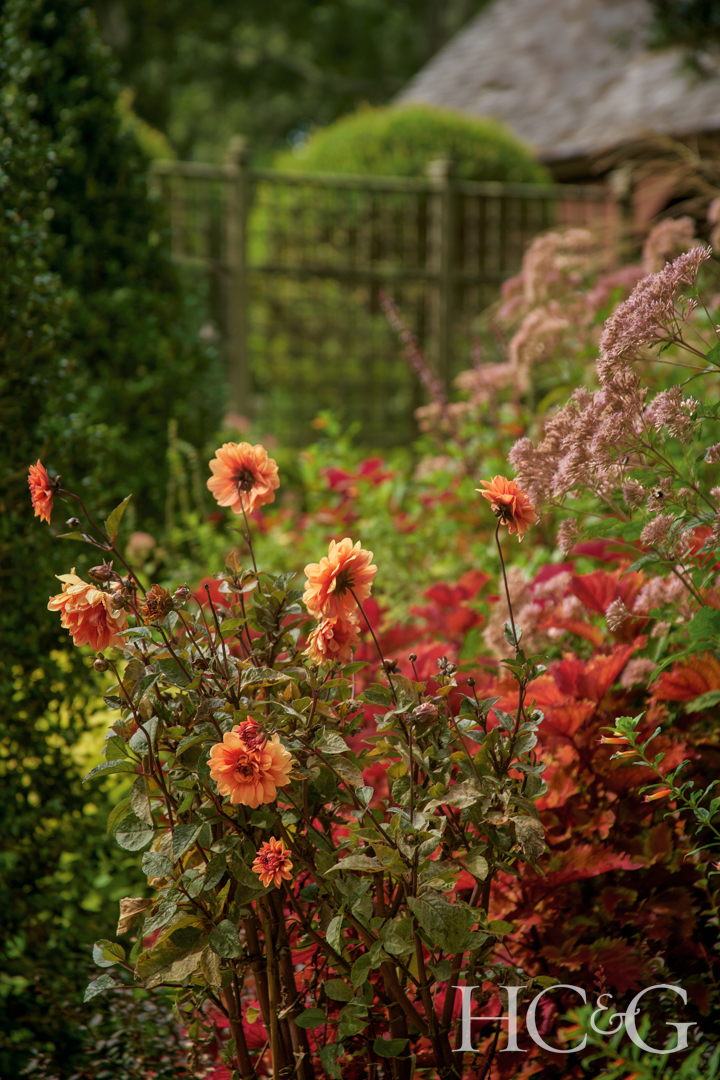
Elements that appear on the property include dahlias, coleus and Joe Pye Weed.
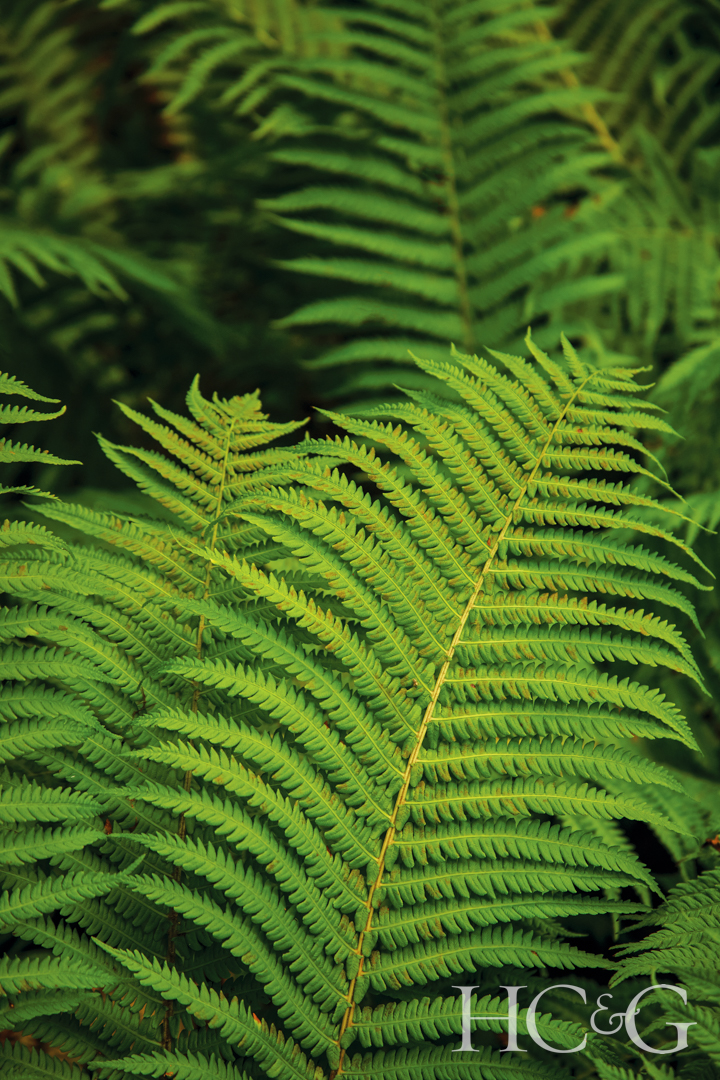
Ferns are also a favorite.
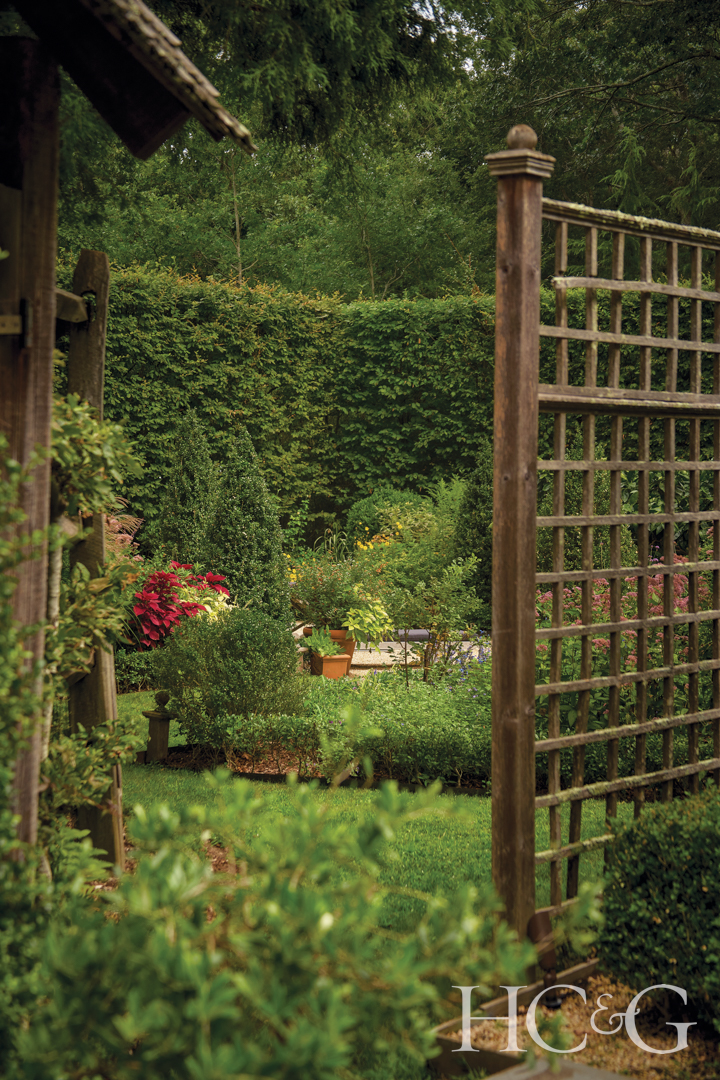
A perennial quadrant is hedged by European Hornbeam.
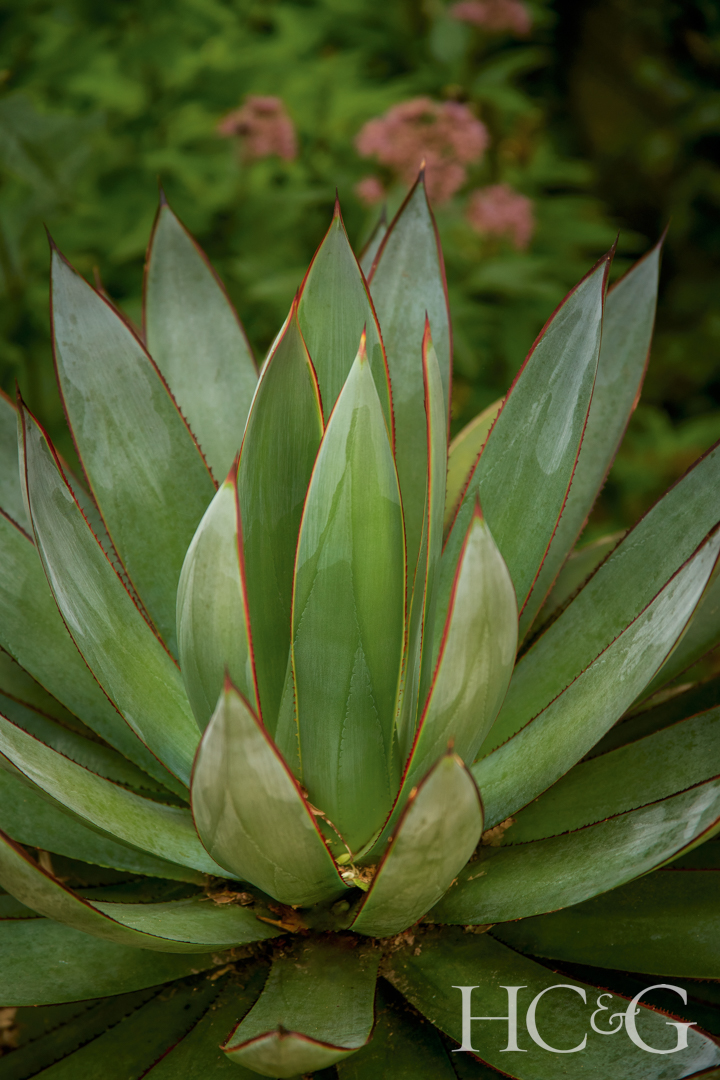
The potted plant is an agave.
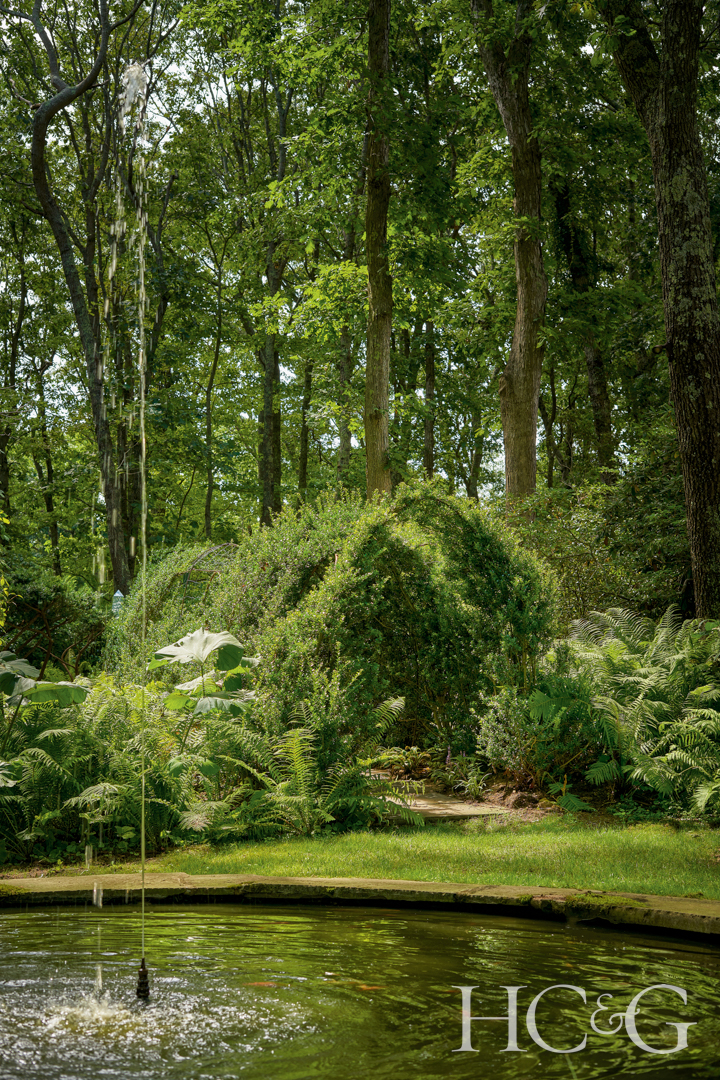
The property’s pond is surrounded by ferns and Butterbur. A Japanese Holly tunnel walk leads to an obelisk.
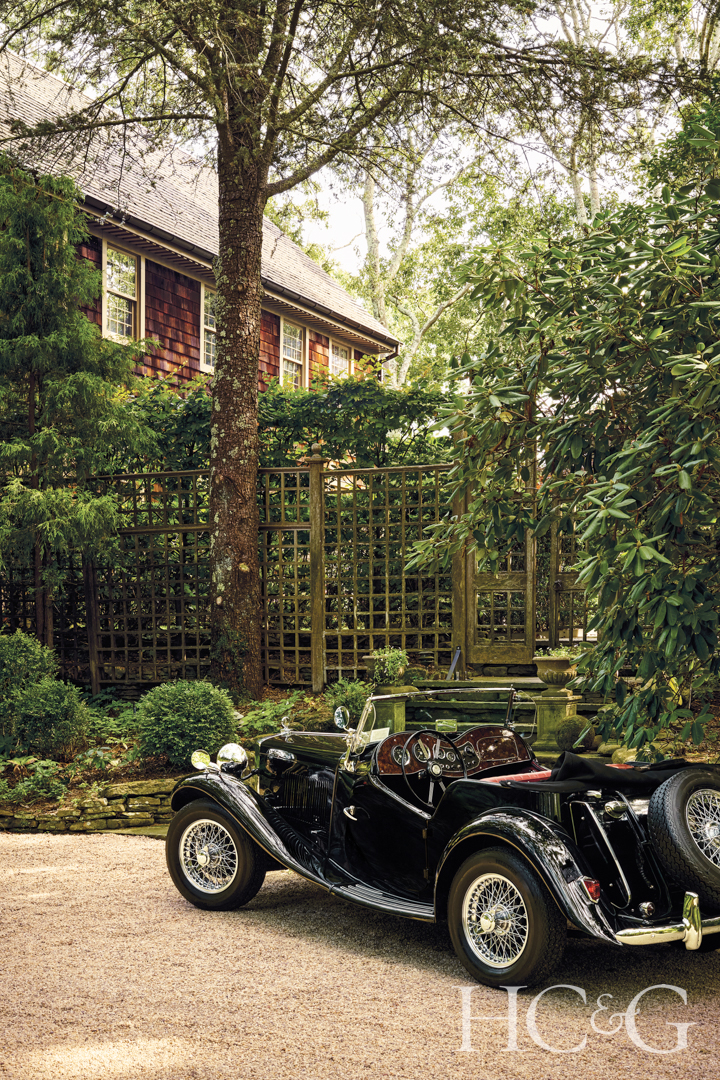
The homeowners’ 1952 MG TD is parked at the steps to the front entry.
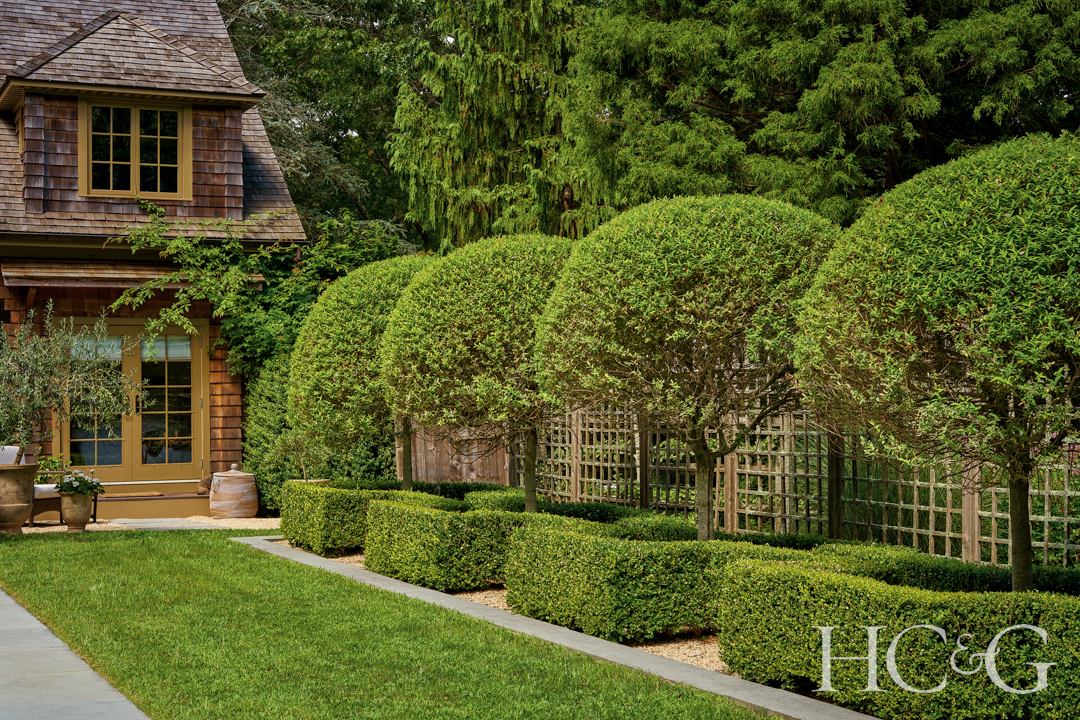
A boxwood parterre with Nishiki Willow topiaries.
In one corner of the garden, Wendt laid a circular bed of gravel, which acts as a kind of carpet for outdoor furniture and features a bronze replica of the iconic Dancing Faun of Pompeii. In keeping with the Mediterranean spirit, he has ringed the spot with potted citrus plants. “It’s a favorite place to sit since it feels like a sunken garden. In winter, it acts like a sun pit, generating enough warmth to sit in there.”
Similar to the circular forms he has introduced among the rectilinear ones are arbors and archways, whose rebar understructures support the greenery, notably Japanese hollies. The idea came to him after he and his partner, Philip MacGregor, created a kind of canopy altar for a client’s outdoor wedding. “For my garden, I started with the idea of making a folly, which are structures I adore. We wound up creating a little enclosed walkway that’s grown in beautifully.”

Wendt and MacGregor purchased their circa-1980s Colonial Salt Box–style house 20 years ago. “I have a real fondness for that style and, luckily, ours was built in the 1980s, so it’s a very good example of that architecture, yet also a modern house.” When they purchased the house, the accompanying land was wild, so much so that it was difficult to tell where their property ended and where the adjacent woods began. Wendt cut back the overgrowth and plotted out distinct areas. After these two decades, boxwood spheres that line his allée appear to roll their way to the pool, while explosions of hydrangeas erupt throughout the garden. Other perennials provide bursts of color, including seven-foot lilac-hued verbena bushes, lime-colored smoke bushes, pink Joe-Pye Weed, orange heleniums, and yellow and brown sunflowers.

Although the couple designs and creates memorable events for the likes of fashion brands such as Fendi, Gucci, LVMH, and Valentino, Wendt admits that designing his own garden has proven more difficult than work for private clients. “For myself, on my own property, I’ll admit, it’s hard to see the forest for the trees,” he says, acknowledging the apt metaphor. “You have natural attachments to plants and it’s harder to diagnose whether something is working or not when it’s in place.”
Wendt is frank about another habit he wishes he could break—the slight melancholy that sets in during winter when the garden is not in bloom. “Winter can be tough. Fall is beautiful out here, but it makes me sad to know the garden will come to an end. But a garden needs to rest like we do. Fortunately, It comes back to life, full and lush, just as it had been the year before.”
