


British wine and liquor giant, Diageo, rolled out a new organic vodka, Moon Mountain, with a big splashy launch party that took place at Blue Hill at Stone Barns in Tarrytown, Westchester. Blue Hill is known for its organic gardens and farm-to-table philosophy. William Nazar, one of the barmen who specializes in molecular mixology, created some wildly creative cocktails: an Oyster Martini with oyster foam; greenish tinted drink made with an infusion of lovage herb; and a unique “Reverse Afogato.” To make the afogato, Nazar poured liquid nitrogen into a bowl of Moon Mountain Vodka, causing lots of dramatic smoke, and then stirred the mixture till the vodka became like ice cream. The frozen ball of vodka was served in an espresso cup with a pour of cold coffee as a dessert cocktail.
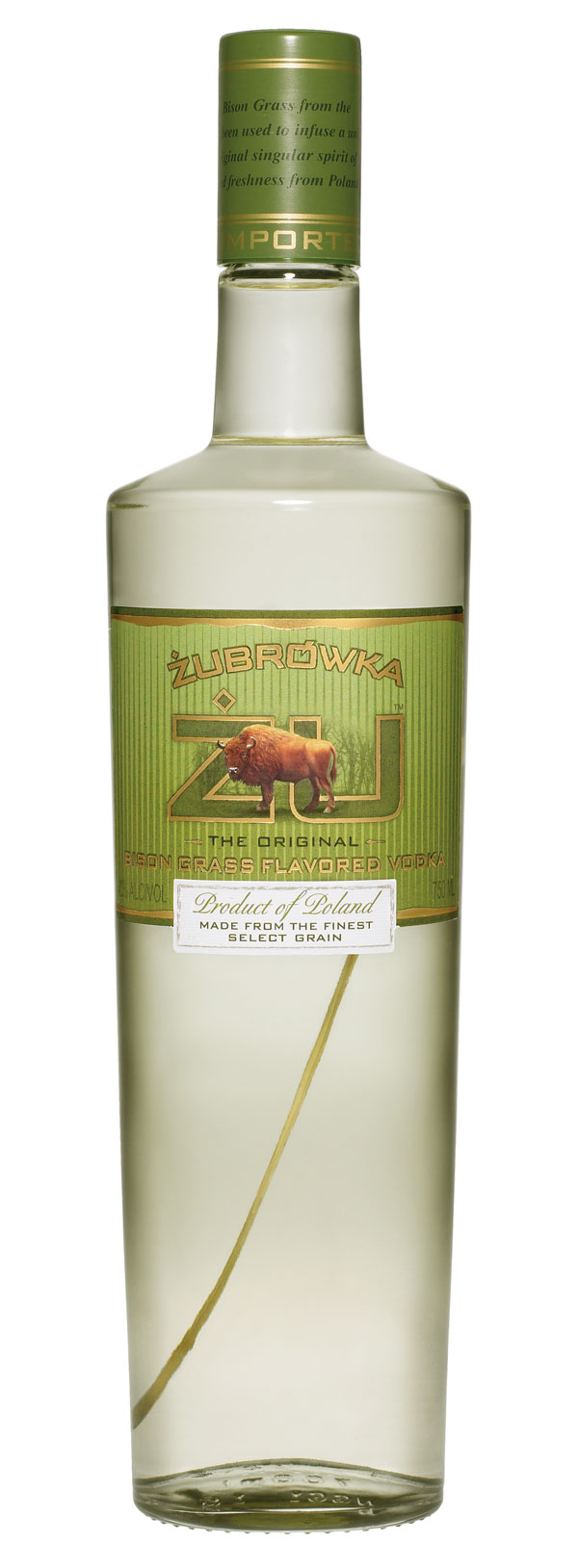
A few days later I was bellied up to the bar sipping another designer vodka. At “The Ultimate Cocktails, Spirits & Wine Blast” held at the Marriott Marquis in Times Square, Remy Cointreau presented Zu Bison Grass Vodka, based on Poland’s Zubrowka style vodkas. Bison grass vodka is really a niche in Europe and the de rigueur cocktail is Tanaka, is a mix of bison grass vodka, apple juice and lemon. I first tasted the very herbal and grass scented Tanaka cocktail in Warsaw several years ago and must say it is an acquired taste. Bison grass vodka was banned in the United States until recently because it’s reputed to have a toxic chemical compound (coumarin). So, you could say that Zu is the next and newest taboo drink, which might go on the bar alongside the absinthe (reintroduced five years ago after its longtime ban over woodworm or thujone).
Some days I can have as many as three “educational liquid liaison” events. Take last Tuesday. The day started at 11:30 a.m. at the Guggenheim Museum’s high design restaurant for a tasting of expensive Hermitage wines, verticals all of them, at around $100 a bottle. They were from one of the biggest cooperative in France, the Cave de Tain and we tasted verticals of Hermitage Rouge “Gambert de Loche.” This cool climate syrah is just amazing. My tasting notes had the 2003 with a deep nose of roast coffee beans and chocolate; the 2001 with aromas characteristic of older syrah, with stone fruits and brandy; and the 1999 very animal in style with truffle, sweet leathers and smokiness, silk on the palette, elegant with lovely smooth finish. These are wines for the collection.
The day progressed to a British 4 p.m. ritual, “Tea Royale” at the year-old Crosby Street Hotel in Soho. To kick off the hotel’s afternoon tea launch, we sat in the Victorian cozy room full of chintz and paintings and sipped Ruinart Champagne (note: the inclusion of bubbly elevates a normal British tea into a Tea Royale, which you must pronounce with emphasis on the “yale”) and sampled scones, tea sandwiches, and fruit tarts displayed on a four tier serving platform. I sipped two types of tea—white vanilla grapefruit and the new Vithanakande from Sri Lanka from the acclaimed tea master blender Harney & Son. Ruinart, from a Champagne house that dates back to1729, paired well with yeasty scones. I loved the British retro feeling of high tea indulgence. I imagined that I had been summoned by the Queen to Buckingham Palace for the afternoon.
I ended my day at 10 p.m. at Milos restaurant on 55th Street in Manhattan for a Greek wines tasting. Plates of oysters, calamari, and crab cakes were coming around and a lively Greek band entertained the sommeliers, writers and wine shop people at the party. This past summer I traveled to Greece and did a rave review of Santorini wines and now the world is finally catching on to these white aromatic gems.
